-
โทรเลย +86 13426858645
-
มีคำถามเพิ่มเติมหรือไม่ [email protected]
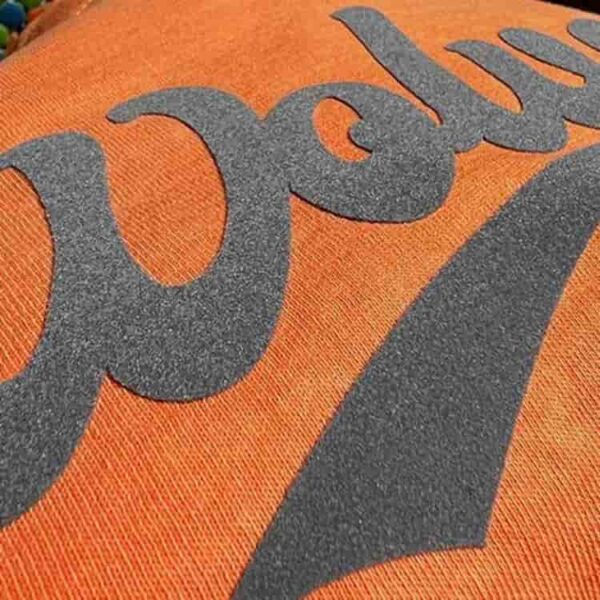
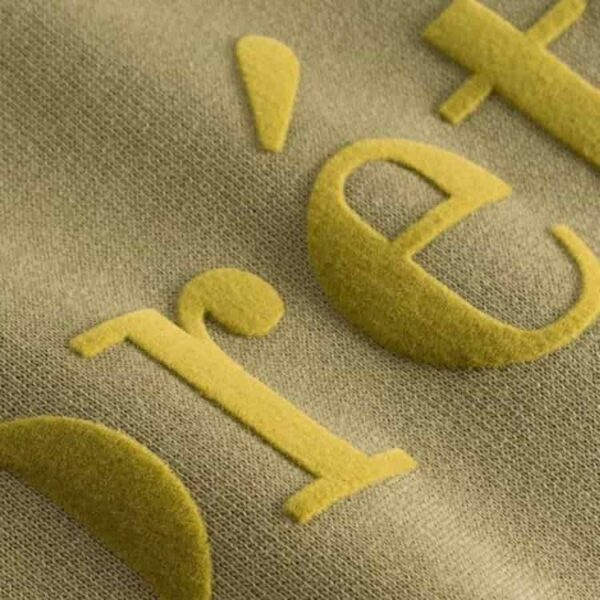


หมึกซิลิโคนสำหรับงานพ่นกำมะหยี่แบบไฟฟ้าสถิตเกรดพรีเมียม
กาวซิลิโคนที่เป็นมิตรต่อสิ่งแวดล้อมและมีความยืดหยุ่นสูง ออกแบบมาสำหรับการทำฟล็อกกิ้งด้วยไฟฟ้าสถิตบนสิ่งทอระดับพรีเมียม ให้สัมผัสนุ่ม ไม่แตกหัก และมีความคงทนต่อการซักที่เหนือกว่า
- MOQ: 22 กก. / ชุด (ประกอบด้วยเบส 20 กก. + ตัวเร่ง 2 กก.) สามารถเจรจาคำสั่งซื้อทดลองขนาดเล็กสำหรับการจับคู่สีครั้งแรกได้
- เวลาจัดส่ง: 3 - 7 วันทำการสำหรับสินค้าสต็อกมาตรฐาน 10 - 15 วันสำหรับคำสั่งซื้อจำนวนมากที่เกิน 5 ตัน
- นโยบายตัวอย่าง: มีชุดตัวอย่างขนาด 1 กก. จำหน่าย (ลูกค้าเป็นผู้รับผิดชอบค่าขนส่งระหว่างประเทศ)
- ความปลอดภัยและการปฏิบัติตามข้อกำหนดเป็นมิตรต่อสิ่งแวดล้อม: ZDHC ระดับ 3, OEKO-TEX Standard 100 Class I, เป็นไปตามมาตรฐาน RSL ของ Nike/Adidas (ปราศจาก PVC และสารพทาเลต)
ซิลิโคนสำหรับทำฟล็อกกิ้งระดับพรีเมียม: ยึดเกาะแน่น นุ่มนวล และทนทานต่อการซัก
บรรลุความทนทานในการซักที่ยอดเยี่ยมและขจัดปัญหาเรื่องลายฟล็อกกิ้งหลุดลอก ซิลิโคนสำหรับทำฟล็อกกิ้งของเราได้รับการออกแบบมาโดยเฉพาะในฐานะกาวประสานประสิทธิภาพสูงสำหรับการทำฟล็อกกิ้งด้วยไฟฟ้าสถิต
ด้วยการออกแบบมาเพื่อเอาชนะความท้าทายทั่วไปในอุตสาหกรรมเรื่องความแข็งและการแตกร้าว เคมีซิลิโคนขั้นสูงของเราสร้างพันธะที่ทนทานสูง นุ่มนวล และยืดหยุ่น ช่วยให้เส้นใย flocked (ไนลอน วิสโคส หรือโพลีเอสเตอร์) ยืดตัวไปตามเนื้อผ้าได้อย่างเป็นธรรมชาติ ทำให้เป็นทางเลือกที่เหมาะอย่างยิ่งสำหรับชุดกีฬาชั้นนำ ชุดชั้นใน และแฟชั่นระดับหรูที่เน้นความสบายระดับพรีเมียมและคุณภาพที่ยาวนานเป็นสิ่งสำคัญ
ติดต่อเราเพื่อรับราคาส่งเพื่อยกระดับคุณภาพงานพิมพ์สิ่งทอของคุณ
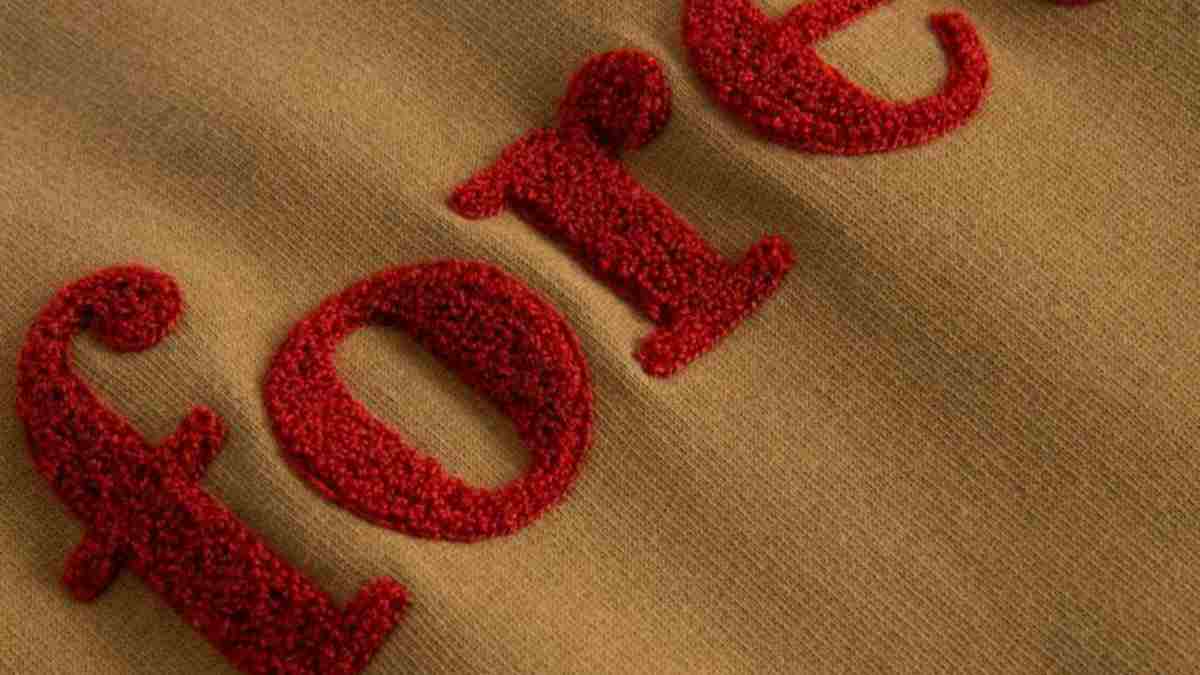
ข้อได้เปรียบด้านประสิทธิภาพที่สำคัญ
ออกแบบมาเพื่อยกระดับคุณภาพการ flocking และประสิทธิภาพการผลิตของคุณ
สัมผัสนุ่มระดับพรีเมียม
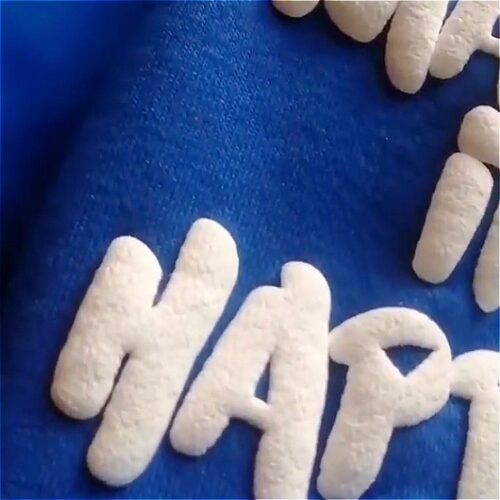
เมื่อบ่มตัวจะกลายเป็นอีลาสโตเมอร์ที่มีความยืดหยุ่นสูง บริเวณที่พิมพ์ยังคงความนุ่มนวลและทิ้งตัวได้อย่างเป็นธรรมชาติ มอบสัมผัสระดับพรีเมียมบนเสื้อผ้าคุณภาพสูง
ความยืดหยุ่นประสิทธิภาพสูง
เหมาะอย่างยิ่งสำหรับผ้าสแปนเด็กซ์ ไลคร่า และชุดออกกำลังกาย ด้วยการยืดตัวมากกว่า 350% กาวจะต้านทานการแตกร้าวและการหลุดลอกได้อย่างแข็งแกร่ง คงความสมบูรณ์ของโครงสร้างระหว่างการออกกำลังกายที่หนักหน่วง
ความทนทานต่อการซักที่ยอดเยี่ยม
ผ่านการทดสอบการซักที่อุณหภูมิ 60°C อย่างเข้มงวด (มากกว่า 50 รอบ) สูตรเฉพาะเพื่อยึดเกาะเส้นใยอย่างแน่นหนา ช่วยลดการหลุดร่วงของเส้นใย flock (อาการหัวล้าน) ตลอดอายุการใช้งานของเสื้อผ้า
เป็นมิตรต่อสิ่งแวดล้อมและปลอดภัย
ปราศจาก PVC 100% ปราศจากพทาเลต และปราศจากตัวทำละลาย สูตรที่สอดคล้องกับมาตรฐาน ZDHC และรายการสารต้องห้าม (RSLs) ของแบรนด์ระดับโลกอย่างเคร่งครัด ช่วยให้การผลิตที่ยั่งยืนปราศจากความเสี่ยง
ตัวตนทางเทคนิคที่ปฏิบัติตามข้อกำหนด
| คุณสมบัติ | ค่า / รายละเอียด |
| ชื่อผลิตภัณฑ์ | หมึกซิลิโคนสำหรับงานพ่นกำมะหยี่แบบไฟฟ้าสถิตเกรดพรีเมียม |
| คำพ้องความหมาย | กาวสำหรับงาน Electrostatic Flocking, สารยึดติดซิลิโคนสำหรับงาน Flocking, เพสต์สำหรับงาน Flocking |
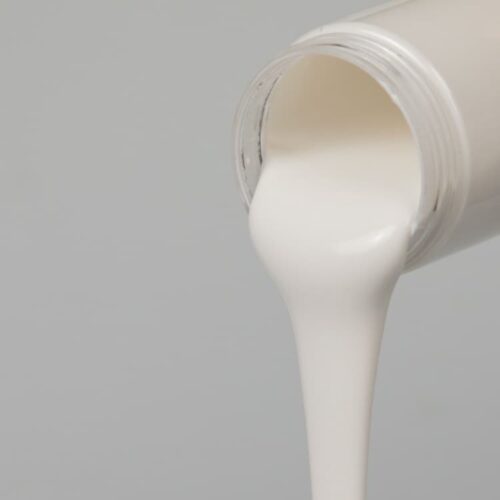
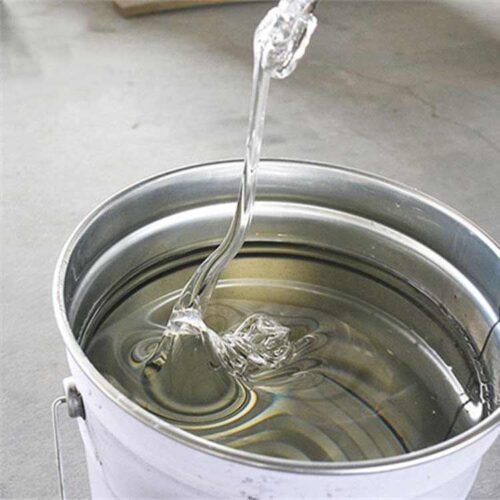
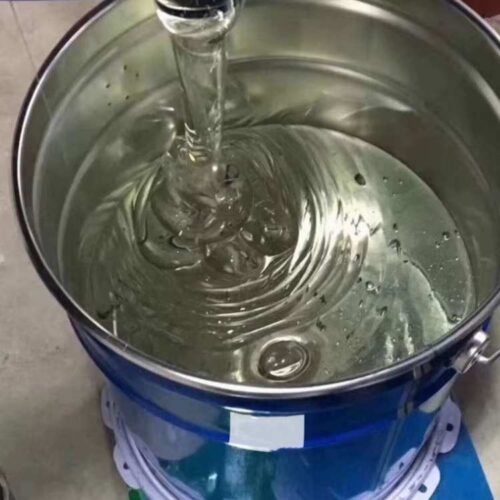
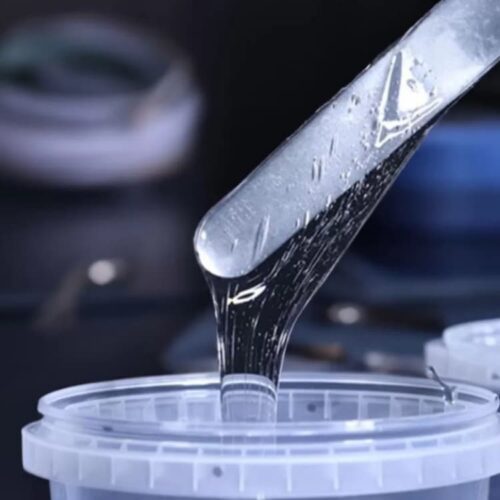
| ลักษณะที่ปรากฏ | สารหนืดกึ่งโปร่งแสง / กึ่งโปร่งใส |
| ความหนืด | 120,000 – 160,000 mPa.s (มีคุณสมบัติไทโซโทรปิก) |
| การยืดตัว | ≥ 400% |
| เนื้อหาสารสำคัญ | 100% (ปราศจากตัวทำละลาย) |
| ความแข็ง (Shore A) | 25 – 35 A (นุ่มและยืดหยุ่น) |
| อุณหภูมิในการอบแห้ง | 120°C – 150°C (ต้องใช้ความร้อนในการบ่ม) |
| อัตราส่วนผสม | 10:1 หรือ 100:2 (เบส : ตัวเร่งปฏิกิริยา) |
| อายุการใช้งานหลังผสม (Pot Life) | 4 – 6 ชั่วโมง ที่ 25°C |
| เลขทะเบียน CAS | 63394-02-5 (พื้นฐานโพลีไดเมทิลไซลอกเซน) |
| เลขทะเบียน EINECS | 203-492-7 |
| รหัส HS | 3910000000 (ซิลิโคนในรูปแบบเบื้องต้น) – แนะนำสำหรับอัตราภาษีศุลกากรที่ต่ำกว่า |
| การรับรองมาตรฐาน | OEKO-TEX Eco-Passport, ZDHC Level 3, REACH SVHC, RoHS |
| บรรจุภัณฑ์ | ชุดตัวอย่าง: เบส 1 กก. + ตัวเร่งปฏิกิริยา 100 กรัม มาตรฐาน: ถัง 20 กก. (พลาสติก/โลหะ) อุตสาหกรรม: ถัง 200 กก. |
| การจัดเก็บ | เก็บในที่เย็นและแห้ง (5°C – 35°C) เก็บให้ห่างจากแสงแดดและความชื้น |
| ความปลอดภัย | 12 เดือน (ในบรรจุภัณฑ์ที่ยังไม่เปิด) |
วิธีใช้งาน: กระบวนการปฏิบัติงาน
กุญแจสู่ความสำเร็จคือการใช้เทคนิค “Wet-on-Wet”
ขั้นตอนที่ 1: การเตรียมการ & การพิมพ์สกรีน
ผสมซิลิโคนเบสกับตัวเร่ง (เช่น อัตราส่วน 10:1) เติมสีหากต้องการเบสที่มีสี ผสมให้เข้ากันอย่างทั่วถึง
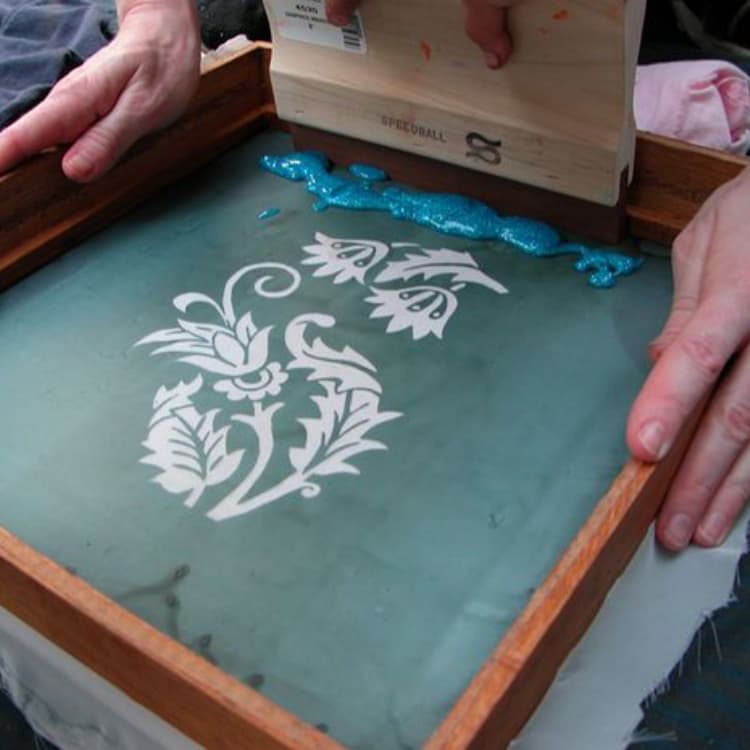
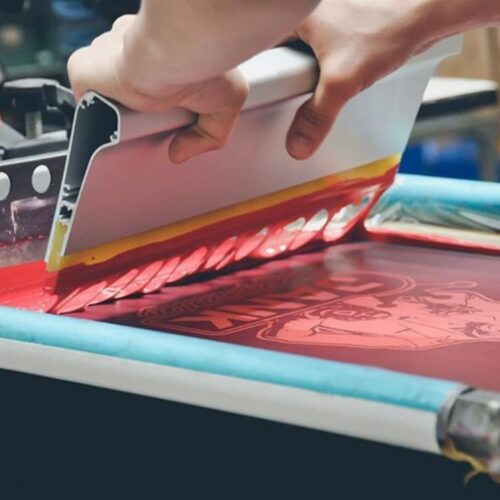
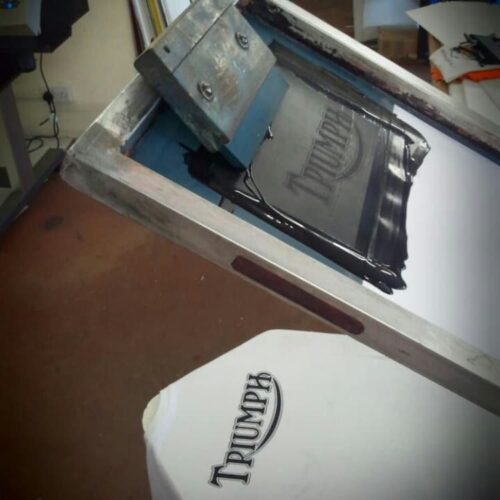
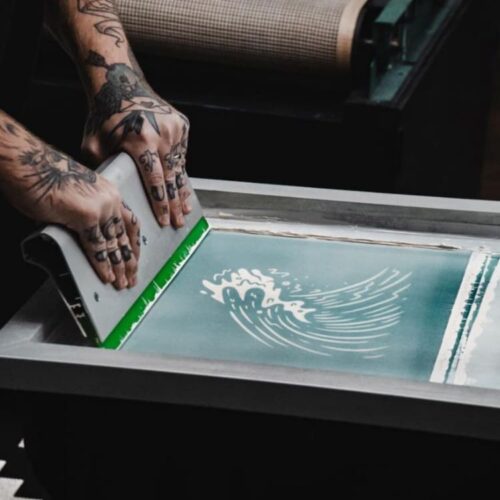
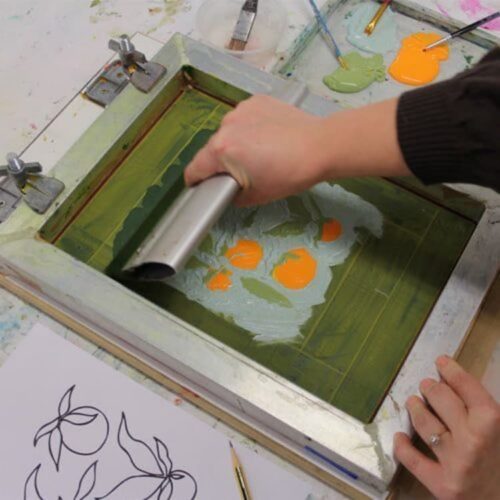
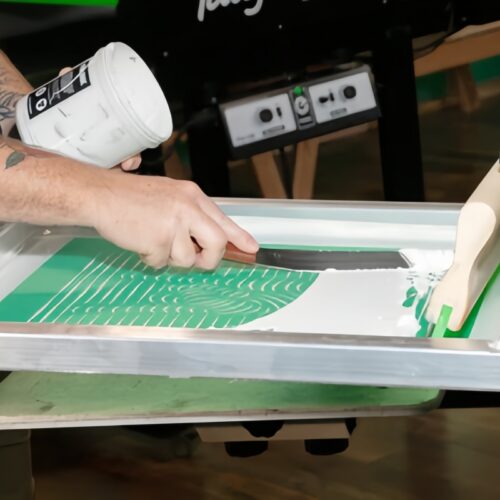
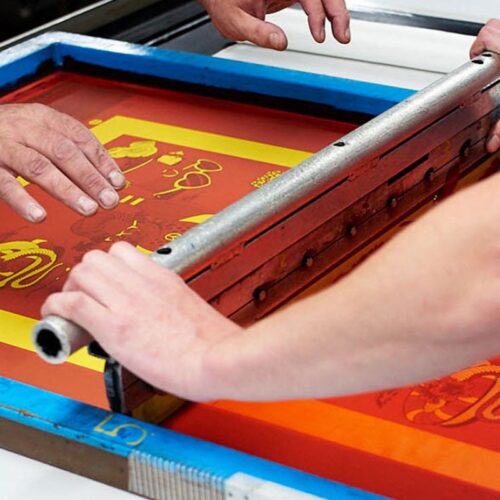
ใช้บล็อกสกรีนความละเอียดสูง (80-100 เมช) สกรีนซิลิโคนลงบนผ้า 2-3 ครั้งเพื่อให้ได้ความหนาของชั้นกาวที่เพียงพอ
ข้อควรระวัง: ชั้นซิลิโคนจะต้องหนาพอที่จะยึดเกาะเส้นใยกำมะหยี่ (Flock fibers) ได้
ขั้นตอนที่ 2: การทำ Flocking (ขั้นตอนสำคัญ)
ห้าม อย่า อบซิลิโคนเด็ดขาด ในขณะที่ซิลิโคนยัง เปียกให้ใช้เครื่องพ่นกำมะหยี่แบบไฟฟ้าสถิตพ่นเส้นใยกำมะหยี่ลงไปทันที ประจุไฟฟ้าจะทำให้เส้นใยพุ่งตัวในแนวตั้งลงไปในซิลิโคนที่ยังเปียกอยู่
ขั้นตอนที่ 3: การอบแห้งเบื้องต้น (Pre-Drying)
ผ่านเข้าตู้อบอุณหภูมิต่ำ (80°C – 100°C) เพื่อเซตผิวหน้าและยึดเส้นใยให้คงที่
ขั้นตอนที่ 4: การอบแห้งขั้นสุดท้าย & การทำความสะอาด
การอบแห้งขั้นสุดท้าย: อบที่อุณหภูมิ ที่อุณหภูมิ 130°C – 150°C เป็นเวลา 2-3 นาทีเพื่อให้ซิลิโคนเกิดการเชื่อมข้ามโครงสร้าง (Cross-link) อย่างสมบูรณ์ เพื่อความทนทานสูงสุด
การทำความสะอาด: ใช้เครื่องดูดฝุ่นหรือแปรงปัดเส้นใยส่วนเกินหรือเส้นใยที่ไม่ยึดเกาะออก
เอาชนะความท้าทายในการพิมพ์ที่ยากที่สุดของคุณ
ค้นพบว่าโซลูชันซิลิโคนขั้นสูงของเราได้รับการออกแบบทางวิศวกรรมมาเพื่อขจัดปัญหาคอขวดในการผลิตประจำวันของคุณได้อย่างไร
“กำมะหยี่หลุดลอกหลังจากซักไปไม่กี่ครั้ง”
ซิลิโคนของเราใช้เทคโนโลยีการยึดเกาะแบบ Cross-linking ซึ่งช่วยล็อครากของเส้นใยให้ลึกลงไปในชั้นฐาน

“หมึกแห้งเร็วเกินไปบนบล็อกสกรีน”
Pot Life ที่เหมาะสมที่สุด ส่วนผสมของเราสามารถใช้งานได้นานถึง 4-6 ชั่วโมง ช่วยลดของเสียและการอุดตันของบล็อกสกรีน
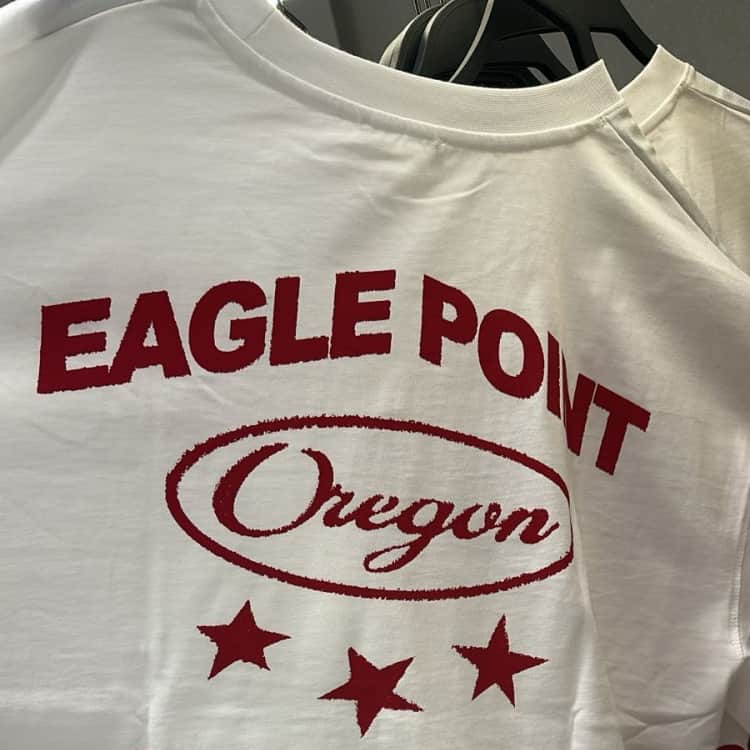
“งานพิมพ์ให้สัมผัสที่แข็งเหมือนกระดาษแข็ง”
เนื้อซิลิโคนแข็ง 100% หมายความว่าไม่มีการระเหยของตัวทำละลาย งานพิมพ์จะแห้งตัวเป็นอีลาสโตเมอร์ที่มีความยืดหยุ่นสูง ให้สัมผัสนุ่มนวลพรีเมียมแม้ผ่านการซักซ้ำหลายครั้ง
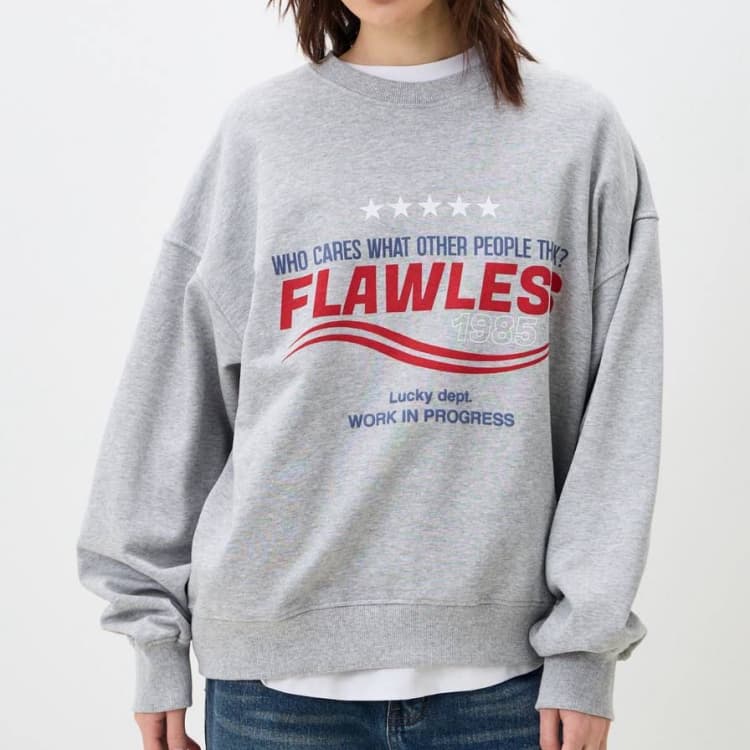
“สีเกิดการย้ายตัว (Migration) บนผ้าโพลีเอสเตอร์”
เข้ากันได้ดีกับสารป้องกันการย้ายตัว (Anti-Migration Blocker) เฉพาะของเราสำหรับผ้าที่ผ่านการระเหิดสี
เปรียบเทียบผลิตภัณฑ์: ซิลิโคนกับวัสดุอื่น
| คุณสมบัติเด่น | ซิลิโคนสำหรับทำ Flocking ของเรา | สีน้ำ | กาว PU/ตัวทำละลาย |
| ข้อมูลด้านสิ่งแวดล้อม | ดีเยี่ยม (ไม่เป็นพิษ) | ดี | แย่ (มีสาร VOCs/กลิ่นเหม็น) |
| ความยืดหยุ่น | สูง (ยืดหยุ่นไปพร้อมกับผ้า) | ต่ำ (แตกร้าวได้ง่าย) | ปานกลาง |
| สัมผัส | นุ่ม & ยืดหยุ่นเหมือนยาง | แห้งและแข็ง | เหมือนพลาสติก |
| ความทนทาน | สูง (ซักได้มากกว่า 50 ครั้ง) | ต่ำ | ปานกลาง |
| ราคา | พรีเมียม | ต่ำ | ปานกลาง |
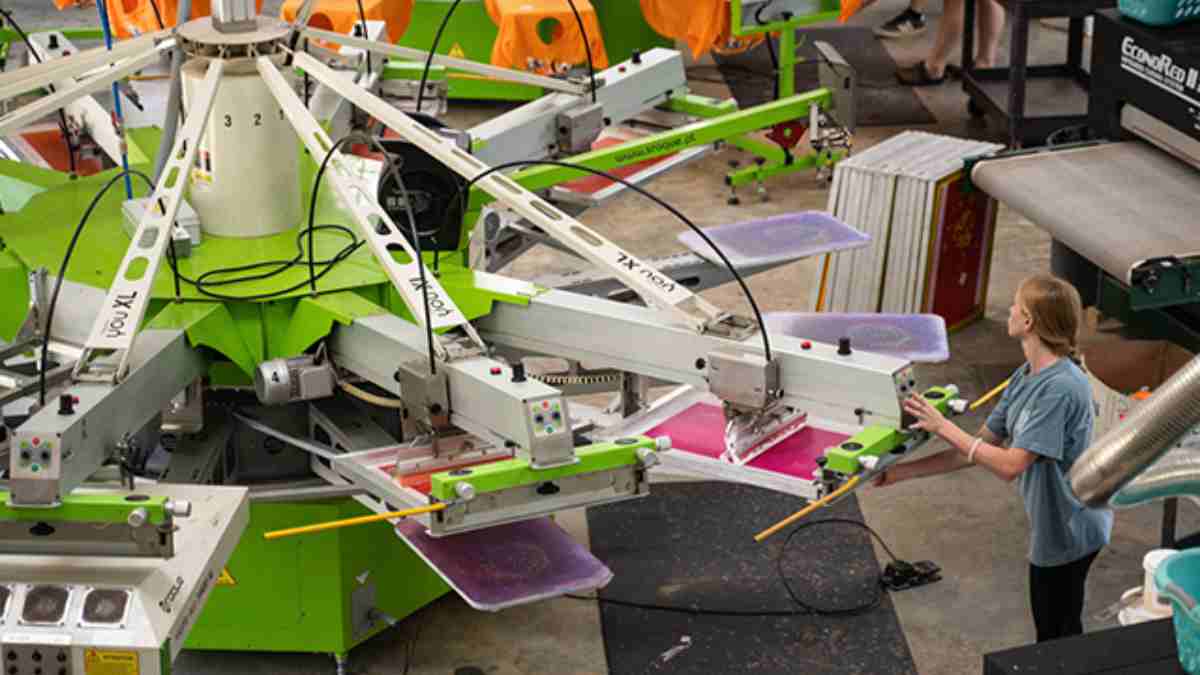
กรณีศึกษาจากลูกค้า
แบรนด์ชุดออกกำลังกายในสหรัฐอเมริกา: ลูกค้าผู้ผลิตกางเกงเลกกิ้งโยคะประสบปัญหาเรื่องการแตกร้าวและการยึดเกาะไม่ดีเมื่อใช้กาวทั่วไป ด้วยการอัปเกรดมาใช้ ซิลิโคนฟล็อกกิ้งความยืดหยุ่นสูงของเรา พวกเขาทำให้อัตราการยืดตัวสูงถึง 300% ในขณะที่กำจัดปัญหาเส้นใยหลุดร่วงได้อย่างมีประสิทธิภาพ ความทนทานที่เพิ่มขึ้นนี้ช่วยให้พวกเขาสามารถวางตำแหน่งสินค้าชุดออกกำลังกายในระดับพรีเมียมได้อย่างประสบความสำเร็จ
แบรนด์ชุดชั้นในยุโรป: ลูกค้าต้องการโซลูชันการฟล็อกกิ้งที่ปลอดภัยต่อผิวหนังและเป็นไปตามข้อกำหนดอย่างเคร่งครัดสำหรับสายบราที่บอบบาง ซิลิโคนมาตรฐาน OEKO-TEX ของเราช่วยให้มั่นใจได้ถึงความปลอดภัยที่จำเป็นสำหรับชุดชั้นใน ในขณะที่ยังคงความรู้สึกนุ่มนวลแบบกำมะหยี่ที่หรูหราและยาวนาน
FAQ – การแก้ไขปัญหา
คำถามที่ 1: ซิลิโคนนี้สามารถยึดเกาะกับแจ็คเก็ตไนลอนกันน้ำได้หรือไม่?
ตอบ: ซิลิโคนทั่วไปอาจมีปัญหาในการยึดเกาะกับสารเคลือบกันน้ำ (DWR) สำหรับไนลอนกันน้ำ เราแนะนำให้เพิ่มสารช่วยยึดเกาะ X-Linker หรือพิมพ์ด้วยน้ำยาปรับสภาพซิลิโคนอเนกประสงค์ของเราก่อนเพื่อให้แน่ใจในการยึดเกาะ
คำถามที่ 2: ทำไมฟล็อกกิ้งของฉันถึงหลุดร่วงหลังจากซัก?
ตอบ: มักเกิดจาก 2 สาเหตุ: การอบไม่เพียงพอ: อุณหภูมิหรือเวลาในเตาอบไม่เพียงพอ ตรวจสอบให้แน่ใจว่าแกนกลางของซิลิโคนได้รับความร้อนถึง 130°C ขึ้นไป ชั้นซิลิโคนบางเกินไป: ชั้นซิลิโคนไม่มีความหนาเพียงพอที่จะยึดรากของเส้นใย
คำถามที่ 3: ผลิตภัณฑ์นี้เหมาะสำหรับเสื้อผ้าเด็กหรือไม่?
ตอบ: ได้ ซิลิโคนของเรามีเสถียรภาพทางเคมีหลังจากผ่านการอบและผ่านการทดสอบความปลอดภัยที่เข้มงวด (OEKO-TEX Class I) จึงปลอดภัยสำหรับสิ่งทอสำหรับทารก
คำถามที่ 4: สามารถใช้กับไนลอนได้หรือไม่?
ตอบ: ไนลอนมีผิวลื่น เราแนะนำให้เพิ่มสารช่วยยึดเกาะไนลอน (Nylon Linker) ลงในส่วนผสมซิลิโคนนูนเพื่อให้แน่ใจว่ายึดเกาะกับผ้าได้แน่นและไม่หลุดลอก
คำถามที่ 5: ฉันสามารถเติมสีลงในซิลิโคนนูนได้หรือไม่ หรือใช้สำหรับเอฟเฟกต์ "สีโทนเดียว" (Tone-on-Tone) เท่านั้น?
ตอบ: ไม่ เราขอแนะนำเป็นอย่างยิ่งว่าไม่ควรทำเช่นนั้น เพื่อให้สามารถป้องกันสีตกได้อย่างมีประสิทธิภาพ ผงถ่านกัมมันต์ (Activated Carbon) จะต้องเป็นชั้นรองพื้นที่มีความเข้มข้น (เกราะป้องกัน) การผสมลงในหมึกสีขาวของคุณจะทำให้ประสิทธิภาพในการดูดซับเจือจางลง และจะทำให้สีขาวชั้นบนสุดของคุณกลายเป็นสีเทาหม่นอย่างถาวร เพื่อการปกป้องสูงสุด ให้ใช้วิธี “Sandwich Method” เสมอ: พิมพ์ชั้นป้องกันก่อน นำไปอบให้แห้งหมาด (flash) แล้วจึงพิมพ์ทับด้วยหมึกสีขาวความทึบสูง
 English
 Deutsch (Sie)
 العربية
 বাংলা
বাংলা 香港中文
香港中文 Français
 Bahasa Indonesia
 Português do Brasil
 한국어
한국어 Tiếng Việt
 日本語
日本語 Polski
 Русский
 Türkçe
 ไทย
ไทย Español de México