-
立即撥打 +86 13426858645
-
有任何疑問嗎? [email protected]
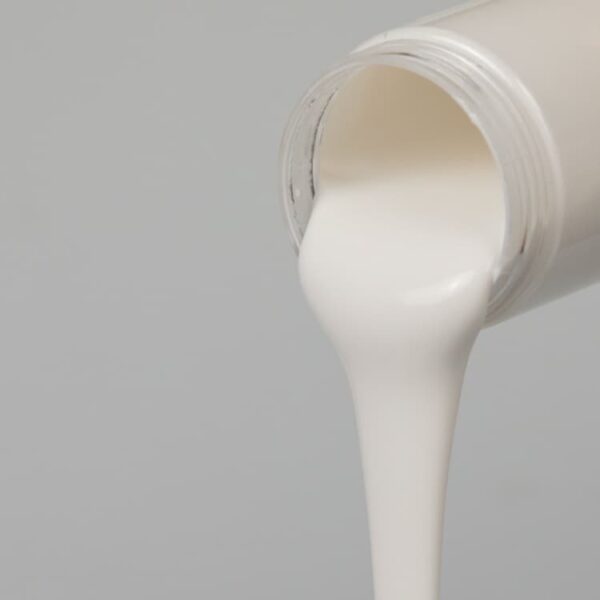
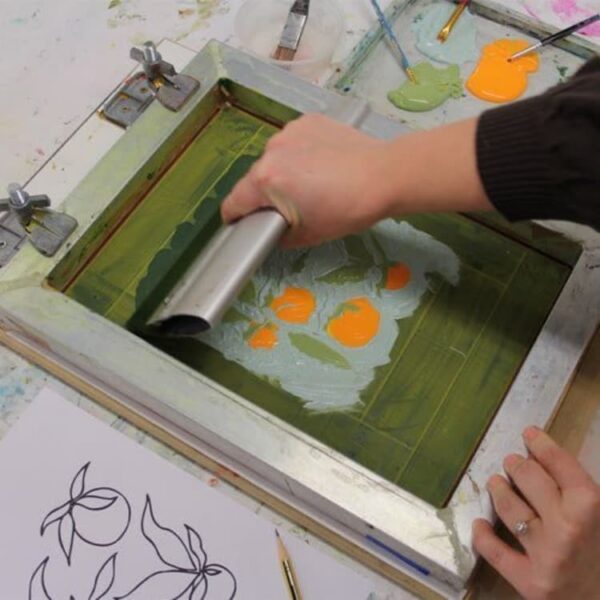
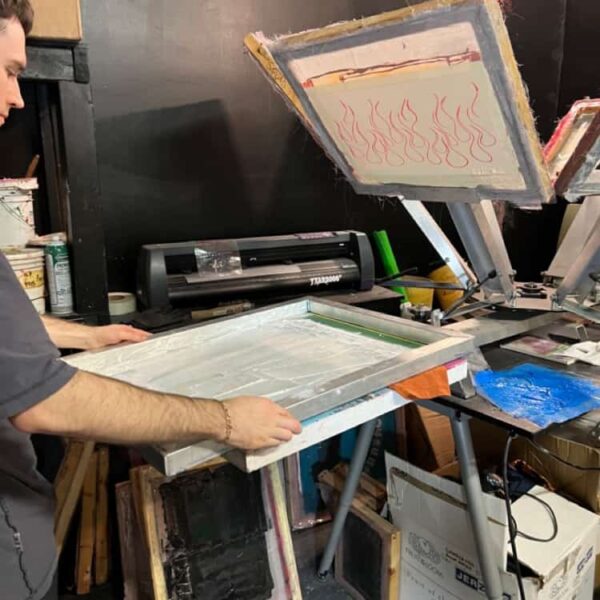

用於燙金和植絨的優質絲網印刷水性膠粘劑
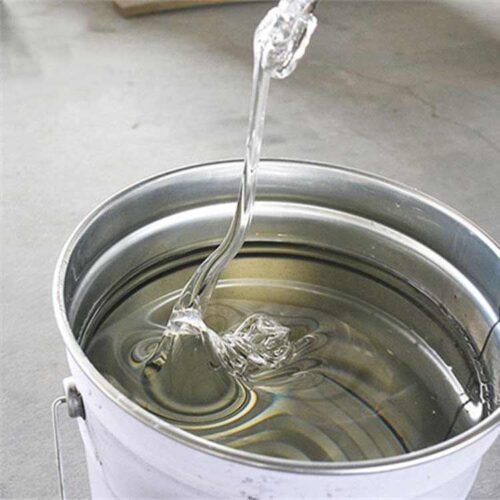
適用於燙金、植絨及魚子醬珠的高性能水性膠漿。專為優質紡織品設計,具有卓越的粘合強度和絲網穩定性。環保、耐洗且透明度高。時尚品牌的終極之選。
- 最低訂購量 (MOQ): 標準庫存: 100 公斤 (提供 20 公斤或 25 公斤桶裝)。如需客製化配方或貼牌生產,最低訂購量為 500 公斤.
- 運輸與物流: 海運: 適合大宗貨櫃運輸 (FCL/LCL) 的經濟選擇。
- 儲存警告: 存放在陰涼通風處 (10°C – 35°C)。 請勿冷凍。 不使用時請保持容器密封。
鎖住光澤。穩固質感。持久耐洗。
製作優質金屬箔或植絨效果能為服裝增值不少,但黏合失敗會導致昂貴的退貨,並損害品牌信譽。我們的高級水性絲網印刷黏合劑旨在透過有效消除洗滌後過早剝落或脫落的風險,從而最大化您的生產收益。
這種環保的高黏性黏合劑專為在織物與特效基材(如金屬箔、植絨或魚子醬珠)之間產生極其耐用的交聯化學鍵而設計,確保您複雜的飾面牢固地固定在適當位置。它提供非常柔軟的手感以及出色的耐洗牢度,是美國和歐洲對性能和合規性有嚴格要求的高端街頭服飾和時尚品牌的可靠解決方案。
聯絡我們以獲取報價,並訂製更環保、更柔軟的水性絲網印刷物料。
關鍵功能與性能
探索為何全球服裝和鞋履品牌都信賴我們先進的水性黏合劑。
極致的抗彎曲性
顯著降低在高物理應力下破裂或分層的風險。經嚴格的 Bally Flex 測試(超過 100,000 次循環)驗證,即使在室溫和冷凍溫度下亦然,使其成為要求嚴格的鞋面和運動裝備的理想黏合解決方案。
化學交聯
在織物和特效基材之間產生極其耐用的交聯化學鍵。這種先進的化學技術確保您的金屬箔或植絨飾面保持卓越的結構完整性和耐洗牢度,防止昂貴的脫落和剝離。
超柔軟手感
固化成一層極具彈性且透氣的塗層,與紡織品無縫結合。它能隨高彈性面料自然移動和拉伸,保留服裝原有的舒適度和優質垂墜感。
最佳開放時間與晶瑩剔透的飾面
採用先進保濕劑配方,有效減少長時間生產過程中的過早乾燥及網版堵塞問題。此外,它固化後呈現完全透明,消除了在精細燙金或植絨設計邊緣產生難看乳白色光暈的現象。
技術認證與合規
| 屬性 | 數值 / 描述 |
| 產品名稱 | 紡織品用水性丙烯酸打印膠漿 |
| 同義詞 | 先進丙烯酸聚合物分散體。 |
| 主要成分 | 丙烯酸共聚物分散體、水、二氧化鈦(用於白色)、添加劑。 |
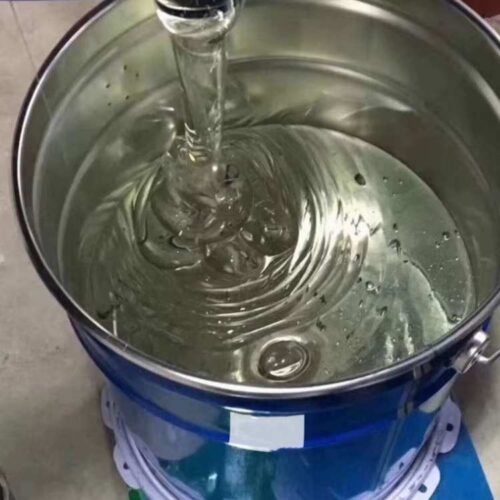
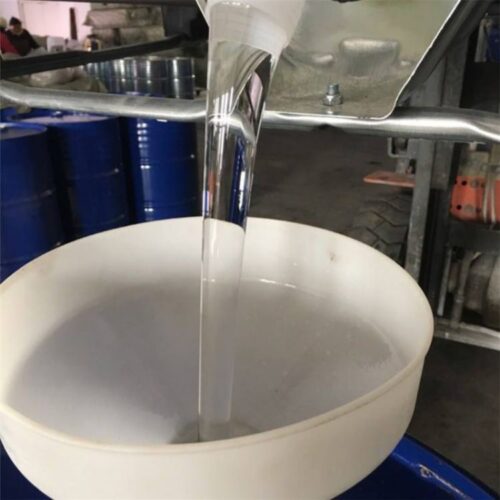
| 外觀 | 乳白色粘稠液體(乾燥後透明) |
| 固含量 | 45% – 50% |
| pH 值 | 7.5 – 8.5 |
| 黏度 | 80,000 – 100,000 cps (觸變性) |
| 網紗推薦 | 86 – 110 目 (34T – 43T),以實現最大塗層厚度 |
| 活化溫度(熱壓) | 150°C – 165°C (300°F – 330°F) |
| 熱壓時間與壓力 | 10 – 15 秒,中/重壓力 (4-6 Bar) |
| CAS 編號 | 9003-01-4 (聚丙烯酸基) / 7732-18-5 (水) |
| EINECS 編號 | 聚合物豁免 |
| HS 編碼 | 3506919090 (聚合物基粘合劑) |
| 認證 | OEKO-TEX Standard 100 (I 類), GOTS 6.0 認證, ZDHC 3 級, 100% 不含 PVC, 不含鄰苯二甲酸鹽, 不含甲醛。 |
| 包裝 | 5KG / 20KG / 25KG 帶氣密密封的塑料桶。 |
| 儲存 | 存放於陰涼乾燥的倉庫 (10°C – 30°C)。 冬季警告: 嚴防凍結!如果水性膠漿凍結,聚合物結構會被破壞,導致膠水失效。 保質期:12 個月(未開封)。 |
| 安全資訊 | 無毒、低氣味、不易燃。操作安全。使用後請用肥皂和水清洗雙手。(提供 MSDS)。 |
操作流程
燙金或植絨是一個兩步驟的過程,精確度是關鍵。
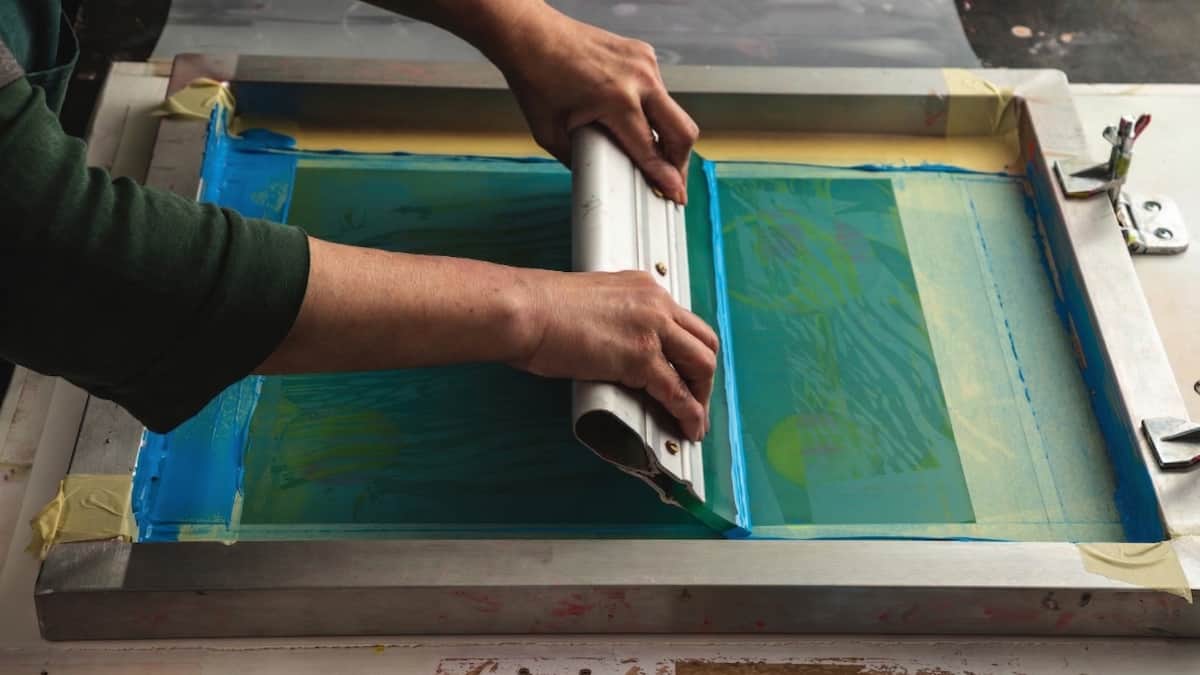
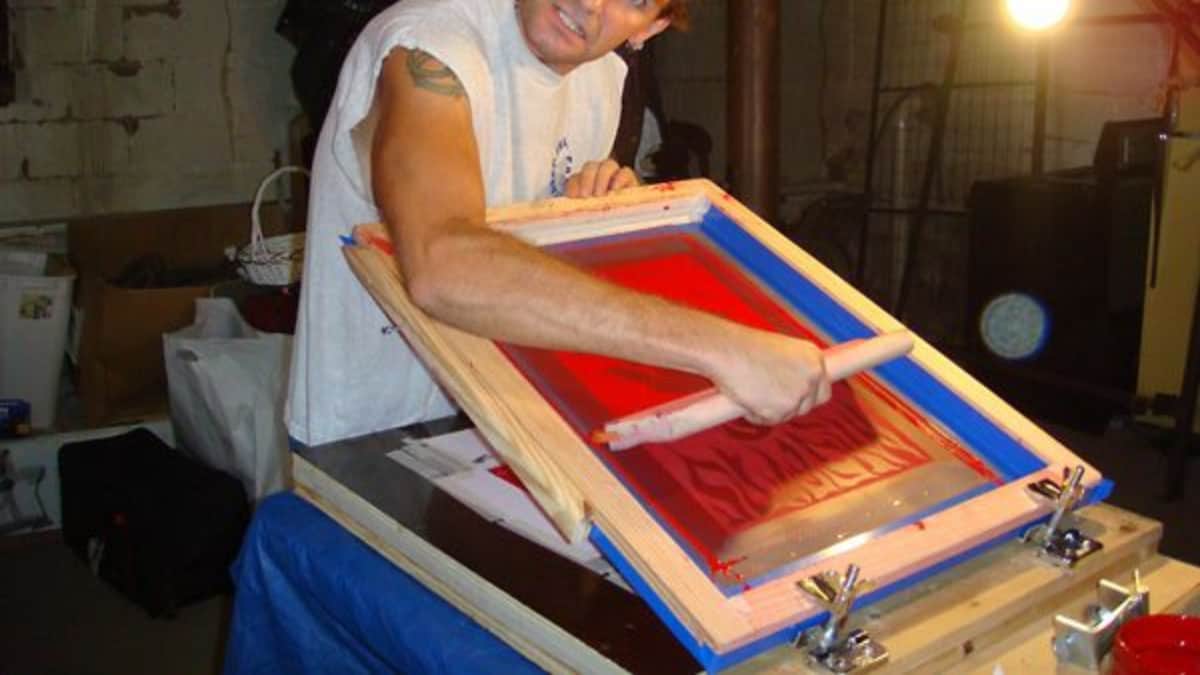
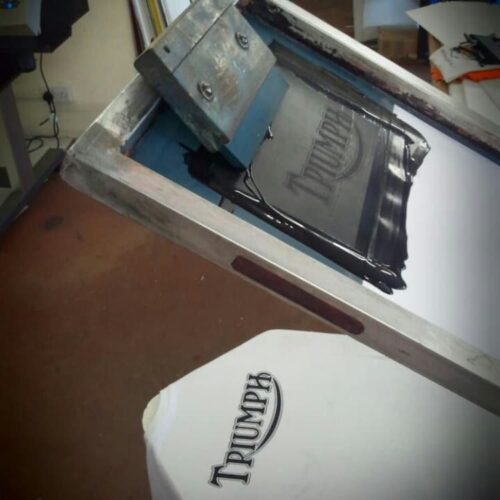
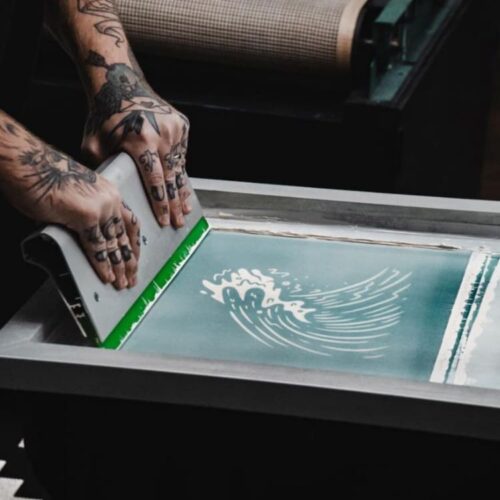
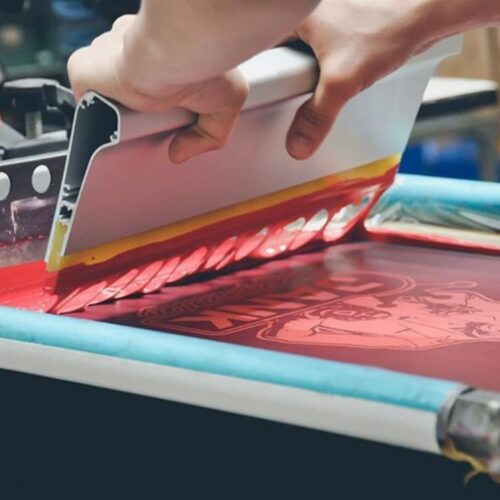
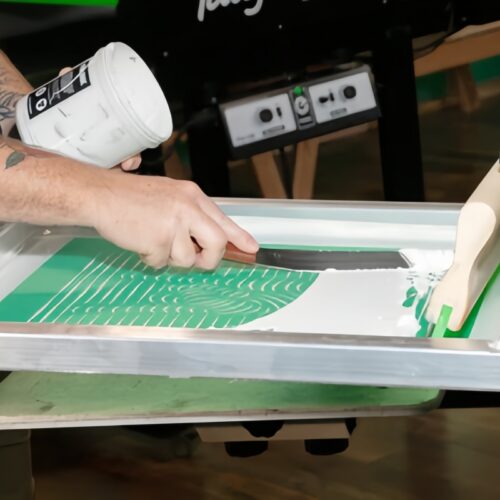
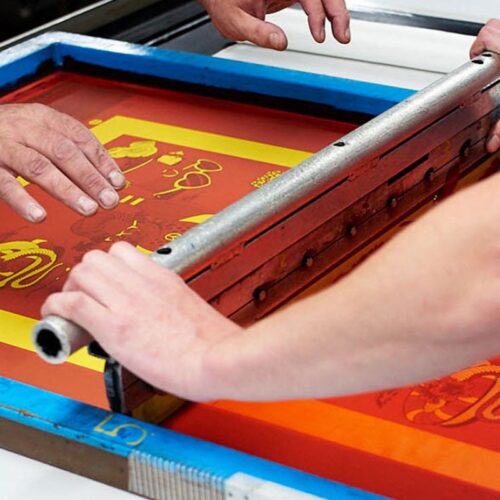
步驟 1:絲網印刷膠漿
網版設置: 使用低目數 (86-110 目 / 34-43T) 並配合厚乳膠層。你需要足夠厚的膠漿塗層,以便燙金/植絨能牢固附著。
印刷: 印刷 2 次。塗層應看起來呈乳白色且有立體感。
閃光: 將印刷好的膠漿進行閃烘,直至其 僅僅 表面乾燥(凝膠狀態)。 切勿過度烘乾! 如果你現在就在烘乾機中完全固化膠漿,它稍後將無法熔化並抓牢燙金箔。
步驟 2:熱壓(活化)
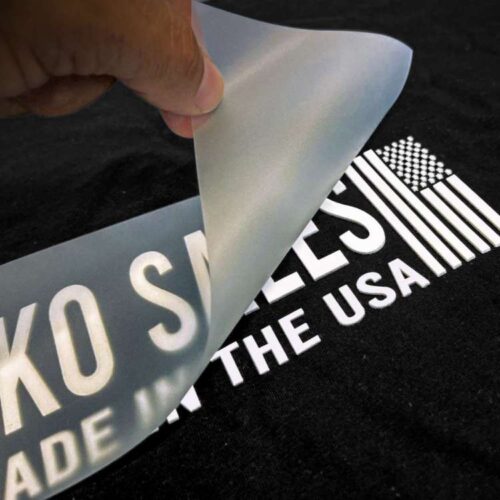
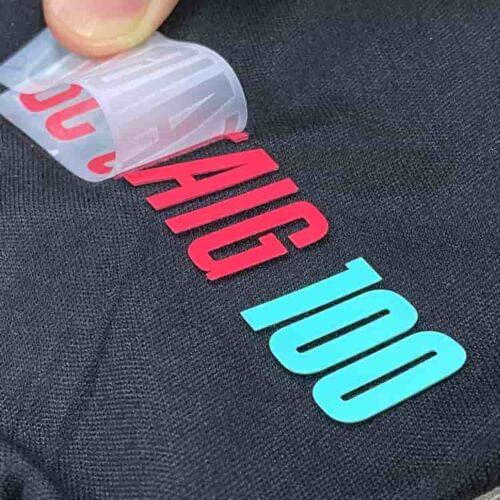
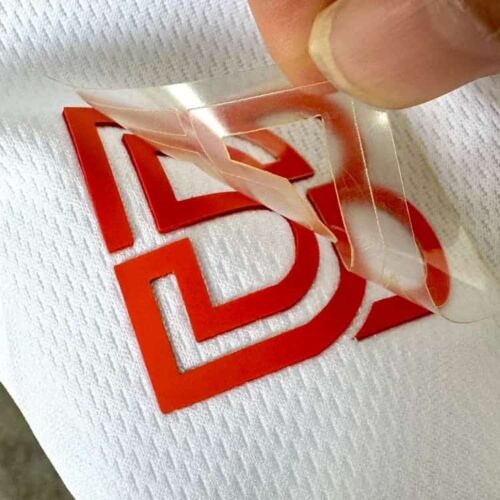
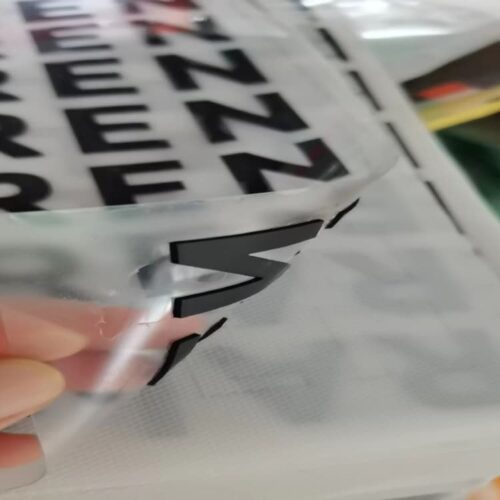
放置: 將金屬箔(彩色面向上)或植絨紙覆蓋在已印刷膠漿的區域上。
熱壓: 熱壓溫度為 150°C – 160°C (300°F – 320°F) ,時間為 10 到 15 秒 使用中等至高壓力。
撕離(關鍵步驟):
對於燙箔: 讓衣物完全冷卻。 僅限冷撕。 熱撕會導致燙箔從黏合劑上脫落。
對於植絨: 遵循製造商的說明(通常也是冷撕)。
應用與面料
專為需要二次熱壓工藝的特殊效果而設計。

100% 棉
實現深層纖維滲透,確保極致柔軟的觸感和最大透氣性,同時不影響布料的自然舒適度。

滌棉混紡
利用先進的丙烯酸交聯技術克服合成纖維的黏附難題,確保燙箔和植絨在多次洗滌後依然牢固。
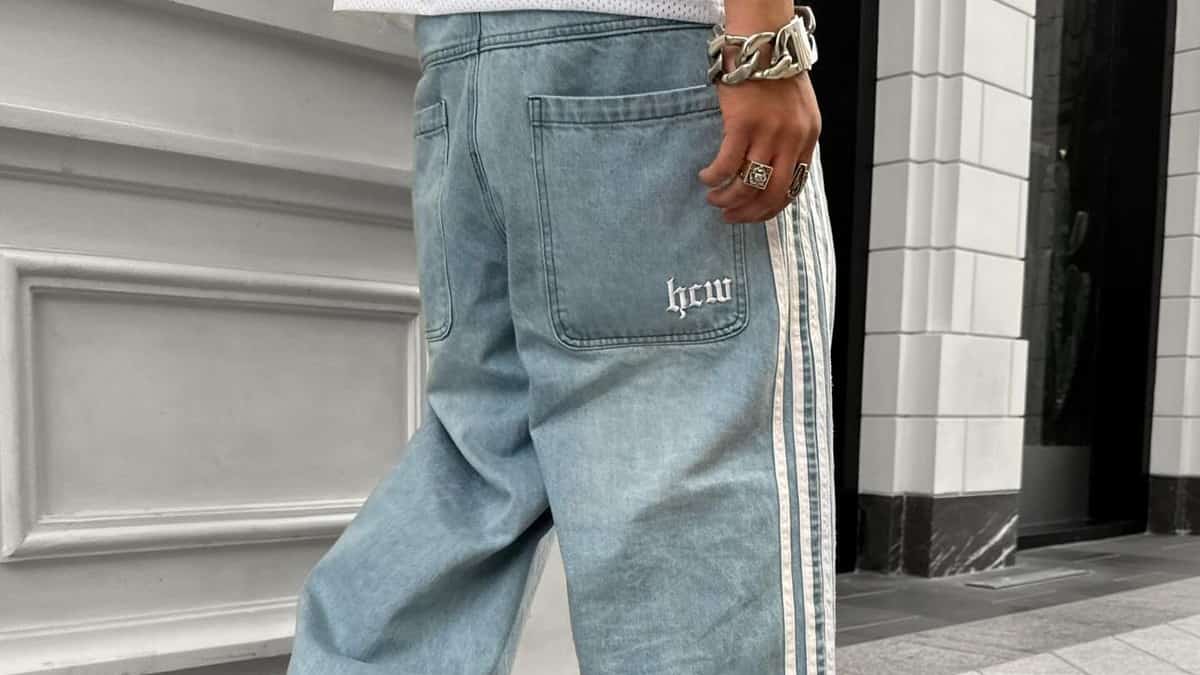
牛仔布
高黏度配方可平整粗糙紋理,為能承受工業洗滌的璀璨金屬燙箔提供平滑的黏合表面。
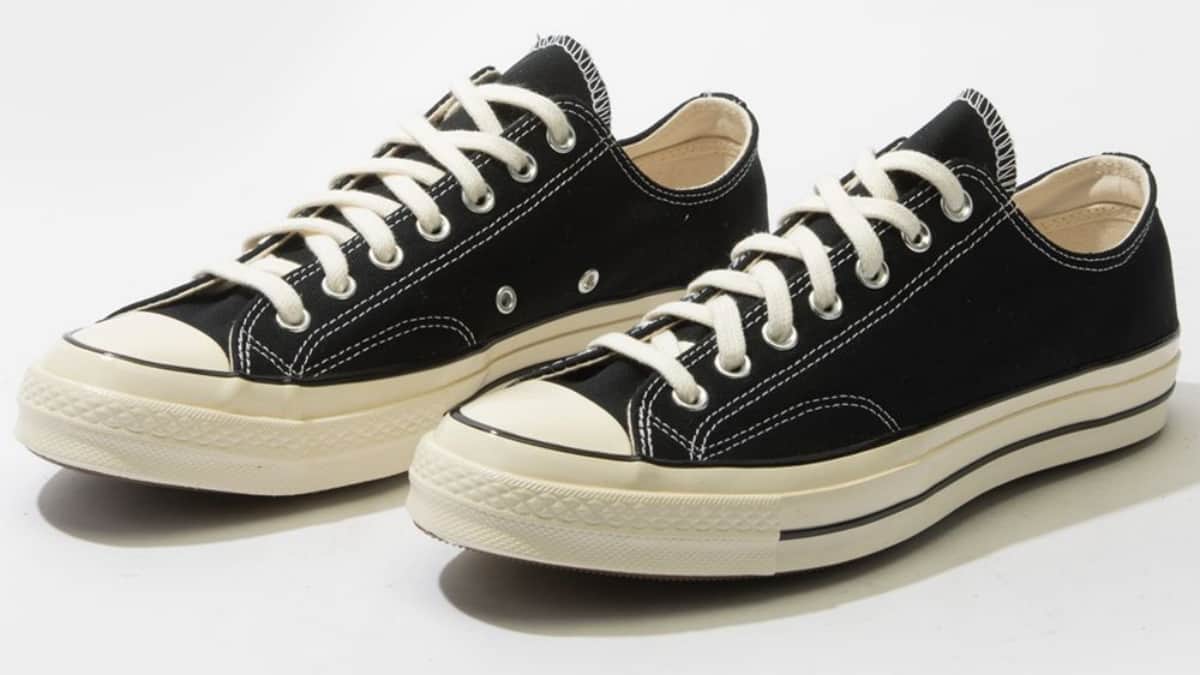
帆布
提供卓越的薄膜堆疊和機械抓力,確保在粗糙、高密度編織圖案上實現邊緣清晰且永久的黏合。
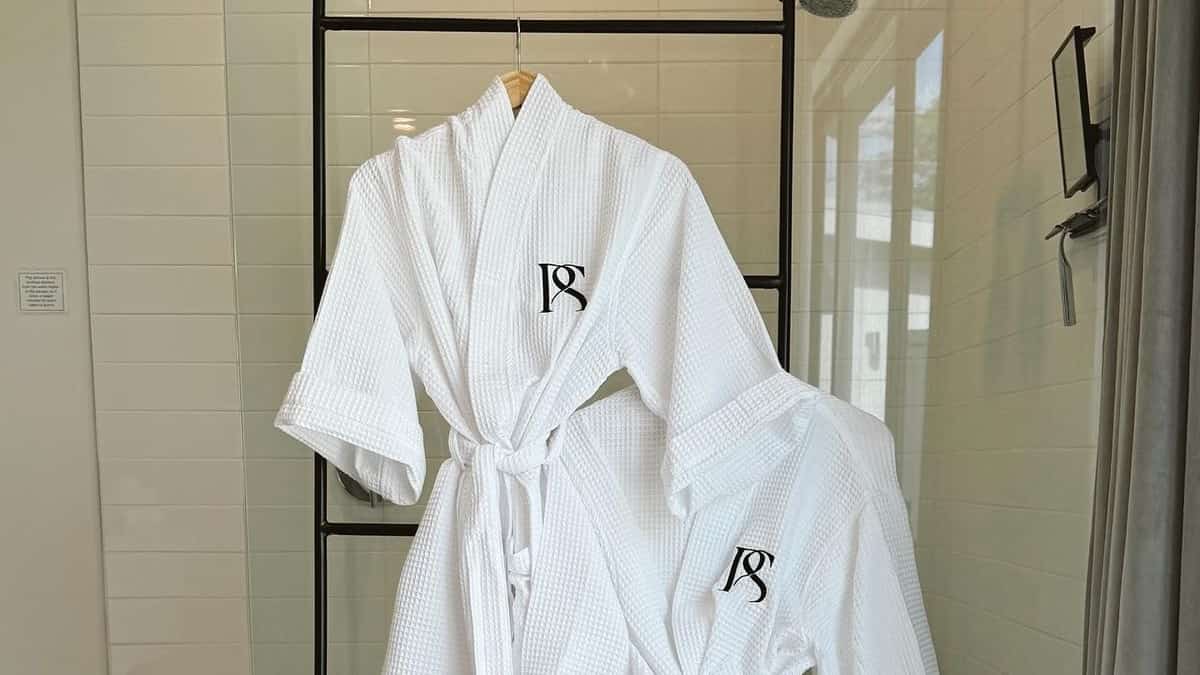
毛巾布
高固含量能有效平伏厚實的毛圈和表面絨毛,為大型燙箔轉移創造穩定、不僵硬的底層。
採購指南:痛點與解決方案
我們了解客戶的痛點和採購顧慮。
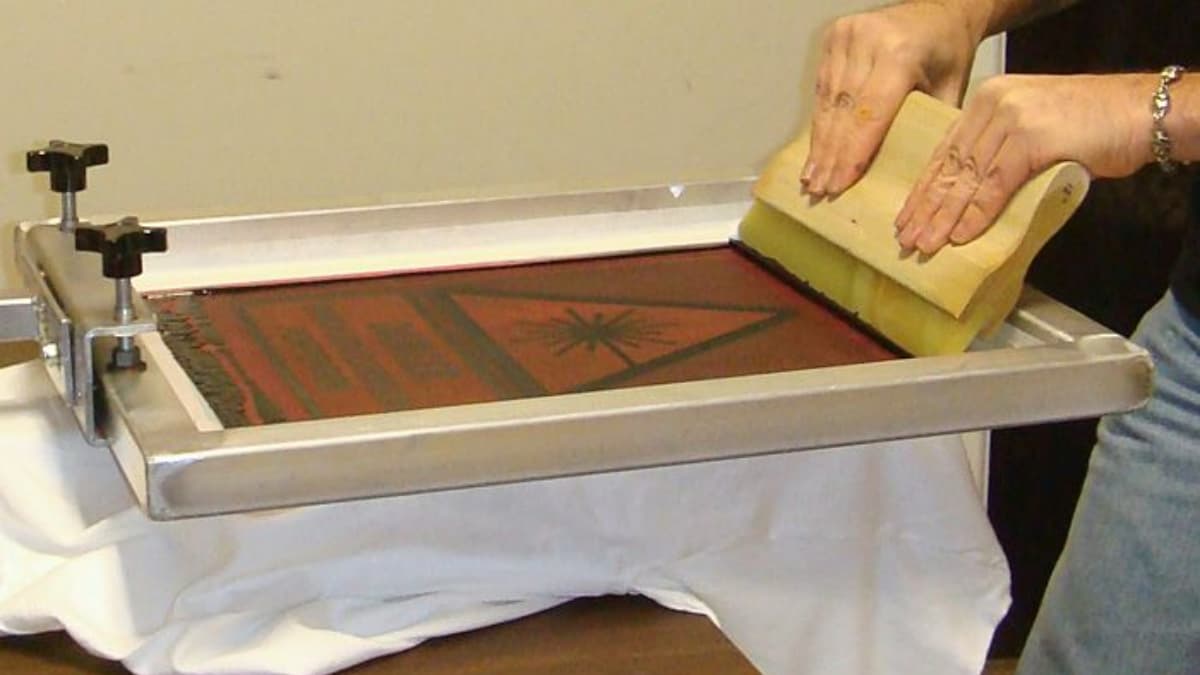
「我的燙箔看起來斑駁,沒有完全貼合。」
我們的解決方案: 這通常意味著您的黏合劑層太薄,或者在熱壓前已經乾燥。我們的黏合劑採用高黏度配方,確保它能保留在 布料纖維表面 上方,就像一個厚實的「黏合陷阱」,實現完美的燙箔轉移效果。
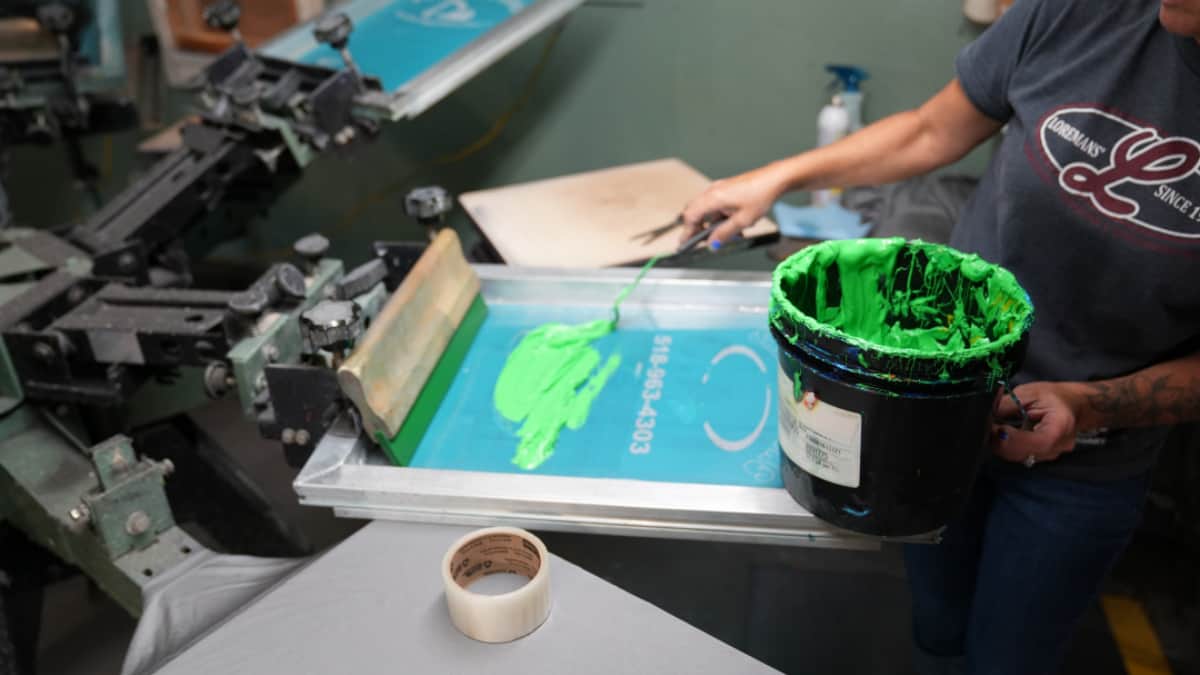
「黏合劑在午休時會變乾並堵塞網版。」
我們的解決方案: 我們設計的產品具有較長的開放時間。不過,如果放置時間較長,只需在網版上輕噴水霧即可恢復流動性。無需使用刺激性的洗網水。
對比:為什麼選擇我們的水性黏合劑?
| 特點 | 我們的水性黏合劑 | 膠漿黏合劑 (Plastisol) | 溶劑型膠水 |
| 環保資料 | ★★★★★(水溶性,零 PVC) | ★(含 PVC 和鄰苯二甲酸鹽) | ★(高 VOC,有毒氣體) |
| 手感 | 柔軟、靈活、透氣 | 厚實、橡膠感、笨重 | 僵硬、板結感 |
| 黏合強度 | 極佳(化學交聯) | 良好(物理熔融) | 極佳但較為強烈 |
| 清理 | 溫水和肥皂 | 化學溶劑 | 強效化學稀釋劑 |
客戶案例研究
客戶: 位於英國倫敦的高端街頭服飾品牌。
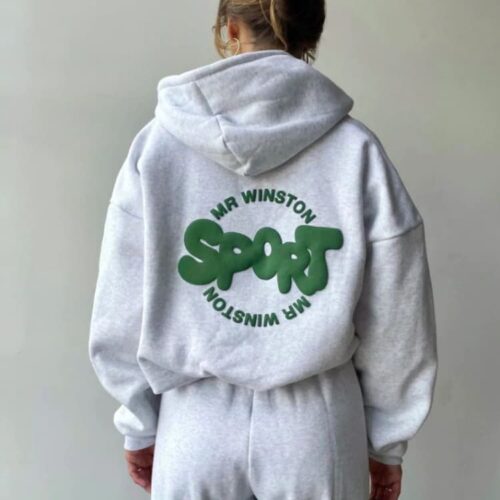
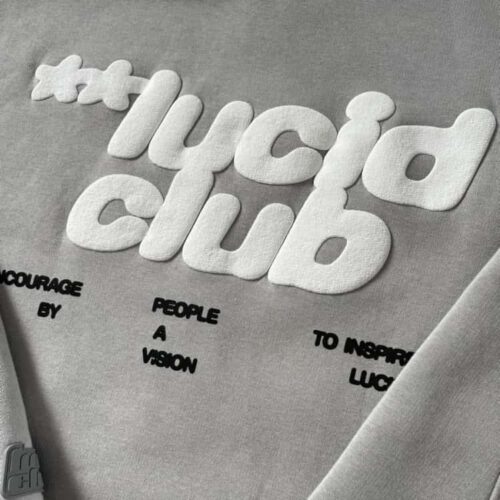
痛點: 他們設計了一款印有大型金屬質感金箔標誌的標誌性連帽衫。然而,他們之前使用的箔紙黏合劑(一種標準膠漿底料)在洗滌 3 次後就出現了開裂和剝落,導致退貨率高達 20%,並引發了客戶的不滿評論。
解決方案:
轉用我們的 水性燙金黏合劑 與 3% 的我們的 固色劑/交聯劑.
成果:
金箔在經過 25 次嚴格的洗滌循環後依然完好無損,沒有出現任何剝落。
印刷品的整體重量減輕,使厚磅棉質面料的垂墜感更加柔軟舒適。
退貨率降至零,優質的觸感也證明了提高零售價格的合理性。
常見問題 – 故障排除
問題 1:我需要向這種黏合劑中添加催化劑或硬化劑嗎?
答:對於標準棉質衣物,無需添加。然而,為了達到最佳的耐洗牢度(特別是在聚酯混紡面料或經常洗滌的衣物上),我們強烈建議添加 2-3% 的我們的 水性交聯劑(固色劑) 進行混合。注意:加入交聯劑後,其適用期為 8 小時。
問題 2:我可以將色漿混入黏合劑中嗎?
答:可以!在進行燙金印刷時,一個行業秘密是使用與箔紙顏色相匹配的色漿來調色(例如,為金箔添加少量黃色/金色色漿)。如果箔紙隨時間推移出現微裂紋,下方的匹配顏色可以完美遮蓋瑕疵。
問題 3:為什麼我的箔紙在熱壓後失去了光澤?
答:您可能壓燙溫度過高,或者在它還溫熱時就進行了撕離。超過 165°C 的熱壓溫度可能會使箔紙的金屬光澤變暗。請務必確保嚴格遵守 冷撕 以獲得最佳的光澤度。
問題 4:這可以用作板膠(台面黏合劑)嗎?
答:不可以。這是一種 可印刷的 黏合劑,專為將材料永久性地黏合到服裝上而設計。如果您需要將襯衫固定在印刷台板上的膠水,請參考我們的 水性板膠(液體黏合劑).
問題 5:在進行燙箔或植絨及熱壓之前,黏合劑應該乾燥到什麼程度?
答: 這是最關鍵的一步。你只需對印刷好的黏合劑進行閃乾,直到它達到 「凝膠」狀態——即觸摸表面感覺乾燥但尚未完全固化。如果你將其通過烘乾機並完全固化 之前 並進行熱壓,聚合物會過早交聯並失去黏性。當你最終進行熱壓時,金箔或植絨會直接洗掉。在約 100°C (212°F) 下閃乾幾秒鐘直到帶有黏性,然後再進行熱壓。
問題 6:為什麼我的植絨圖案看起來不均勻,或者洗滌後會掉纖維?
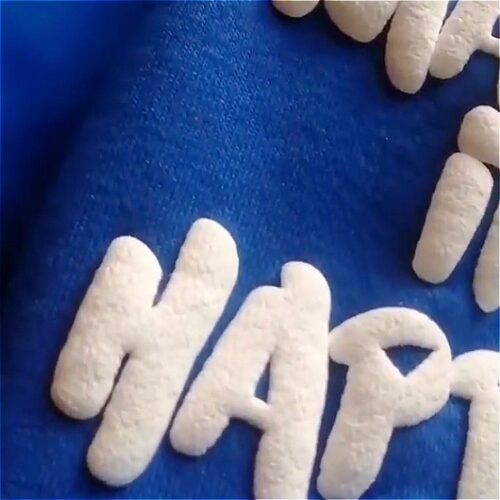
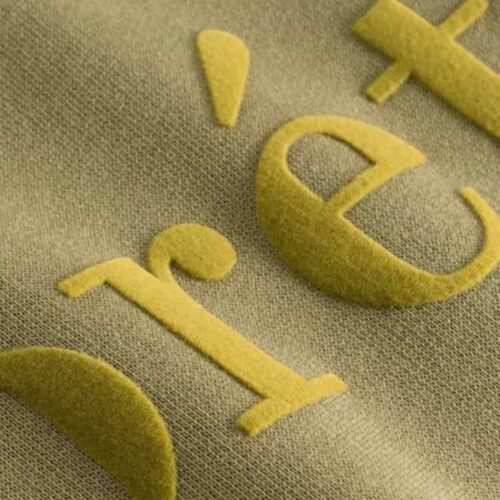
答: 植絨不均勻幾乎總是因為黏合劑塗層不足造成的。3D 植絨纖維需要一層厚厚的膠水「底座」來深層錨定並保持直立。為了改善這一點,請確保你使用的是 低目數絲網 (86-110 目 / 34T-43T) 並塗上厚感光膠模版 (高 EOM)。請進行厚塗(印-閃-印)以建立足夠的黏合劑層。此外,在最終熱壓後至少等待 24 到 48 小時,然後再進行任何洗滌測試,以確保化學鍵完全定型。
 English
 Deutsch (Sie)
 العربية
 বাংলা
বাংলা 香港中文
香港中文 Français
 Bahasa Indonesia
 Português do Brasil
 한국어
한국어 Tiếng Việt
 日本語
日本語 Polski
 Русский
 Türkçe
 ไทย
ไทย Español de México