-
عربة التسوق +86 13426858645
-
إغلاق درج عربة التسوق [email protected]
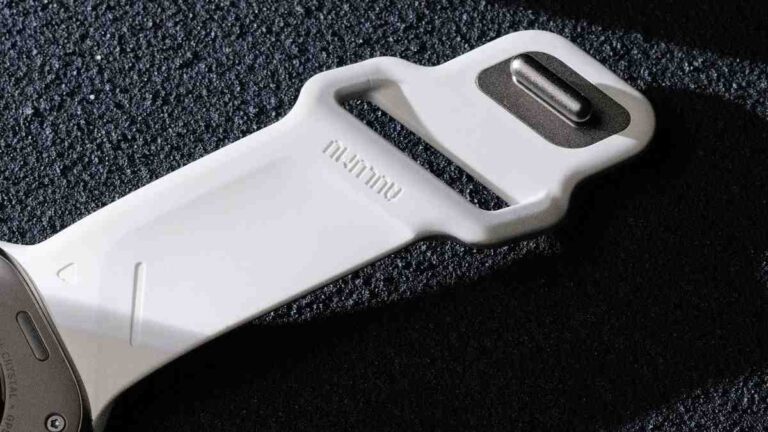
Permanent Adhesion on Silicone: The Manufacturer’s Guide to Skin-Safe Ink for Wearable Devices
 Bykelseyy

silicone has extremely low surface energy, standard inks only sit on top rather than bonding. If you skip cross-linking chemistry, peeling is guaranteed. That is where we come in. As a silicone ink manufacturer, we help you avoid those "scraped-off" disasters by ensuring your print becomes a permanent part of the device.
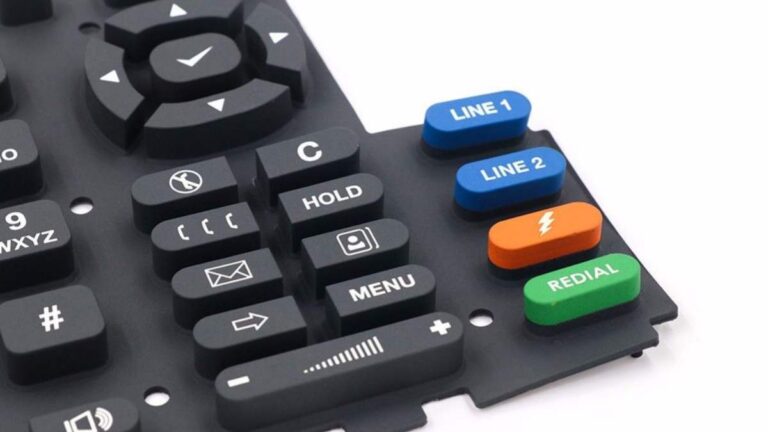
From Peeling to Permanent: The Engineer’s Guide to High-Abrasion Silicone Ink for Keypads
- Bykelseyy
To get a legend to stay on a rubber button for a million presses, you need a molecular handshake. Really, the only way to get that kind of stick is with a top-tier silicone ink.
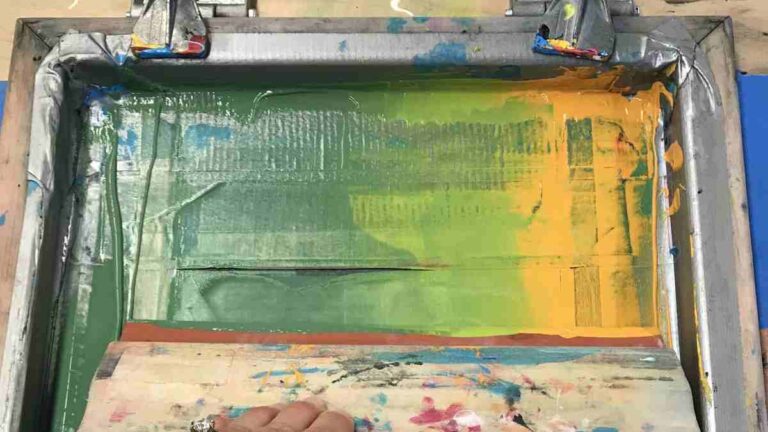
Mastering Silicone Ink for Silicone Rubber: How to Solve Adhesion Failures and Boost Print Durability
- Bykelseyy
Printing on silicone rubber isn't really painting—it's more like welding. You have to use a platinum-cured ink and heat to fuse the two materials chemically. Once that cross-linking locks in, it won't peel off, but getting it consistent takes the right chemistry and solid shop-floor experience.
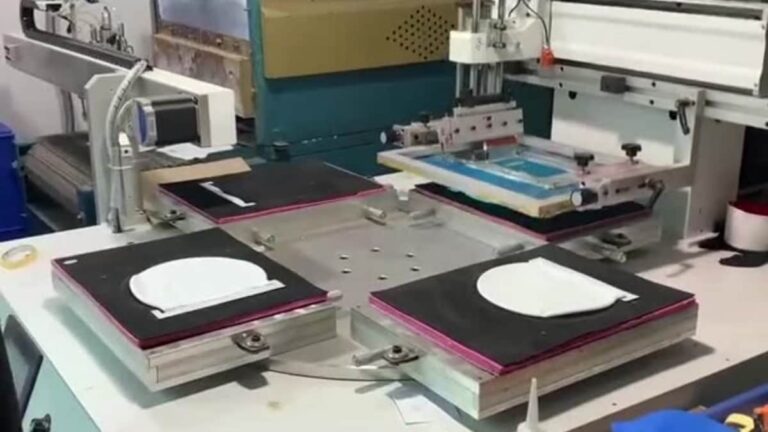
No More Peeling: High-Stretch, Chlorine-Resistant Silicone Ink for Swim Cap Manufacturers
- Bykelseyy
If you want a logo that actually survives a massive stretch without snapping, you've got to have a real chemical bond. This is exactly why specialized silicone ink products exist. They don't just sit on top of the cap; they basically melt into it, becoming part of the silicone itself.
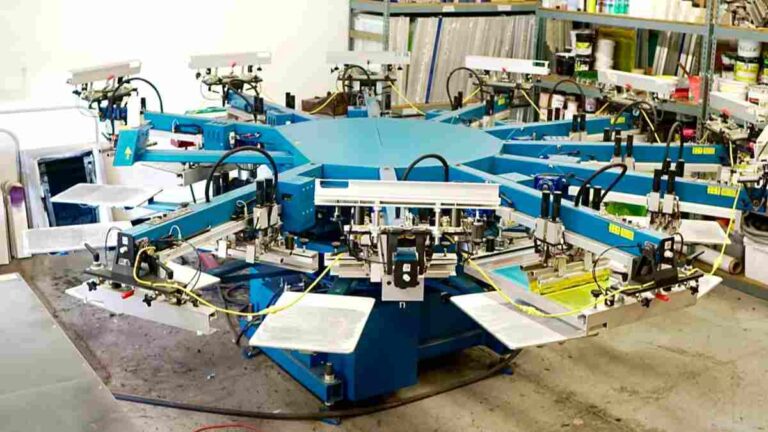
Eliminating Color Drift: The Technical Expert’s Guide to Silicone Ink Opacity and Pantone Accuracy in Mass Production
- Bykelseyy
when the color matching process is dialed in properly, we've seen scrap rates drop by as much as 20%. It’s the only reliable way to keep a brand’s identity rock-solid across every global factory you're running. Here’s how we handle the heavy lifting of color science at Sollyd.
 English
 Deutsch (Sie)
 العربية
 বাংলা
বাংলা 香港中文
香港中文 Français
 Bahasa Indonesia
 Português do Brasil
 한국어
한국어 Tiếng Việt
 日本語
日本語 Polski
 Русский
 Türkçe
 ไทย
ไทย Español de México