-
এখনই কল করুন +86 13426858645
-
কোনো প্রশ্ন আছে? [email protected]
Eliminating Color Drift: The Technical Expert’s Guide to Silicone Ink Opacity and Pantone Accuracy in Mass Production
when the color matching process is dialed in properly, we've seen scrap rates drop by as much as 20%. It’s the only reliable way to keep a brand’s identity rock-solid across every global factory you're running. Here’s how we handle the heavy lifting of color science at Sollyd.
 Bykelseyy

Table of Contents
I’ve spent years on factory floors watching production managers pull their hair out because a logo on a sports jersey looks “slightly off” under retail lights. Color drift kills margins. Actually, when you’re managing a high-volume line, “close enough” is a recipe for disaster. You really need that 10,000th print to be a perfect twin of the very first one.
Hitting that mark with silicone ink isn’t as simple as just stirring some paint. The reality is that it’s all about those tiny chemical and mechanical variables that most people on the shop floor tend to overlook. But in many cases, when the color matching process is dialed in properly, we’ve seen scrap rates drop by as much as 20%. It’s the only reliable way to keep a brand’s identity rock-solid across every global factory you’re running. Here’s how we handle the heavy lifting of color science at Sollyd.
Transparent vs Colored Silicone Ink: What Is the Difference?
The main difference comes down to light and fillers. Think of transparent silicone as a pure, clear liquid silicone resin. It’s got no “body” in terms of color, so light passes right through it. We use this mostly for high-gloss top coats or as a carrier for glitters and reflective beads.
Colored ink, however, is a different animal. It’s packed with silicone pigments designed to block out the fabric underneath. Clear bases give that glossy, wet look, but colored inks are built for opacity. You can’t just swap them—your final finish comes down to the resin-to-pigment ratio you’re running.
How Silicone Ink Color Systems Work
Actually, most silicone systems are RTV-2, meaning they use a base and a catalyst. The color isn’t just an additive; it’s part of the chemical matrix. When we mix colors in a textile silicone ink factory, we have to account for the “pot life.”
If your ink sits in the screen too long, the viscosity starts to climb. This changes how much ink passes through the mesh, which eventually shifts your color density mid-run. For mass production, you really have to monitor your mixing ratios—usually 10:1 or 100:2—and keep your batch sizes manageable to avoid this drift.
Pigments and Colorants Compatible with Silicone Ink
You’ll find that silicone is incredibly picky. It won’t bond with pigments used in water-based or plastisol systems. You must use specialized silicone pigments that are already suspended in a silicone carrier.
I’ve seen shops try to “cheat” with cheap colorants, and the result is always a mess. The ink usually stays tacky and never fully cures because the wrong pigments “poison” the platinum catalyst.
Transparent, Translucent and Opaque Silicone Printing
Depending on the design, you have three choices:
- Transparent: Best for clear anti-slip grips on socks or gloss finishes.
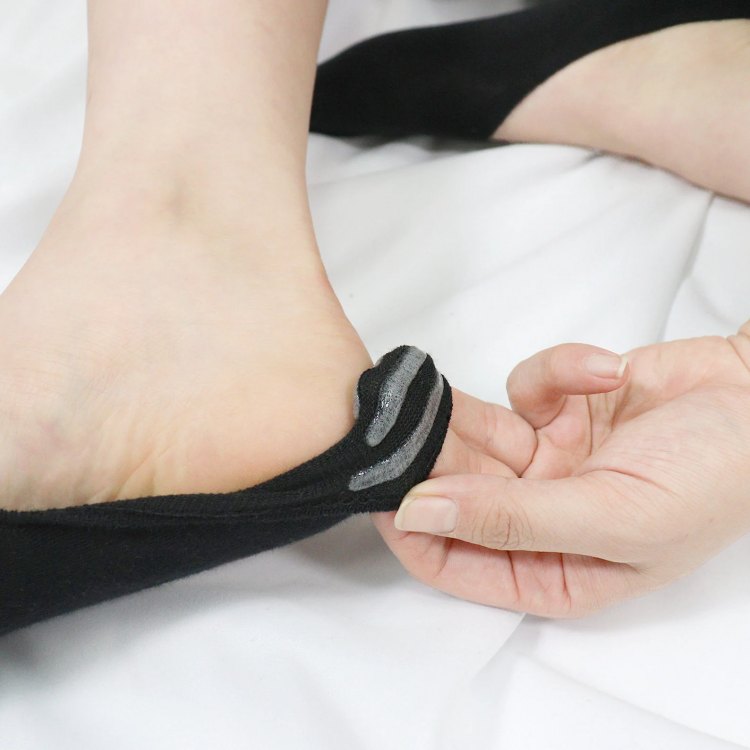
- Translucent: Great for “tonal” prints where the logo is just a shade darker than the fabric.
- Opaque: This is the standard for branding. It requires a heavy load of TiO2 (Titanium Dioxide) to ensure the fabric color doesn’t bleed through.
How to Improve Opacity on Dark Substrates
Printing white on black polyester is the ultimate test of any screen printing silicone ink manufacturer. If your white looks grey, your opacity is too low.
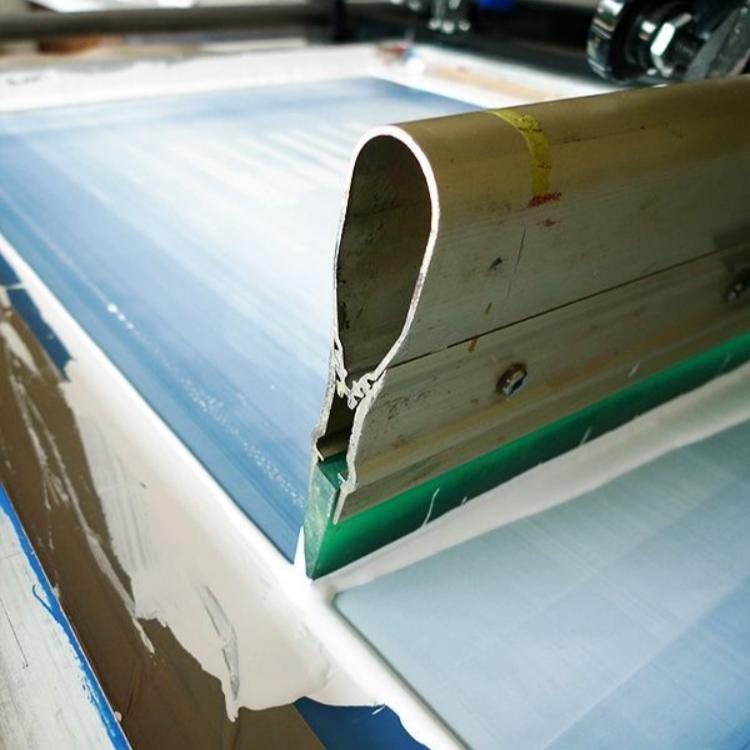
Best Practice: Don’t just keep adding more white pigment—that actually makes the ink harder to print. Instead, drop your mesh count to 80 or 110. This lets a thicker film of ink sit on the surface. You’ll find that one thick layer of high-solid ink is much more opaque than three thin layers of over-pigmented ink.
White Base and Underbase Requirements
For high-volume manufacturing, your underbase is your foundation. If you’re working with “migrating” fabrics like sublimated jerseys, you need an anti-migration silicone ink as your first layer.
This acts as a chemical “wall” that stops the fabric dye from gassing out and turning your white logo pink. Flash cure this underbase at 100°C–120°C until it’s just dry to the touch before you lay down your Pantone colors.
Pantone and Custom Color Matching for Silicone Ink
We don’t do “eye-balling” at Sollyd. For large-scale production, we follow a rigorous validation path:
- লক্ষ্য: We start with a Pantone C or TCX code.
- Lab Dip: We mix a small batch using a 0.01g precision scale.
- Substrate Check: We print on the actual production fabric provided by the client.
- Spectrophotometer Test: We measure the ΔE. If it’s over 1.5, we go back to the drawing board.
- Master Sample: Once approved, this becomes the “Golden Sample” for the entire production run.
How Substrate Color Affects the Final Printed Color
The fabric color always fights against your ink. If you print a yellow high density silicone ink directly onto a blue shirt without an underbase, the final result will look green. It’s basic color subtraction.
Not all white shirts are the same shade. Cool whites make your print pop, but warmer whites can dull the colors. Always run a test print on the exact batch you’re using.
Controlling Color Difference and ΔE in Mass Production
ΔE is the math behind color variance. In most top-tier athletic brands, they demand a ΔE < 1.0.
To stay in that “green zone,” you have to control your shop environment. If your factory gets too hot, the ink gets thinner, and your color density drops. We recommend keeping the print room at a steady temperature and using automated squeegee pressure whenever possible.
Batch-to-Batch Color Consistency
Maintaining consistency across six months of production is hard. That’s why we use “Traceability” with every bucket. We track the specific lot of raw materials used in every batch of silicone ink.
The Tip: When you switch to a new bucket mid-shift, do a “draw-down” on a piece of white cardstock. Compare it to the previous batch under a D65 light box. If you see a shift, stop and adjust before it hits the garment.
How Curing Conditions Affect Silicone Ink Color
Heat is a double-edged sword. If you “over-bake” the ink at 160°C+, you’ll actually scorch the pigments. I’ve seen vibrant reds turn a dull brick-brown because the dryer was running too hot.
Most silicone cures perfectly at 120°C for 2 to 3 minutes. Check your conveyor belt speed regularly. If the belt slows down, the “heat soak” increases, and your color will shift.
Preventing Yellowing, Color Shift and Pigment Migration
Yellowing is usually a sign of “catalyst overdose” or environmental pollutants in the warehouse. Pigment migration, however, is a fabric issue. If you aren’t using a dedicated anti-migration silicone ink, the polyester dyes will eventually migrate into the silicone, usually within 48 hours of curing. Always do a “heat press test” on new fabric batches to check for bleed.
Color Testing and Quality Control for Large Production Runs
Our QC at Sollyd isn’t just a visual check. For mass production, we perform:
- The Wash Test: 50 industrial cycles to ensure no fading.
- The Crock Test: Rubbing the print with a white cloth to ensure the pigment is locked in.
- The Stretch Test: Pulling the fabric to 200% to ensure the color doesn’t “thin out” or show the underbase.
How Manufacturers Specify Custom Silicone Ink Colors
When you’re ready to scale up, don’t just send us a photo of a color. To get it right the first time, we need:
- The Pantone Code.
- A 1-yard sample of the production fabric.
- The curing equipment specs (e.g., Gas vs. Electric dryer).
- Any required certifications (like OEKO-TEX or ZDHC).
সচরাচর জিজ্ঞাসিত প্রশ্নাবলী (FAQ)
Q: Is your silicone ink environmentally safe for global apparel brands?
উ: Our liquid silicone is completely phthalate-free and PVC-free. It meets OEKO-TEX Standard 100, which is exactly what big retailers look for when auditing sustainability.
Q: How do we keep colors the same across different global factories?
উ: We use a centralized masterbatch system. By providing the exact same pigment concentrates to every factory and using a standardized TDS (Technical Data Sheet), you can ensure a logo printed in Asia matches one printed in Europe perfectly.
Q: Why does my white ink look yellow after a week in storage?
উ: This is often “gas fading.” If the garments are stored in poly bags that contain BHT (butylated hydroxytoluene), it can react with the silicone and turn it yellow. Always check your packaging materials for BHT-free compliance.
Q: Can we achieve high-visibility or metallic colors?
উ: Yes, but they require a different setup. For reflective silicone ink, the beads are pre-mixed to ensure the reflectivity stays consistent. For metallics, we recommend a “print-and-foil” method for the best shine.
Q: Will silicone ink shift in color after curing?
উ: Slightly. Wet ink usually appears a bit darker than the cured matte finish. That’s why we always evaluate and match colors based on the cured print.


 English
 Deutsch (Sie)
 العربية
 বাংলা
বাংলা 香港中文
香港中文 Français
 Bahasa Indonesia
 Português do Brasil
 한국어
한국어 Tiếng Việt
 日本語
日本語 Polski
 Русский
 Türkçe
 ไทย
ไทย Español de México