-
Zadzwoń teraz +86 13426858645
-
Masz pytania? [email protected]
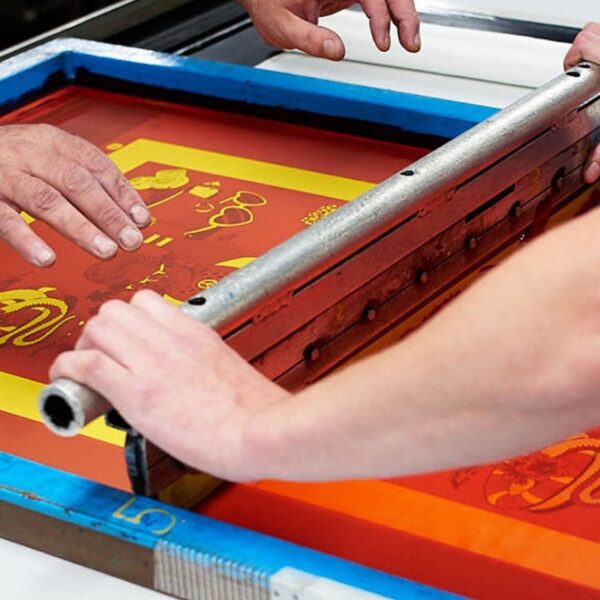
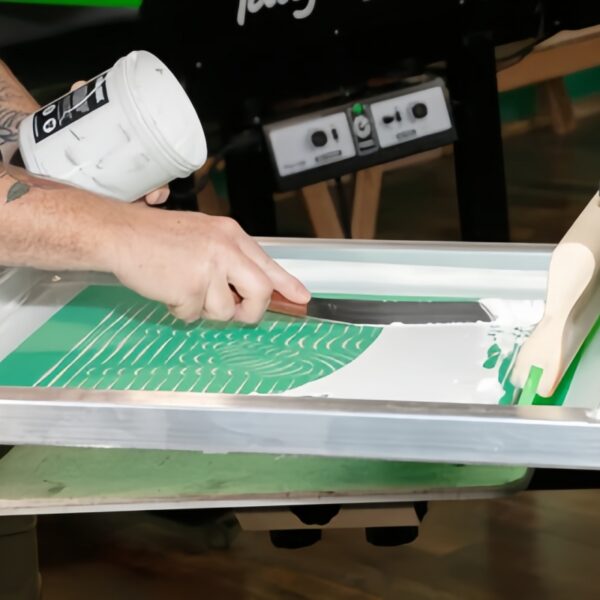
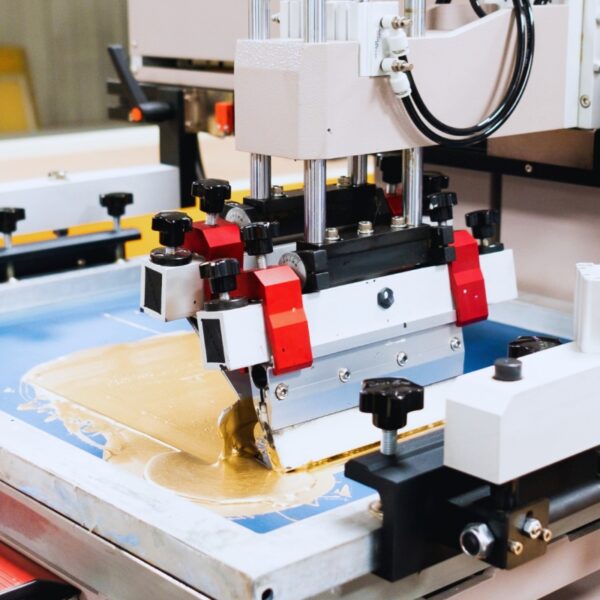
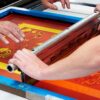
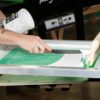
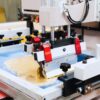
Wysokiej jakości tusz plastizolowy bez ftalanów | Wysoka nieprzezroczystość i miękkość
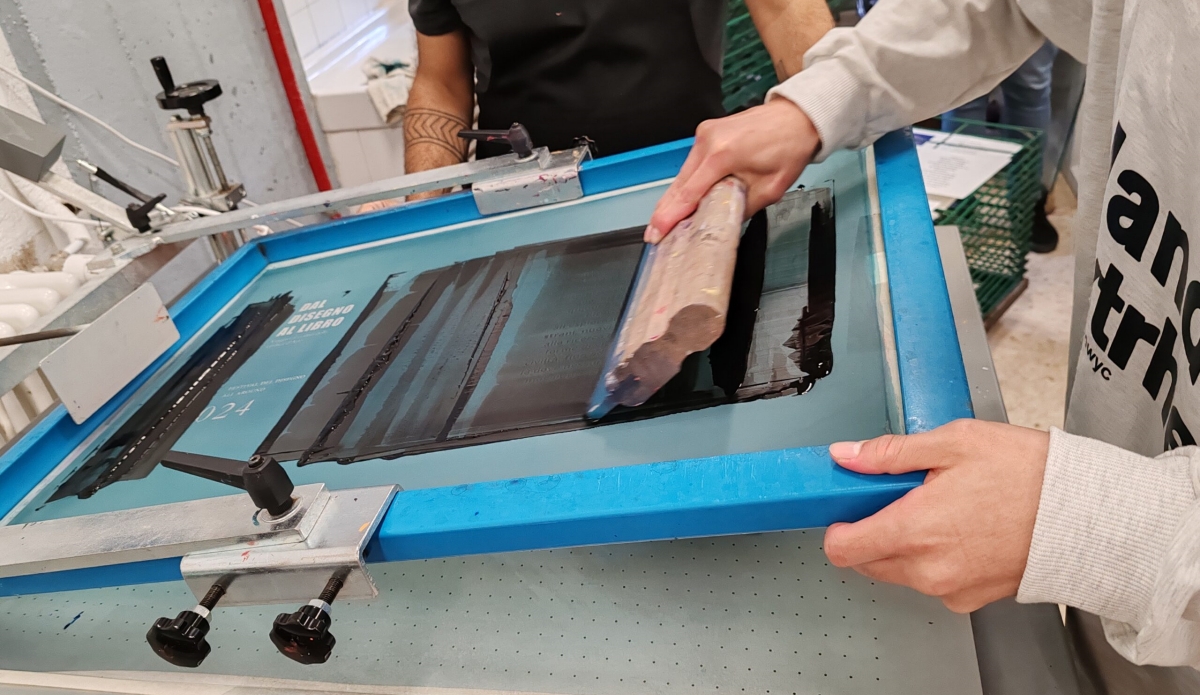
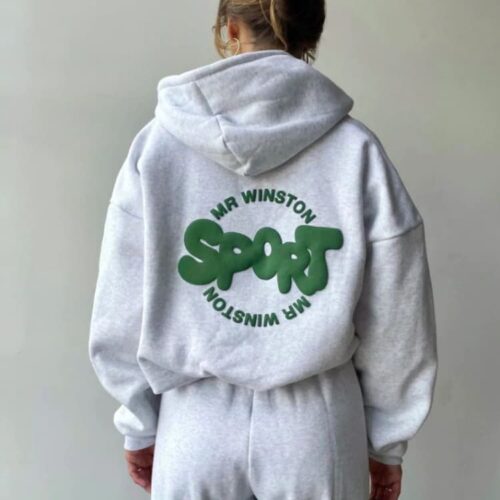
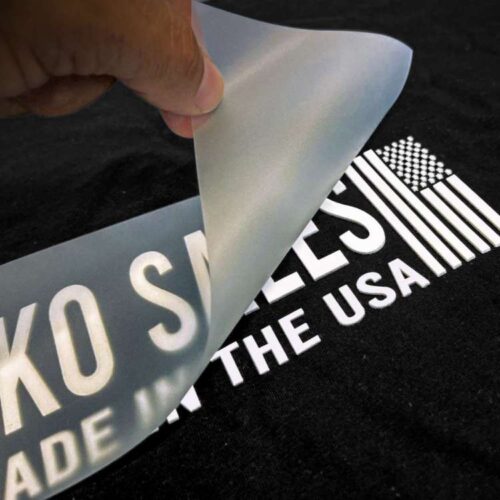
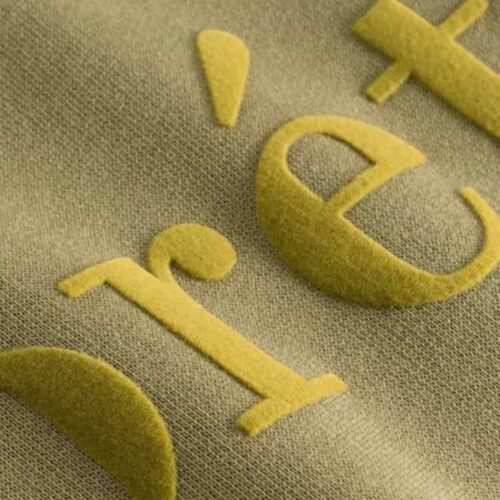
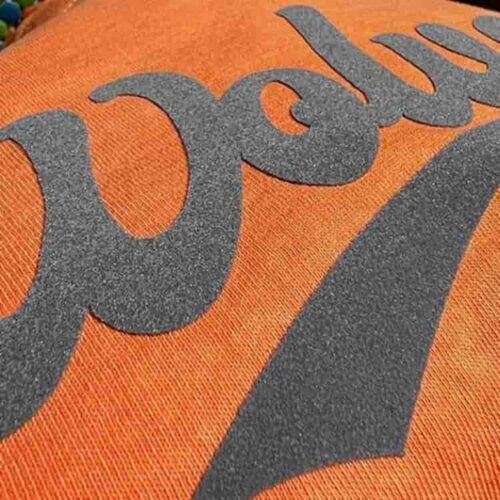
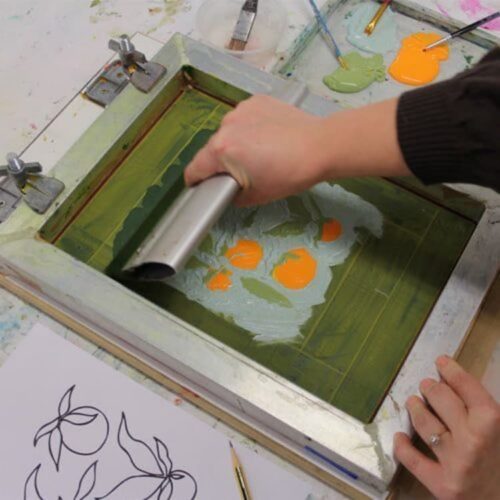
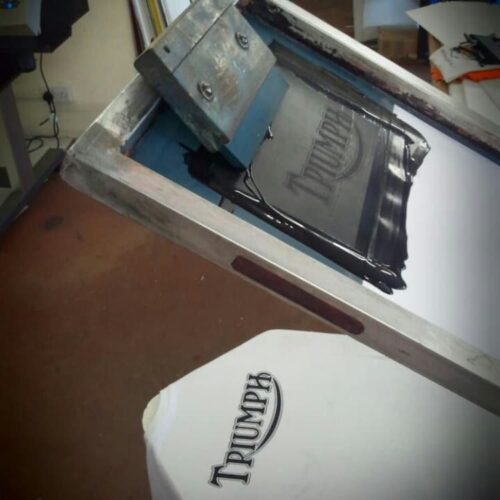
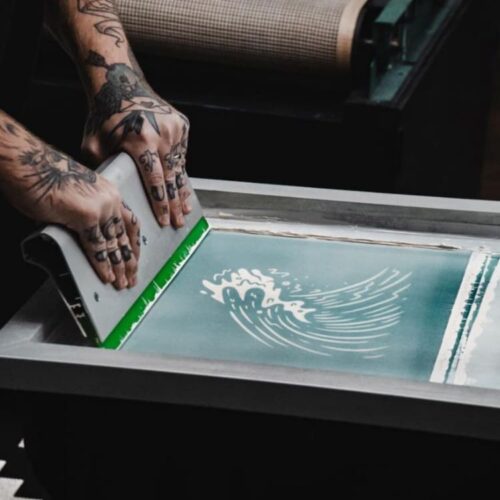
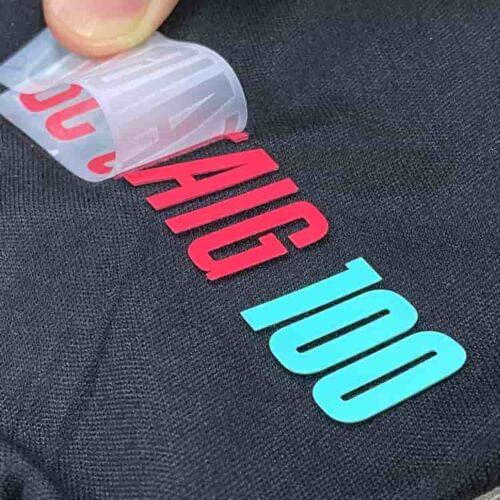
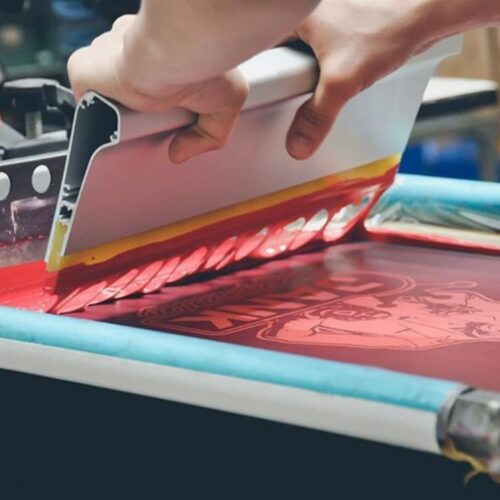
Profesjonalny standard w sitodruku na tekstyliach. Nasza farba Premium Plastisol zapewnia żywe kolory, doskonałe krycie i praktyczną formułę „mokre na mokre”, która nie zasycha na sicie. Zaprojektowana do szybkiej produkcji na bawełnie, poliestrze i mieszankach. Zgodna z wymogami ochrony środowiska (certyfikaty REACH i CPSIA).
Szybkość produkcji: Próbki w 5-7 dni; Dostawa masowa w 15-20 dni.
Minimalne zamówienie: Elastyczny start od 10 kg.
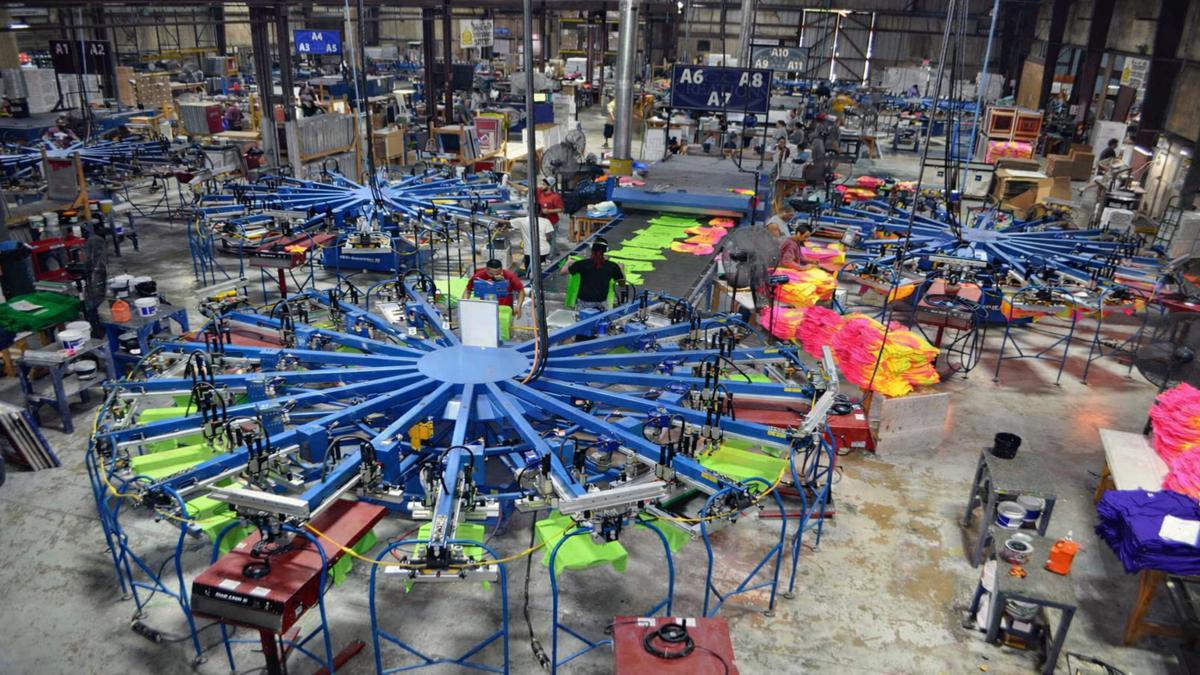
Zaprojektowana do produkcji odzieży na dużą skalę
Zapewnij żywe kolory i niesamowitą trwałość prania bez wysiłku. Idealna do szybkich pras automatycznych, nasza kremowa formuła „mokre na mokre” nigdy nie zasycha na sicie, zapewniając płynną produkcję przez cały dzień.
Doskonałe krycie: Genialne kolory o wysokim stopniu krycia nawet na ciemnej odzieży.
Najwyższa wszechstronność: Idealna do 100% bawełny, poliestru i mieszanek niestandardowych.
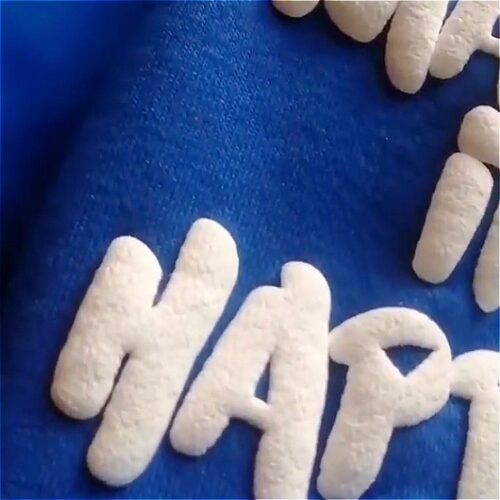
Bezpieczna dla środowiska i zgodna z normami: W 100% wolna od ftalanów, w pełni certyfikowana zgodnie z REACH i CPSIA. Zapewnia miękkie matowe wykończenie i niezrównaną trwałość w praniu.
Skontaktuj się z nami w sprawie cen hurtowych lub niestandardowego dopasowania kolorów do Twojego sklepu.
Kluczowe funkcje i wydajność
Dowiedz się, jak nasze wysokiej jakości farby plastizolowe oszczędzają Twój czas na prasie, zapewniając jednocześnie żywe, odporne na pranie rezultaty.
Pozostaje gotowa do użycia przez cały dzień
Zmaksymalizuj swój czas produkcji. Pozostaje zdatna do użycia w nieskończoność i utwardza się tylko pod wpływem ciepła, eliminując straty i przestoje.
Wysokie krycie i pokrycie
Opracowana, aby wyróżniać się na ciemnych tkaninach. Nawet nasza standardowa biel oferuje doskonałe pokrycie na czarnej bawełnie bez konieczności stosowania wielu warstw błyskowych.
Kremowa konsystencja (gotowa do użycia)
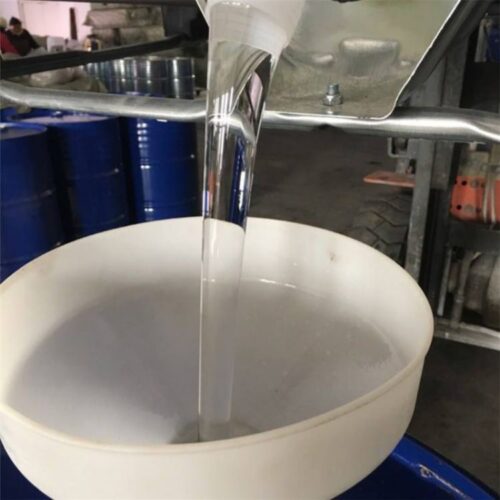
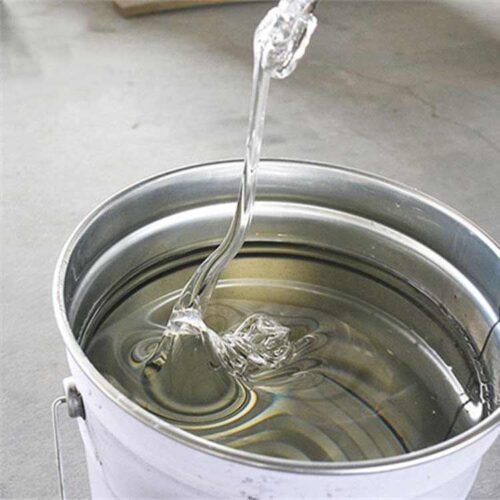
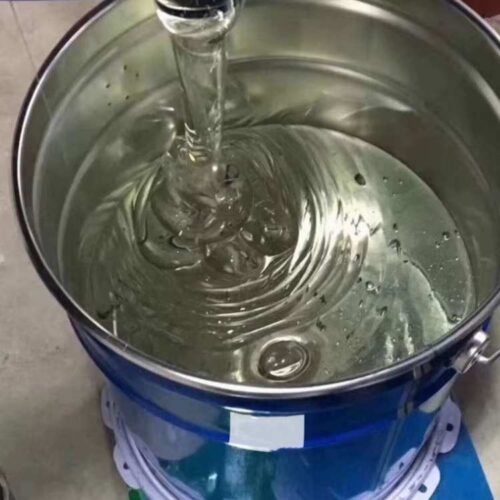
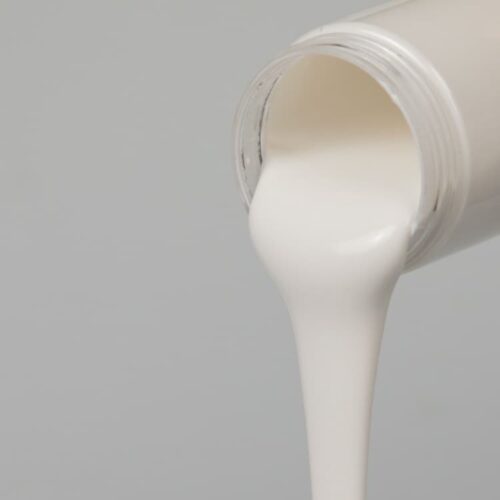
Wstępnie wymieszana i odpowietrzona. Nie ma potrzeby ciągłego mieszania lub dodawania rozcieńczalników. Płynie gładko przez gęste siatki od razu po wyjęciu z wiadra.
Technologia niskiej migracji
Zawiera środki blokujące migrację barwnika (sublimację) na mieszankach poliestrowych, dzięki czemu biały tusz pozostaje biały, nie stając się różowym ani szarym.
Specyfikacje techniczne, dane, bezpieczeństwo, przechowywanie i zgodność
| Cechy | Szczegóły |
| Typ produktu | Farba termoplastyczna na bazie PVC (bez ftalanów) / Farba bez PVC |
| Stan fizyczny | Pasta koloryzująca o wysokiej lepkości |
| Temperatura utwardzania | 160°C (320°F) przez 60-90 sekund |
| Temperatura utwardzania błyskowego | 105°C – 120°C (220°F – 250°F) |
| Kompatybilność z siatką | 43T – 120T (110 – 305 US Mesh) |
| Twardość rakla | Zalecana twardość 65/90/65 lub średnia (70) w skali Shore'a |
| Czyszczenie | Zmywacz do farb, płyn do mycia maszyn lub spirytus mineralny |
| Kod HS | 3215.19.00 (Farba drukarska, inna) |
| Nr CAS (żywica bazowa) | 9002-86-2 (Polichlorek winylu) zmieszany z zastrzeżonymi plastyfikatorami bez ftalanów |
| Branding wewnętrzny | Dostępna opcja nadruku na taśmie szwowej |
| Warunki płatności | Przelew bankowy TT, akredytywa (L/C) płatna na żądanie, Western Union |
| Minimalna ilość zamówienia (MOQ) | 100 sztuk na wzór/wersję kolorystyczną |
| Czas realizacji próbki | 5-7 dni po zatwierdzeniu projektu |
| Czas realizacji zamówienia masowego | 15-25 dni (dostępne opcje przyspieszone) |
| Certyfikaty | Zgodność z CPSIA, REACH, OEKO-TEX |
| Pakowanie | 1 kg / 5 kg / 20 kg (wiaderka plastikowe), dostępne zestawy próbne |
Instrukcja obsługi farb plastizolowych
Kompleksowe, krok po kroku przedstawione zestawienie kluczowych parametrów druku dla uzyskania nieskazitelnych, trwałych i odpornych na pranie rezultatów.
1. Przygotowanie (Mieszanie)
Ścinanie to podstawa: Plastizol jest tiksotropowy (ma tzw. fałszywą lepkość). W wiaderku może wydawać się sztywny. Nie dodawaj rozcieńczalnika od razu.
Działanie: Mieszaj energicznie szpatułką lub mieszadłem mechanicznym przez 1-2 minuty. Tarcie obniży lepkość, czyniąc farbę kremową i zdatną do druku.
2. Parametry druku (Siatka)
Biały poddruk: 43T – 55T (110 – 140 mesh). Kolory wierzchnie: 61T – 90T (156 – 230 mesh) dla uzyskania miękkiego chwytu. Rakiel: Zalecana twardość 70 (średnia) lub 65/90/65 (potrójna) dla ostrych krawędzi i cienkiej warstwy farby. Napięcie: Zapewnij wysokie napięcie siatki (>20 niutonów) dla czystego oderwania (snap-off).
3. Podsuszenie (Wet-on-Wet)
Aby zwiększyć grubość lub drukować kolory na białym poddruku, użyj suszarki typu IR Flash.
Cel: Rozgrzej powierzchnię farby do 105°C (220°F) przez 3-5 sekund.
Kontrola: Farba powinna być sucha w dotyku (lepka, ale bez przenoszenia farby na palec). Nie przegrzewaj ponieważ przyczepność międzywarstwowa ulegnie pogorszeniu.
4. Finalne utwardzanie (Fuzja)
Kluczowe: Cała warstwa farby musi osiągnąć 160°C (320°F) przez co najmniej 60 sekund.
Uwaga: W przeciwieństwie do silikonu (który może utwardzać się w niższej temperaturze lub wolniej), plastizol wymaga tej konkretnej temperatury, aby stopić żywicę PVC. Niedostateczne utwardzenie powoduje pękanie podczas prania.
Perfekcyjne nadruki na każdej tkaninie
Zapoznaj się z naszym przewodnikiem kompatybilności tkanin, aby za każdym razem uzyskiwać doskonałe rezultaty sitodruku.
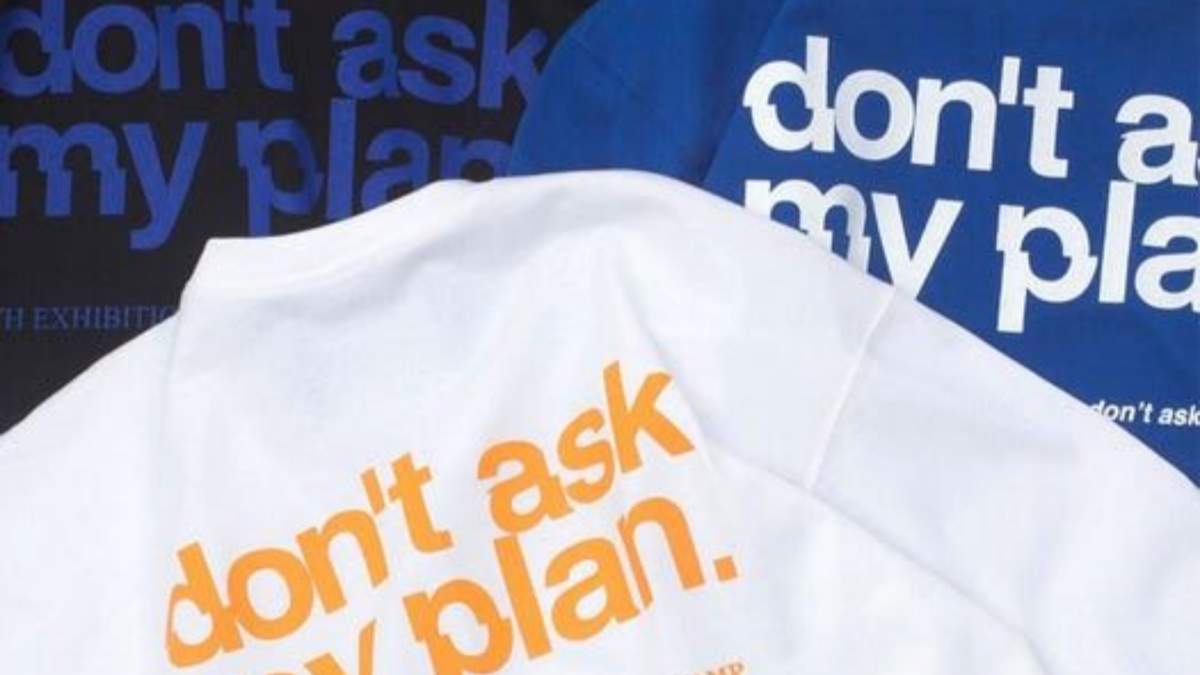
Mieszanki bawełny i poliestru
Wysoka kompatybilność, zapewniająca doskonałe i żywe rezultaty nadruku bezpośrednio na tkaninach mieszanych.
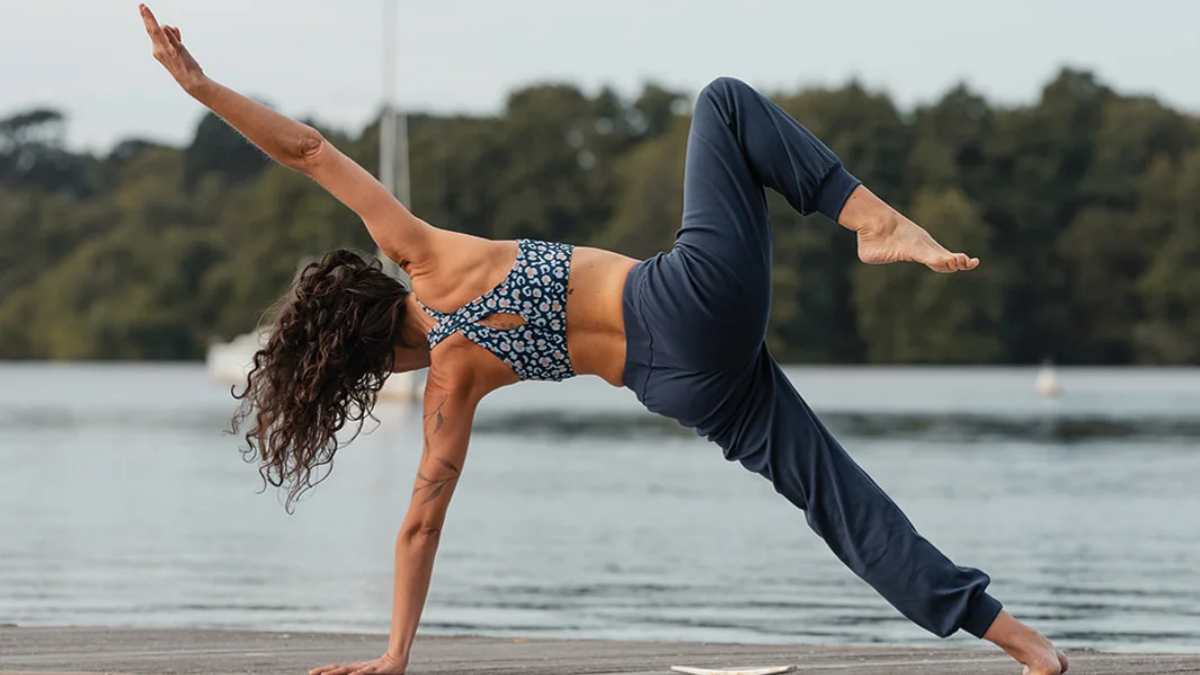
Spandex/Lycra/Odzież sportowa
Wystarczy dodać dodatek zwiększający elastyczność, aby nadruki nie pękały podczas ruchu.
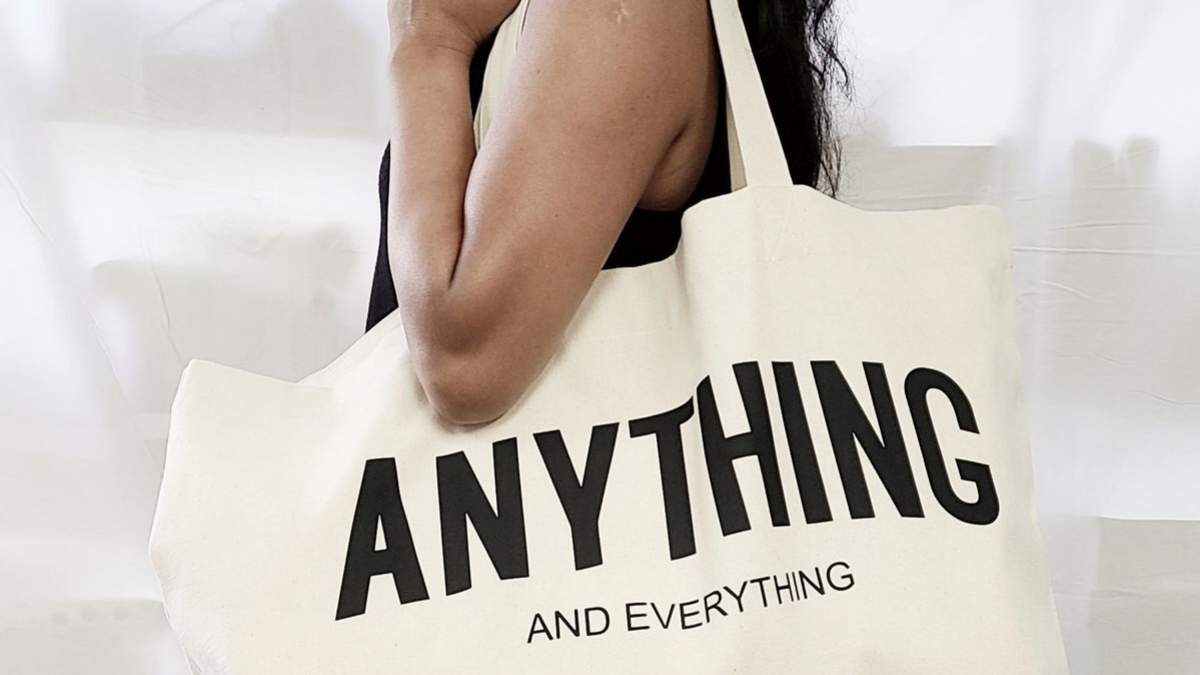
Płótno i dżins
Ich ciężka, porowata struktura sprawia, że są idealną bazą dla grubych, żywych nadruków plastizolowych.
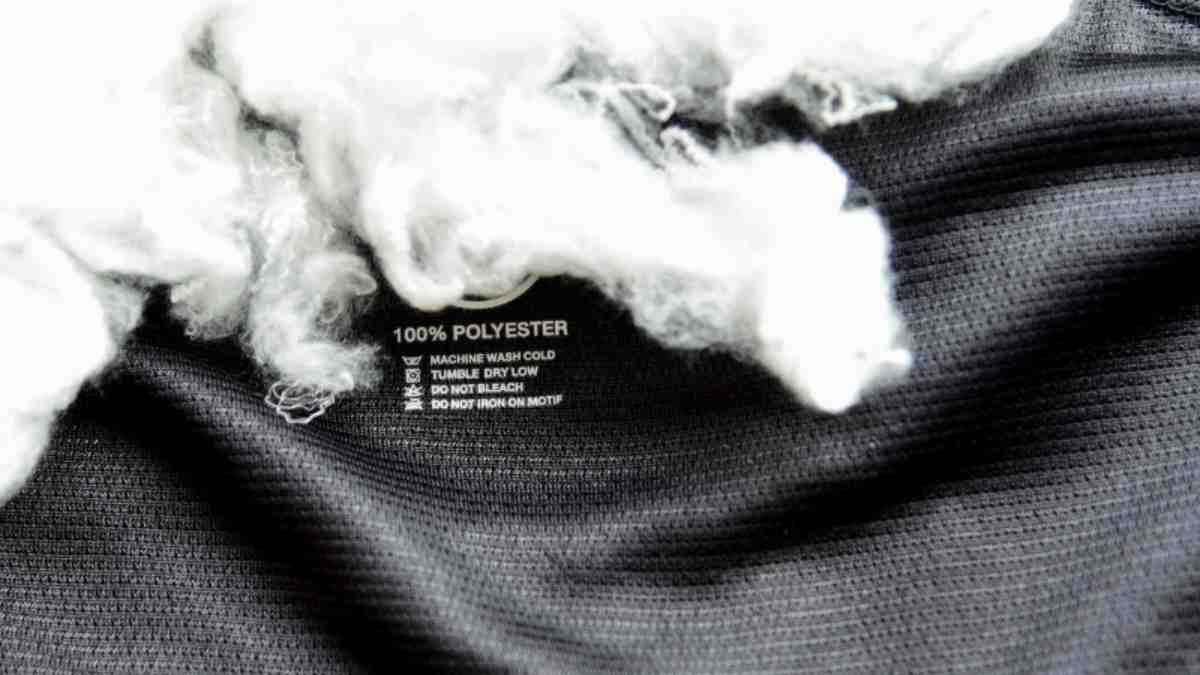
100% poliester
Użyj farb o niskim stopniu migracji (low-bleed) lub blokera barwnika, aby całkowicie powstrzymać migrację barwników.
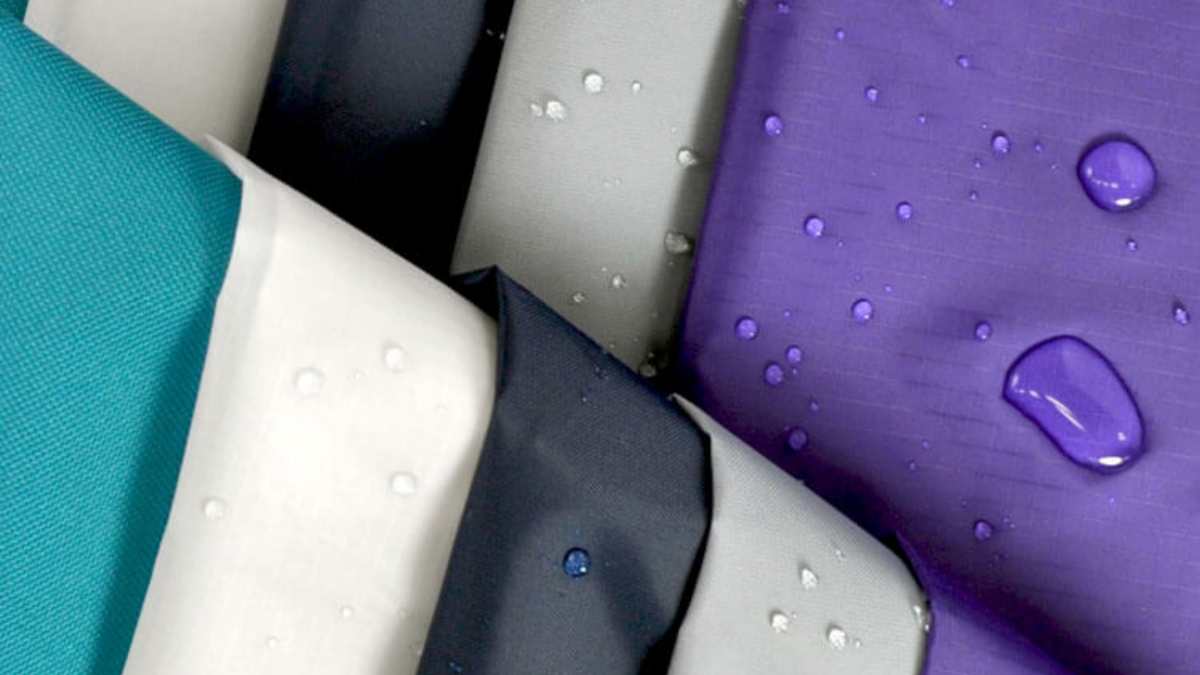
Nylon
Wymieszaj z katalizatorem do nylonu, aby uzyskać trwały, odporny na pranie chwyt na śliskich powierzchniach.

100% bawełna
Oferuje optymalną absorpcję farby i bezbłędną przyczepność bez konieczności stosowania specjalnych metod obróbki.
Porównanie: Dlaczego my?
Jak najlepsze kluby biegowe i wydarzenia wyróżniają się dzięki naszym niestandardowym elitarnym czapkom do biegania
| Cechy | Nasz Plastizol Premium | Tusz wodny | Tani Plastizol Standardowy |
| Łatwość użycia | Najłatwiejszy (przyjazny dla użytkownika) | Trudny (szybko wysycha) | Średni (zbyt gęsty) |
| Krycie | Wysoki | Niskie (wymaga wielu przejść) | Średni |
| Wyrazistość | Doskonały | Przytłumione/Matowe | Dobry |
| Bezpieczeństwo ekologiczne | Bez ftalanów / Bez metali ciężkich | Przyjazny dla środowiska | Często zawiera toksyczne ftalany |
| Okres trwałości | Ponad 2 lata | 6-12 miesięcy | 1-2 lata |
Studium przypadku klienta
Klient: M Custom Merch (USA)
Wyzwanie: M drukował białe logotypy na czerwonych bluzach 50/50. Jego poprzednia farba po przejściu przez suszarkę zmieniała kolor na różowy (migracja barwnika), a sam nadruk był w dotyku jak ciężka naklejka.
Rozwiązanie: M przeszedł na naszą białą farbę plastizolową typu low-bleed.
Rezultat:
Zero migracji: Logotypy pozostały w kolorze jasnej bieli.
Produktywność: Zwiększył wydajność o 20%, ponieważ farba płynęła szybciej przez jego prasę automatyczną.
Opinie: Klienci chwalili bardziej miękki chwyt nadruku.
FAQ – Rozwiązywanie problemów
Czy mogę użyć opalarki do utwardzenia tej farby?
Odp.: Technicznie tak, w przypadku małych hobbystycznych partii. Jednak dla uzyskania profesjonalnych rezultatów i trwałości w praniu zdecydowanie zalecamy tunel suszący lub suszarkę typu flash, aby upewnić się, że cała warstwa farby osiągnie 160°C (320°F).
Jak rozcieńczyć farbę, jeśli jest zbyt gęsta?
Odp.: Nasza farba jest gotowa do użycia, ale jeśli pracujesz w bardzo chłodnym warsztacie, możesz dodać 2-5% naszego Curable Reducer. Nie używaj benzyny lakierniczej do rozcieńczania, ponieważ wpływa to na proces utwardzania.
Czy ta farba plastizolowa nadaje się do odzieży dziecięcej?
Odp.: Tak. Oferujemy dwa odrębne poziomy zgodności w zależności od listy substancji ograniczonych (RSL) docelowej marki:
Farby bez PVC: Dla marek z bardziej rygorystycznymi wymogami środowiskowymi (takimi jak OEKO-TEX Standard 100 Class I) oferujemy dedykowane formuły bez PVC, które całkowicie eliminują polichlorek winylu, zachowując przy tym trwałość nadruku.
Farby bez ftalanów i ołowiu: Nasza standardowa linia zgodna z przepisami jest całkowicie wolna od metali ciężkich i ograniczonych ftalanów, spełniając podstawowe regulacje CPSIA dotyczące odzieży dziecięcej.
Jak wypada w porównaniu z farbą silikonową?
Odp.: Silikon jest bardziej elastyczny i odporny na ciepło, ale znacznie droższy i trudniejszy w obróbce (wymaga katalizatora). Plastizol to najbardziej opłacalny i wszechstronny wybór dla 90% zadań.
Czy ta farba będzie „duchować” lub powodować migrację barwnika podczas druku na mieszankach poliestru 50/50?
Odp.: Nie — pod warunkiem zastosowania naszej techniki „Low-Bleed”. Chociaż nasza seria Premium jest naturalnie odporna na migrację barwników, zalecamy stosowanie metody „Druk-Suszenie-Druk” (Print-Flash-Print) w przypadku mieszanek z dużą zawartością poliestru. Poprzez podsuszenie (flash) podkładu w temperaturze 110°C (230°F), tworzysz barierę chemiczną, która blokuje barwniki tkaniny. Zapobiega to efektowi „duchowania”, w którym biała farba z czasem staje się różowa lub szara. W przypadku poliestru w 100% sublimowanego sugerujemy użycie naszego produktu Grey Blocker jako dedykowanej warstwy bazowej dla maksymalnej ochrony.
 English
 Deutsch (Sie)
 العربية
 বাংলা
বাংলা 香港中文
香港中文 Français
 Bahasa Indonesia
 Português do Brasil
 한국어
한국어 Tiếng Việt
 日本語
日本語 Polski
 Русский
 Türkçe
 ไทย
ไทย Español de México