-
Zadzwoń teraz +86 13426858645
-
Masz pytania? [email protected]
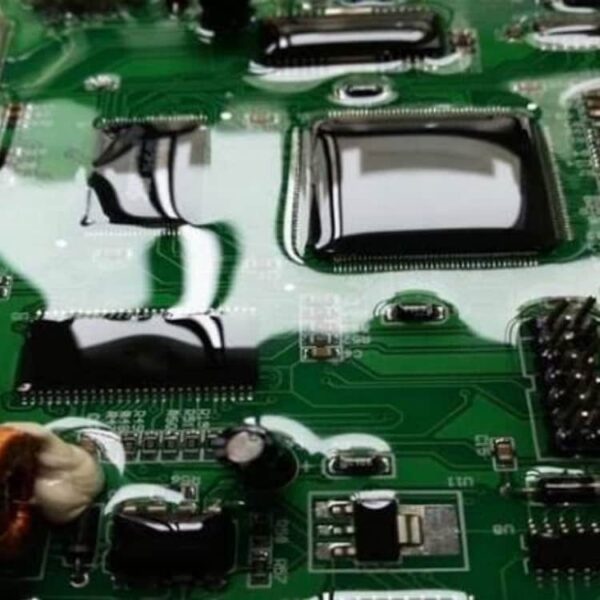
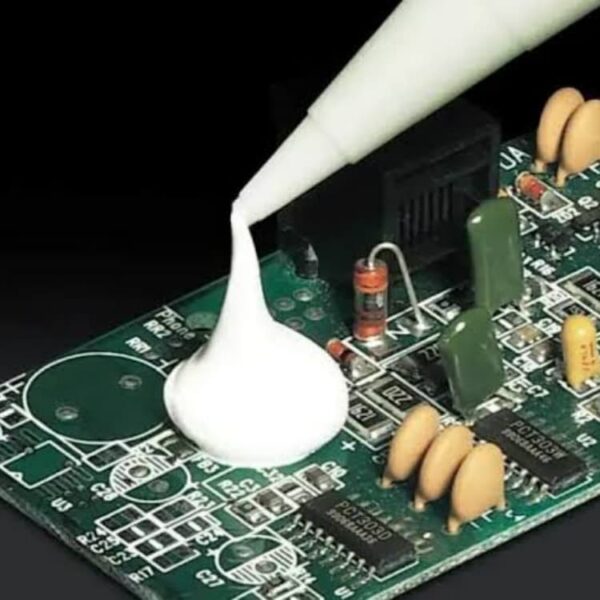
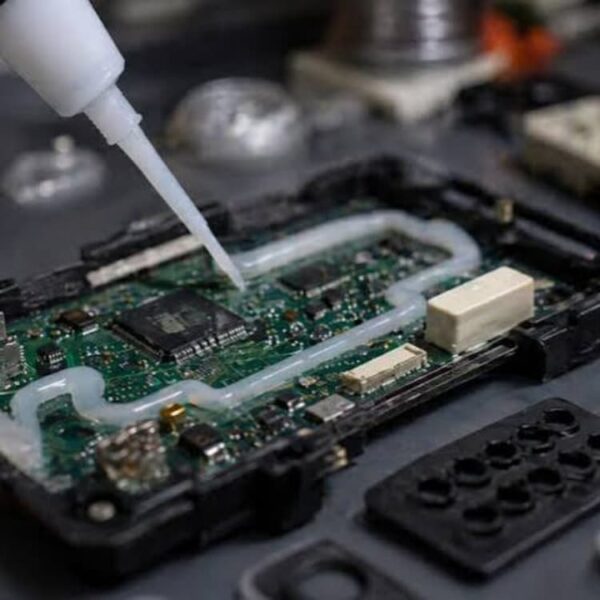
Wydajny silikon ognioodporny do przemysłowego sitodruku (UL94 V-0)
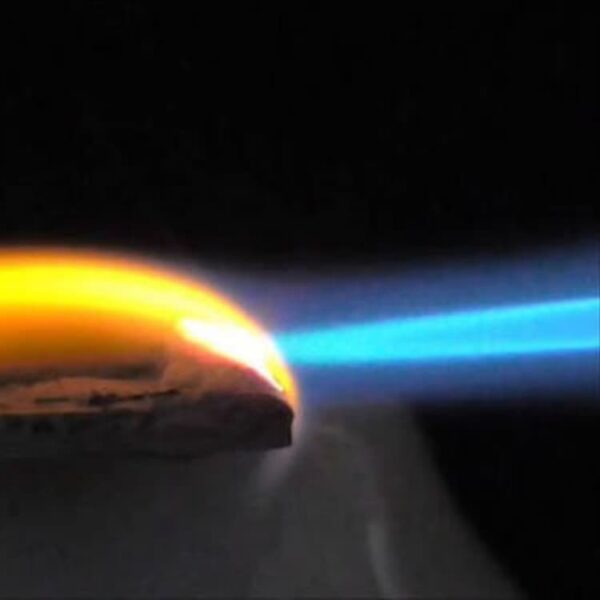
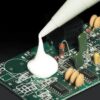
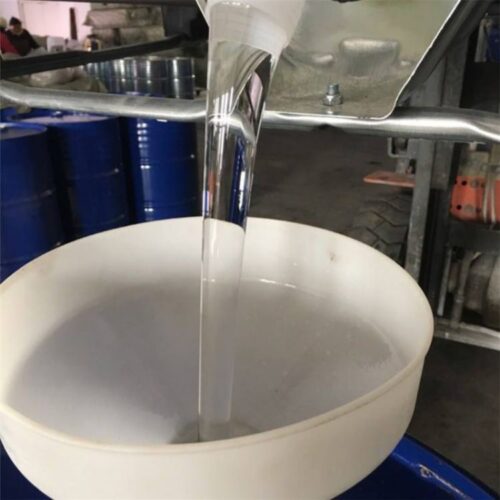
Wysokowydajny ognioodporny silikon do przemysłowego sitodruku to szybkoschnący, płynny silikon do sitodruku, który tworzy certyfikowane bariery przeciwpożarowe UL94 V-0 bezpośrednio na podzespołach elektronicznych i akumulatorach.
Certyfikaty: UL94 V-0, FAR 25.853, EN 45545-2, RoHS, REACH oraz w 100% bezhalogenowy
Właściwości termiczne: Zakres pracy od -50°C do +200°C; podczas niekontrolowanego wzrostu temperatury tworzy pęczniejącą osłonę ceramiczną
Ochrona narzędzi: Formuła z nanocząsteczkami ATH poniżej 5 mikronów zapobiega zużyciu sita i rakli
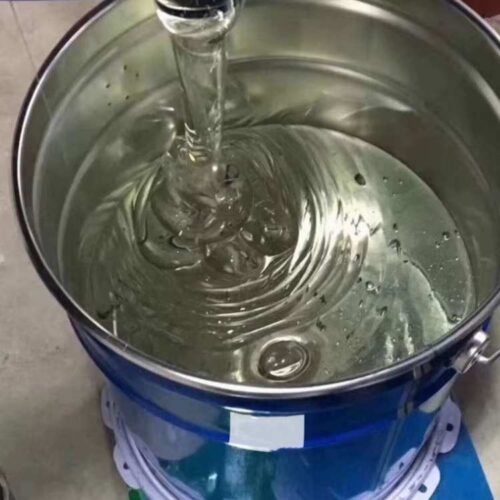
Opakowania i dostawy: Dostarczany w wiadrach 20kg/25kg lub beczkach 200kg; próbki dostępne na życzenie
Przechowywanie i okres trwałości: Przechowywać w temperaturze 10°C–25°C z dala od amin, siarki i związków cyny
Wydrukuj swoją ochronę przeciwpożarową. Zautomatyzuj swoje bezpieczeństwo.
W inżynierii pakietów akumulatorów do pojazdów elektrycznych (EV), wnętrz statków powietrznych oraz zaawansowanej elektroniki, osiągnięcie rygorystycznej biernej ochrony przeciwpożarowej przy jednoczesnym zachowaniu wydajności produkcji ma kluczowe znaczenie.
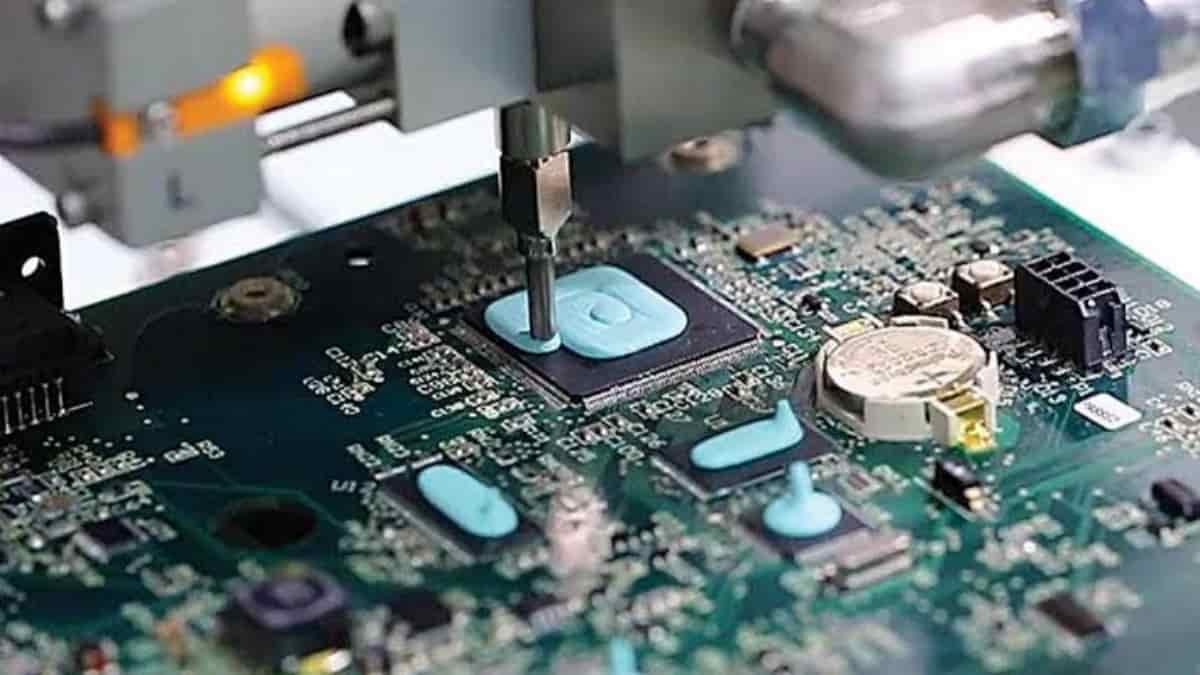
Opracowany jako silnie wypełniony, bezhalogenowy płynny elastomer silikonowy, materiał ten umożliwia szybką, zautomatyzowaną aplikację spersonalizowanych barier termicznych bezpośrednio na elastyczne obwody drukowane (FPC), separatory akumulatorów i przemysłowe włókno szklane. W przypadku wystąpienia ekstremalnych zdarzeń termicznych, matryca silikonowa natychmiast samogaśnie i przekształca się w pęczniejącą ceramiczną osłonę, która izoluje i chroni sąsiednie krytyczne komponenty.
To zaawansowane podejście wspiera stosowanie ultracienkich profili materiałowych w inicjatywach mających na celu redukcję masy, integruje się bezproblemowo z ciągłą automatyzacją liniową i konsekwentnie gwarantuje ścisłą zgodność z normą UL94 V-0.
Kluczowe funkcje i wydajność
UL94 V-0 i osłona przed ucieczką termiczną
Szybko samogaśnie, nie tworząc płonących kropel. Materiał pochłania ciepło i tworzy ochronną ceramiczną warstwę zwęgloną, aby ograniczyć rozprzestrzenianie się ucieczki termicznej między ogniwami akumulatora a sąsiednimi komponentami.
Wysoka wytrzymałość dielektryczna i bezpieczeństwo elektryczne
Służy jako doskonały izolator elektryczny; nawet po ekspozycji na wysoką temperaturę jego nieprzewodzący popiół krzemionkowy zapobiega krytycznym zwarciom.
Ekstremalne tłumienie drgań i temperatury (-50°C do +200°C)
Przewyższa sztywne żywice epoksydowe, zachowując stałą elastyczność i absorbując silne wstrząsy mechaniczne w trudnych warunkach motoryzacyjnych i lotniczych bez pękania.
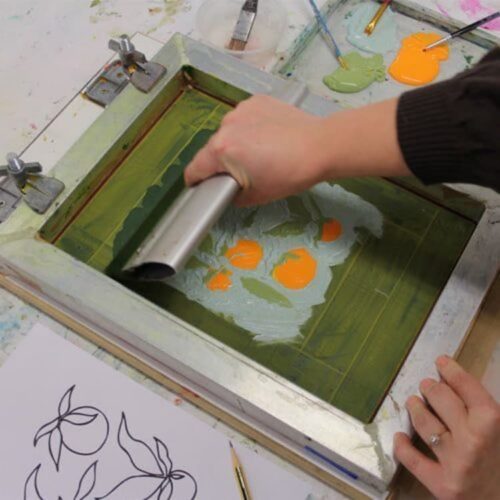
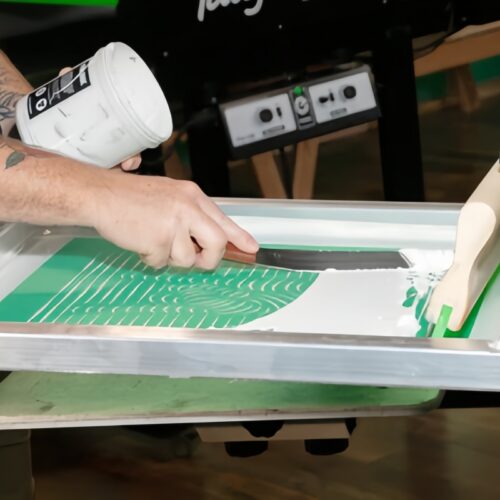
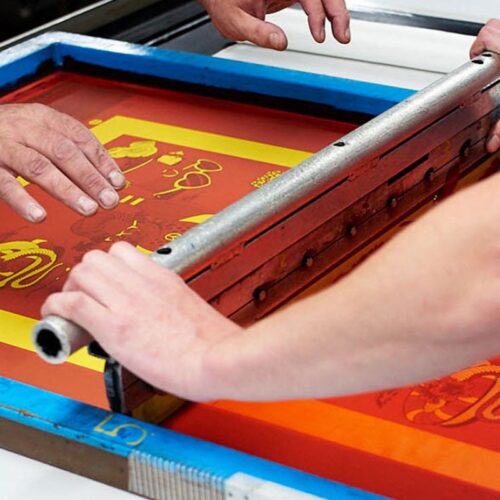
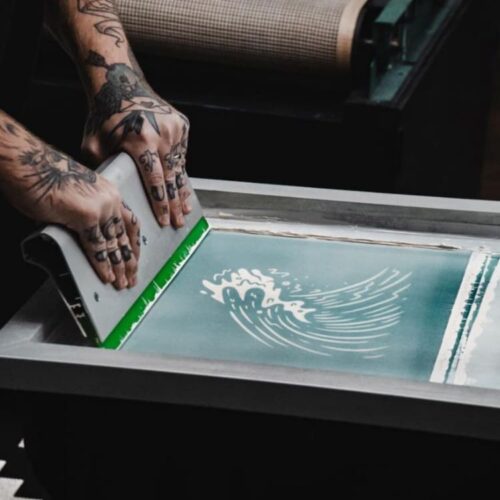
Precyzyjny zautomatyzowany druk sitowy
Zaprojektowany z tiksotropową reologią do precyzyjnego sitodruku, umożliwiający uzyskanie ostrych mikrowzorów lub grubych uszczelek 3D przy minimalnej ilości odpadów.
Tożsamość techniczna i zgodność
| Właściwość | Wartość / Opis |
| Nazwa produktu | Bezhalogenowy, trudnopalny płynny kauczuk silikonowy (LSR do druku) |
| Synonimy | Bariera przeciwpożarowa do sitodruku, powłoka silikonowa UL94 V-0, pęczniejący tusz silikonowy, silikon do zalewania/drukowania dla EV. |
| Główne składniki | Polidimetylosiloksan (PDMS) + nanodyspergowany trihydrat glinu (ATH) / katalizator platynowy. |
| Numer CAS | 63394-02-5 (Silikon) / 21645-51-2 (Trudnopalny ATH) |
| Kod HS | 3910000000 (Silikony w formach podstawowych) |
| Certyfikaty i spełnione normy | UL94 V-0 (samogasnący ≤ 10s). FAR 25.853 (palność wyposażenia wnętrz statków powietrznych). EN 45545-2 (Ochrona przeciwpożarowa w pojazdach szynowych). RoHS, REACH i w 100% wolne od halogenów (brak toksycznego/żrącego dymu). |
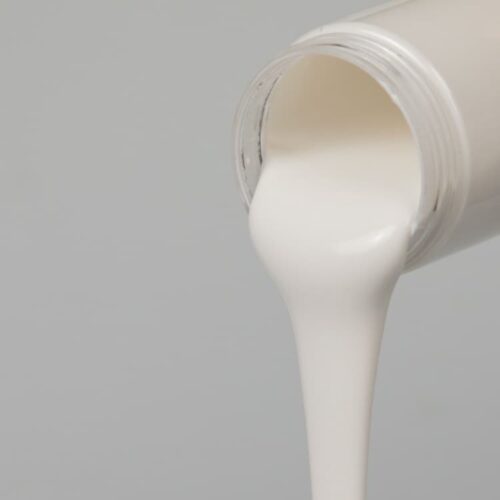
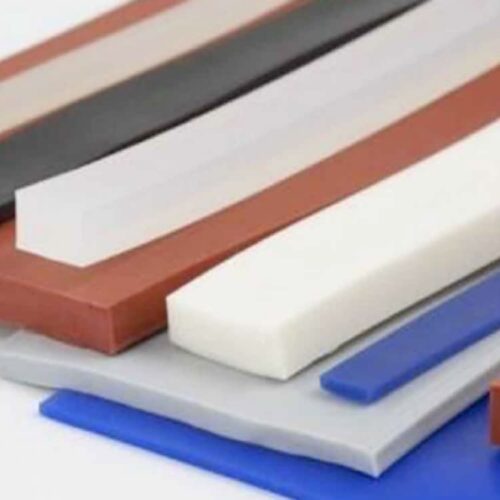
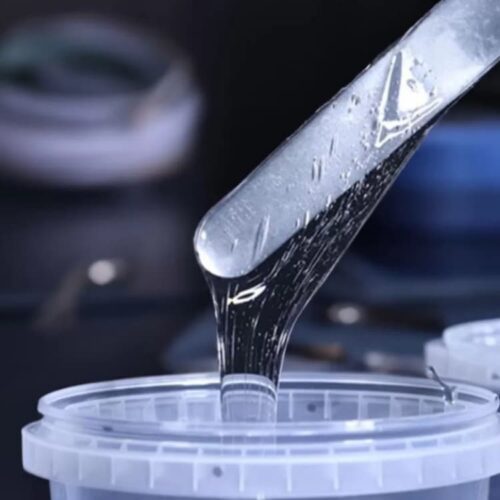
| Wygląd | Mlecznobiała / Szara / Czarna lepka pasta |
| Lepkość | 120 000 – 200 000 cps (nadaje się do sitodruku i dozowania) |
| Klasa palności | UL94 V-0 (przy grubości 1,0 mm – 3,0 mm) |
| Wytrzymałość dielektryczna | > 20 kV/mm |
| Przewodność cieplna | 0,4 – 0,8 W/m·K (możliwość dostosowania) |
| Twardość (Shore A) | 45 – 55 |
| Proporcje mieszania | 10:1 lub 100:2 (Baza : Katalizator) |
| Opakowanie | Wiadra 20 kg / 25 kg, beczki 200 kg (odpowiednie do zautomatyzowanych systemów dozowania/pompowania) |
| Przechowywanie | Przechowywać w magazynie o kontrolowanym klimacie (10°C – 25°C). Chronić przed całkowitym kontaktem z aminami, siarką i kompleksami cyny (powszechnymi w standardowych zakładach produkujących poliuretany lub żywice epoksydowe), ponieważ substancje te zatruwają katalizator platynowy i uniemożliwiają utwardzenie silikonu. |
| Informacje dotyczące bezpieczeństwa | Przyjazny dla pracownika. Nie zawiera toksycznych rozpuszczalników, zerowa emisja LZO podczas utwardzania i całkowicie bezpieczny w transporcie lotniczym i morskim na całym świecie. (Dostarczamy pełną kartę charakterystyki MSDS oraz raporty z badań UL). |
Proces operacyjny
Aby uzyskać certyfikowane wyniki UL na podłożach przemysłowych, należy przestrzegać następującego protokołu fabrycznego:
1.Przygotowanie powierzchni (kluczowe w przypadku materiałów nietekstylnych)
Podczas drukowania na gładkich płytach FR4 (PCB), foliach PI (Kapton) lub aluminium, podłoże musi musi być oczyszczone. W celu uzyskania maksymalnej siły przylegania zalecamy obróbkę koronową lub plazmową bezpośrednio przed drukiem albo zastosowanie naszego ultracienkiego podkładu silikonowego.
2.Wybór siatki
Ponieważ ten tusz jest silnie nasycony mineralnymi środkami zmniejszającymi palność, należy użyć siatki o mniejszej gęstości: 60 – 100 oczek (24T – 40T). Drobna siatka przefiltruje cząsteczki FR i zniszczy klasyfikację UL94.
3.Grubość warstwy
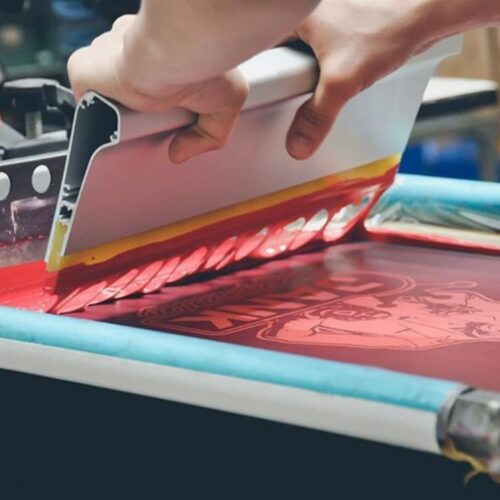
Aby uzyskać pełną wydajność UL94 V-0, należy nanieść odpowiednią warstwę (zazwyczaj od 0,8 mm do 1,5 mm w zależności od receptury). Użyj grubej emulsji kapilarnej i wykonaj wiele pociągnięć raklem.
4.Profil utwardzania
Odparować rozpuszczalniki (jeśli występują) w temperaturze 100°C przez 2 minuty.
Wygrzewać w przemysłowym piecu konwekcyjnym lub tunelu IR w temperaturze 150°C przez 5 do 10 minut, aby zapewnić pełne sieciowanie platynowe.
Zastosowania według branży
Nasz silikon FR stanowi fundament bezpieczeństwa w wielu zaawansowanych sektorach produkcyjnych
Pojazdy elektryczne (EV) i magazynowanie energii
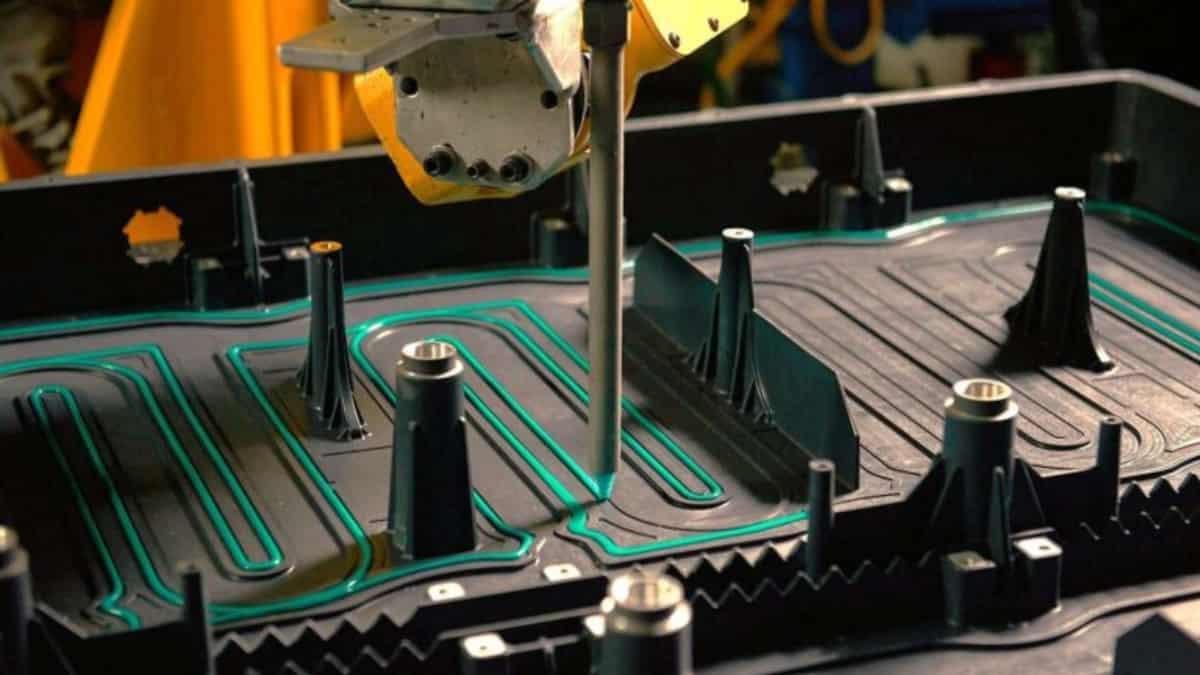
Sitodruk precyzyjnych uszczelek ognioodpornych bezpośrednio na płytach chłodzących akumulatory.
Powlekanie elastycznych obwodów drukowanych (FPC) i separatorów ogniw akumulatorowych w celu zapobiegania rozprzestrzenianiu się ucieczki termicznej.
Powlekanie elastycznych obwodów drukowanych (FPC) i separatorów ogniw akumulatorowych w celu zapobiegania rozprzestrzenianiu się ucieczki termicznej.
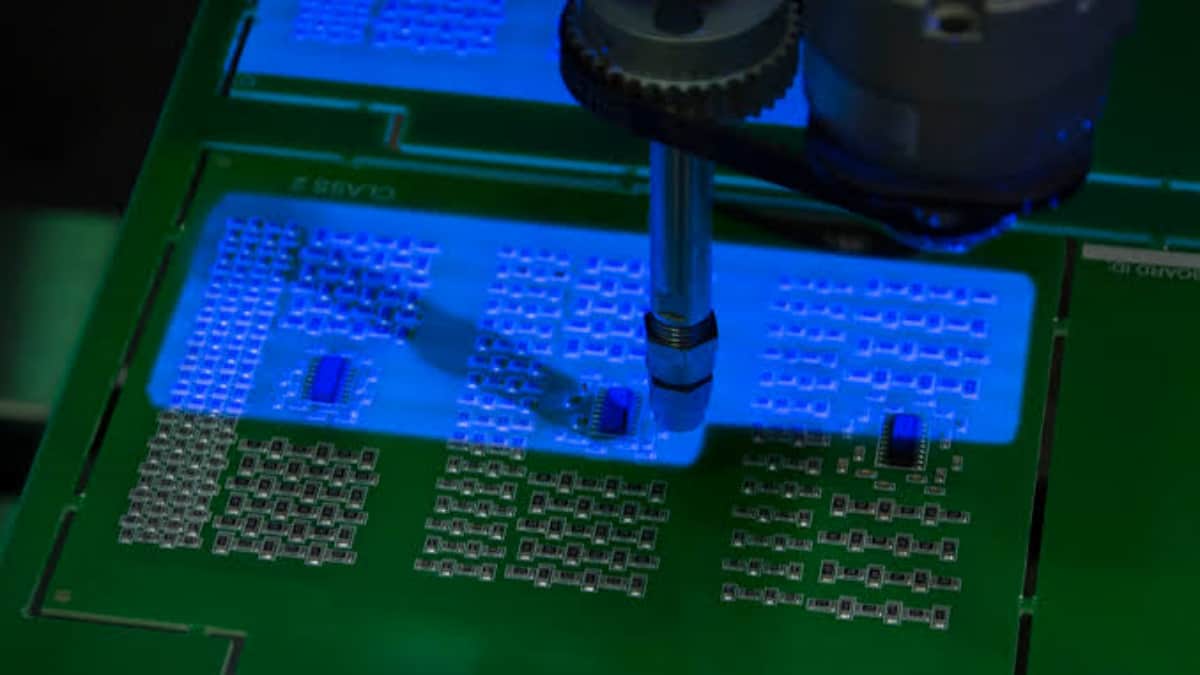
Elektronika i płytki PCB
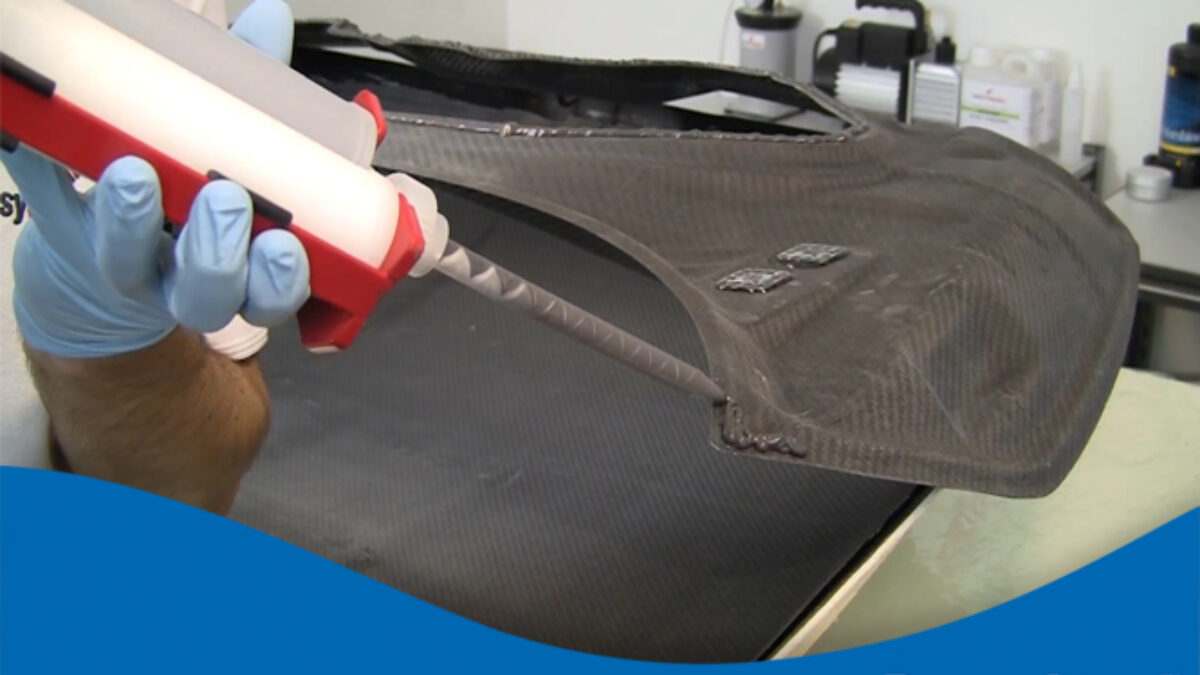
Łączenie paneli o strukturze plastra miodu w samolotach; montaż kadłubów z włókna szklanego w jachtach (wysoka odporność na wodę).
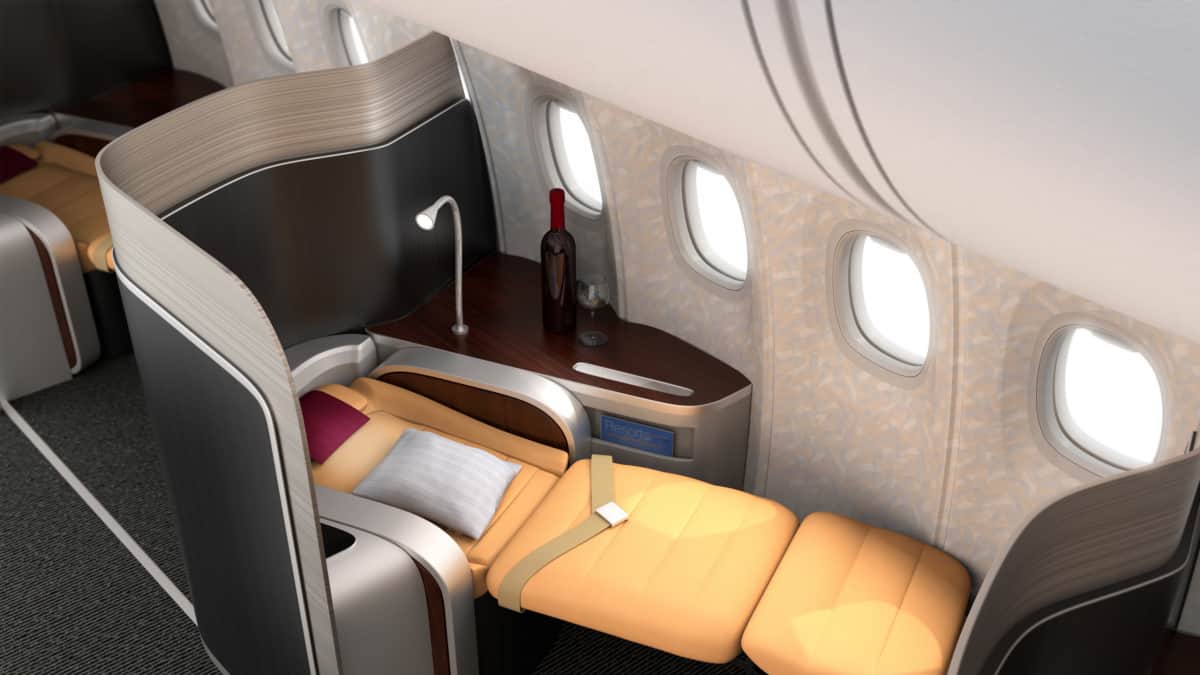
Lotnictwo i transport publiczny
Nadruki antypoślizgowe i trudnopalne na wykładzinach podłogowych samolotów oraz wewnętrznych panelach kompozytowych.
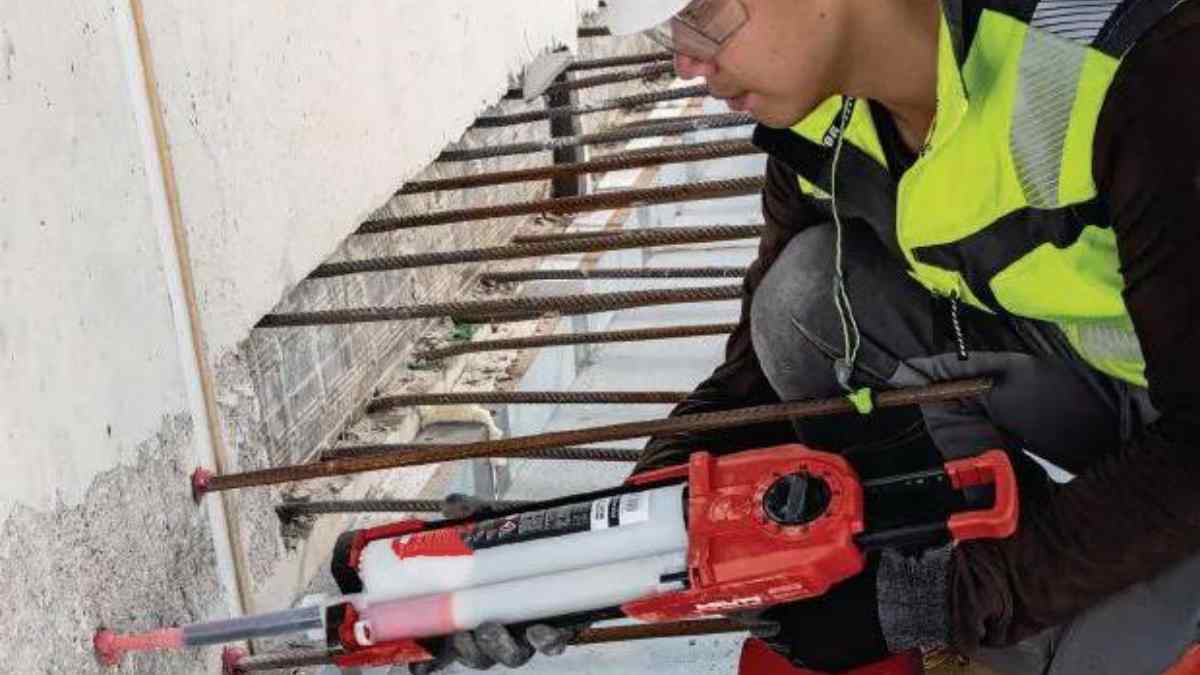
Tekstylia przemysłowe i budownictwo
Nakładanie powłok za pomocą rakli lub sitodruku rotacyjnego na tkaniny z włókna szklanego w celu tworzenia wysokowydajnych zasłon spawalniczych i koców gaśniczych
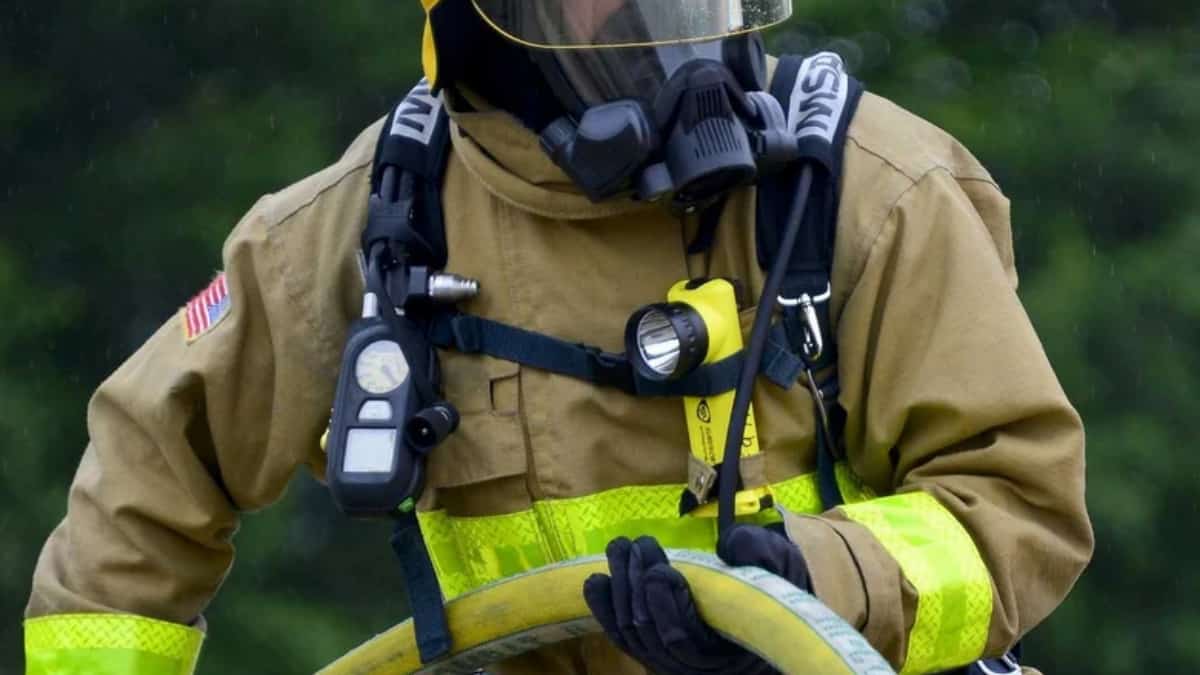
Odzież ochronna (ŚOI)
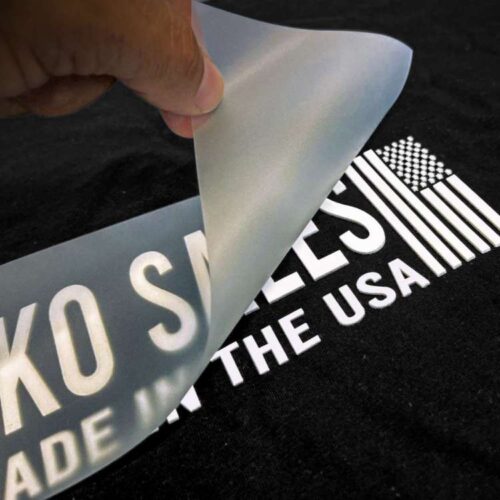
Znakowanie i nadruki strukturalne na odzieży strażackiej Nomex® oraz kombinezonach wyścigowych FIA.
Przewodnik kupującego: Problemy i rozwiązania
Rozumiemy problemy i obawy zakupowe naszych klientów.
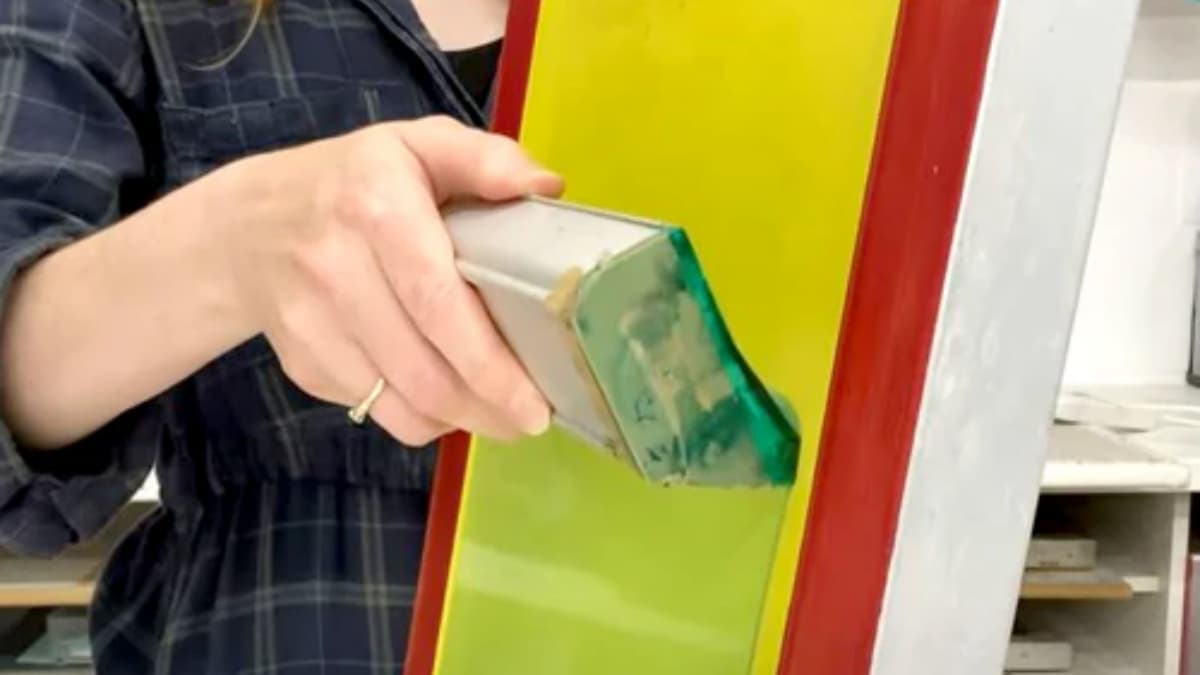
„Sproszkowane środki ognioodporne w farbie rysują moje rakle i przedwcześnie zużywają sita.”
Nasze rozwiązanie: Tanie farby FR używają grubych, ściernych proszków. Nasze receptury wykorzystują zdyspergowane w nanostopniu, powierzchniowo obrobione wodorotlenki glinu (ATH) o wielkości cząstek ściśle poniżej 5 mikronów. Płyną niezwykle gładko przez siatkę, chroniąc narzędzia i wydłużając żywotność sit o 300%.
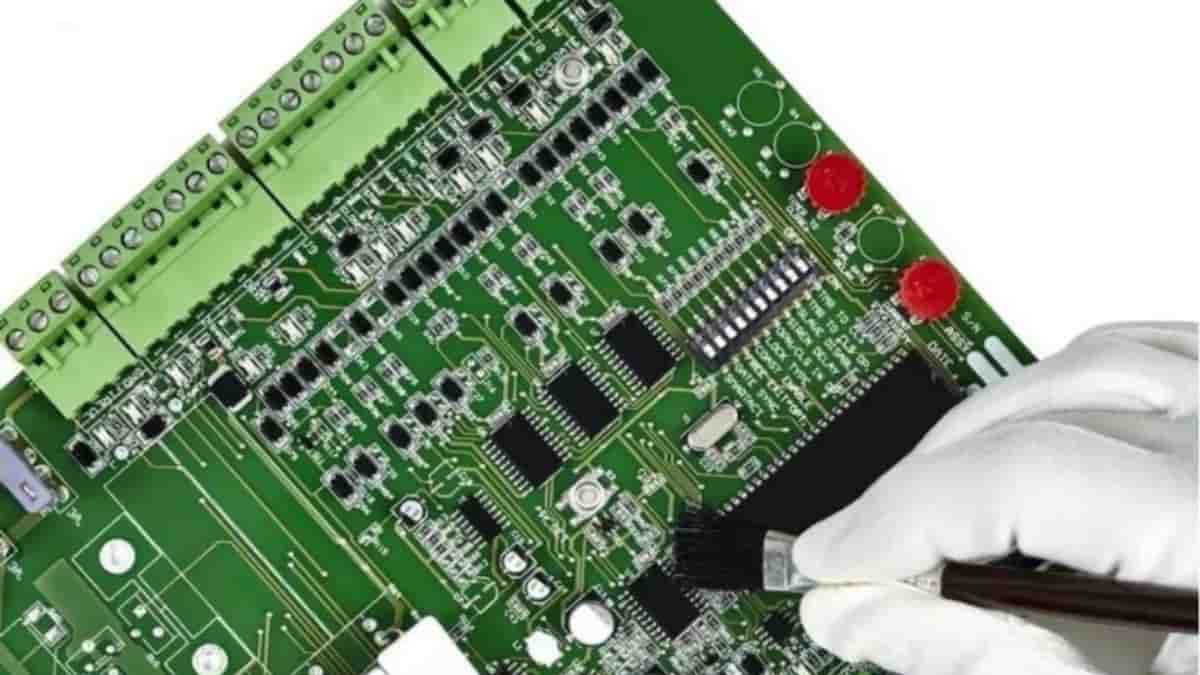
„W razie pożaru dym z naszej obecnej powłoki niszczy otaczającą elektronikę.”
Nasze rozwiązanie: Prawdopodobnie używasz powłoki halogenowej (brom/chlor). Podczas spalania uwalniają one wysoce korozyjny gaz chlorowodoru (HCl), który niszczy miedziane okablowanie. Nasz silikon FR jest w 100% wolny od halogenów. Emituje jedynie bezpieczną parę wodną i niekorozyjny, biały popiół krzemionkowy.
Porównanie: Silikon FR do nadruku a tradycyjne metody
| Cechy | Nasz silikon sitodrukowy FR | Żywice epoksydowe FR | Wycinane silikonowe podkładki FR |
| Metoda aplikacji | Zautomatyzowana, szybka, mikroprecyzyjna | Brudna, powolne utwardzanie | Praca ręczna, powolny montaż |
| Elastyczność / Wibracje | ★★★★★ (Wysoka elastyczność) | ★ (Kruchy, łatwo pęka) | ★★★★★ (Wysoka elastyczność) |
| Toksyczny dym (pożar) | Zero (bezhalogenowy) | Wysoka (często zawiera brom) | Zero |
| Koszt w skali | Wysoce opłacalna (zero odpadów) | Umiarkowany | Droga (duże marnotrawstwo materiału) |
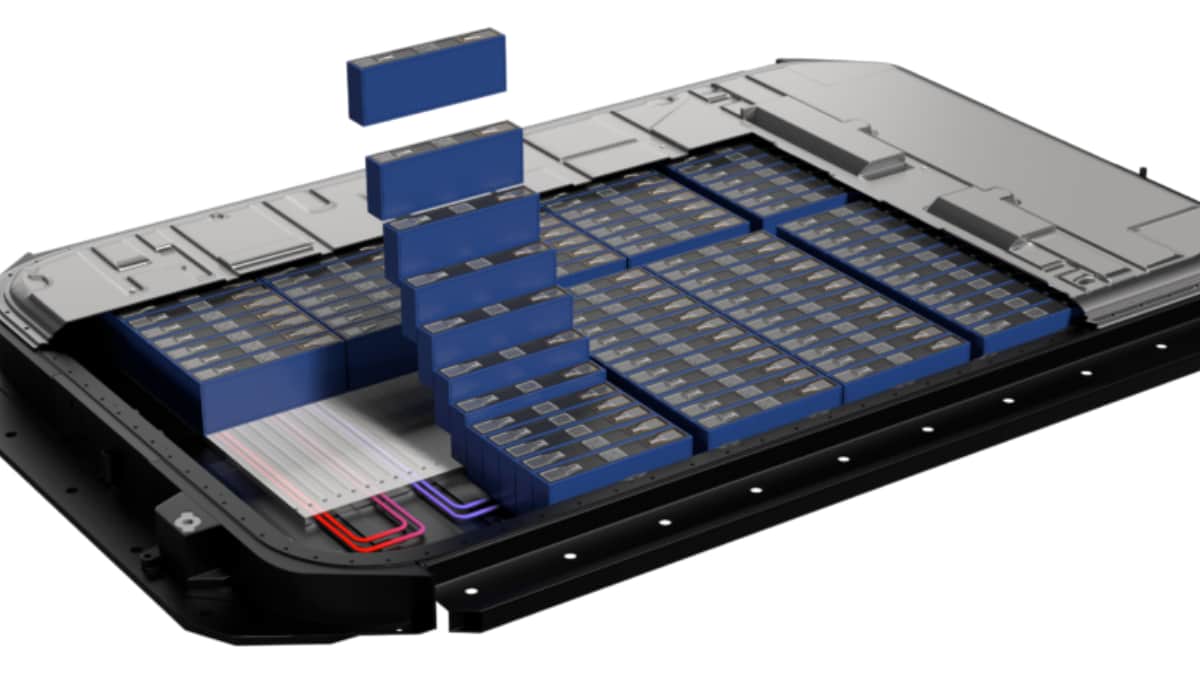
Studium przypadku klienta
Klient: Producent akumulatorów do pojazdów elektrycznych (EV) poziomu 1 z Korei Południowej.
Problem: Producent ręcznie przyklejał wstępnie wycięte, ognioodporne uszczelki z gumy silikonowej do 10 000 pokryw modułów akumulatorowych dziennie. Praca ręczna powodowała poważne wąskie gardło, a proces wycinania matrycowego skutkował 30% stratą materiału.
Rozwiązanie: Przekształciliśmy ich linię montażową na zautomatyzowaną maszynę do sitodruku płaskiego, wykorzystując naszą ognioodporną pastę silikonową UL94 V-0.
Wynik:
Podwojona prędkość produkcji: Zautomatyzowana maszyna sitodrukowa nakładała złożony wzór uszczelki FR w 3 sekundy na każdą pokrywę.
Zredukowano straty materiału do 0%: Tusz jest nakładany dokładnie tam, gdzie pozwala na to sito.
Przeszło rygorystyczne testy termiczne dla motoryzacji, zapewniając zerowe rozprzestrzenianie się płomienia między ogniwami akumulatora.
FAQ – Rozwiązywanie problemów
P1: Czy ten silikon FR może być nakładany za pomocą automatycznego dozowania zamiast sitodruku?
O: Tak. Chociaż jest idealnie zoptymalizowany pod kątem szybkiego pokrywania dużych powierzchni za pomocą sitodruku, jego wysoce tiksotropowy charakter (rozrzedzanie ścinaniem) sprawia, że doskonale nadaje się do pneumatycznych lub zrobotyzowanych zaworów dozujących. Płynie płynnie pod ciśnieniem, ale natychmiast zachowuje swój kształt 3D (brak osiadania) po nałożeniu, co czyni go idealnym do uszczelek formowanych w miejscu (FIP).
P2: Czy dodanie pigmentu koloryzującego do silikonu FR wpływa na jego klasę palności UL94 V-0?
O: Tak, może. Pigmenty organiczne są zasadniczo paliwami węglowymi. Dodanie zbyt dużej ilości standardowego pigmentu obniży właściwości ognioodporne. Oferujemy fabrycznie barwione partie (przemysłowy szary, czarny, pomarańczowy ostrzegawczy), które zostały przetestowane i certyfikowane. Jeśli musisz dodać własny kolor, używaj wyłącznie pigmentów nieorganicznych (np. tlenków żelaza) i utrzymuj ich zawartość poniżej 5%.
P3: W jaki sposób ten silikon utrzymuje izolację elektryczną (wytrzymałość dielektryczną) podczas pożaru?
Odp.: Na tym właśnie polega geniusz chemii silikonowej. Organiczne tworzywa sztuczne spalają się, tworząc przewodzącą sadzę węglową, która powoduje zwarcia elektryczne. Kiedy nasz silikon FR spala się, jego szkielet przekształca się w dwutlenek krzemu (krzemionkę/szkło). Ta sztywna warstwa popiołu jest naturalnym izolatorem, chroniącym przewody pod napięciem oraz płytki PCB przed zwarciem, nawet podczas bezpośredniego kontaktu z płomieniami.
P4: Dlaczego na mojej nadrukowanej powłoce FR po wypaleniu pojawiają się pęcherzyki?
Odp.: Mikropęcherzyki to często uwięzione powietrze powstałe podczas ruchu rakli sitodrukowej. Ponieważ silikon FR jest wysoce lepki, powietrze nie może łatwo uciec. Profesjonalne rozwiązanie: Pozostaw nadrukowane elementy w temperaturze pokojowej na 3-5 minut przed przed umieszczeniem ich w piecu o temperaturze 150°C. Ten “czas poziomowania” pozwala uwięzionemu powietrzu unieść się i pęknąć, zanim powierzchnia stwardnieje.
P5: Wypaliłem nadrukowany silikon FR w temperaturze 150°C, ale nadal jest mokry, kleisty lub lepki. Co poszło nie tak?
Odp.: Prawdopodobnie doszło do “zatrucia katalizatora platynowego”. Nasz wysokowydajny silikon FR wykorzystuje system sieciowania addycyjnego (platynowego). Platyna jest niezwykle wrażliwa i ulega trwałej dezaktywacji w kontakcie nawet z mikroskopijnymi śladami siarki, kompleksów cyny, metali ciężkich lub amin. Jeśli w Twoim zakładzie używa się również standardowych żywic epoksydowych lub poliuretanów (PU), opary amin wydzielające się z tych klejów mogą zatruć silikon. Ponadto użycie rakli sitodrukowej, która była wcześniej myta rozpuszczalnikami na bazie siarki, uniemożliwi utwardzenie. Profesjonalne rozwiązanie: Zawsze używaj dedykowanych, ściśle czystych narzędzi do mieszania, sit i rakli do silikonu platynowego oraz upewnij się, że środowisko drukowania jest odizolowane od oparów żywic epoksydowych/PU.
P6: Silikon FR utwardził się idealnie, ale łatwo odchodzi od naszych aluminiowych płyt chłodzących akumulatory EV. Jak to naprawić?
O: Silikon jest z natury nieprzywierający (ma niską energię powierzchniową). Gładkie podłoża przemysłowe, takie jak polerowane aluminium, laminaty FR4 (PCB) czy folie poliimidowe (Kapton), nie oferują silikonowi żadnego mechanicznego zaczepienia. Aby uzyskać trwałe, strukturalne połączenie, które przetrwa ekstremalne cykle termiczne, należy zmienić napięcie powierzchniowe podłoża. W przypadku szybkich linii automatycznych zdecydowanie zalecamy integrację wbudowanego urządzenia do obróbki plazmą atmosferyczną lub koronową bezpośrednio przed stacją sitodruku. Jeśli plazma nie jest dostępna, podłoże należy przetrzeć lub spryskać naszym specjalistycznym promotorem adhezji silikonu (primerem) i pozostawić do wyschnięcia przed nałożeniem powłoki FR.
Zacznij dzisiaj
Specjalizujemy się w inżynieryjnych rozwiązaniach polimerowych dla globalnych producentów i marek. Jako pionowo zintegrowany zakład oferujemy wszystko, od surowego płynnego kauczuku silikonowego (LSR) po wysokowydajne tusze silikonowe, tusze plastizolowe i organiczne skóry silikonowe. Wystarczy podać szczegóły podłoża, standardy wydajności lub wyzwania związane z drukiem, a nasze laboratorium zajmie się resztą – od niestandardowej formuły po stabilną produkcję masową.
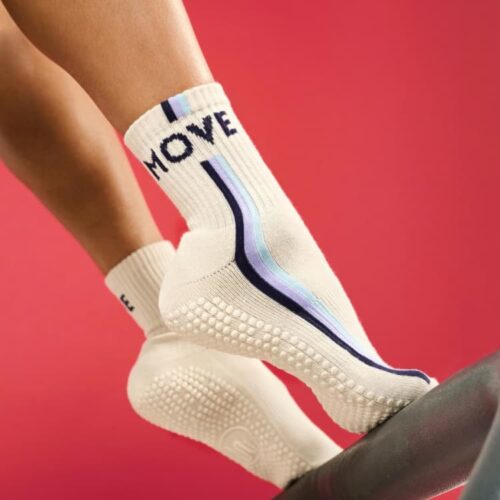
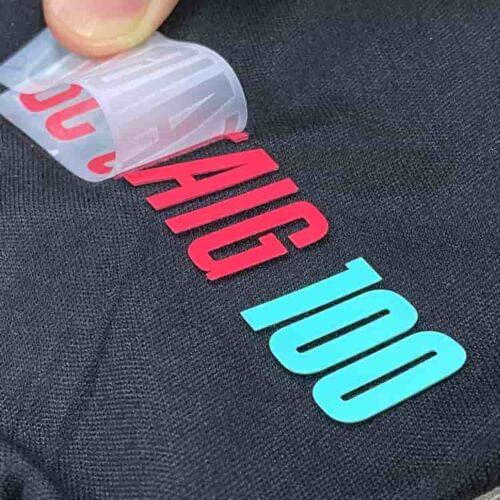
Oferujemy wysoce konkurencyjne ceny bezpośrednio z fabryki (MOQ 100 kg dla niestandardowych receptur) oraz bezpieczne globalne łańcuchy dostaw. Nasze materiały są zaufane w różnorodnych zastosowaniach, w tym w odzieży sportowej o wysokiej elastyczności, bezszwowej bieliźnie, wnętrzach samochodowych i formowaniu przemysłowym.
Nie widzisz dokładnie tego, czego potrzebujesz w naszym standardowym katalogu? Innowujmy razem. Podziel się poniżej swoimi dokładnymi wymaganiami technicznymi, a nasz zespół badawczo-rozwojowy opracuje dopasowaną formułę chemiczną zaprojektowaną idealnie pod Twoją linię produkcyjną.
· Dostępne niestandardowe dopasowanie kolorów i opracowywanie receptur
· Wsparcie przy testowaniu próbek
· Czas realizacji próbki: 3–7 dni
· Czas realizacji zamówienia masowego: 2–4 tygodnie

 English
 Deutsch (Sie)
 العربية
 বাংলা
বাংলা 香港中文
香港中文 Français
 Bahasa Indonesia
 Português do Brasil
 한국어
한국어 Tiếng Việt
 日本語
日本語 Polski
 Русский
 Türkçe
 ไทย
ไทย Español de México