-
Call Now +86 13426858645
-
Any Questions info@sollydsiliconeink.com
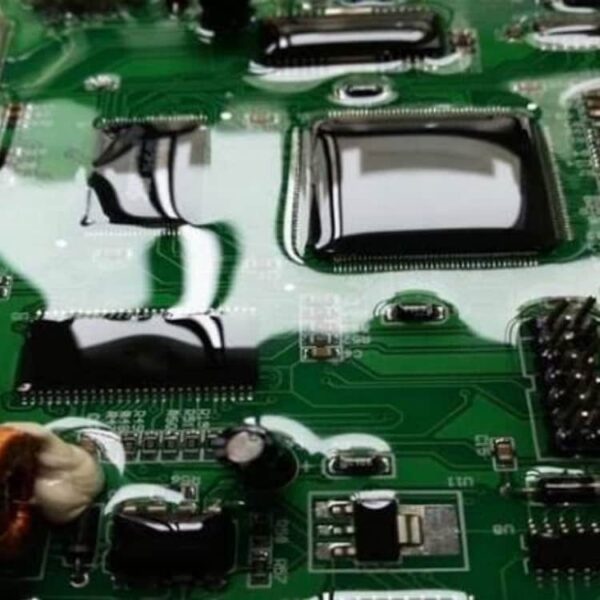
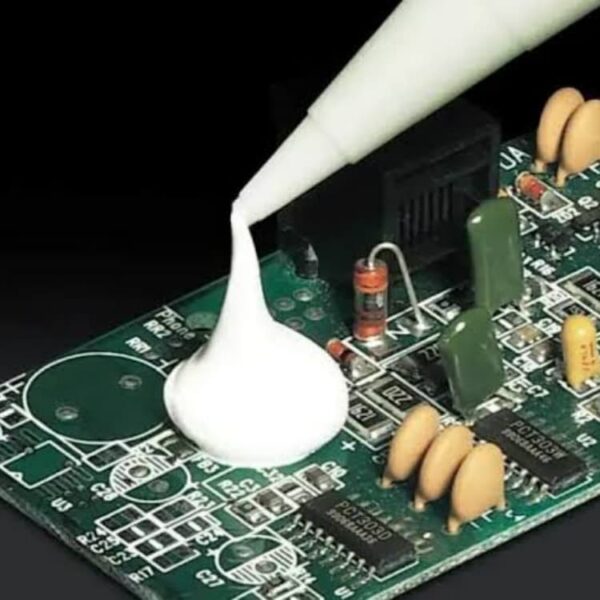
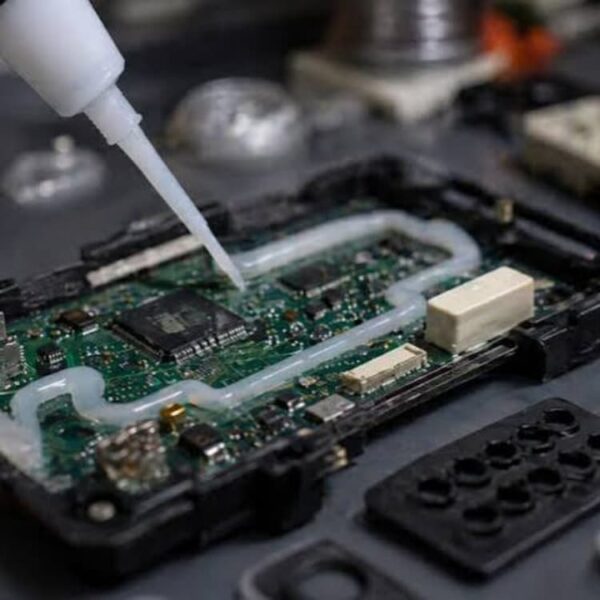

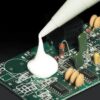
High-Performance Flame Retardant Silicone for Industrial Screen Printing (UL94 V-0)
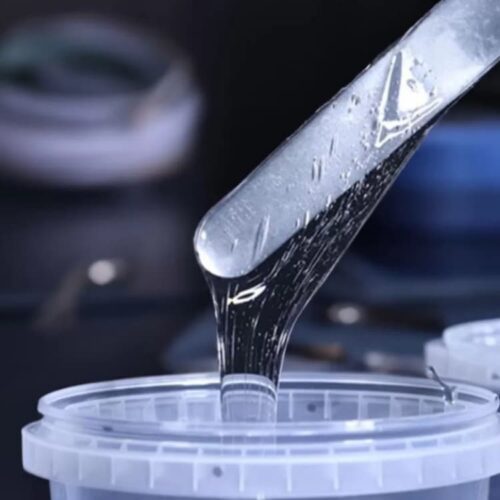
High-Performance Flame Retardant Silicone for Industrial Screen Printing is a high-speed, screen-printable liquid silicone that deposits certified UL94 V-0 fire barriers directly onto electronic and battery components.
Certifications: UL94 V-0, FAR 25.853, EN 45545-2, RoHS, REACH, and 100% Halogen-Free
Thermal Performance: Operating range -50°C to +200°C; forms an intumescent ceramic shield during thermal runaway
Tooling Protection: Formulated with sub-5-micron nano-ATH to prevent screen and squeegee wear
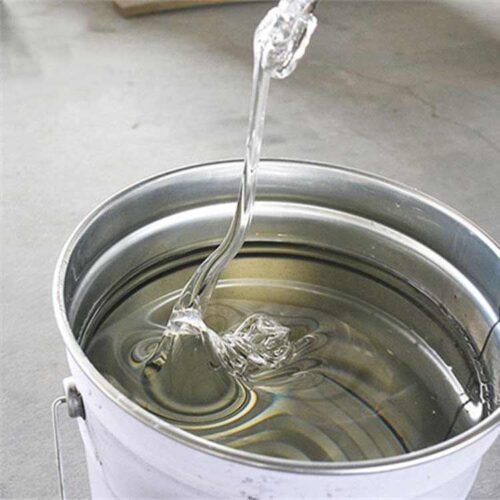
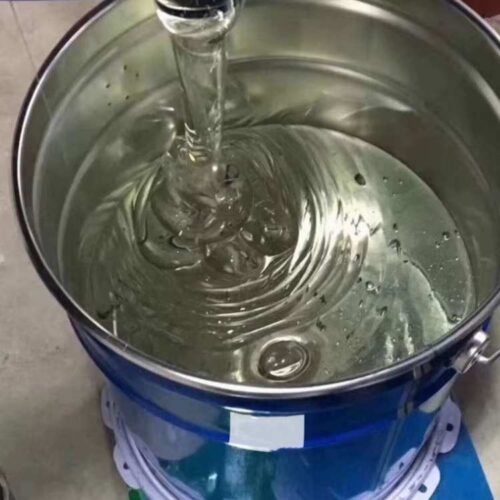
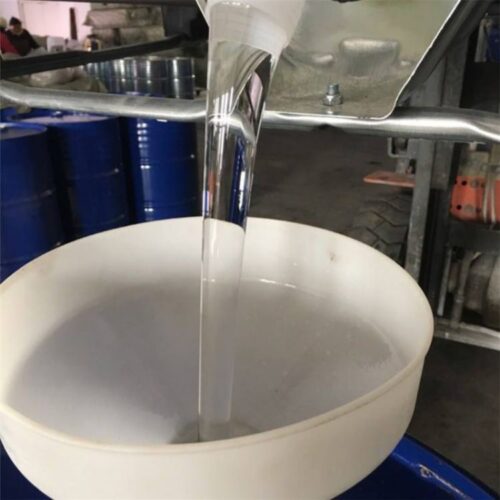
Packaging & Supply: Supplied in 20KG/25KG pails or 200KG drums; sample batches available upon request
Storage & Shelf Life: Store at 10°C–25°C away from amines, sulfur, and tin compounds
Print Your Fire Protection. Automate Your Safety.
In the engineering of Electric Vehicle (EV) battery packs, aerospace interiors, and advanced electronics, achieving strict passive fire protection while maintaining manufacturing efficiency is critical.
Formulated as a heavily filled, halogen-free liquid silicone elastomer, this material enables the high-speed, automated deposition of customized thermal barriers directly onto flexible printed circuits (FPCs), battery separators, and industrial fiberglass. Upon exposure to extreme thermal events, the silicone matrix self-extinguishes instantly and transitions into an intumescent ceramic shield to isolate and protect adjacent critical components.
This engineered approach supports ultra-thin material profiles for critical lightweighting initiatives, integrates seamlessly into continuous inline automation, and consistently guarantees strict UL94 V-0 compliance.
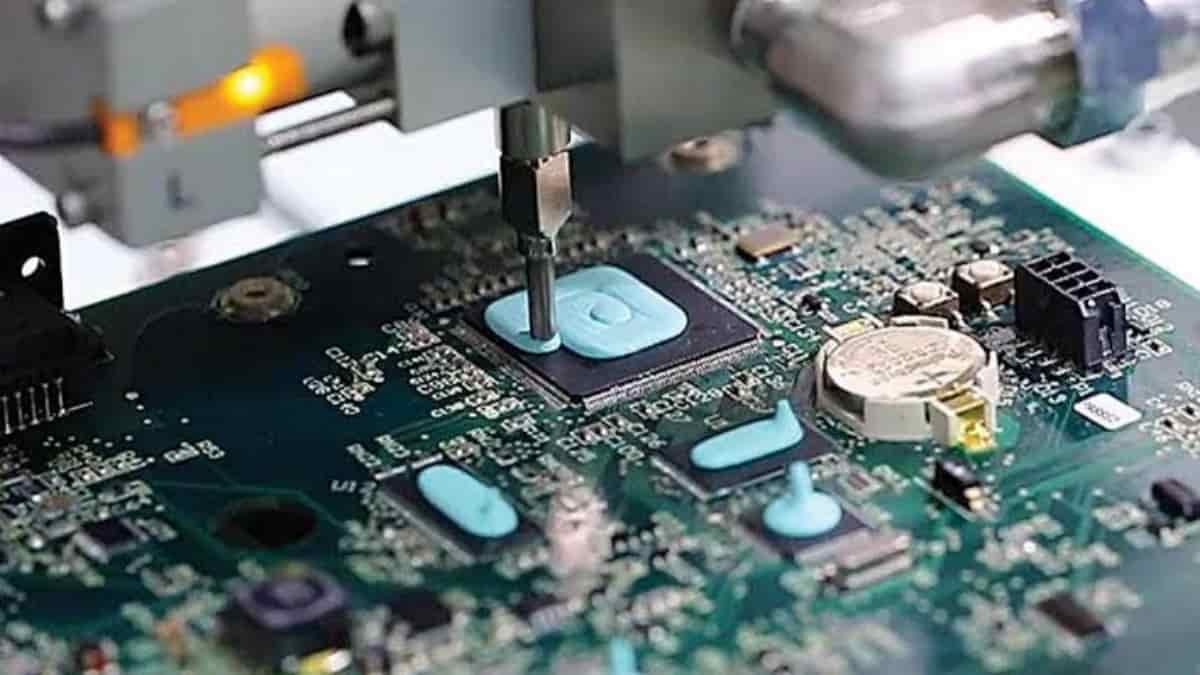
Key Features & Performance
UL94 V-0 & Thermal Runaway Shield
Rapidly self-extinguishes with zero flaming drips. The material absorbs heat and forms a protective ceramic char layer to mitigate thermal runaway propagation between battery cells and adjacent components.
High Dielectric Strength & Electrical Safety
Serves as a superior electrical insulator; even after high-temperature exposure, its non-conductive silica ash prevents critical short circuits.
Extreme Vibration & Thermal Dampening (-50°C to +200°C)
Outperforms rigid epoxies by maintaining permanent elasticity, absorbing severe mechanical shocks in harsh automotive and aerospace environments without cracking.
Precision Automated Screen-Printing
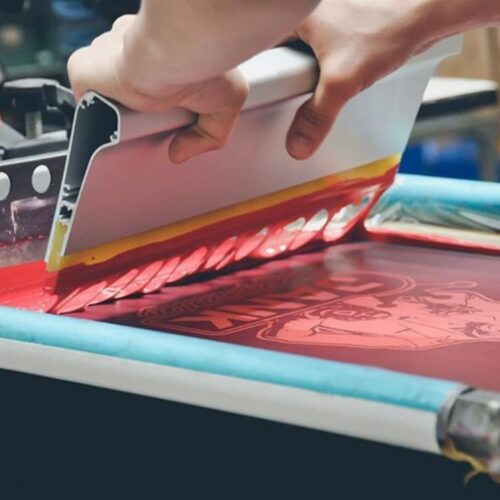
Engineered with thixotropic rheology for high-precision screen printing, enabling sharp micro-patterns or thick 3D gaskets with minimal waste.
Technical Identity & Compliance
| Property | Value / Description |
| Product Name | Halogen-Free Flame Retardant Liquid Silicone Rubber (Printable LSR) |
| Synonyms | Screen-Printable Fire Barrier, UL94 V-0 Silicone Coating, Intumescent Silicone Ink, EV Potting/Printing Silicone. |
| Major Components | Polydimethylsiloxane (PDMS) + Nano-dispersed Aluminum Trihydrate (ATH) / Platinum Catalyst. |
| CAS No | 63394-02-5 (Silicone) / 21645-51-2 (ATH Flame Retardant) |
| HS Code | 3910000000 (Silicones in primary forms) |
| Certifications & Standards Passed | UL94 V-0 (Self-extinguishing ≤ 10s). FAR 25.853 (Aviation interior flammability). EN 45545-2 (Fire protection on railway vehicles). RoHS, REACH, and 100% Halogen-Free (No toxic/corrosive smoke). |
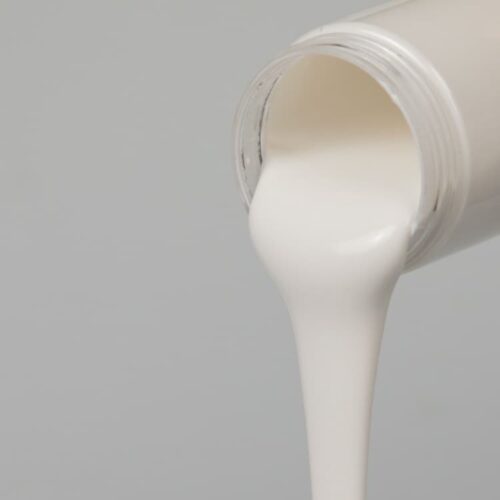
| Appearance | Milky White / Grey / Black Viscous Paste |
| Viscosity | 120,000 – 200,000 cps (Screen Printable & Dispensable) |
| Flammability Rating | UL94 V-0 (at 1.0mm – 3.0mm thickness) |
| Dielectric Strength | > 20 kV/mm |
| Thermal Conductivity | 0.4 – 0.8 W/m·K (Customizable) |
| Hardness (Shore A) | 45 – 55 |
| Mixing Ratio | 10:1 or 100:2 (Base : Catalyst) |
| Packaging | 20KG / 25KG Pails, 200KG Drums (Suitable for automated dispensing/pumping systems) |
| Storage | Store in a climate-controlled warehouse (10°C – 25°C). Keep completely separated from amines, sulfur, and tin complexes (common in standard PU or Epoxy facilities), as these will poison the platinum catalyst and prevent the silicone from curing. |
| Safety Information | Worker-friendly. Contains no toxic solvents, zero VOC emissions during curing, and is completely non-hazardous for global air and sea shipping. (Comprehensive MSDS and UL Test Reports provided). |
Operational Process
To achieve UL-certified results on industrial substrates, follow this factory protocol:
1.Surface Preparation (Crucial for Non-Textiles)
When printing on smooth FR4 (PCBs), PI (Kapton) films, or Aluminum, the substrate must be cleaned. For maximum peel strength, we recommend a Corona or Plasma Treatment immediately prior to printing, or the application of our ultra-thin Silicone Primer.
2.Mesh Selection
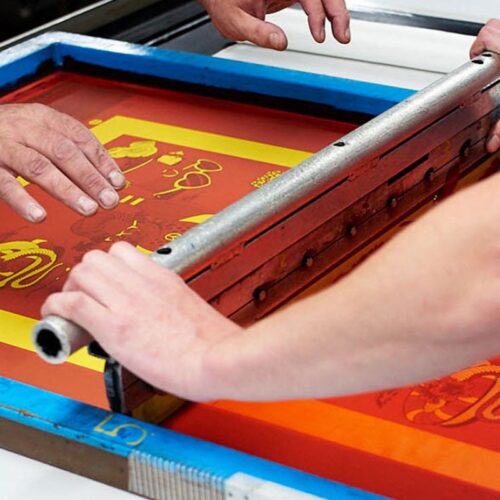
Because this ink is heavily loaded with mineral flame retardants, you must use a lower mesh count: 60 – 100 mesh (24T – 40T). Fine mesh will filter out the FR particles and ruin the UL94 rating.
3.Deposit Thickness
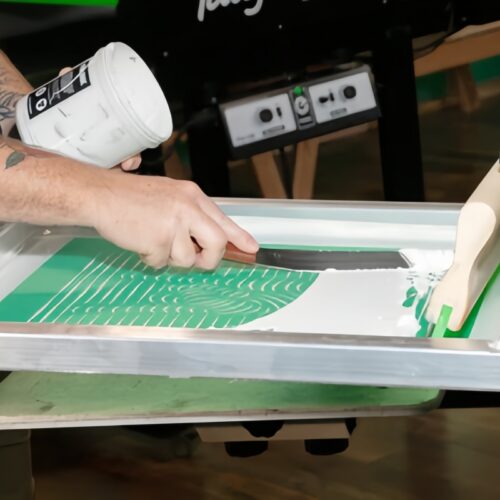
To achieve true UL94 V-0 performance, you must print a sufficient deposit (typically 0.8mm to 1.5mm depending on the formulation). Use a thick capillary film and multiple print strokes.
4.Curing Profile
Flash off solvents (if any) at 100°C for 2 minutes.
Bake in an industrial convection oven or IR tunnel at 150°C for 5 to 10 minutes to ensure complete platinum cross-linking.
Applications by Industry
Our FR Silicone is the backbone of safety across multiple advanced manufacturing sectors
Electric Vehicles (EV) & Energy Storage
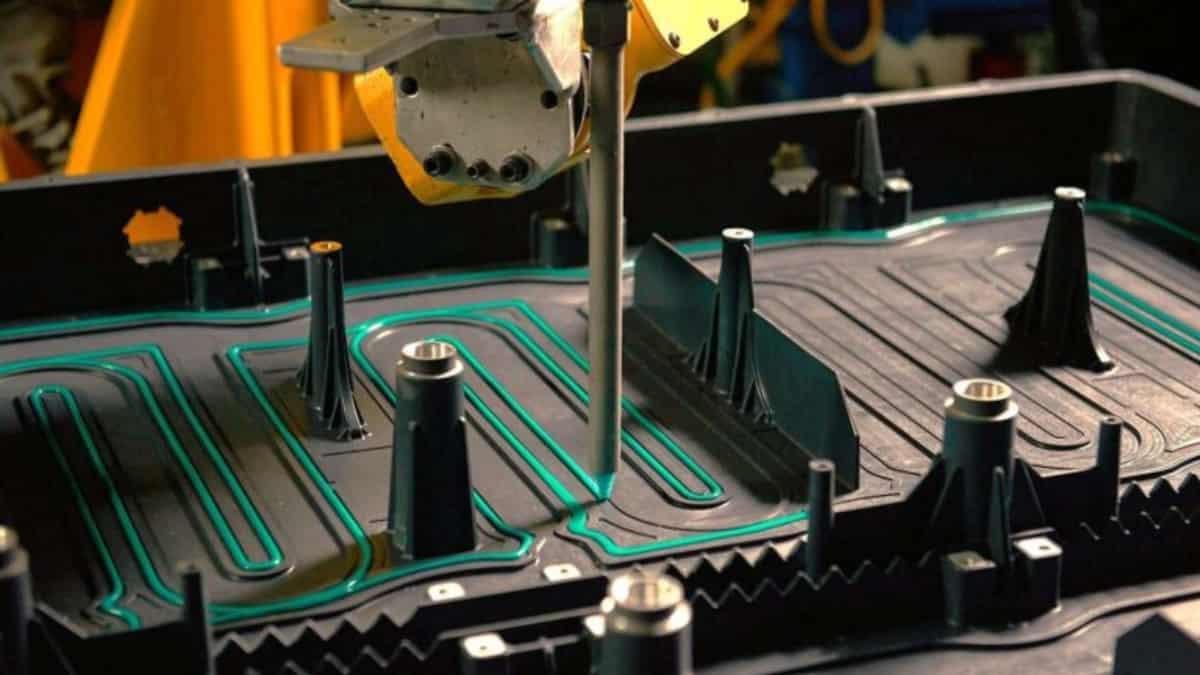
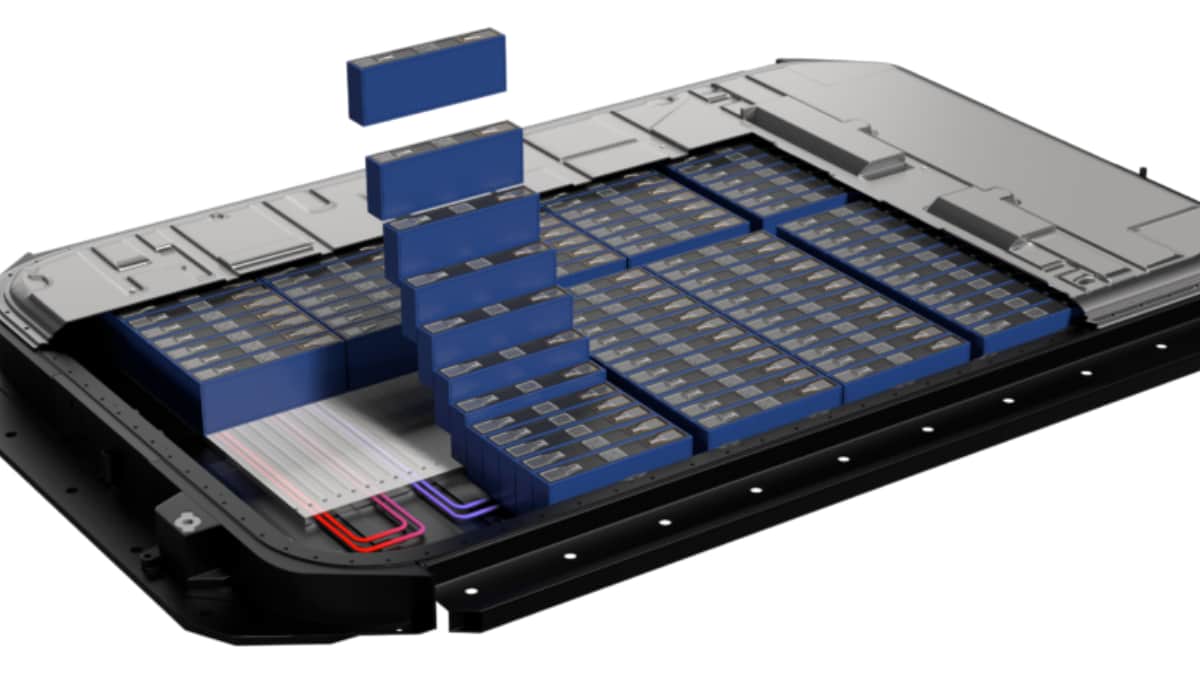
Screen printing highly precise fire-resistant gaskets directly onto battery cooling plates.
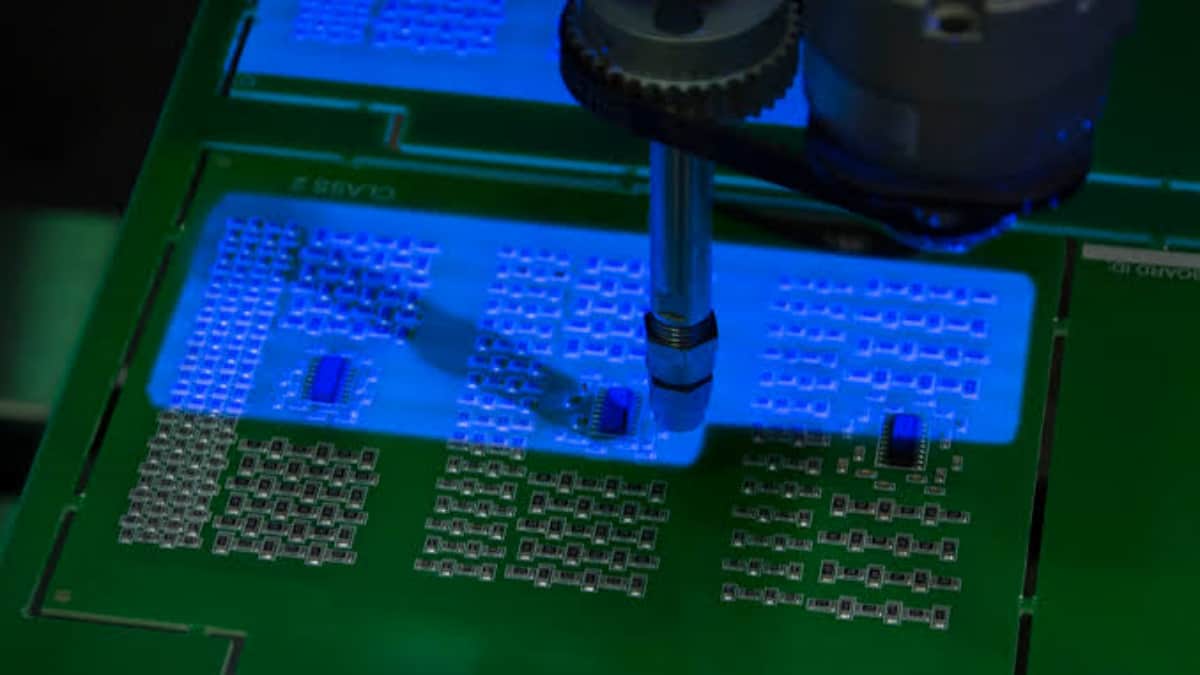
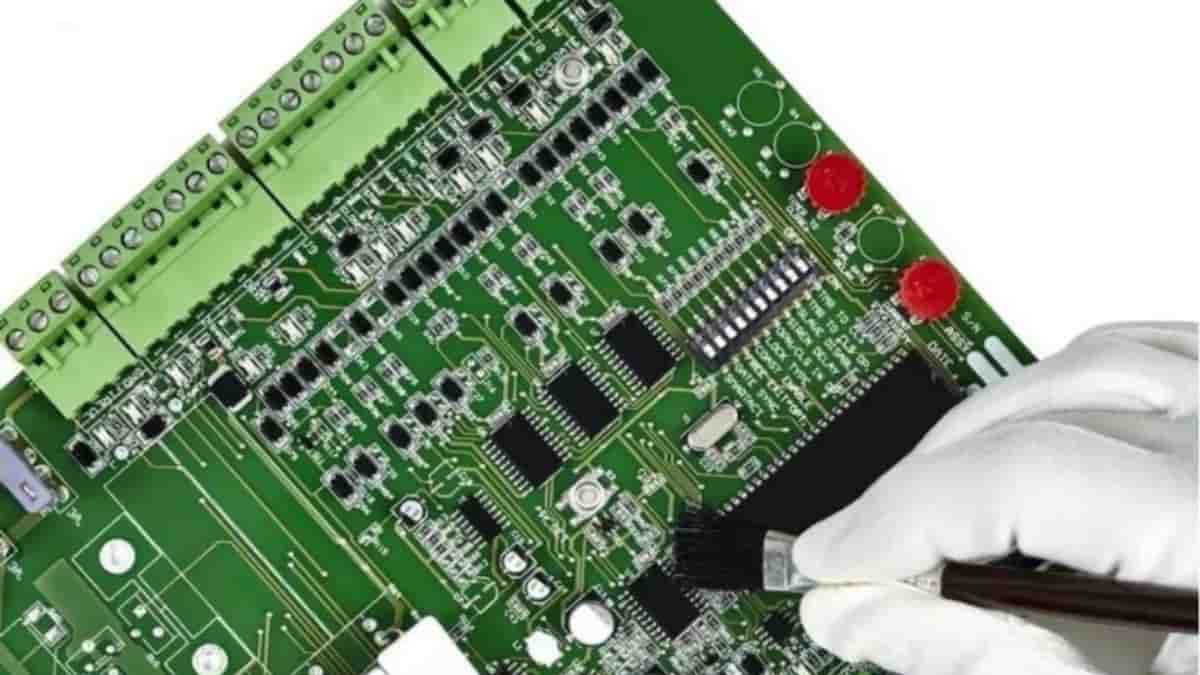
Coating flexible printed circuits (FPCs) and battery cell separators to prevent thermal runaway propagation.
Coating flexible printed circuits (FPCs) and battery cell separators to prevent thermal runaway propagation.
Electronics & PCBs
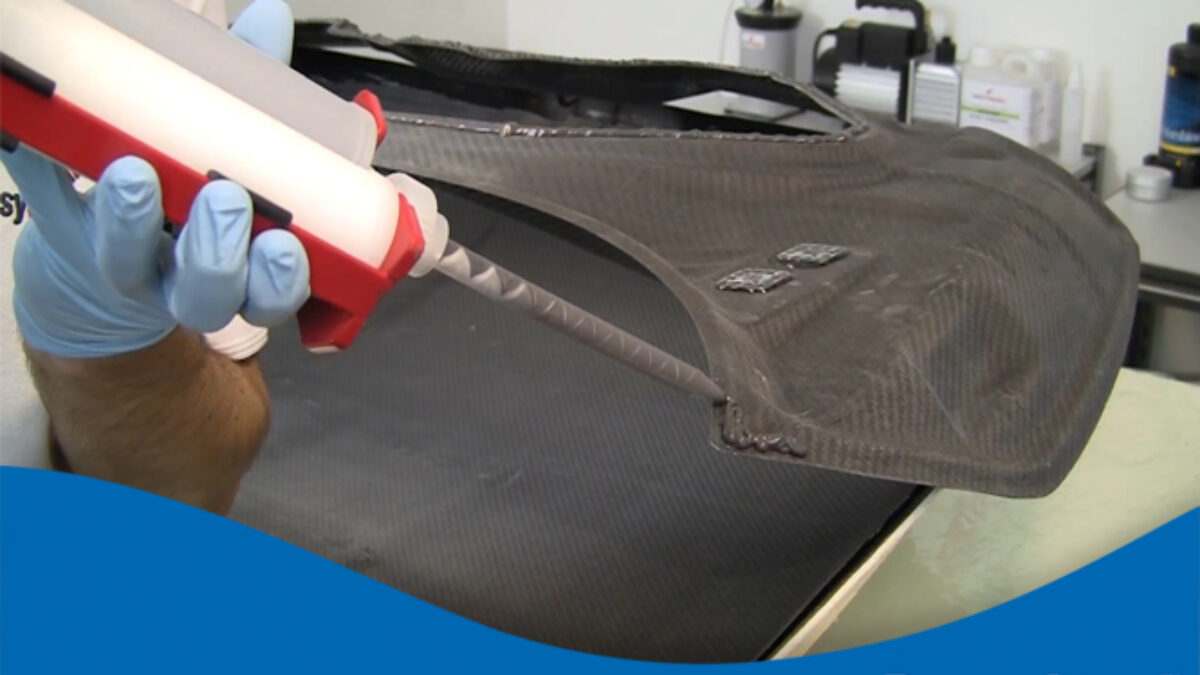
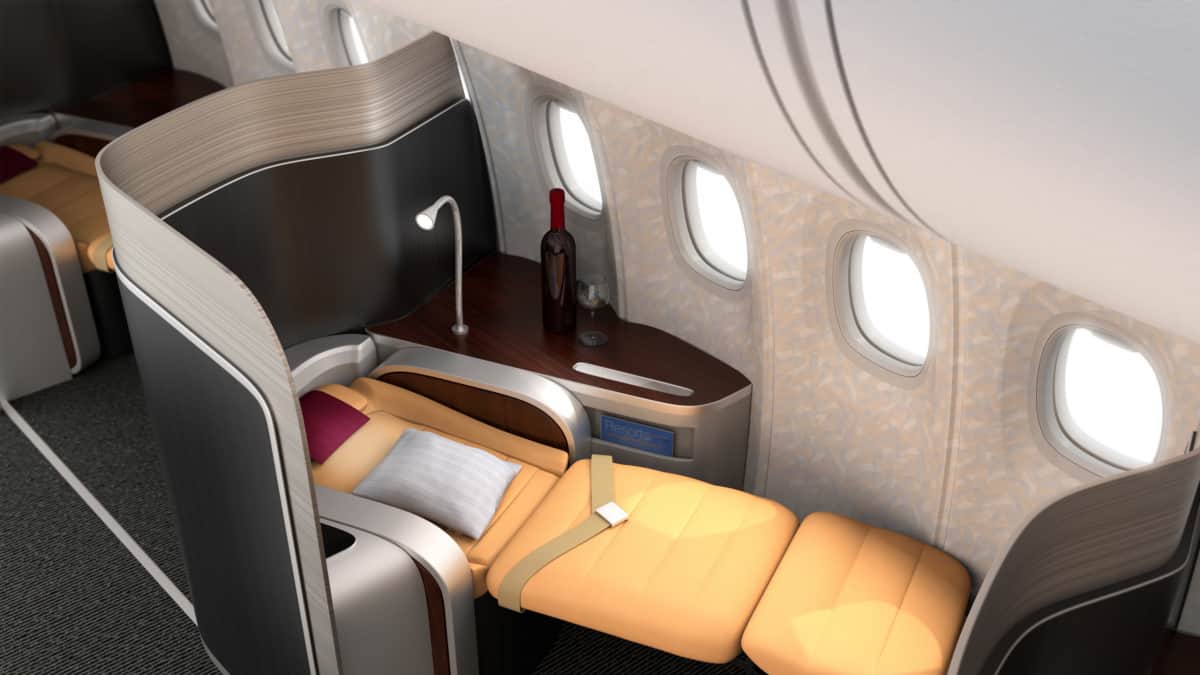
Bonding honeycomb core panels in aircraft; fiberglass hull assembly in yachts (highly water-resistant).
Aerospace & Mass Transit
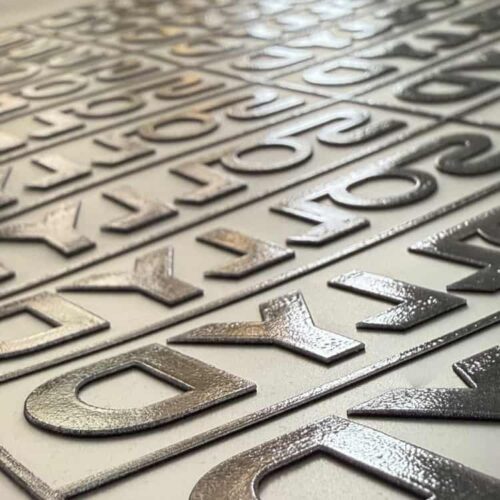
Printing anti-slip, flame-retardant patterns on aircraft flooring and interior composite panels.
Industrial Textiles & Construction
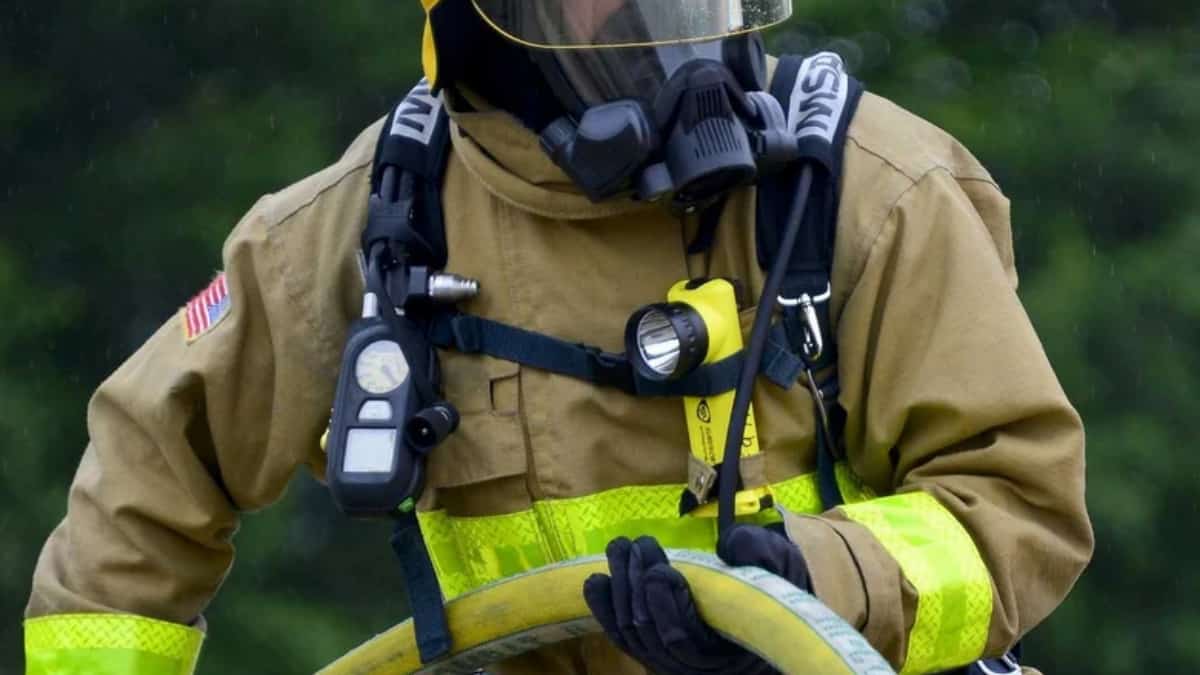
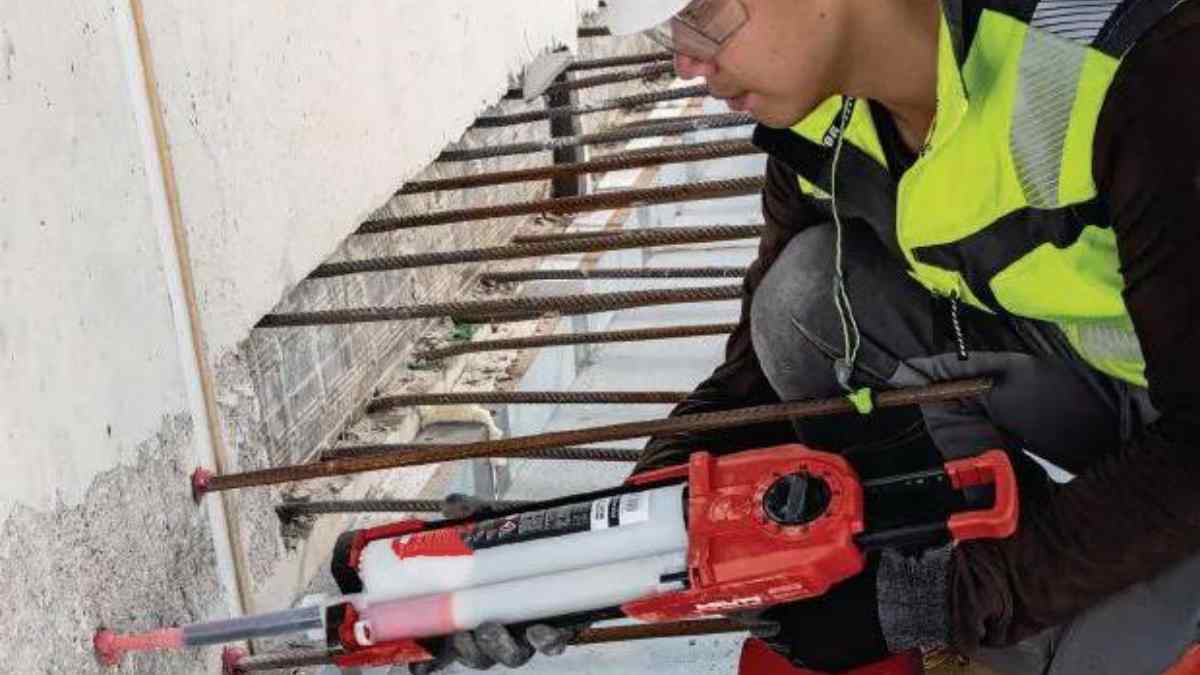
Blade-coating or rotary screen printing onto fiberglass fabrics to create high-performance welding curtains and fire blankets
Protective Apparel (PPE)
Branding and structural printing on Nomex® firefighter turnout gear and FIA racing suits.
Buying Guide: Pain Points & Solutions
We understand our customers’ pain points and purchasing concerns.
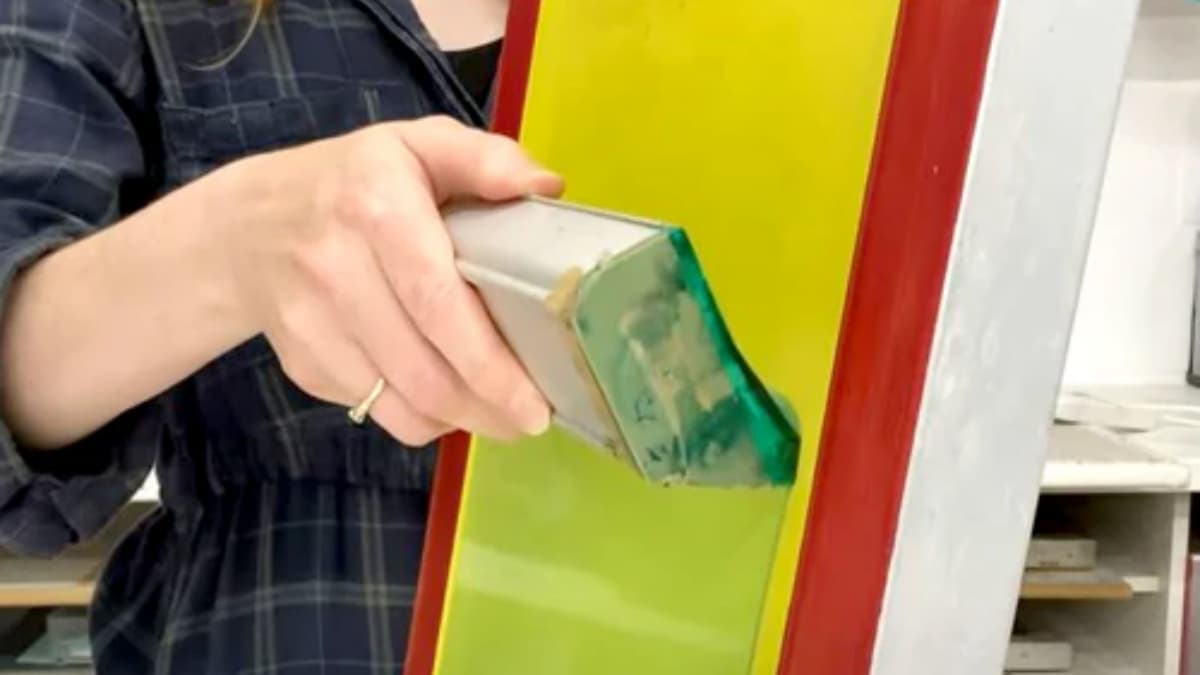
“The flame retardant powders in the ink are scratching my squeegees and wearing out my screens prematurely.”
Our Solution: Cheap FR inks use coarse, abrasive FR powders. Our formulations utilize nano-dispersed, surface-treated Aluminum Trihydrate (ATH) with a particle size of strictly under 5 microns. It flows buttery-smooth through the mesh, protecting your tooling and extending screen life by 300%.
“When a fire happens, the smoke from our current coating destroys the surrounding electronics.”
Our Solution: You are likely using a halogenated (Bromine/Chlorine) coating. When burned, they release highly corrosive Hydrochloric Acid (HCl) gas that eats through copper wiring. Our FR Silicone is 100% Halogen-Free. It emits only safe water vapor and non-corrosive white silica ash.
Comparison: Printable FR Silicone vs. Traditional Methods
| Feature | Our FR Screen-Printed Silicone | FR Epoxy Resins | Die-Cut FR Silicone Pads |
| Application Method | Automated, fast, micro-precision | Messy, slow curing | Manual labor, slow assembly |
| Flexibility / Vibration | ★★★★★ (Highly elastic) | ★ (Brittle, cracks easily) | ★★★★★ (Highly elastic) |
| Toxic Smoke (Fire) | Zero (Halogen-Free) | High (Often contains Bromine) | Zero |
| Cost at Scale | Highly Cost-Effective (Zero waste) | Moderate | Expensive (High material waste) |
Customer Case Study
Client: A Tier-1 Electric Vehicle (EV) Battery Manufacturer in South Korea.
The Pain Point: The manufacturer was manually gluing pre-cut, flame-retardant silicone rubber gaskets onto 10,000 battery module covers per day. The manual labor was causing a severe bottleneck, and the die-cutting process resulted in 30% material waste.
The Solution: We transitioned their assembly line to an automated flatbed screen printing machine using our UL94 V-0 FR Silicone Paste.
The Outcome:
Production Speed Doubled: The automated screen printer applied the complex FR gasket pattern in 3 seconds per cover.
Material Waste Reduced to 0%: Ink is only applied exactly where the screen allows it.
Passed the stringent automotive thermal runaway tests, ensuring zero flame propagation between battery cells.
FAQ – Troubleshooting
Q1: Can this FR Silicone be applied via automated dispensing instead of screen printing?
A: Yes. While perfectly optimized for the high-speed large-area coverage of screen printing, its highly thixotropic nature (shear-thinning) makes it excellent for pneumatic or robotic dispensing valves. It flows smoothly under pressure but instantly holds its 3D shape (non-slumping) once dispensed, making it ideal for Form-In-Place (FIP) gaskets.
Q2: Does adding color pigment to the FR silicone affect its UL94 V-0 rating?
A: Yes, it can. Organic pigments are essentially carbon-based fuels. Adding too much standard pigment will compromise the flame retardancy. We offer pre-pigmented batches (Industrial Grey, Black, Safety Orange) that have been tested and certified. If you must add your own color, use strictly Inorganic Pigments (e.g., Iron Oxides) and keep the loading under 5%.
Q3: How does this silicone maintain electrical insulation (dielectric strength) during a fire?
A: This is the genius of the silicone chemistry. Organic plastics burn away into conductive carbon soot, which causes electrical short circuits. When our FR silicone burns, the backbone converts into Silicon Dioxide (Silica / Glass). This rigid ash layer is a natural insulator, protecting live wires and PCBs from shorting out even while actively exposed to flames.
Q4: Why are there bubbles in my printed FR coating after baking?
A: Micro-bubbles are often trapped air from the screen printing squeegee stroke. Because FR silicone is highly viscous, air cannot escape easily. The Pro Fix: Ensure you let the printed parts sit at room temperature for 3-5 minutes before placing them in the 150°C oven. This “leveling time” allows trapped air to rise and pop before the surface cures.
Q5: I baked the printed FR silicone at 150°C, but it is still wet, gooey, or tacky. What went wrong?
A: You have likely experienced “Platinum Catalyst Poisoning.” Our high-performance FR silicone utilizes an addition-cure (platinum) system. Platinum is extremely sensitive and will be permanently deactivated if it comes into contact with even microscopic traces of sulfur, tin-complexes, heavy metals, or amines. If your factory also uses standard Epoxies or Polyurethanes (PU), the amine vapors outgassing from those glues can poison the silicone. Additionally, using a screen-printing squeegee that was previously washed with sulfur-based solvents will ruin the cure. The Pro Fix: Always use dedicated, strictly clean mixing tools, screens, and squeegees for your platinum silicone, and ensure your printing environment is isolated from epoxy/PU fumes.
Q6: The FR silicone cured perfectly, but it easily peels off our aluminum EV battery cooling plates. How do we fix this?
A: Silicone is inherently non-stick (low surface energy). Smooth industrial substrates like polished Aluminum, FR4 (PCBs), or Polyimide (Kapton) films offer zero mechanical “bite” for the silicone to grip. To achieve a permanent, structural bond that survives extreme thermal cycling, you must alter the surface tension of the substrate. For high-speed automated lines, we highly recommend integrating an in-line Atmospheric Plasma or Corona treatment immediately before the screen-printing station. If plasma is not available, you must wipe or spray the substrate with our specialized Silicone Adhesion Promoter (Primer) and let it dry before printing the FR coating.
Get Started Today
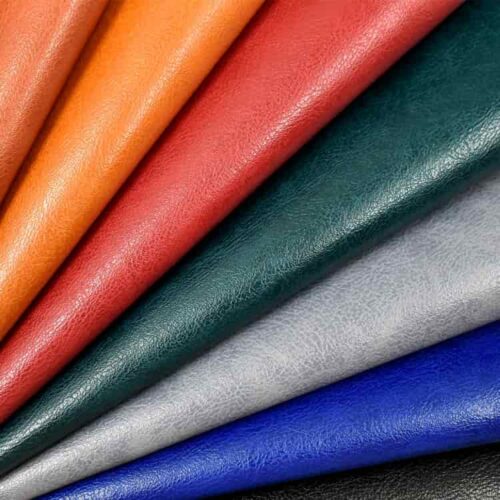
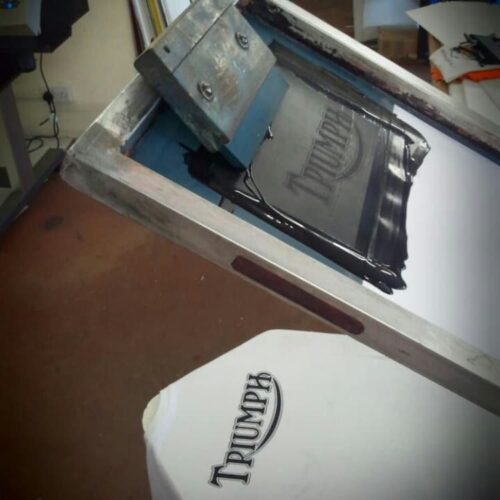
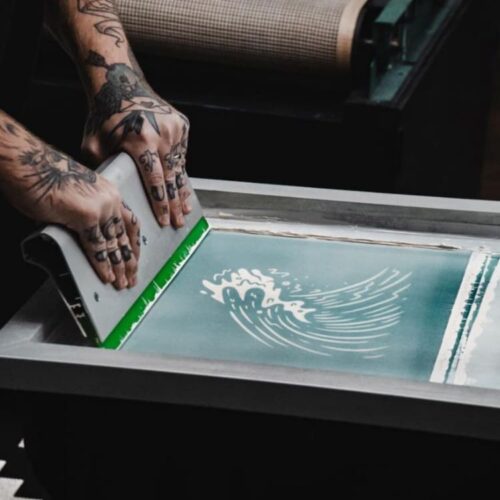
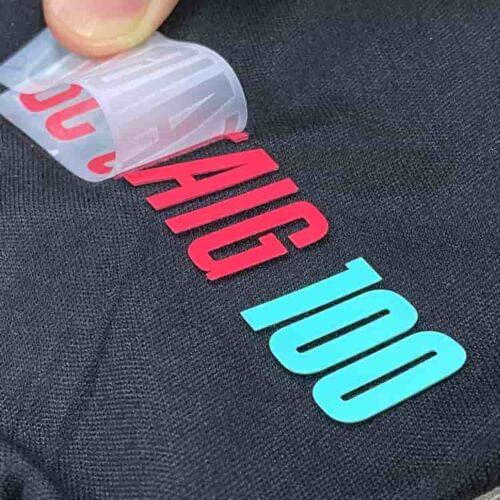
We specialize in engineered polymer solutions for global manufacturers and brands. As a vertically integrated facility, we offer everything from raw Liquid Silicone Rubber (LSR) to high-performance Silicone Inks, Plastisol Ink, and Organic Silicone Leathers. Simply provide your substrate details, performance standards, or printing challenges, and our lab will handle the rest—from custom formulation to stable bulk production.
We offer highly competitive factory-direct pricing (MOQ 100 kg for custom formulations) and secure global supply chains. Our materials are trusted across diverse applications, including high-stretch sportswear, seamless intimates, automotive interiors, and industrial molding.
Don’t see exactly what you need in our standard catalog? Let’s innovate together. Share your exact technical requirements below, and our R&D team will develop a tailored chemical formula designed perfectly for your production line.
· Custom Color Matching & Formula Development Available
· Sample Testing Support
· Sample Lead Time: 3–7 Days
· Bulk Lead Time: 2–4 Weeks



 English
 Deutsch (Sie)
 العربية
 বাংলা
বাংলা 香港中文
香港中文 Français
 Bahasa Indonesia
 Português do Brasil
 한국어
한국어 Tiếng Việt
 日本語
日本語 Polski
 Русский
 Türkçe
 ไทย
ไทย Español de México