-
Call Now +86 13426858645
-
Any Questions info@sollydsiliconeink.com
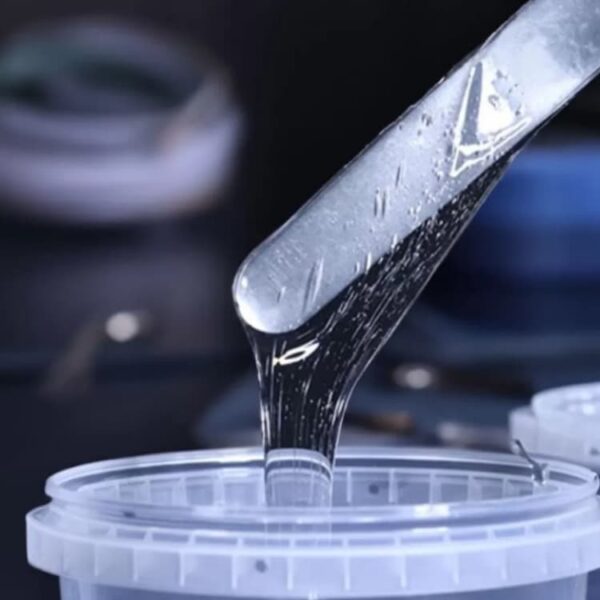
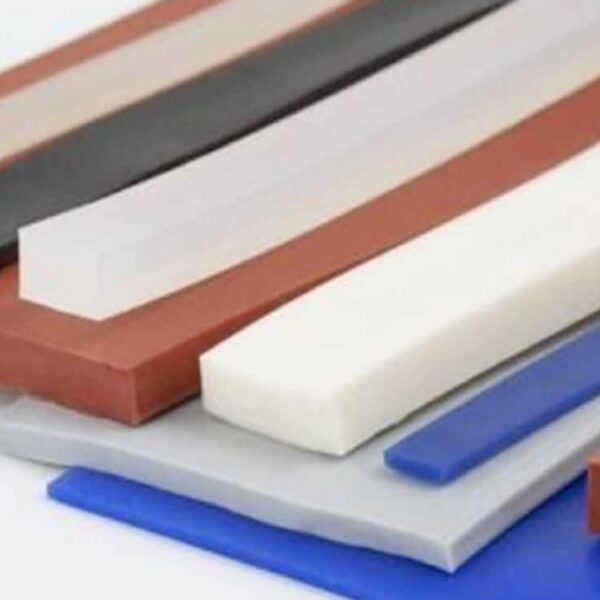
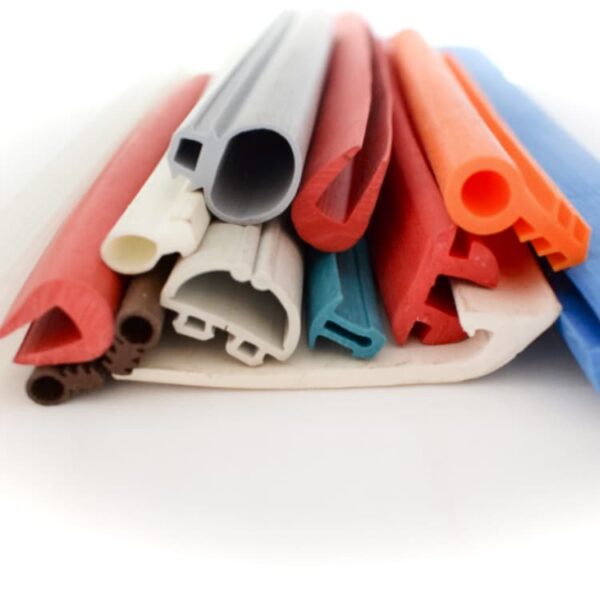
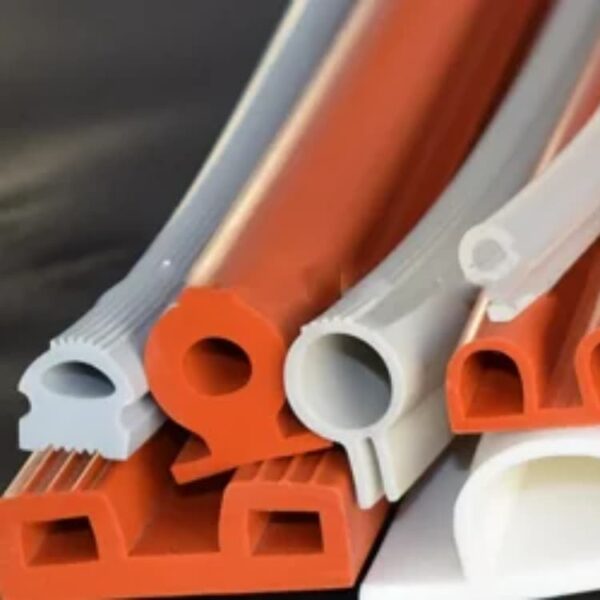


High-Temperature Industrial Silicone for Extreme Thermal Environments
High Temperature Silicone is an advanced, platinum-cured elastomer engineered for continuous heat exposure up to +260°C (+315°C intermittent) without losing elasticity or breaking down. It provides long-term sealing, flame retardancy, and dielectric insulation for critical automotive, aerospace, and industrial equipment applications.
Heat Limit: Continuous up to 260°C, intermittent to 315°C.
MOQ & Pack: Available in 20kg pails or 200kg drum sets.
Certifications: UL 94-V0, FDA, REACH, and RoHS 2.0 compliant.
Shipping & HS: Non-hazardous for air/sea freight (HS Code: 3910.00).
High-Temperature Silicone for Continuous Thermal Service
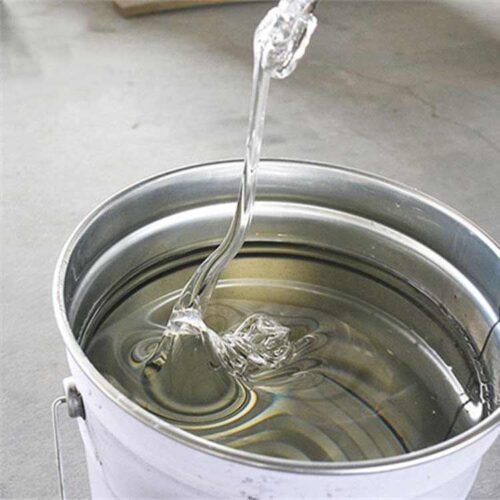
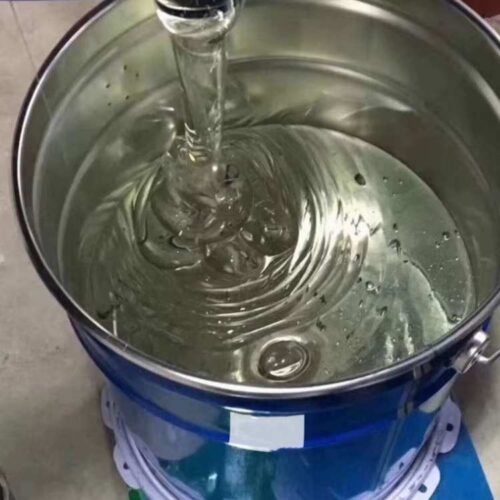
Advanced platinum-cured and heat-stabilized silicone elastomers for continuous thermal service in automotive, aerospace, power electronics and industrial equipment.
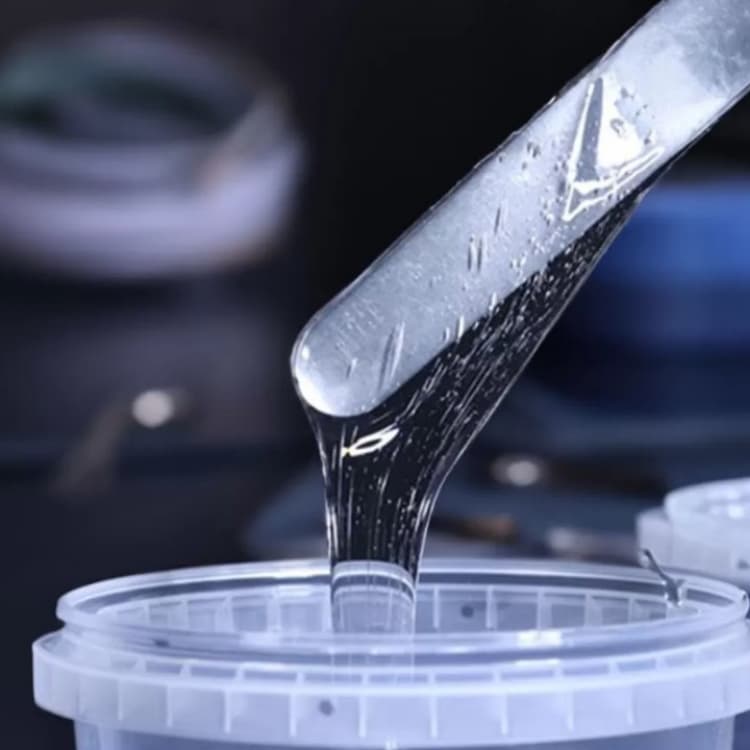
Available as LSR, HCR and RTV systems. Heat-stabilizing additives limit oxidative hardening so seals and insulation retain elasticity, dielectric strength and dimensional stability under prolonged heat load.
Designed for liquid injection molding, extrusion, overmolding and automated gasket dispensing in high-volume production.
Key Properties & Processing
Continuous Thermal Resistance
Continuous service from −50°C to +260°C; selected grades withstand intermittent exposure up to +315°C. Confirm limits under the actual load, pressure and atmosphere.
Electrical Insulation
Maintains dielectric strength in high-voltage connectors, power modules and sensor housings exposed to localized heat.
Elasticity & Compression Set
Low hardness change and compression set after prolonged thermal aging; typical validation includes 1,000 hours at 200°C.
Industrial Processing
LSR for precision molded gaskets and O-rings; HCR for tubing and profiles; RTV grades for form-in-place seals and bonding.
Technical Data
| Property | Value / Description |
| Product Name | High-Temperature Silicone Elastomer |
| Synonyms | Heat-resistant silicone rubber, high-temperature LSR, heat-stabilized HCR. |
| Major Components | Heat-stabilized polydimethylsiloxane (PDMS); platinum-cured addition silicone, HCR or RTV system depending on grade. |
| CAS No | 63148-62-9 (PDMS base) / 68083-19-2 (vinyl-functional silicone) |
| HS Code | 3910000000 (Silicones in primary forms) |
| Compliance Options | UL 94 V-0, FDA 21 CFR 177.2600, REACH and RoHS grades are available. Compliance applies only to the specified grade. |
| Appearance | Translucent, white, grey, black or custom color |
| Viscosity | Grade dependent; formulations available for injection molding, extrusion, overmolding and robotic dispensing. |
| Service Temperature | −50°C to +260°C continuous; up to +315°C intermittent |
| Hardness Range | 20–80 Shore A |
| Thermal Aging | Minimal weight loss and hardness change after 1,000 hours at 200°C; confirm with the selected grade data sheet. |
| Cure System | Platinum-cured addition silicone or heat-stabilized HCR |
| Mixing Ratio | Typical systems use 1:1 or 10:1 A:B ratios; follow the selected grade data sheet. |
| Packaging | 20 kg pails or 200 kg drum sets |
| Storage | Store sealed at 10–25°C unless otherwise specified. Keep platinum-cure materials away from sulfur, amines, organotin compounds and contaminated tools. |
| Safety Information | Consult the SDS before use. Uncured and cured product classification, disposal and transport status depend on the selected grade and local regulations. |
Manufacturing Best Practices
Control dosing, cure conditions and contamination to achieve stable high-temperature properties.
Dosing & Mixing
Maintain a strict 1:1 or 10:1 ratio. For large production, use automated MMD equipment to ensure homogeneous blending of the heat-stabilizing additives.
Cure Temperature
Use an initial cure temperature of 150°C–170°C to achieve full cross-linking density and maximum thermal stability.
Post-Curing
For applications exceeding 200°C, use a representative post-cure of 4 hours at 200°C to remove volatile siloxanes and stabilize mechanical properties.
Inhibition Risks (Platinum Catalyst Poisoning)
Avoid sulfur and tin residues, including latex gloves and condensation-cure silicone. Keep the material away from amines in epoxy adhesives and PCBA cleaning agents. Remove heavy-metal and other industrial contaminants from all mixing and molding equipment.
Typical Applications
Typical uses include turbocharger and cooling-system seals, oven and autoclave gaskets, EV connector insulation, power-module sealing and aerospace engine-compartment components.
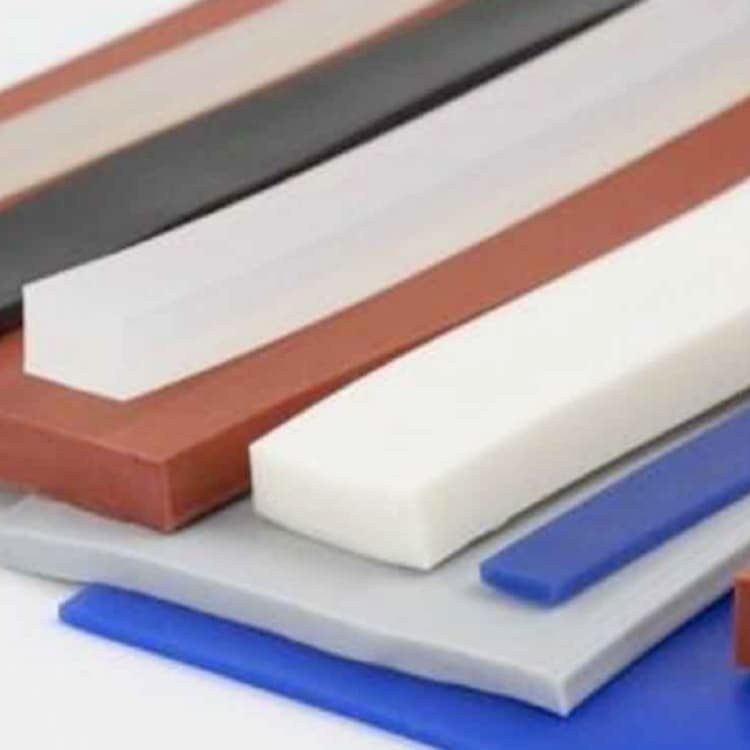
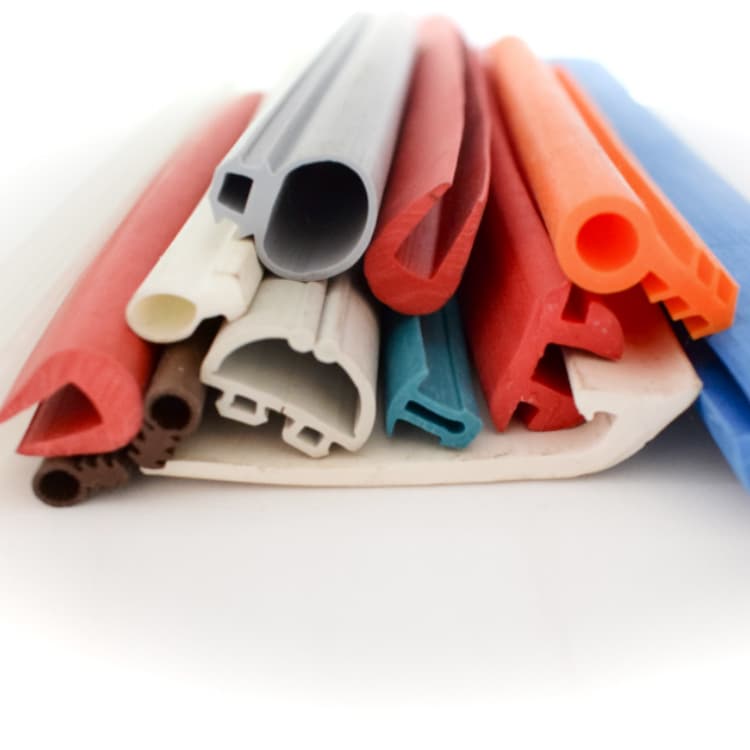
Electric Vehicles & Energy StorageElectric Vehicles & Energy Storage
High-temperature sealing for battery connectors, cooling systems and power electronics.High-temperature sealing for battery connectors, cooling systems and power electronics.
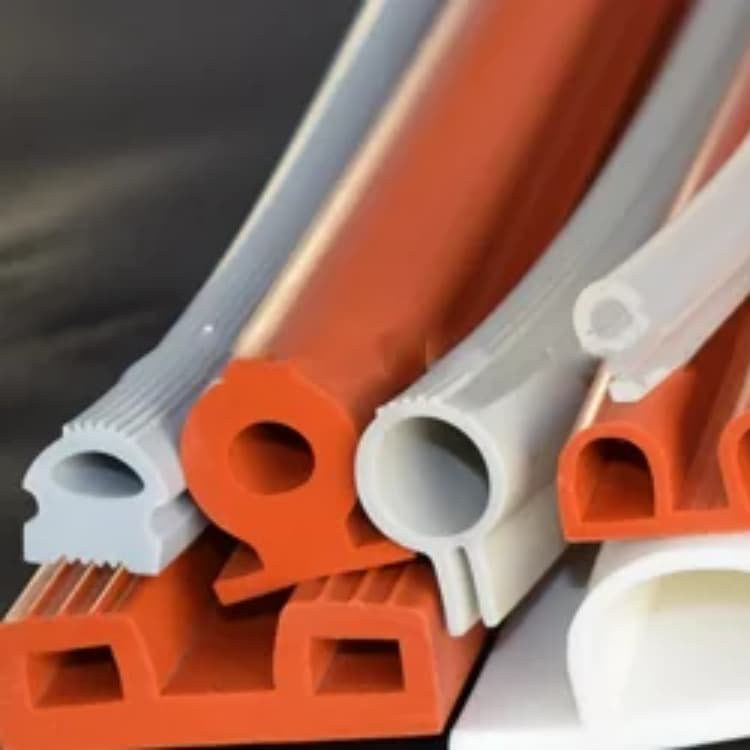
Power ElectronicsPower Electronics
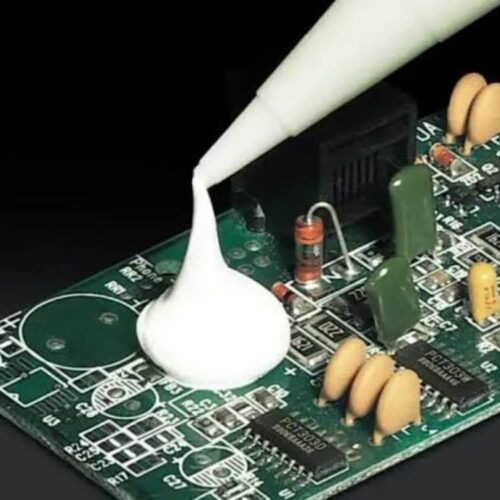
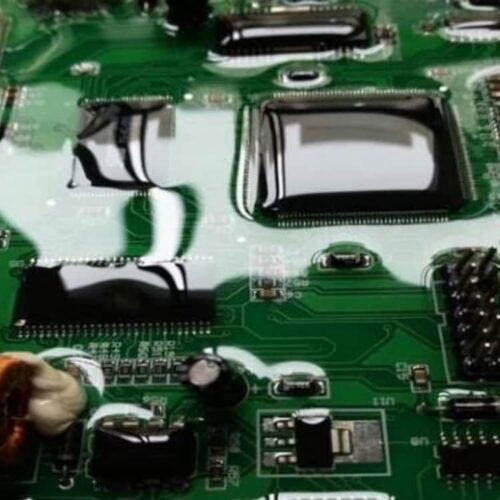
Insulation and sealing for high-voltage connectors, power modules and sensor assemblies.Insulation and sealing for high-voltage connectors, power modules and sensor assemblies.
Aerospace & TransportAerospace & Transport
Engine-compartment seals, ducting components and heat-resistant interior parts.Engine-compartment seals, ducting components and heat-resistant interior parts.
Industrial EquipmentIndustrial Equipment
Oven, furnace, autoclave and drying-chamber gaskets; extrusion and process-equipment seals.Oven, furnace, autoclave and drying-chamber gaskets; extrusion and process-equipment seals.
Automotive Powertrain
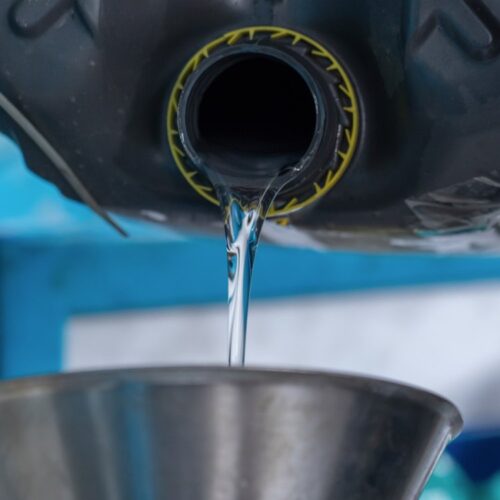
Turbocharger hoses, cooling-system seals and oil-filter seals.
Selection Considerations
Select the grade from service temperature, compression set, steam or fluid exposure, dielectric requirements and required certification.
Issue: Premature hardening during prolonged heat exposure
Specify thermal-aging and compression-set limits at the actual operating temperature; do not select by maximum temperature alone.
Issue: Seal leakage after repeated thermal cycling
For continuous fuel or aggressive-oil immersion at elevated temperature, evaluate fluorosilicone (FVMQ).
Comparison: High-Temperature Silicone vs. Standard Materials
| Feature | High-Temperature Silicone | Standard Silicone | Fluorosilicone (FVMQ) |
| Maximum Continuous Temperature | Up to 260°C | 180°C–200°C | Up to 230°C |
| Thermal Aging | Low hardness change | May harden or crack | Good |
| Oil Resistance | Moderate | Poor | Exceptional |
| Typical Use | High-temperature sealing | General-purpose sealing | Fuel and oil exposure |
Customer Case
Challenge: Autoclave seals became brittle and leaked after three months under repeated 134°C steam and 200°C dry-heat cycles.
Solution: A 60 Shore A, heat-stabilized platinum-cured silicone optimized for low compression set at 200°C.
Result: Service life increased from three months to over one year, with 1,500+ sterilization cycles and 60% lower downtime and service costs.
FAQ – Troubleshooting
Q: Can high-temperature silicone withstand direct flame exposure?
A: While these silicones are stable up to 300°C, they are not intended for direct flame contact unless specifically formulated as Flame Retardant (UL 94-V0) grades; even then, they will eventually char if exposed to constant flame.
Q: Why does standard silicone turn brittle at high temperatures?
A: Standard silicone undergoes “oxidative cross-linking” when exposed to heat and oxygen, causing the polymer chains to harden; our high-temperature grades contain antioxidants and stabilizers to inhibit this process.
Q: Is high-temperature silicone resistant to engine oils and fuels?
A: High-temperature silicone has moderate oil resistance; however, for continuous immersion in fuels or aggressive oils at high heat, we recommend Fluorosilicone (FVMQ) for superior chemical resistance.
Q: What is the benefit of post-curing for high-heat applications?
A: Post-curing removes residual volatile siloxanes and completes the cross-linking process, which significantly improves the compression set and prevents part shrinkage or outgassing during high-temperature service.
Q: How do you achieve a 300°C intermittent rating?
A: We utilize high-purity siloxane polymers combined with specialized inorganic heat stabilizers (like iron oxide or cerium) that neutralize the free radicals generated at extreme temperatures.
Q: Is high-temperature silicone food-grade?
A: Yes, we offer specific grades that meet FDA 21 CFR 177.2600 and BfR XV requirements, making them suitable for high-heat food processing equipment and kitchenware.



 English
 Deutsch (Sie)
 العربية
 বাংলা
বাংলা 香港中文
香港中文 Français
 Bahasa Indonesia
 Português do Brasil
 한국어
한국어 Tiếng Việt
 日本語
日本語 Polski
 Русский
 Türkçe
 ไทย
ไทย Español de México