-
Call Now +86 13426858645
-
Any Questions info@sollydsiliconeink.com
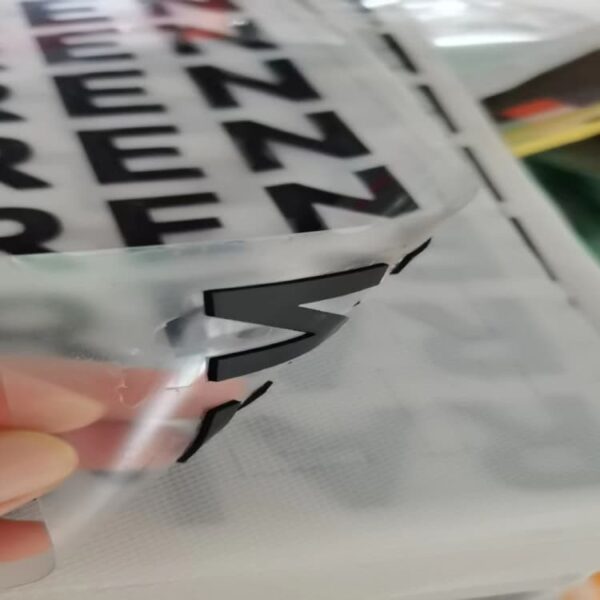
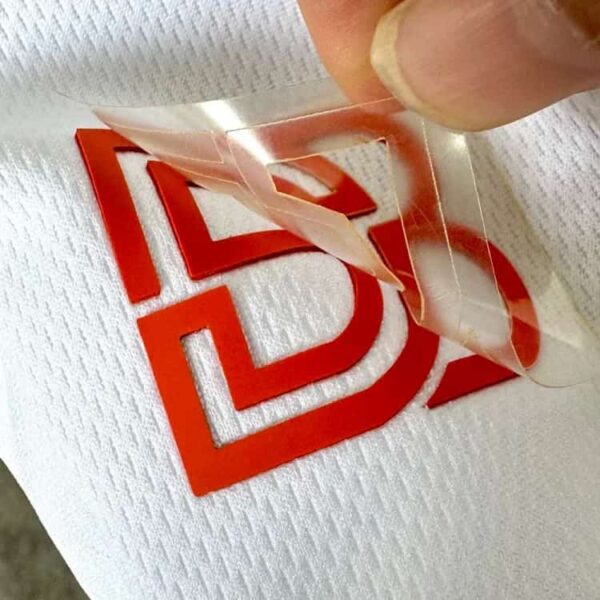
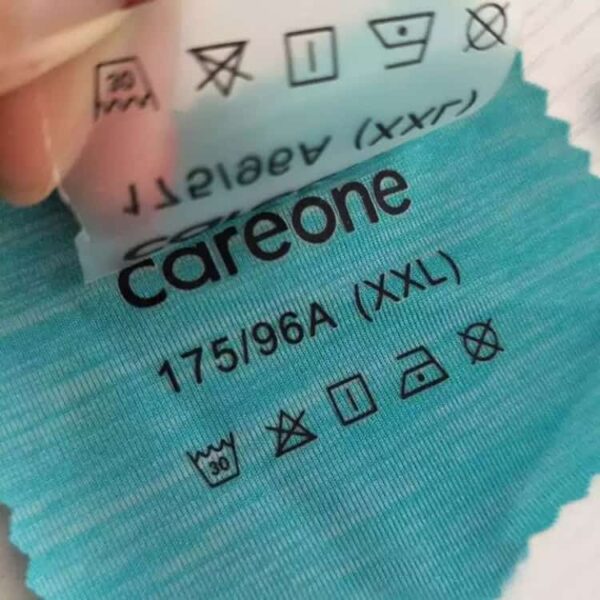

Liquid Silicone Heat Transfer Vinyl for Letter Cutting (Silicone HTV)
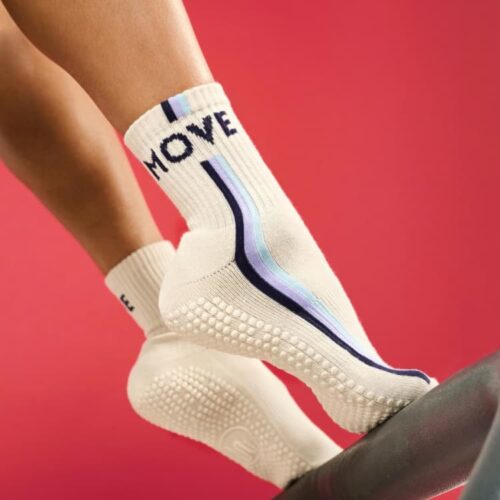
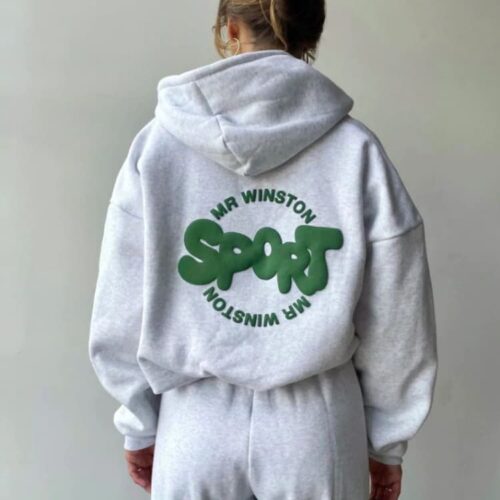
Stop wasting time on weeding PU vinyl. Our screen-printable silicone ink delivers premium 3D raised logos with 400%+ elongation and superior wash fastness. OEKO-TEX certified and Nike/Adidas RSL compliant. Ideal for high-end sportswear, swimwear, and tagless labels.
- MOQ (Minimum : 20 KG (Standard Pails); Custom trial orders negotiable for first-time partners.
- Sample Availability: 1 KG Sample Kits available (Shipping cost excluded). Includes Silicone Base, Catalyst, and Linker for testing.
- Packaging Options: 5KG Pail, 20KG Pail, or 200KG Drum (Vacuum-sealed for long-term stability)
- Lead Time: 3 – 7 Working Days for standard orders; 10 – 15 days for bulk container quantities.
High-Efficiency 3D Heat Transfers Silicone Printing
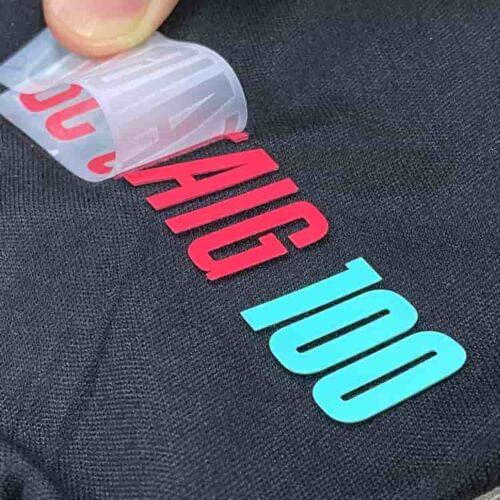
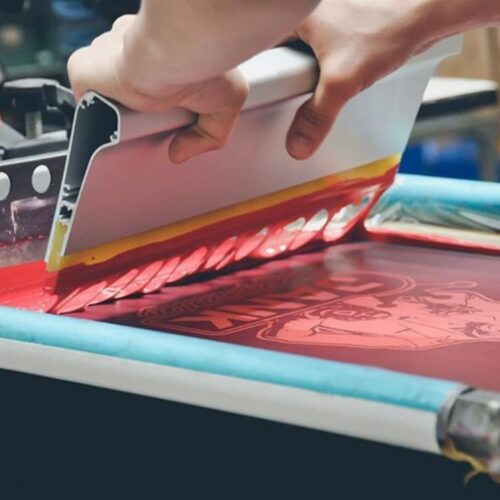
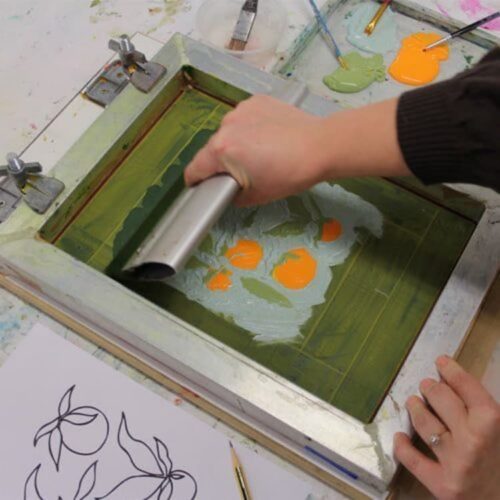
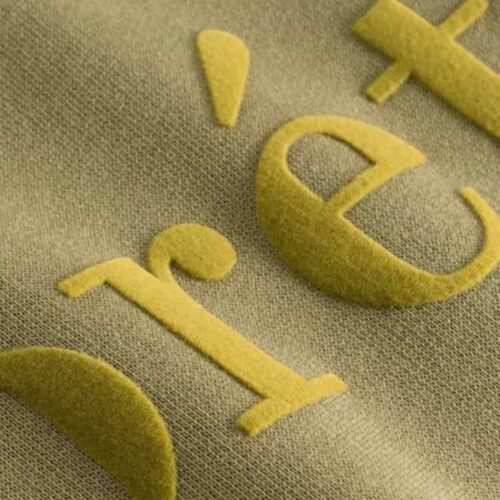
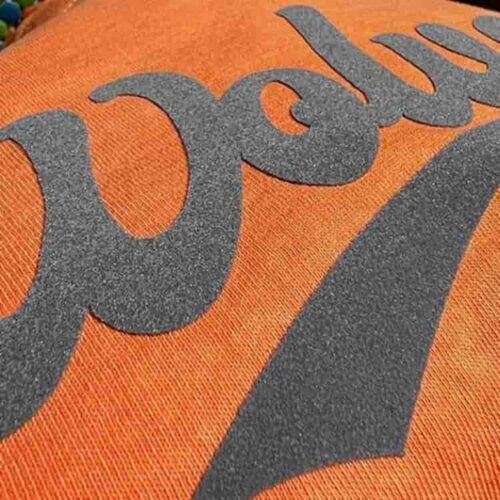
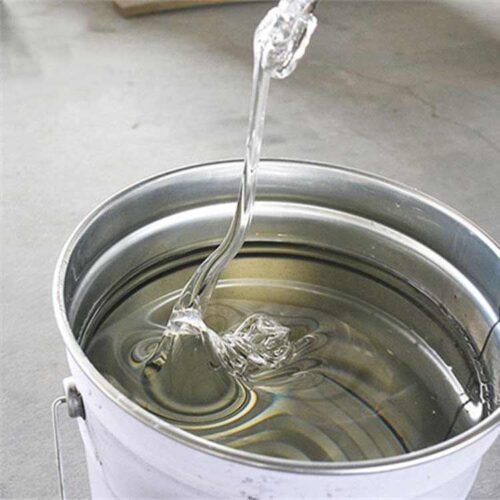
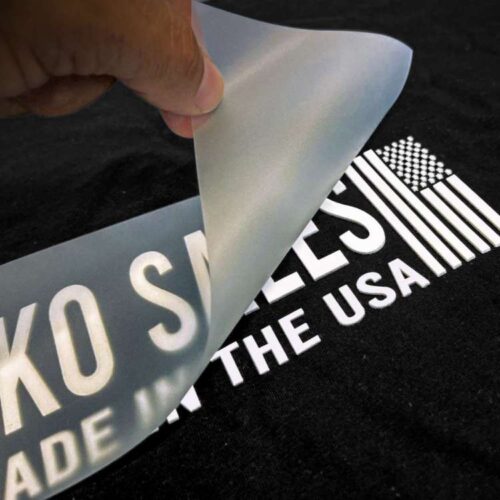
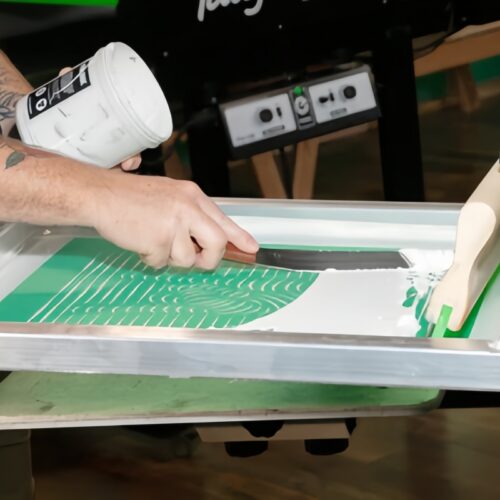
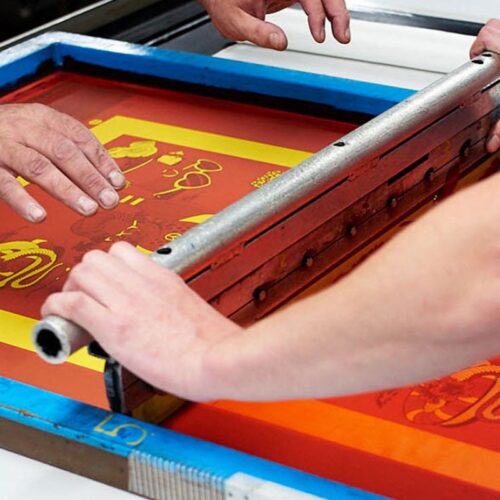
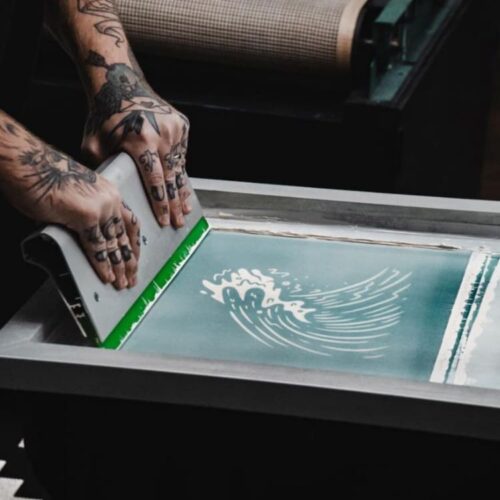
Our premium silicone heat transfer system empowers you to produce luxurious, 3D-raised, and highly elastic logos with exceptional efficiency. By screen-printing our advanced liquid silicone directly onto PET release films—and backing it with specialized TPU film or hot melt powder—you efficiently create high-end, multi-colored transfers ready for immediate heat pressing.
Designed to meet the exacting standards of the premium apparel market, this system provides striking visual depth and a soft-hand feel. It is the ideal solution for complex branding on high-stretch sportswear, athletic gear, and fashion garments. The transferred silicone moves naturally with the fabric, ensuring that even the most intricate logos maintain their structural integrity and comfort during rigorous wear.
Contact us for a quote and customization of greener and softer silicone ink screen printing materials.
Key Features & Performance
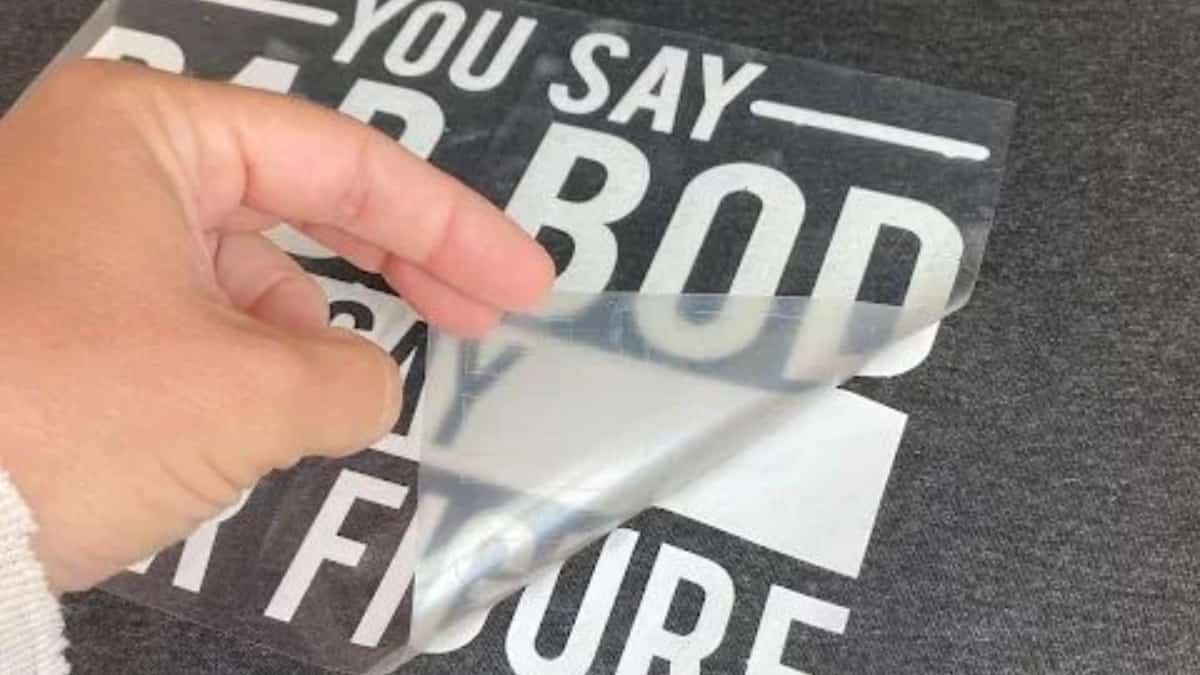
ngineered to streamline your production and elevate transfer quality.
Zero Weeding Required
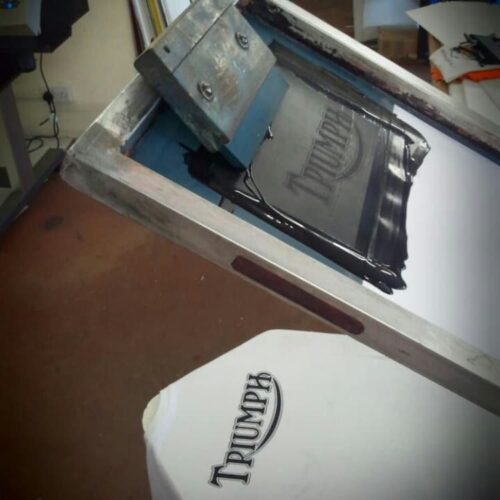
Utilizing the screen-printing process, you can efficiently achieve extremely fine details, free-floating text, and complex halftone designs without the labor-intensive weeding process.
Dynamic 3D & Advanced Stretch
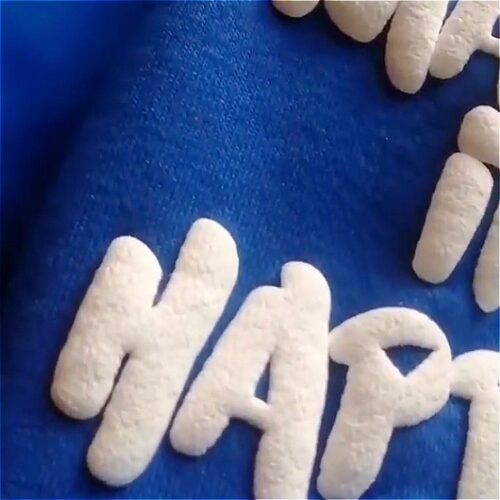
Delivers highly structural 3D raised effects. It stretches over 400% and rebounds instantly, offering strong resistance to cracking even on high-compression sportswear (Lycra/Spandex).
Incredible Wash Fastness
When properly applied with our specialized hot melt backing, it creates a permanent bond. It reliably withstands rigorous 60°C wash tests (50+ cycles) without peeling or edge-lifting.
Soft, Premium Hand Feel
Cures to a luxurious, flexible finish that moves naturally with the fabric. Available in sophisticated matte or glossy options, ensuring a high-end tactile experience for premium activewear.
Technical Identity & Compliance
| Property | Value / Description |
| Product Name | Liquid Silicone Rubber for Heat Transfers |
| Synonyms | Silicone Transfer Ink, 3D HTV Silicone, Heat Press Silicone, Printable Silicone HTV, Molded Silicone Transfer Base. |
| Major Components | Polydimethylsiloxane (PDMS) and Platinum Catalyst. |
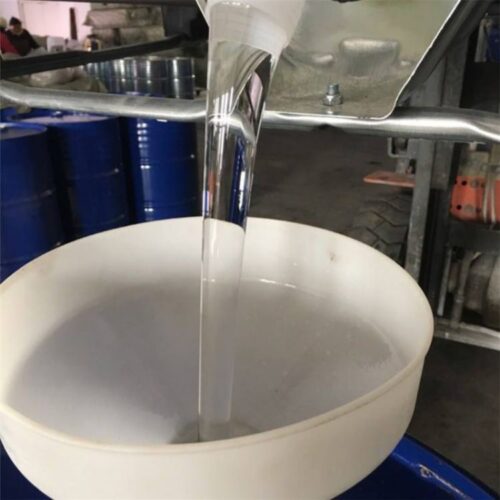
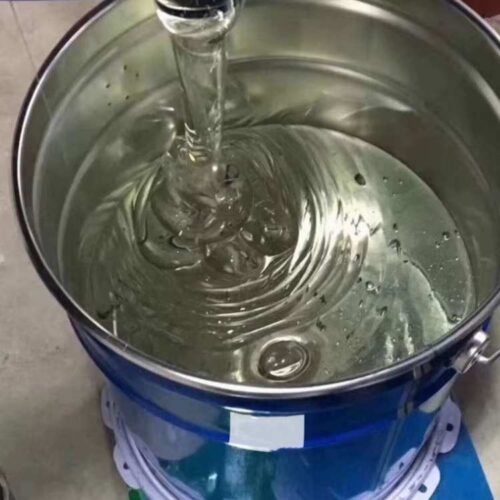
| Appearance | Translucent Paste (Ready to be pigmented) |
| Viscosity | 150,000 – 250,000 cps (Screen-printable) |
| Hardness (Shore A) | 35 – 45 (Flexible and durable) |
| Cure System | Platinum Addition (Thermal Cure) |
| Mixing Ratio | 10:1 (Base : Catalyst) |
| Mesh Recommendation | 80 – 120 Mesh (32T – 47T) |
| Transfer Heat Press Temp | 140°C – 160°C (284°F – 320°F) |
| Transfer Heat Press Time | 12 – 15 Seconds (Medium-Heavy Pressure) |
| CAS No. | 63394-02-5 (Silicone Polymer Base) |
| EINECS | 264-131-3 |
| HS Code | 3910000000 (Silicones in primary forms) |
| Certifications | OEKO-TEX Standard 100 Class I (Babywear safe), ZDHC Level 3, Nike/Adidas RSL Compliant, PVC-Free, Phthalate-Free. |
| Packaging | 5KG / 20KG pails. Sample 1KG kits available. |
| Storage | Store in a cool, dry, dark environment (10°C – 25°C). WARNING: Keep the base strictly separated from the platinum catalyst until ready to print. Any cross-contamination (even from a dirty spatula) will cause the entire bucket to cure into solid rubber. Shelf Life: 12 Months. |
| Safety Information | 100% Solid content, zero VOCs, solvent-free. Odorless and operator safe. (MSDS provided). |
Operational Process: How to Make the Transfer
Making a silicone transfer requires a specific chemical stack. Silicone repels glue, so the “Linker” step is absolutely critical.
1.Preparation & Print the Colors & 3D Layer
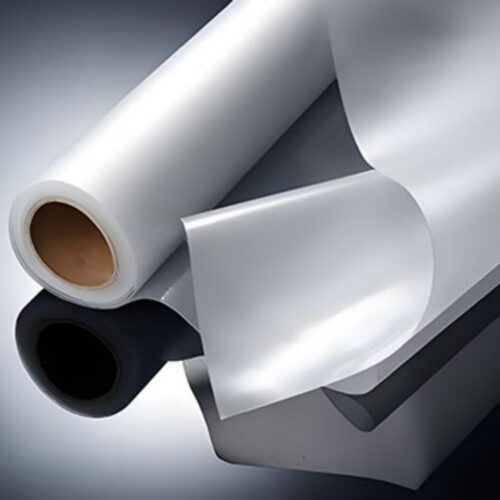
Print on a Matte or Glossy PET Release Film.
Mix Silicone Base + Catalyst (10:1) + Pigment. Screen print multiple layers (Print-Flash-Print at 100°C) to achieve your desired colors and 3D height.
2.Print the Blocker (Optional)
If transferring onto sublimated polyester, print 2 layers of our Anti-Migration Carbon Silicone to prevent dye bleeding.
3.Print the Linker (CRITICAL STEP) & Apply Hot Melt Adhesive
Print 1-2 layers of our specialized Silicone-to-Glue Crosslinker (Tie-coat). Without this, your hot melt glue will separate from the silicone during the first wash!
While the Linker is still wet, either sprinkle Hot Melt TPU Powder over it, OR laminate a TPU Hot Melt Film onto it.
4.Final Bake & Heat Press
Run the PET film through a tunnel dryer at 120°C – 130°C for 2-3 minutes to melt the powder/film and fully cure the silicone.
Press the finished transfer onto the garment at 150°C for 12-15 seconds. Cold Peel the PET film.
Applications & Fabrics
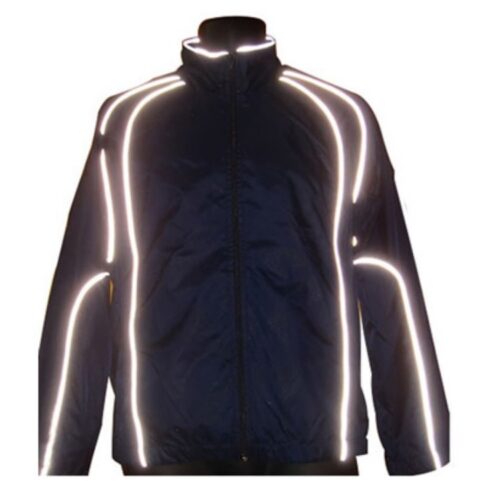
The ultimate branding solution for high-value garments where direct screen printing is difficult or impossible.
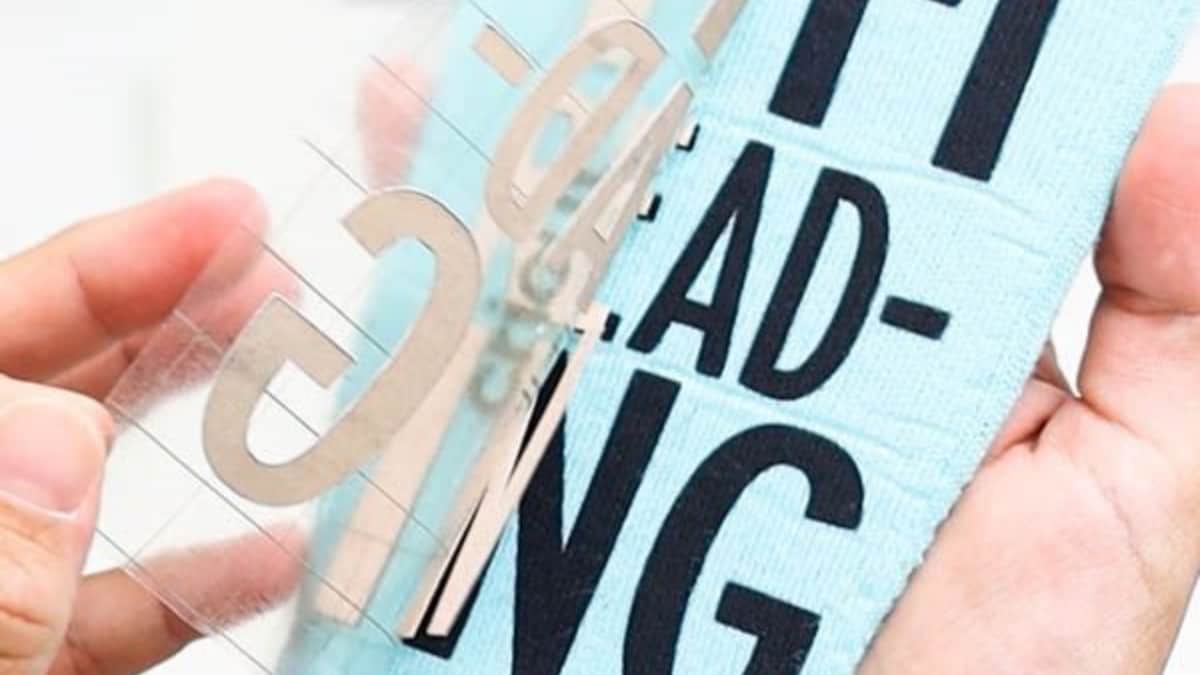
Cotton
Transforms standard cotton garments with a luxurious, soft-touch 3D architectural finish that far surpasses the feel of traditional plastisol.
High-stretch Polyester
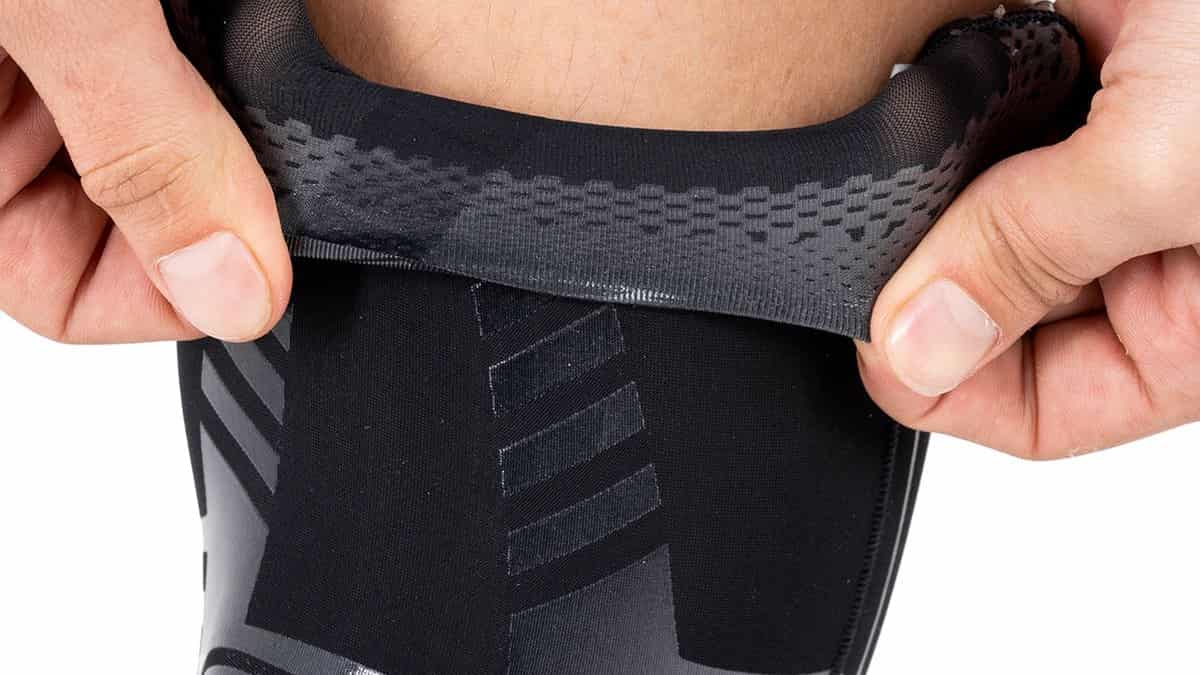
Ensures absolute design integrity with superior elasticity that prevents cracking or peeling, even under the most intense athletic movement.
Spandex/Lycra
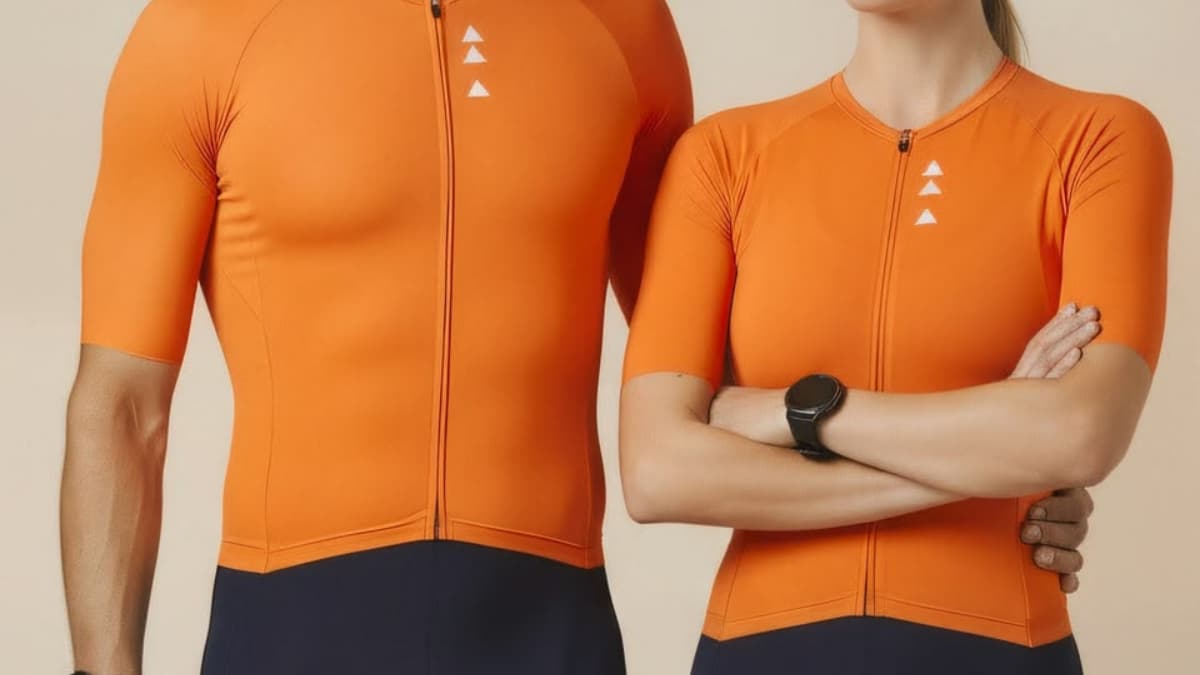
Features extreme 400% elongation and instant recovery, moving in perfect synchronization with high-compression fabrics without distortion.
Nylon
Delivers industrial-grade adhesion on low-surface-energy nylon fibers through our specialized cross-linking technology for maximum wash-fastness.
Softshell
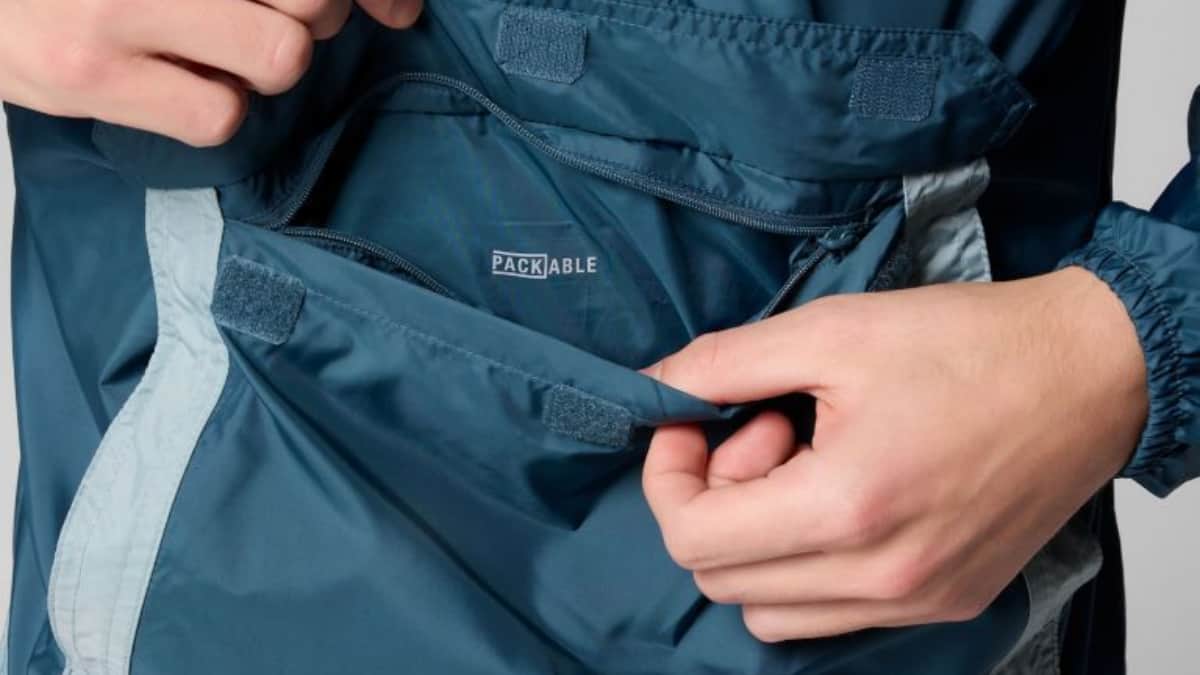
Provides a high-density barrier that eliminates dye migration, ensuring white logos stay crisp and bright on dark, multi-layered outdoor fabrics.
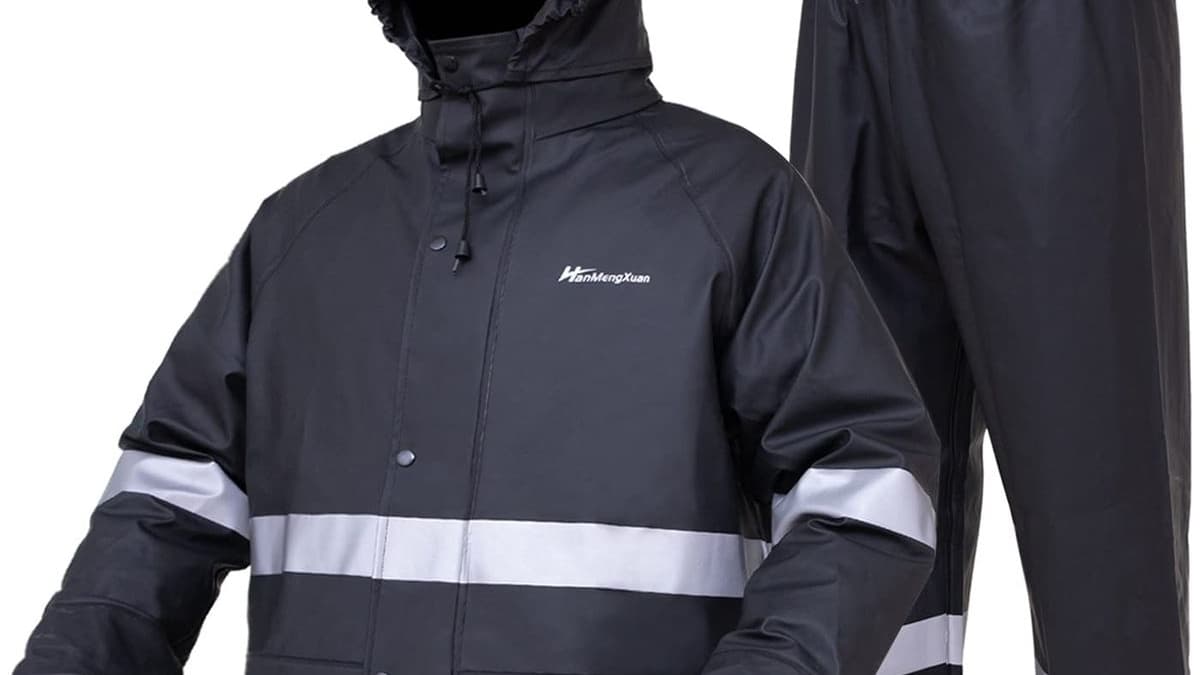
Waterproof fabrics
Overcomes technical coating challenges by creating an unbreakable chemical bond that resists delamination in extreme weather conditions.
Buying Guide: Pain Points & Solutions
We understand our customers’ pain points and purchasing concerns.
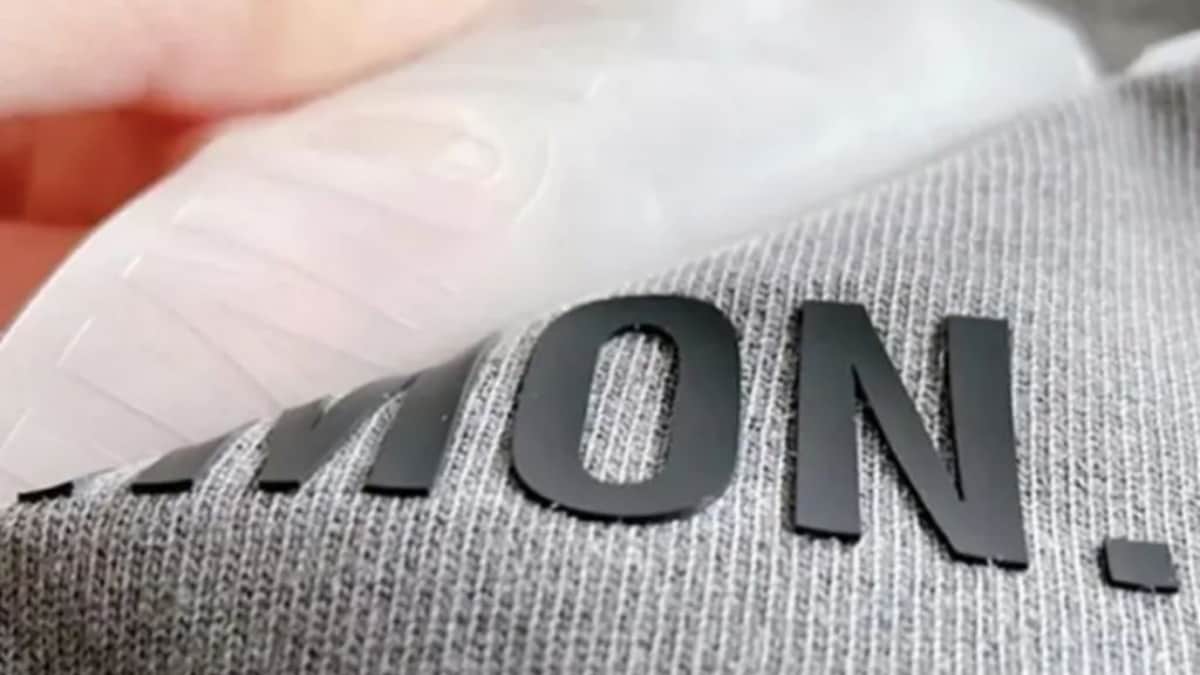
“My silicone transfers peel off the shirt, leaving the glue behind on the fabric.”
Our Solution: This is a classic “delamination” failure due to silicone’s naturally low surface energy. To resolve this, our proprietary silicone transfer linker acts as a vital bridge between the silicone ink and the hot melt adhesive. It creates a highly durable, cross-linked chemical bond that effectively prevents layer separation.
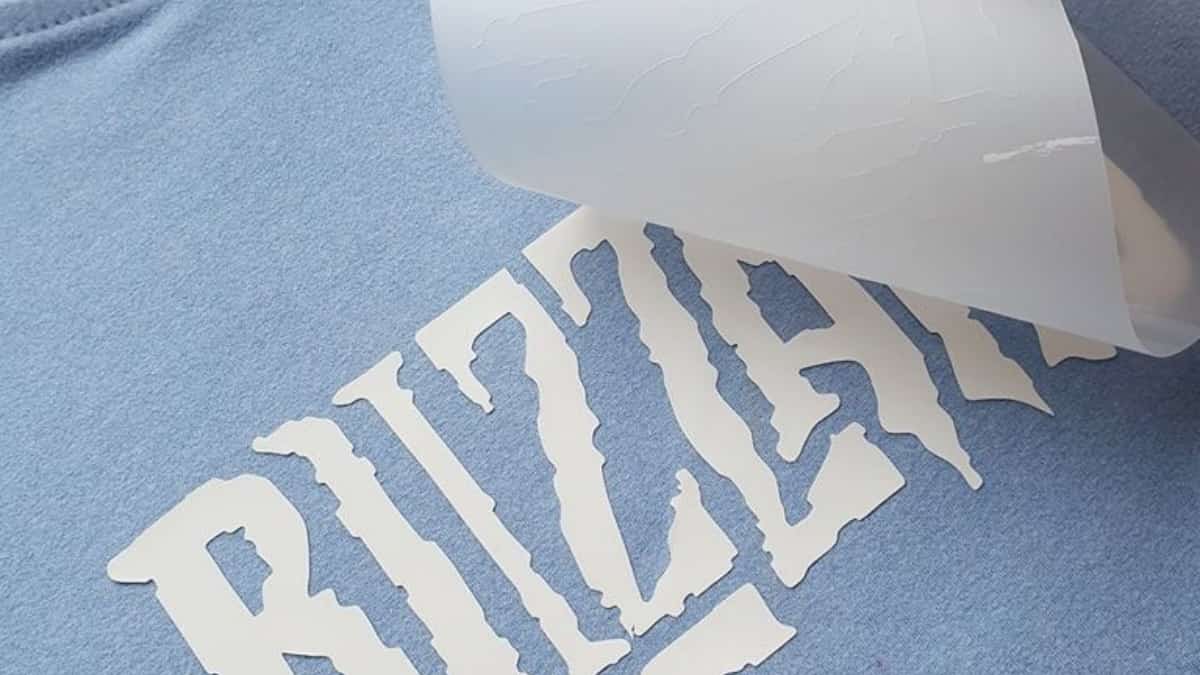
“The surface of my transfer has tiny bubbles after peeling the PET film.”
Our Solution: Micro-bubbles typically occur when air is trapped during printing or if the flash-curing temperature is too high. Our transfer silicone features advanced self-deaerating agents that rapidly release trapped air. By pairing this formulation with an optimized flash temp (e.g., 100°C), you can consistently achieve a flawless, ultra-smooth finish.
Comparison: Screen Printed Silicone HTV vs. Plotter PU HTV
| Feature | Our Screen-Printed Silicone HTV | Standard PU HTV Rolls |
| Production Speed | ★★★★★ (Mass print thousands per hour) | ★★ (Slow cutting & manual weeding) |
| Thickness/3D Effect | Highly customizable (up to 2mm+) | Flat (0.1mm) or limited puff |
| Detail Resolution | Extreme (Fine lines, floating dots) | Limited by plotter blade & weeding |
| Stretch & Rebound | ★★★★★ (Superior) | ★★★ (Moderate, prone to wrinkling) |
| Cost at Scale | Very Low (Ink is cheaper than vinyl) | High (Expensive rolls, labor cost) |
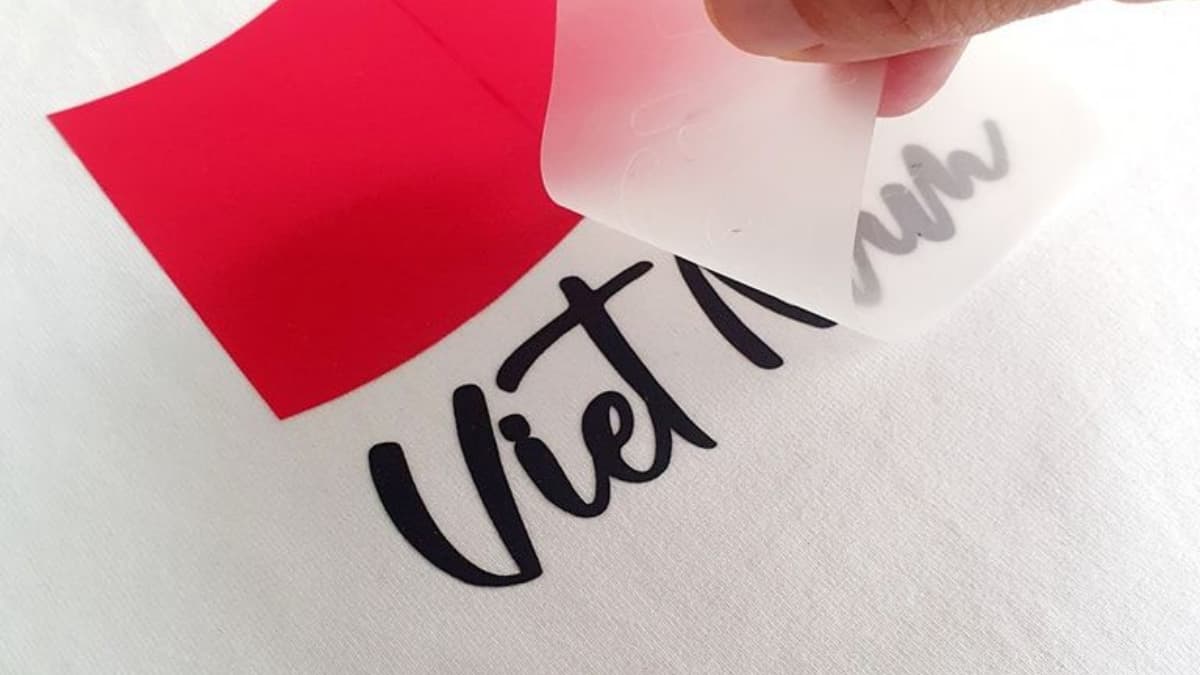
Customer Case Study
Client: A Custom Teamwear Manufacturer in Ohio, USA.
The Pain Point: Fulfilling a 5,000-piece order of American Football jerseys. Their art department created a logo with free-floating stars and tiny text. Their production team spent 15 minutes per logo just weeding the PU HTV. Labor costs destroyed their profit margin.
The Solution: We transitioned them to our liquid silicone heat transfer system.
The Outcome:
They screen-printed 5,000 transfers on PET film in a single day using an automatic carousel. Weeding time was reduced to ZERO. The final teamwear featured a premium 0.5mm 3D raised logo, allowing the manufacturer to upsell the “Pro-Level” finish at a 20% premium.
FAQ – Troubleshooting
Q1: Should I use Hot Melt Powder or TPU Film for the adhesive backing?
A: Both work excellently. Hot Melt Powder is faster for manual operations and softer for large designs. TPU Film is preferred for high-end sportswear because it provides an exact, uniform adhesive thickness and razor-sharp laser-cut edges without any messy powder dust.
Q2: Is the final transfer Hot Peel or Cold Peel?
A: COLD PEEL ONLY. Silicone retains heat. If you peel the PET release film while it is still hot, you risk stretching the logo or pulling it away from the fabric before the hot melt adhesive has fully set. Always let the garment cool completely.
Q3: How long can I store the printed silicone transfers before pressing them onto shirts?
A: Once the silicone is fully cured and the hot melt adhesive is baked onto the back, the finished transfer sheets have a shelf life of 12 to 24 months if kept in a cool, dry place away from direct sunlight. This makes it perfect for “Print on Demand” fulfillment.
Q4: Can I print a clear glossy finish on the transfer?
A: Yes. Because you are printing in reverse on the PET film, whatever you print first will be the top layer of the final logo. To get a glossy logo, print our Glossy Clear Silicone directly onto the PET film as your very first step, then print your colors behind it.
Q5: Can I apply these silicone transfers onto sublimated polyester jerseys without the fabric dye bleeding into the logo?
A: Yes, but you must build a “blocker” into your transfer. Because you are printing in reverse, after you print your design colors and 3D layers, you must screen print 1 to 2 layers of our Anti-Migration Carbon Silicone (Grey/Black Blocker) before you apply the final linker and hot melt adhesive. This active carbon layer acts as an impenetrable shield, stopping the sublimated dye gases from rising through the hot melt glue and turning your crisp white silicone logos pink.
Q6: Can I use standard PET release film (meant for plastisol or water-based transfers) to print silicone HTV?
A: Proceed with extreme caution. Liquid silicone has a unique chemical structure. If you use standard PET film that utilizes a silicone-based release coating (which is very common), your liquid silicone ink will cross-link with the coating and bond permanently to the film. When you heat press it, the logo will not peel off the plastic backing! You must always use a specialized Fluorine-Coated PET Release Film (available in Matte or Glossy) specifically engineered for silicone inks to ensure a buttery-smooth cold peel.

 English
 Deutsch (Sie)
 العربية
 বাংলা
বাংলা 香港中文
香港中文 Français
 Bahasa Indonesia
 Português do Brasil
 한국어
한국어 Tiếng Việt
 日本語
日本語 Polski
 Русский
 Türkçe
 ไทย
ไทย Español de México