-
Llamar ahora +86 13426858645
-
¿Tienes preguntas? [email protected]
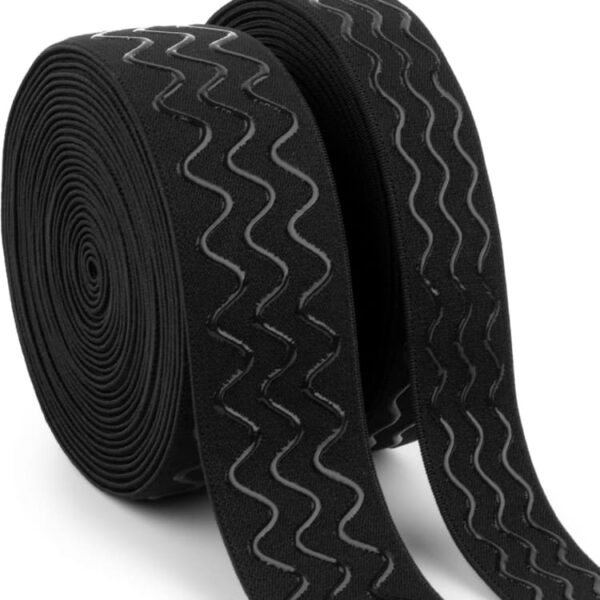
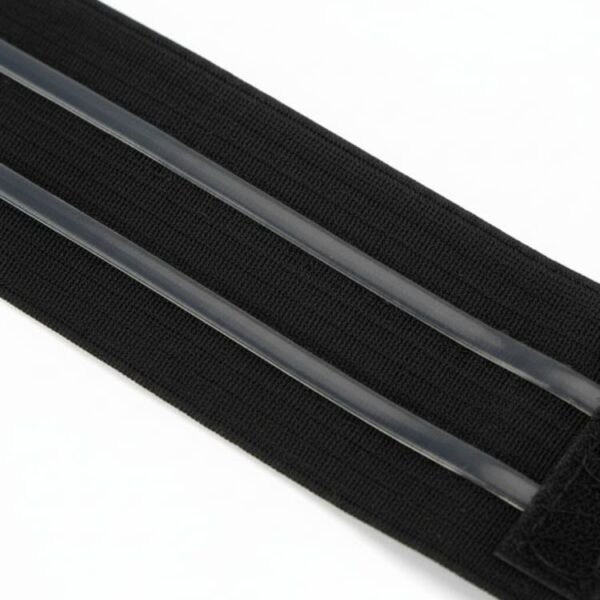
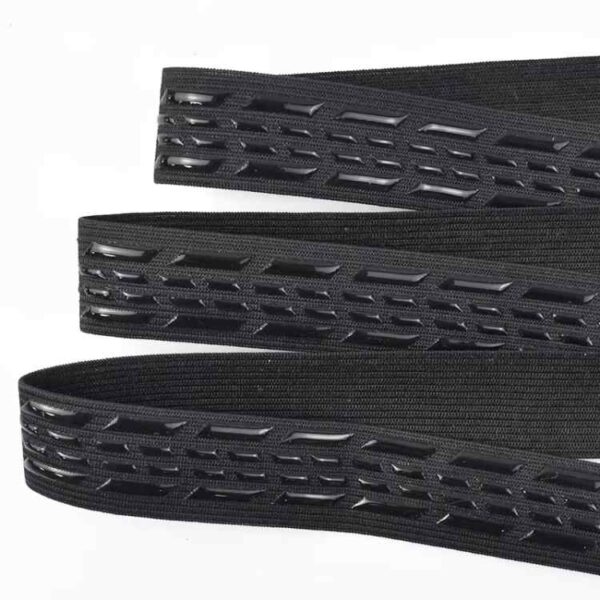
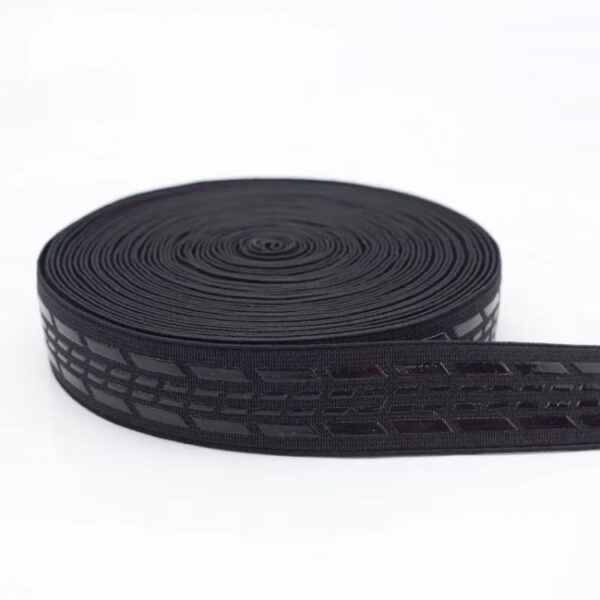
High-Performance Anti-Slip Silicone for Textile and Industrial Grip Applications
Anti-slip silicone is a high-friction liquid silicone rubber applied to textiles and gear for permanent grip, wash durability, and skin-safe comfort.
MOQ: Flexible low MOQ for trial runs; bulk discounts available
Wash Durability: 50+ industrial washes with zero peeling
Skin Safety: OEKO-TEX Class I certified, skin-safe & hypoallergenic
Substrate Bond: Primerless adhesion to nylon, polyester, and elastics
Customization: Adjustable tackiness, Shore A hardness, and custom colors
Enhancing Safety & Ergonomic Control
Our anti-slip silicone ink improves surface grip while maintaining fabric flexibility and comfort. Suitable for screen printing and automated dispensing, it can be applied as raised dots, lines, or patterns on socks, compression wear, and industrial grip surfaces. Grip performance under dry, wet, or oily conditions, as well as abrasion and wash resistance, depends on the formulation, coating thickness, and curing process.
As a fabricante de tinta de silicona confiable, SOLLYD supplies formulations with adjustable viscosity, hardness, and thixotropy for manual or automated screen-printing and dispensing equipment. For stretch fabrics, adhesion and flexibility under repeated movement are particularly important. Our silicone ink solutions for difficult fabrics cover additional considerations for these applications. Technical specifications, formulation adjustments, and bulk pricing are available based on production requirements.
Upgrade your product’s grip and performance—contact our technical experts today for custom anti-slip silicone solutions and free samples!
Typical Anti-Slip Products & Characteristics
Designed for high-throughput automated production
Silicone Printing Inks
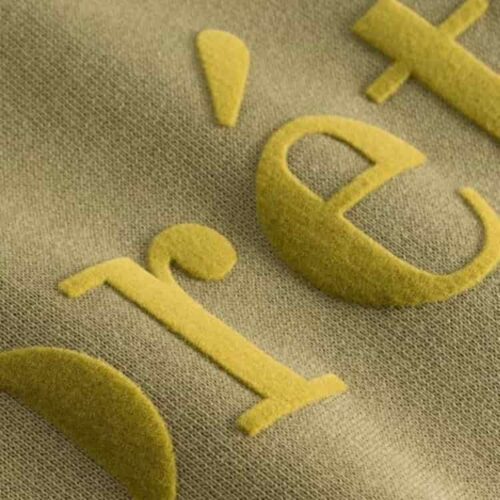
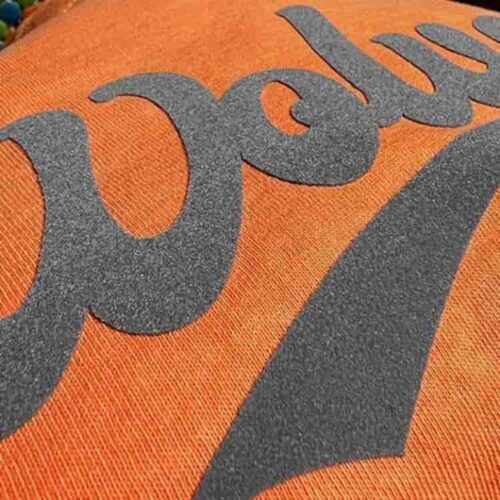
High-viscosity pastes designed for 3D raised printing on textiles with excellent edge definition.
Continuous Coating Grades
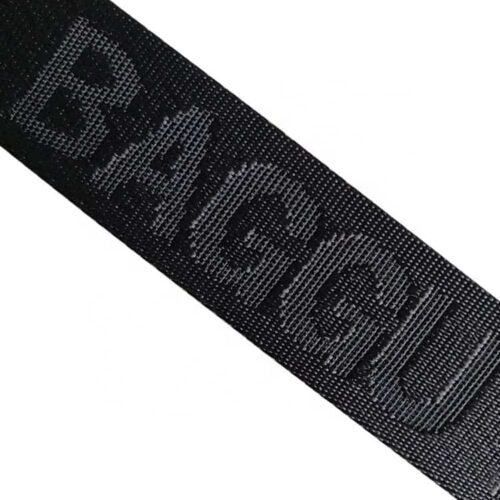
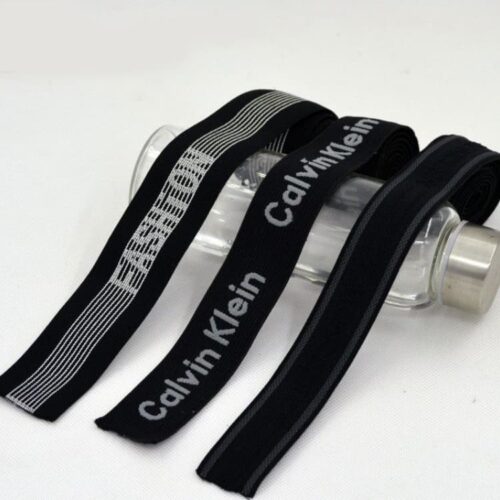
Formulated for high-speed dipping or roller coating on elastic ribbons and narrow fabrics.
Anti-Slip Gels
Ultra-soft, high-tack gels for internal shoe grips and invisible bra straps.
Heat Transfer Silicone
Pre-molded anti-slip patches for rapid application via heat press.
Identidad técnica y cumplimiento
| Category | Technical Parameter | Typical Specification | Test Method / Engineering Notes |
| Uncured Physical Properties | Tipo de producto | Platinum-catalyzed, addition-cure Liquid Silicone Rubber (LSR) | Two-component system (1-part heat-cure available on request) |
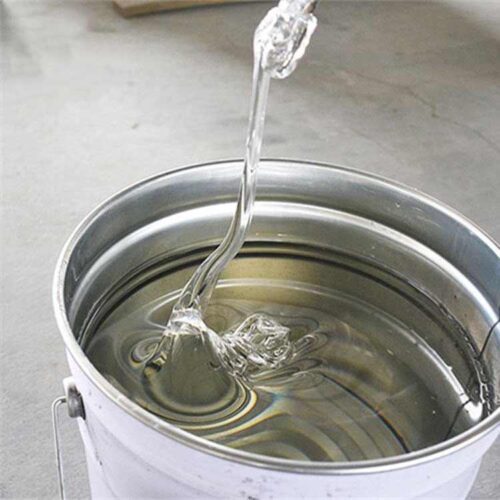
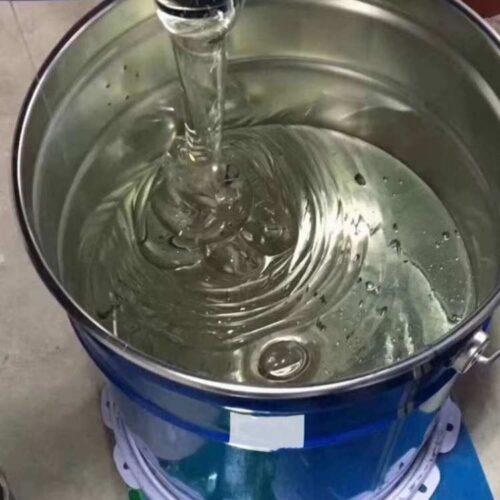
| Apariencia | Crystal-clear, bubble-free viscous paste | Easily tinted with silicone pigment pastes | |
| Solids Content | 100% (Solvent-Free / Zero VOC) | ASTM D2369 | |
| Specific Gravity (25°C / 77°F) | 1.07 ± 0.03 g/cm³ | ASTM D792 | |
| Viscosity (25°C, Brookfield RVT) | 150,000 – 250,000 mPa·s (cPs) | ASTM D2196 (Adjustable 60k–350k cPs for coating/dipping) | |
| Thixotropic Index (5/50 rpm) | 2.6 – 3.4 | Brookfield RVT (Clean dot snap-off, zero stringing) | |
| Refractive Index (25°C) | ~1.405 | ASTM D1218 | |
| Flash Point (Closed Cup) | > 200°C (> 392°F) | ASTM D93 (Non-hazardous for transport) | |
| Vida útil | 12 months | Stored unopened at 5°C – 28°C (41°F – 82°F) | |
| Mixing & Curing Profile | Mix Ratio (Base : Catalyst) | 100 : 2–3 (by weight) | 10:1 heavy-duty version also available |
| Pot Life / Working Time (25°C) | 4 – 8 hours | Time until initial viscosity doubles | |
| Flash Cure (Between Layers) | 120°C – 140°C (248°F – 284°F) / 8 – 15 sec | IR or flash-cure unit | |
| Full Cure Schedule | 130°C – 150°C (266°F – 302°F) / 60 – 120 sec | Hot-air convection tunnel oven | |
| Linear Cure Shrinkage | < 0.1% | ASTM D2566 (Virtually zero fabric puckering) | |
| Cured Mechanical & Grip Performance | Hardness (Durometer) | 20 – 25 Shore A | ASTM D2240 (Customizable from 15 to 40 Shore A) |
| Tensile Strength | ≥ 3.5 MPa (≥ 508 psi) | ASTM D412 | |
| 100% Modulus | 0.35 – 0.50 MPa (51 – 73 psi) | ASTM D412 (Low modulus for unrestricted 4-way stretch) | |
| Alargamiento a la rotura | ≥ 550% (up to 650%) | ASTM D412 | |
| Tear Strength (Die B) | ≥ 12 kN/m (≥ 68 ppi) | ASTM D624 | |
| Compression Set (22h @ 70°C) | < 12% | ASTM D395 | |
| Static Coefficient of Friction (COF) | 1.30 – 1.75 (Dry) | ASTM D1894 (High grip against wood, mats & skin) | |
| Dynamic (Kinetic) COF | 1.05 – 1.45 (Dry & Wet) | ASTM D1894 | |
| Service Temperature Range | -40°C to +200°C (-40°F to +392°F) | Will not harden, crack, or melt in dryers | |
| Textile Adhesion & Durability | 180° Peel Strength (Cotton/Spandex) | ≥ 22 N / 25 mm | ASTM D903 / ISO 2411 (Substrate tears before bond fails) |
| 60°C Commercial Wash Fastness | ≥ 30 – 50 cycles | ISO 6330 / AATCC 135 (Zero peeling or cracking) | |
| Crocking Fastness (Pigmented) | Dry: Grade 4.5–5.0 | Wet: Grade 4.5 | AATCC 8 | |
| Dye Migration Resistance | Gray Scale Grade 4.5 – 5.0 | Tested at 130°C / 3 min (When paired with barrier base) | |
| Application & Processing Guidelines | Recommended Mesh / Dispensing | 24T – 48T (60 – 120 mesh) screen; 0.8–2.5 mm sock dotter nozzles | Use 100–400 µm high-density capillary film for 3D grip |
| Recommended Squeegee | 60 – 70 Shore A polyurethane squeegee | Print at 15° – 25° angle | |
| Pigment Loading | 2% – 8% by weight (Max 10% for opaque white/black) | Use OEKO-TEX® compliant silicone pigment pastes only | |
| Thinner Compatibility | 0% – 10% max Zero-VOC Silicone Thinner | Never use white spirits, toluene, or hydrocarbon solvents | |
| Compliance & Trade Data | Core Polymer CAS No. | 68083-19-2 (Vinyl-terminated PDMS) | Polymer Exempt under EU EINECS (ECHA EC 614-275-5) |
| HS Tariff Code | 3910.00.00 (Clear Base) / 3215.19.00 (Pigmented Ink) | Subject to destination customs verification | |
| Eco & Safety Certifications | OEKO-TEX® Standard 100 (Class I), ZDHC MRSL Level 3, REACH SVHC, RoHS, CA Prop 65 | Phthalate-free, organotin-free, formaldehyde-free |
Proceso operativo
To achieve UL-certified results on industrial substrates, follow this B2B B2B Copy factory protocol:
1.Substrate Preparation
Ensure fabrics are free of residual lubricants, softening agents, or water-repellent coatings (which can inhibit adhesion).
2.Mezclado
Mix Part A and Part B according to the specified ratio. Add silicone pigments if color matching is required.
3.Aplicación
For Printing: Use 80–120 mesh screens.
For Coating: Ensure the dosing pump is calibrated for uniform ribbon thickness.
4.Curado & Quality Check
Curado: Pass through a drying tunnel or oven. Typical residence time: 60–120 seconds at 120°C.
Quality Check: Perform a “stretch test” and “cross-cut adhesion test” after the material has fully cooled.
APPLICATIONS BY INDUSTRY
Aplicaciones por industria
Nuestras resinas de silicona se dividen en dos familias distintas para diversas aplicaciones industriales
APLICACIÓN 01
Apparel & Sporting Goods
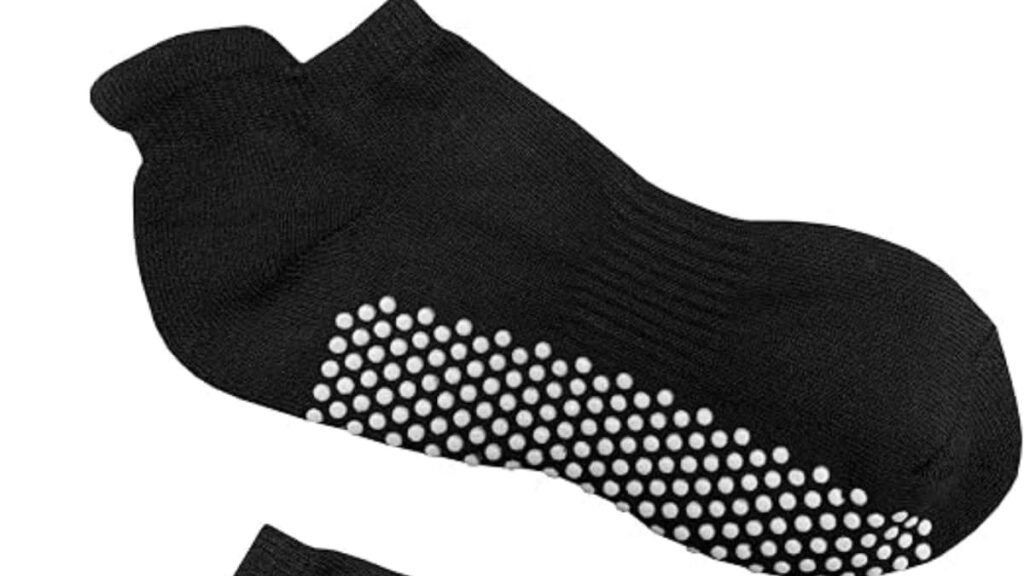
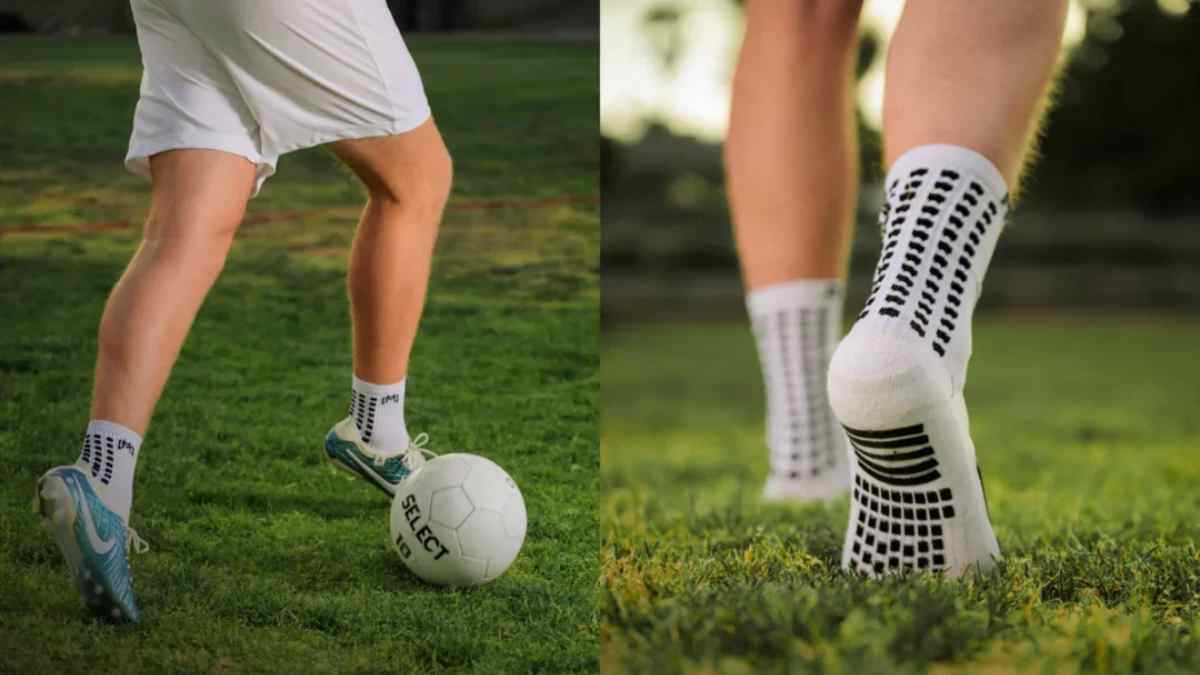
Performance Socks & Hosiery
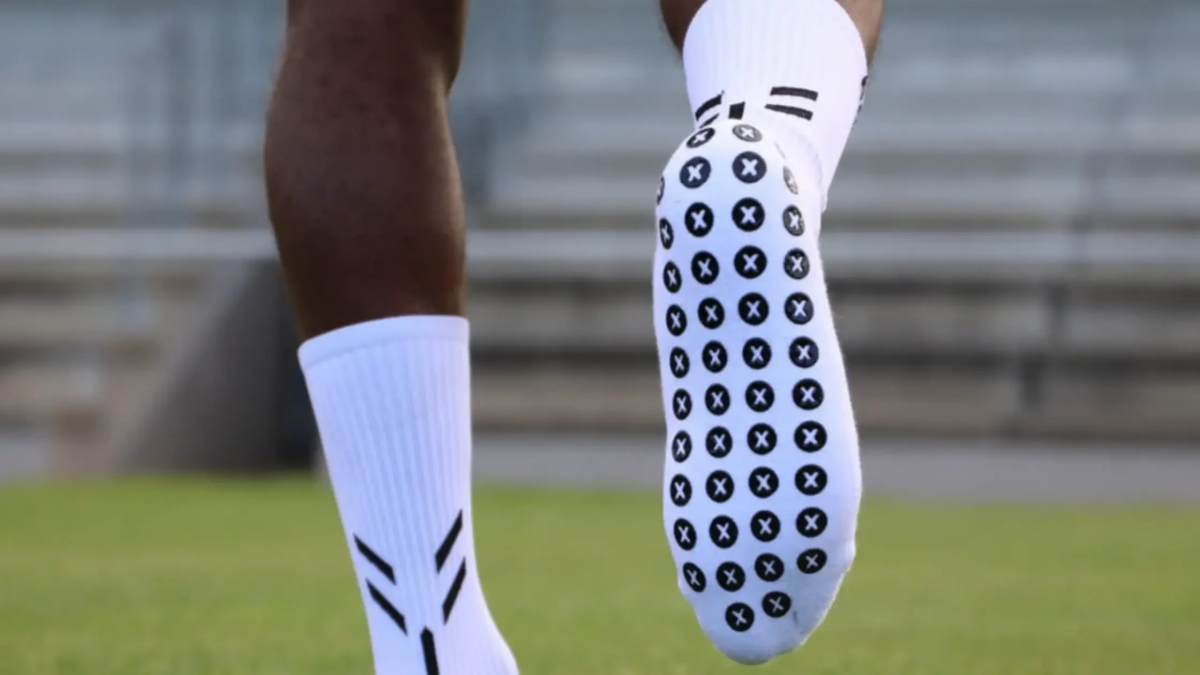
Non-slip dots and patterns for yoga socks, soccer grip socks, and high-end hosiery.
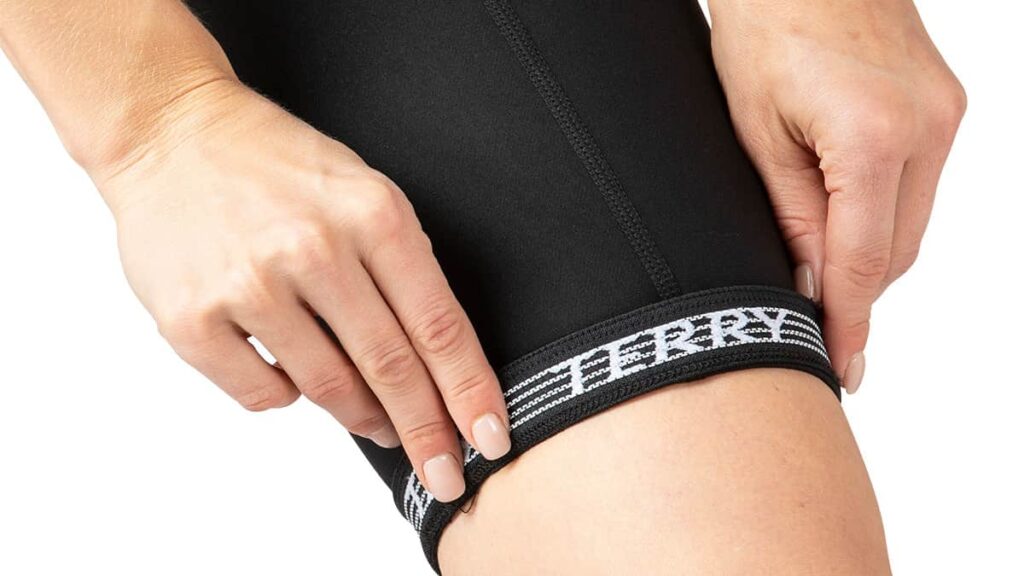
Ropa deportiva
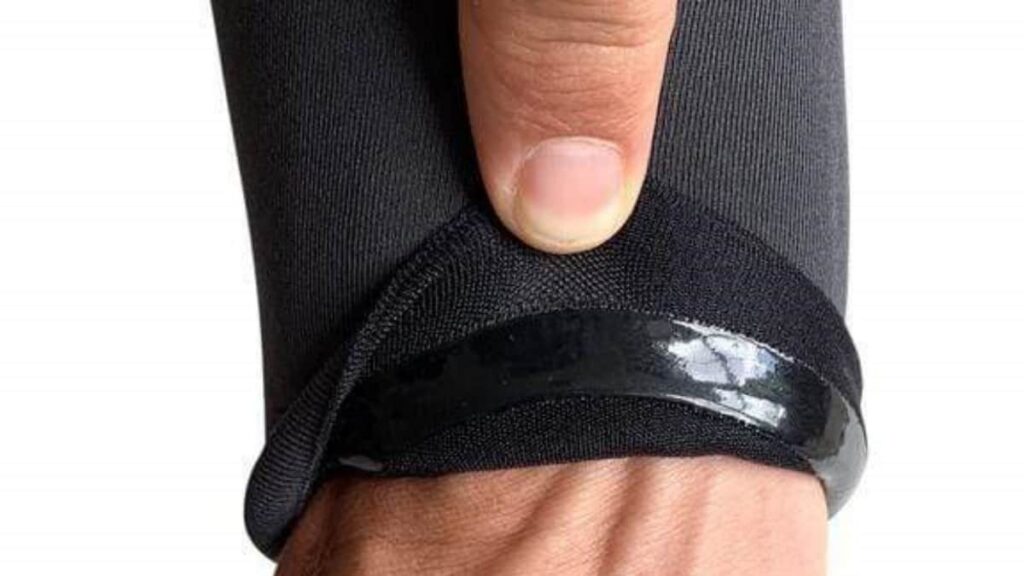
Anti-slip elastic bands for leggings, cycling shorts (leg grippers), and sports bras to prevent “ride-up.”
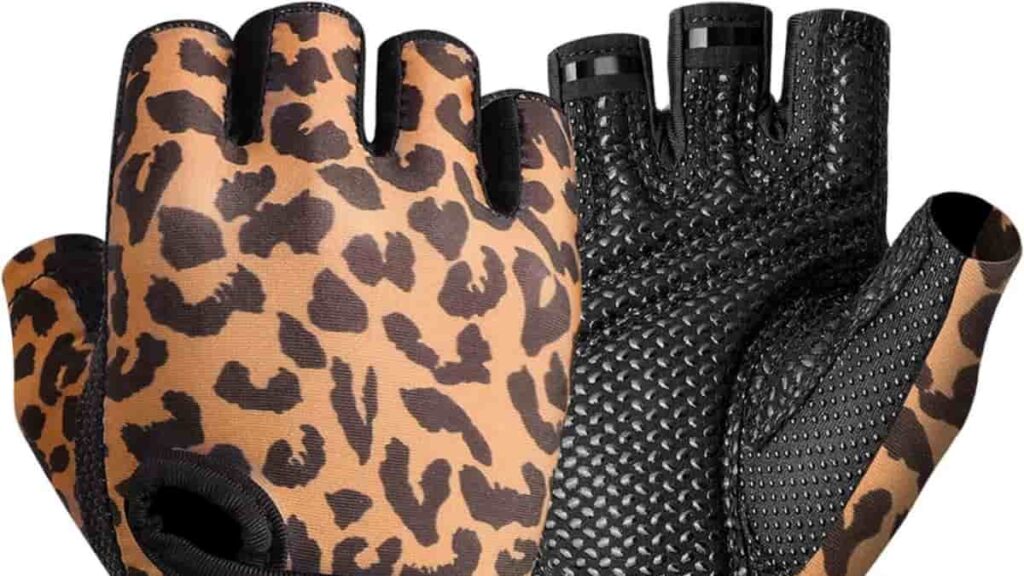
Sports Equipment
High-traction coatings for weightlifting gloves, yoga mats, and golf club grips.
APLICACIÓN 02
Medical & Healthcare
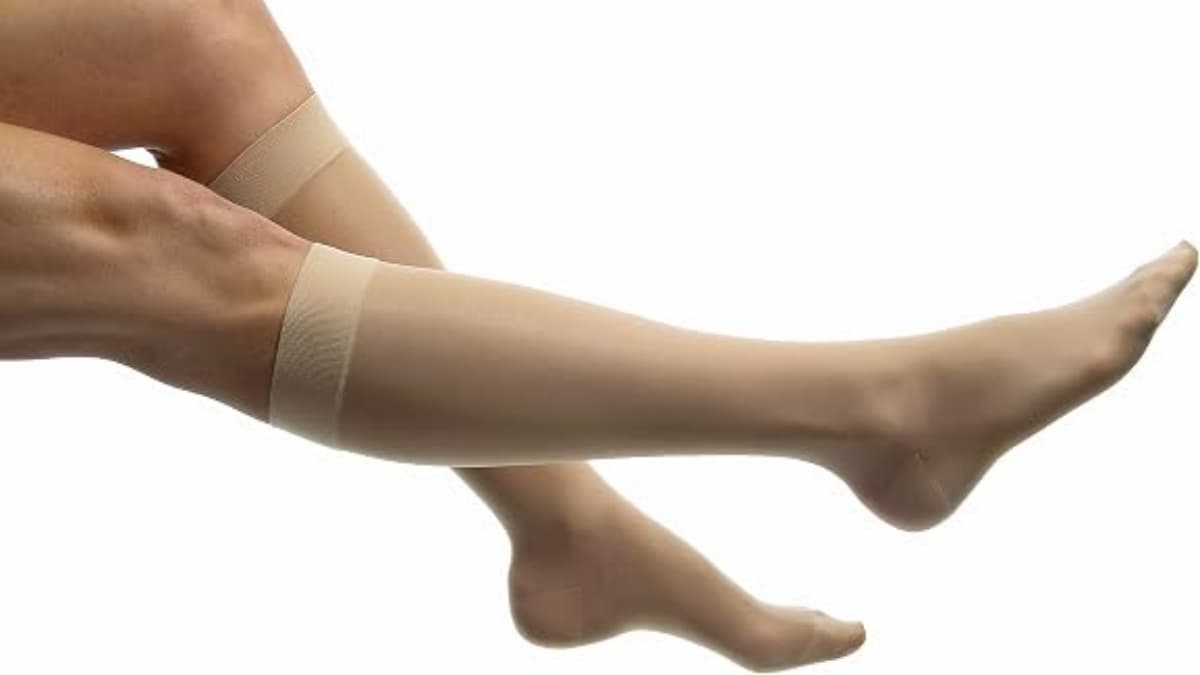
Compression Wear
Skin-safe silicone grippers for compression stockings and lymphedema sleeves.
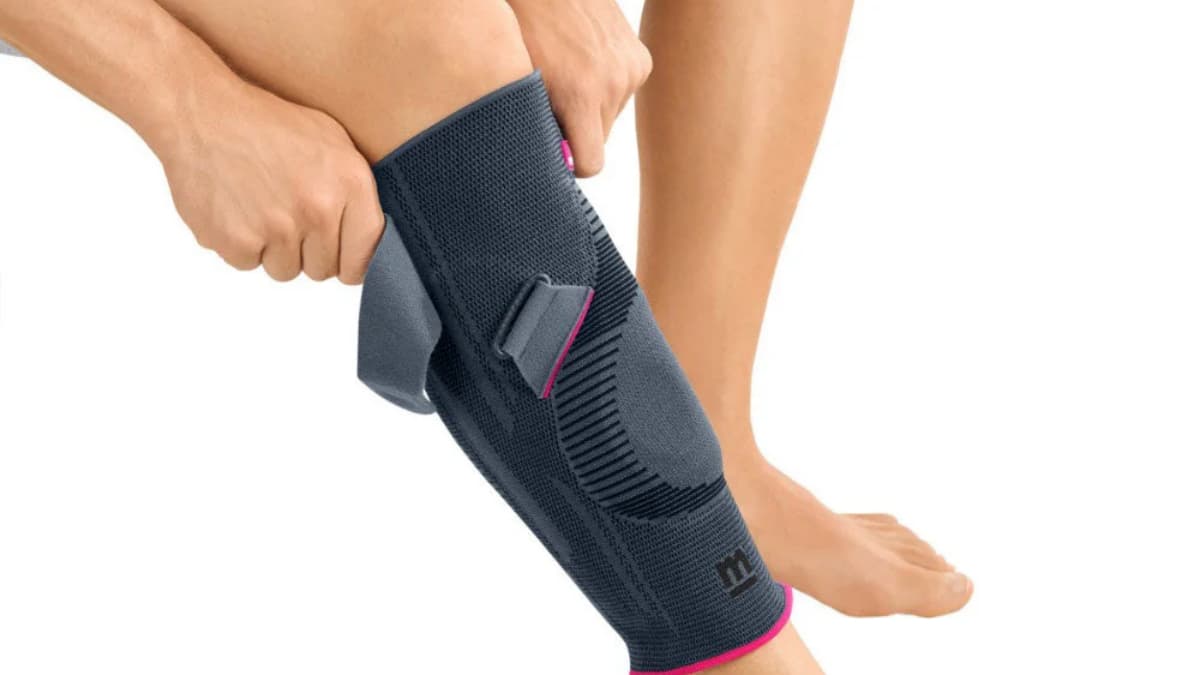
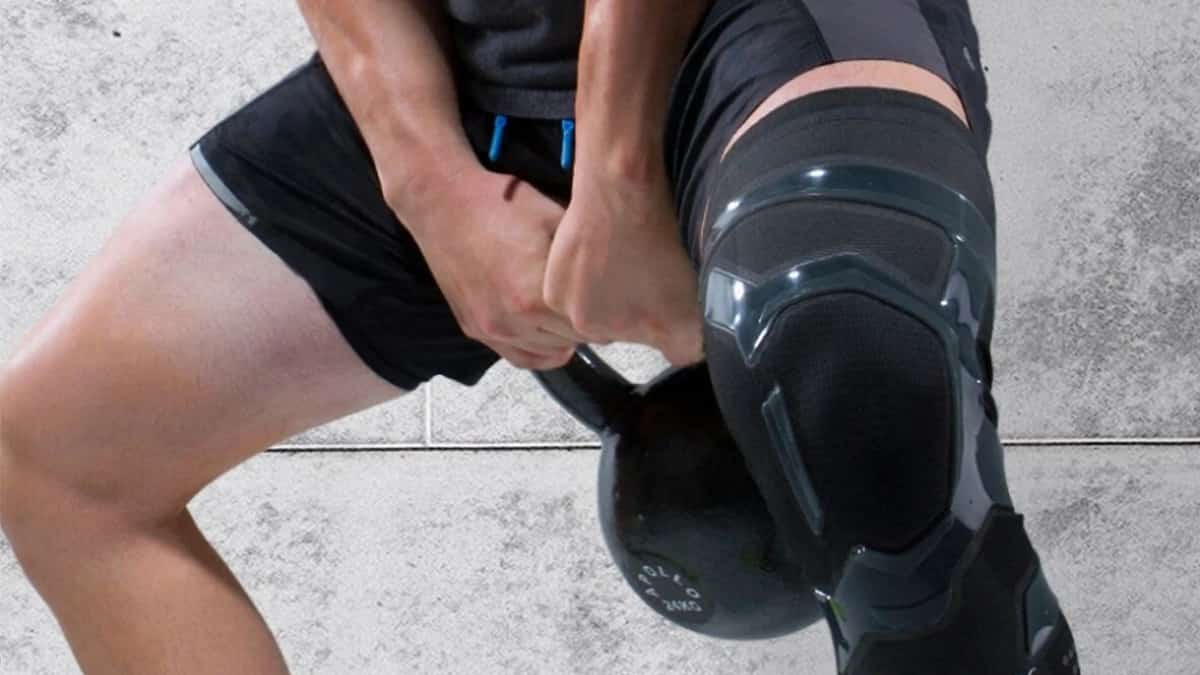
Orthopedic Braces
Non-slip linings for knee, ankle, and wrist supports to maintain correct anatomical alignment.
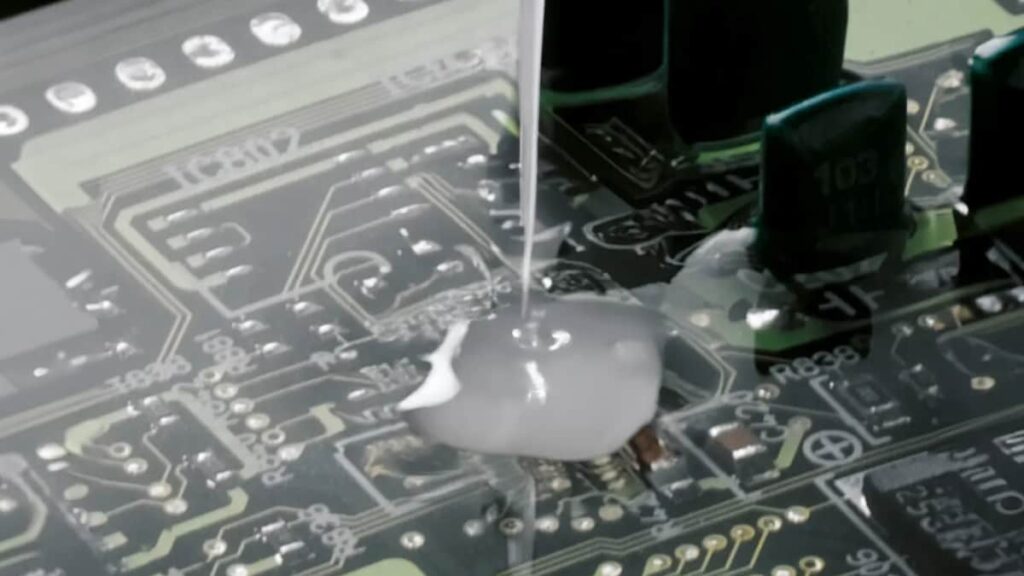
APPLICATION 03
Industrial & Consumer Electronics
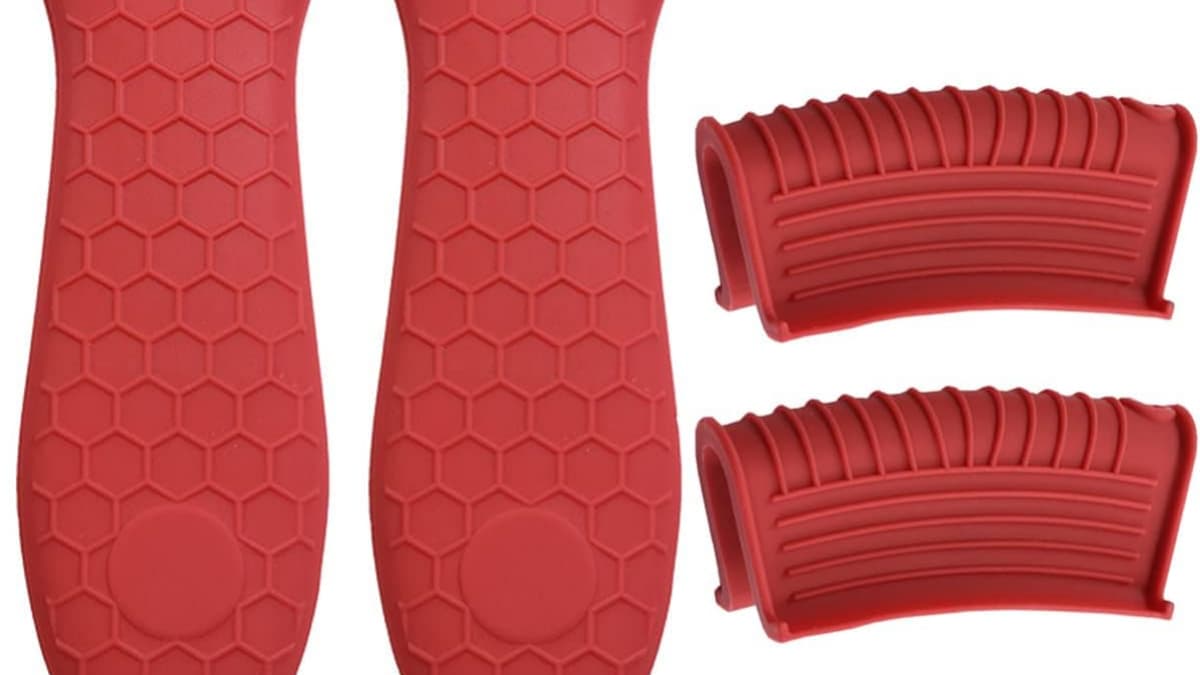
Tool Grips
Overmolded or coated handles for hand tools and precision instruments.
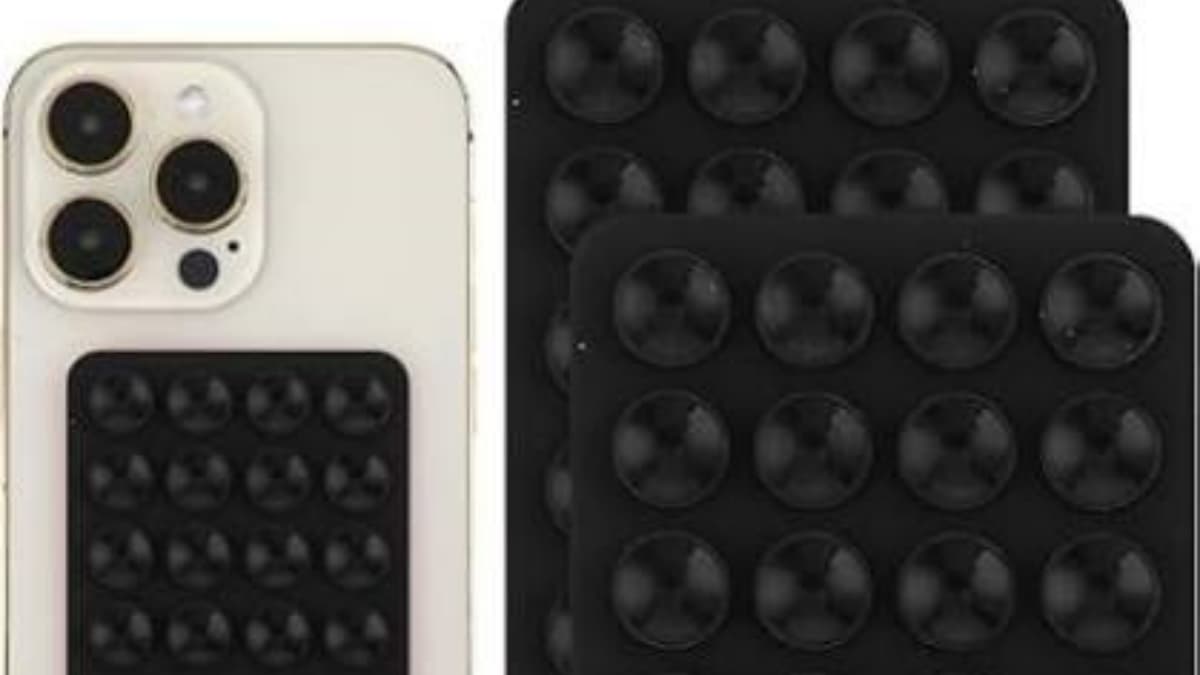
Protective Cases
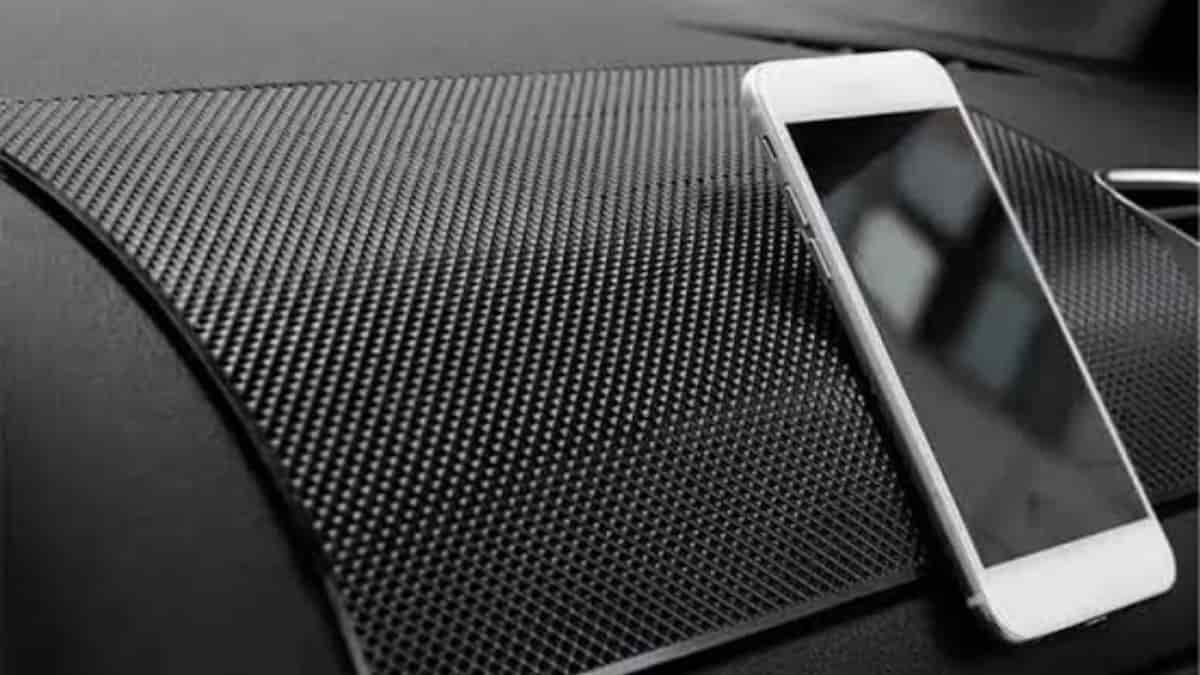
Anti-slip surface treatments for mobile phones, tablets, and remote controls.
APLICACIÓN 02
Automotive & Interior
Interior Accents: Non-slip dash pads, cup holder liners, and floor mat backings.
Anti-Slip Silicone Compared with Alternative Gripping Materials
| Característica | Anti-Slip Silicone | PVC Coating | Poliuretano (PU) |
| Friction Stability | Highest (Stable when wet) | Moderate (Slippery when wet) | Fair |
| Environmental Safety | Eco-friendly (PVC-free) | Contains Phthalates | Moderado |
| Skin Compatibility | Hypoallergenic | Can cause irritation | Moderado |
| Wash Resistance | Excellent (High temp) | Poor (Cracks/Peels) | Moderado |
| Softness/Flexibility | Excellent (Elastomeric) | Rigid/Stiff | Moderado |
| Resistencia al calor | Up to 200°C | Low (Melts easily) | Moderado |
Caso de estudio del cliente
Challenge: Washing Resistance and Peeling in Soccer Grip Socks
A major sporting goods manufacturer experienced high return rates because the anti-slip silicone dots on their high-performance soccer socks were peeling off after fewer than 10 industrial wash cycles. The silicone was failing to penetrate the high-density nylon fibers effectively.
Solution: High-Penetration Primerless Silicone Ink
We formulated a two-part, low-viscosity addition-cure silicone with a built-in adhesion promoter. We also optimized the curing profile to ensure deep fiber anchoring during the brief passage through the drying tunnel.
Result: 50+ Wash Cycle Durability
The manufacturer successfully passed ISO 6330 washing standards for 50+ cycles with zero delamination. Product returns dropped by 95%, and the high-friction “tack” of the dots remained consistent throughout the product’s lifecycle.
Preguntas frecuentes – Solución de problemas
Q1: Can anti-slip silicone be applied to waterproof or DWR-treated fabrics?
A: Standard silicone often struggles to bond with Durable Water Repellent (DWR) coatings. For these substrates, we recommend using a specialized Silicone Primer or our “High-Bond” grade specifically engineered to penetrate fluorocarbon-treated surfaces.
Q2: Is the anti-slip silicone safe for direct skin contact?
A: Yes. Our anti-slip silicones are platinum-cured and free from formaldehyde, phthalates, and PVC. They are widely used in medical compression hosiery and intimate apparel and meet OEKO-TEX Standard 100 Class I (safe for babies).
Q3: How do I prevent the silicone dots from sticking to each other when the garment is folded?
A: If your application requires a high-friction grip without surface tackiness, we offer “Dry-Touch” grades. Alternatively, applying a thin Silicone Matte Top-Coat can provide a non-stick surface while maintaining high internal friction.
Q4: What is the primary cause of the silicone not curing on fabrics?
A: Addition-cure silicone is sensitive to Catalyst Inhibition. Certain dyes, stabilizers, or residues in the fabric (especially those containing sulfur, nitrogen, or tin) can prevent the silicone from curing. We recommend a “small-swatch” cure test for every new fabric batch.
Q5: Can I customize the level of “grip” or friction?
A: Absolutely. We can adjust the Shore A hardness and the surface tackiness of the formulation. A lower Shore A (softer) silicone generally provides a higher “suction” grip, while higher Shore A provides a more durable, abrasion-resistant friction.
 English
 Deutsch (Sie)
 العربية
 বাংলা
 香港中文
 Français
 Bahasa Indonesia
 Português do Brasil
 한국어
 Tiếng Việt
 日本語
 Polski
 Русский
 Türkçe
 ไทย
 Español de México