-
쇼핑 카트 +86 13426858645
-
카트 서랍 닫기 [email protected]
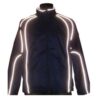
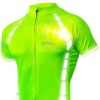
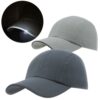
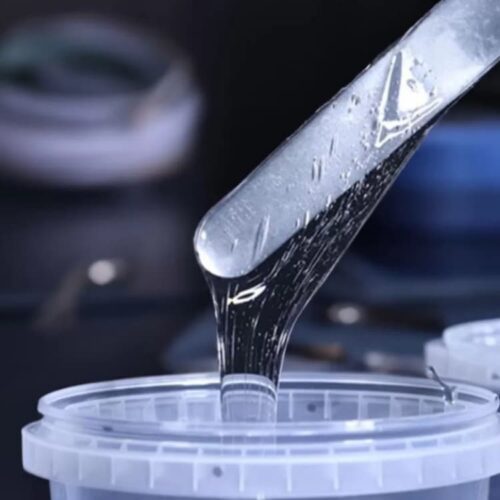
고시인성 스크린 프린팅용 프리미엄 반사 실리콘 잉크
고탄성 스포츠웨어용 프리미엄 탄성 실리콘 잉크입니다. 라이크라/나일론 소재에서 500% 신장률과 부드러운 촉감을 구현합니다. OEKO-TEX 인증, 균열 방지 및 PVC 프리 제품입니다.
- 최소 주문 수량(MOQ): 표준 품목: 20 KG (1통) / 맞춤 팬톤 컬러: 200 KG
- 리드 타임 (배송 시간):
즉시 배송: 영업일 기준 3-5일
대량 주문 (>500KG): 영업일 기준 7-14일
맞춤 배합: 영업일 기준 15-20일
뻣뻣함이나 균열 없는 고시인성 프린팅
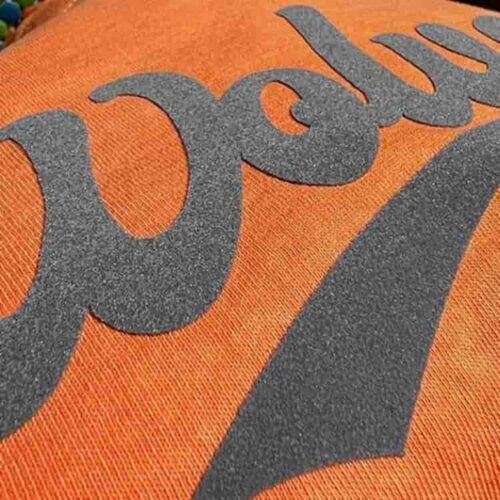
고굴절 유리 마이크로비드가 고탄성 실리콘 매트릭스에 현탁된 당사의 프리미엄 반사 실리콘 시리즈는 매우 부드러운 촉감, 탁월한 4방향 신축성 및 안정적인 세탁 내구성을 제공합니다. 고탄성 소재에 반사 기능을 추가할 때 발생하는 뻣뻣함과 통기성 부족 문제를 효과적으로 해결합니다.
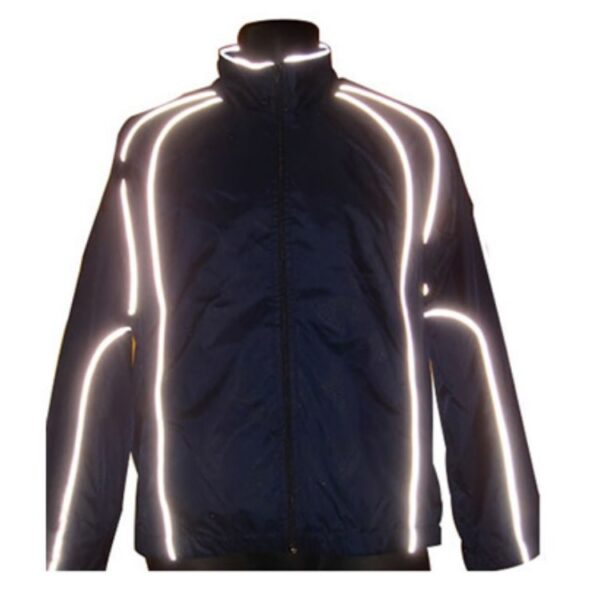
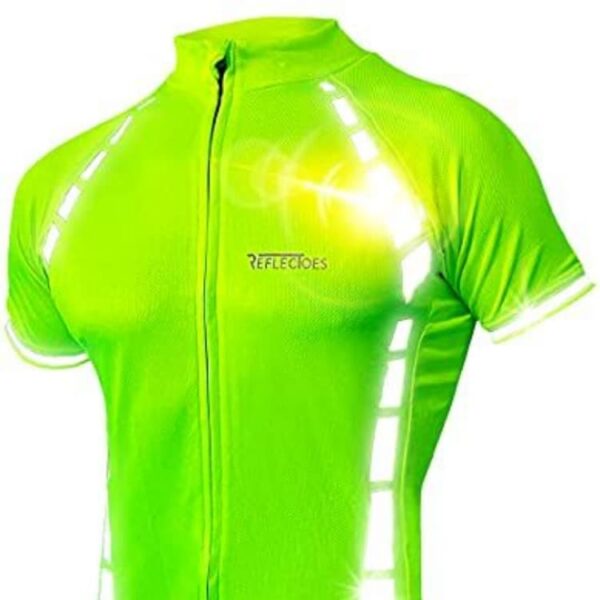
격렬한 신체 활동을 위해 설계된 이 고급 잉크는 고시인성 브랜딩을 핵심 안전 기능이자 눈에 띄는 디자인 요소로 변화시킵니다. 야간 마라톤 장비, 도심 사이클링 의류, 플래시 촬영용 스트리트웨어에 이상적인 솔루션으로, 어두운 환경에서도 착용자의 안전한 시인성과 편안함을 보장합니다.
귀하의 텍스타일 인쇄 품질을 향상시키기 위한 도매 가격은 당사로 문의하십시오.
주요 기능 및 성능
귀하의 고시인성 인쇄 및 기능성 의류 품질을 향상시키기 위해 설계되었습니다.
뛰어난 재귀반사 성능
프리미엄 마이크로비드(굴절률 Nd ≥ 1.93)로 제조되어 자동차 헤드라이트나 카메라 플래시를 비추었을 때 탁월한 '캔들파워' 시인성을 제공합니다.
극강의 신축성
라이크라, 스판덱스, 압박 의류와 함께 매끄럽게 움직입니다. 400% 이상의 신축성을 지원하며 즉각적으로 회복되어 격렬한 움직임 중에도 미세 균열을 효과적으로 방지합니다.
프리미엄 소프트 터치 및 세탁 내구성
원단과 자연스럽게 조화를 이루는 매끄러운 마감을 제공합니다. 실리콘 매트릭스가 유리 비드의 하단을 감싸 견고하게 고정하며, 60°C에서 50회 이상의 세탁 주기를 거쳐도 빛이 바래지 않습니다.
실버 그레이 및 맞춤형 색상
주간에는 세련된 실버 그레이 색상으로 보이며, 저조도 환경에서는 밝은 흰색으로 반사됩니다. 특정 실리콘 안료를 가볍게 혼합하여 맞춤형 디자인 요구 사항을 충족할 수 있습니다.
기술적 정체성 및 규정 준수
| 속성 | 값 / 설명 |
| 제품명 | 고탄성 섬유 스크린 인쇄용 실리콘 |
| 유의어 | 실리콘 잉크, 스트레치 실리콘, HD 실리콘, 논슬립 실리콘, 섬유 인쇄용 고무. |
| 주요 구성 요소 | 폴리디메틸실록산(베이스), 티탄산바륨 유리 마이크로비드. |
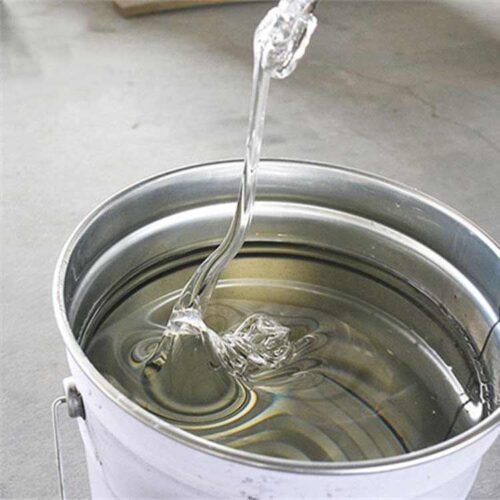
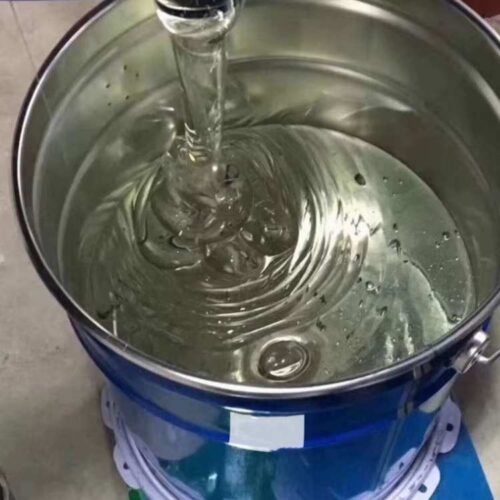
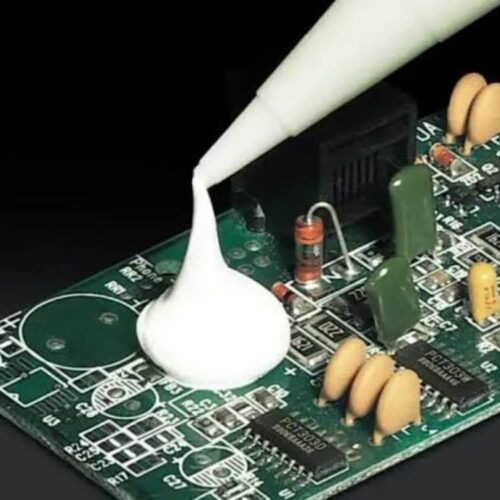
| 외관 | 실버 그레이 점성 페이스트 |
| 점도 | 120,000 – 150,000 cps |
| 반사율 지수 | > 350 cd/(lx·m²) |
| 메시 권장 사항 | 80 – 100 메쉬 (32T – 40T) 전용 (비드 통과를 위해 필수) |
| 경도 (Shore A) | 25 – 30 (부드럽고 유연함) |
| 경화 시스템 | 열 경화 (백금 촉매 시스템) |
| 혼합 비율 | 10:1 (주제 : 경화제) |
| 가용 시간 | 25°C에서 4-6시간 |
| CAS 번호 | 63394-02-5 (폴리디메틸실록산 베이스) / 독자적 배합 |
| EINECS | 264-131-3 |
| HS 코드 | 3910000000 (일차 제품 형태의 실리콘) |
| 인증 | EN ISO 20471 준수(고시인성 의류), OEKO-TEX Standard 100 Class I, ZDHC Level 3, PVC 프리, 중금속 프리. |
| 포장 | 5KG, 20KG, 25KG 플라스틱 통. (1KG 샘플 키트 제공 가능) |
| 보관 | 시원하고 건조한 곳(10°C – 30°C)에 보관하십시오. 중요: 유리 비드는 무거워서 시간이 지남에 따라 버킷 바닥에 가라앉을 수 있습니다. 사용 전 항상 바닥에서부터 충분히 저어주십시오. 유통기한: 12개월 |
| 안전 정보 | 무독성, 저취, 비인화성 제품입니다. 일반 항공 및 해상 운송에 안전합니다. (MSDS 제공). |
작업 공정
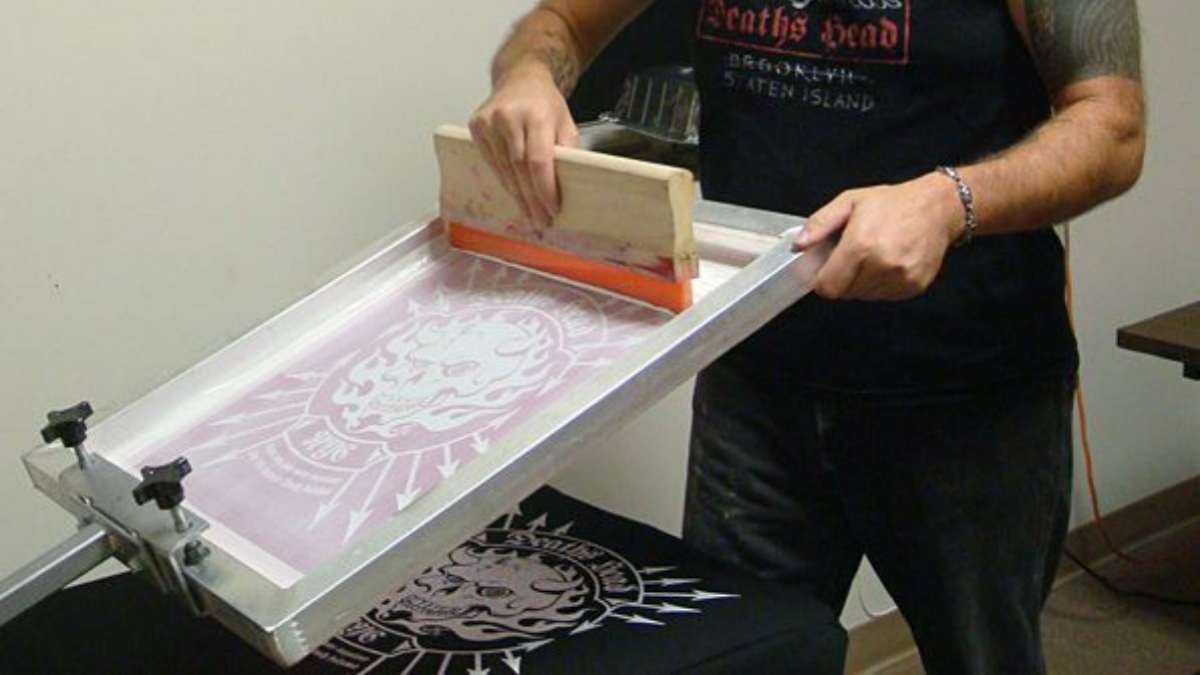
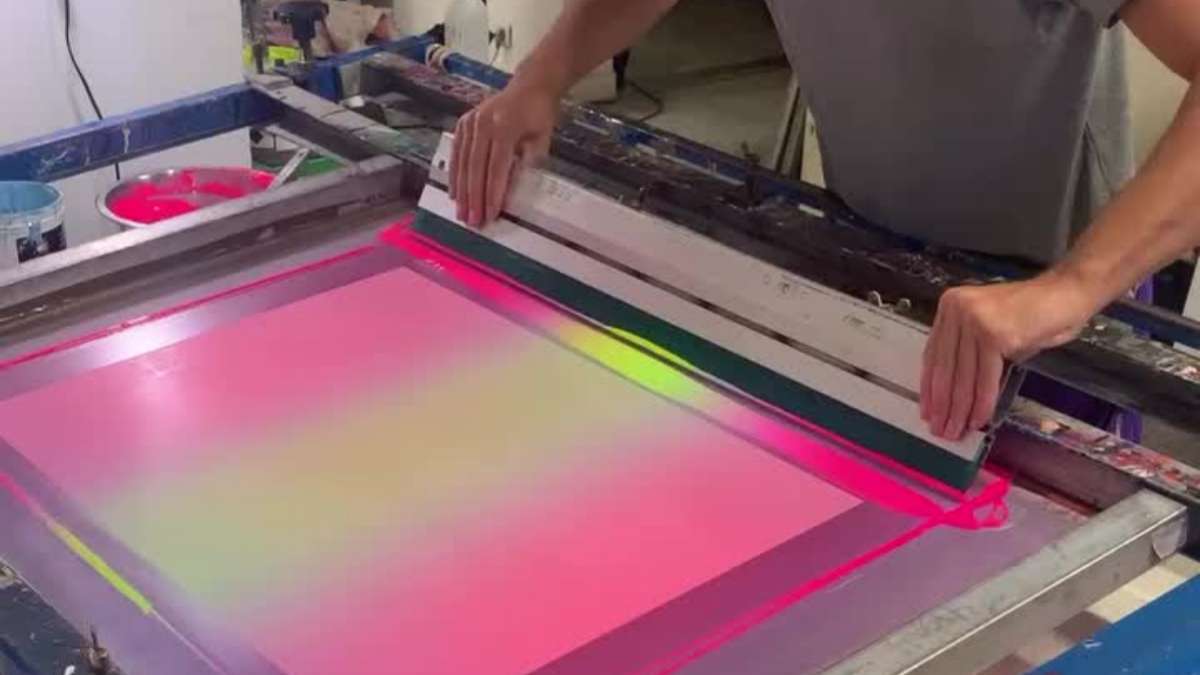
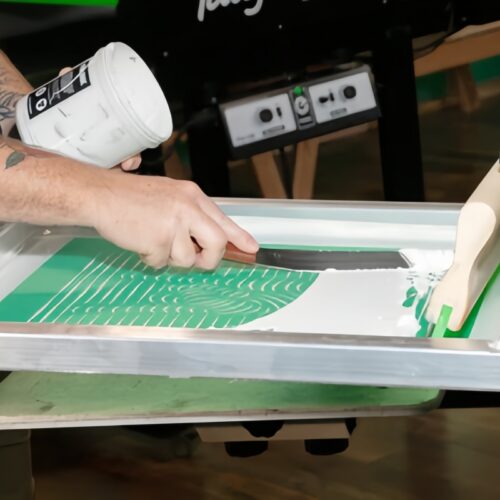
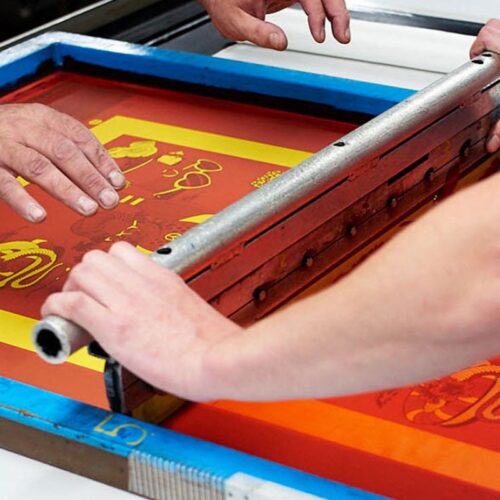
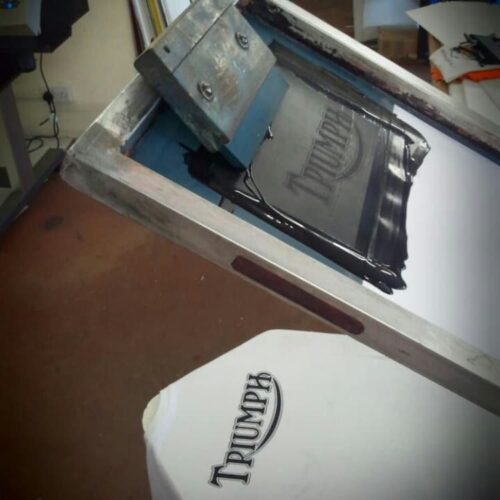
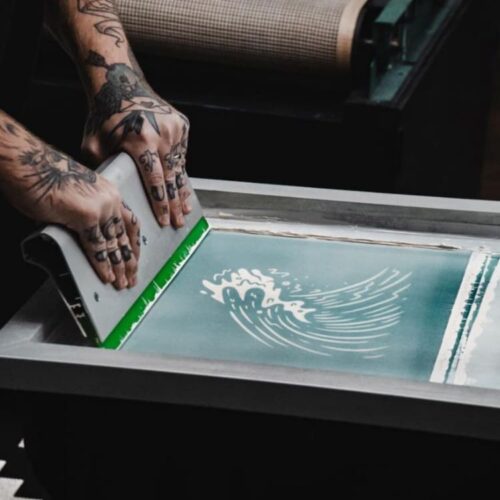
반사 실리콘 인쇄는 유리 비드가 올바르게 기능하도록 특정 기술이 필요합니다. 다음 B2B 전문가 워크플로우를 따르십시오:
1.메쉬 선택 (매우 중요)
귀하 필수 낮은 메쉬 카운트 사용: 80-100 메쉬 (32T-40T). 만약 고운 메쉬(150 메쉬 이상)를 사용하면 스크린이 반사 마이크로 비드를 걸러내어, 인쇄물이 단순히 일반 회색 실리콘으로 나타나게 됩니다!
2.언더베이스 & 혼합
언더베이스: 표준 투명 또는 흰색 실리콘 2레이어를 언더베이스로 인쇄하십시오. 흰색 언더베이스는 거울 역할을 하여 빛을 비드 위로 다시 반사시켜 최종 밝기를 크게 향상시킵니다.
혼합: 반사 실리콘 베이스 + 촉매(10:1)를 혼합하십시오. 부드럽지만 충분히 저어주십시오.
3.반사 레이어 인쇄 및 플래싱
반사 레이어 인쇄:
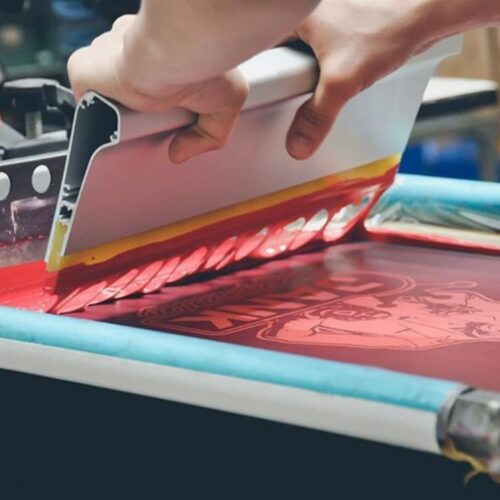
언더베이스 위에 반사 실리콘을 2회 스트로크로 인쇄하십시오.
더 부드러운 스퀴지(65 경도)를 사용하여 두꺼운 도막을 형성하십시오.
플래싱: 100°C – 120°C에서 10초간 플래시 건조하십시오.
4.경고 (탑코트 금지) & 최종 경화
경고 (탑코트 금지): 반사 레이어 위에 광택 또는 무광 투명 실리콘을 인쇄하지 마십시오! 인쇄물을 덮으면 유리 비드가 묻혀 재귀 반사 효과가 사라집니다. 반사 잉크가 마지막 노출 레이어여야 합니다.
최종 경화: 터널 건조기에서 150°C에서 2-3분간 가열하십시오..
적용 및 원단
성능이나 안전성에서 타협을 거부하는 액티브 브랜드를 위해 설계되었습니다.
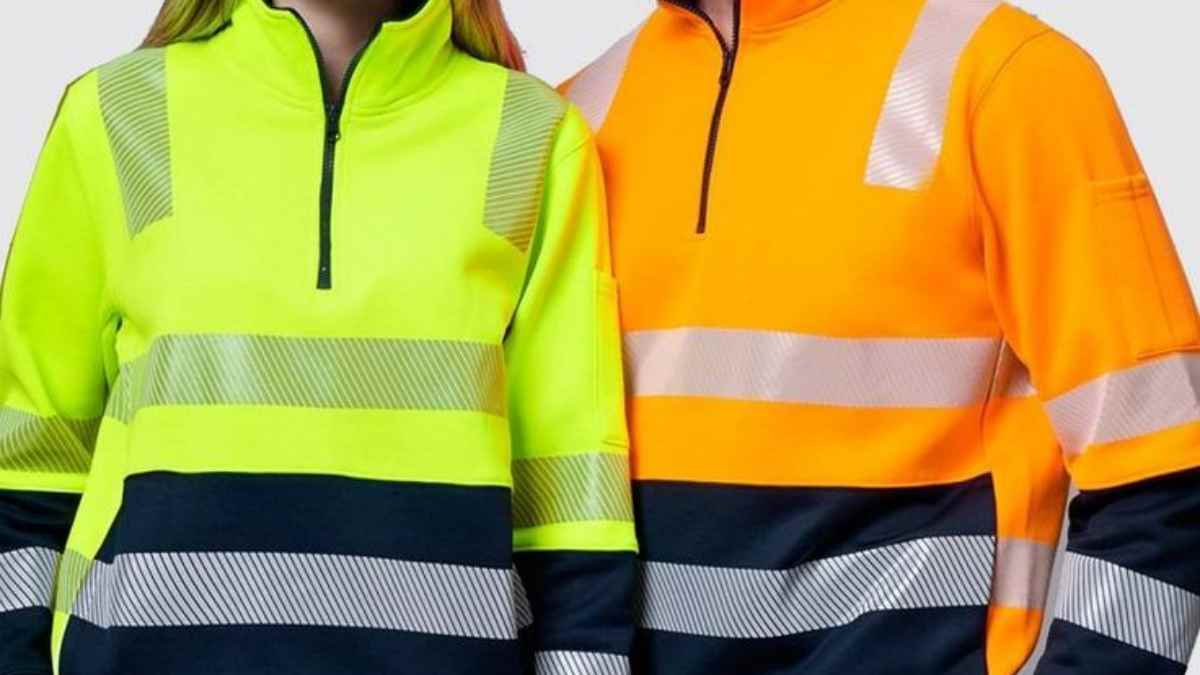
고신축 라이크라
업계 최고 수준의 400% 이상의 신장률을 제공하여 극한의 근육 팽창 시에도 미세 균열 없이 원단과 완벽하게 동기화되어 움직입니다.
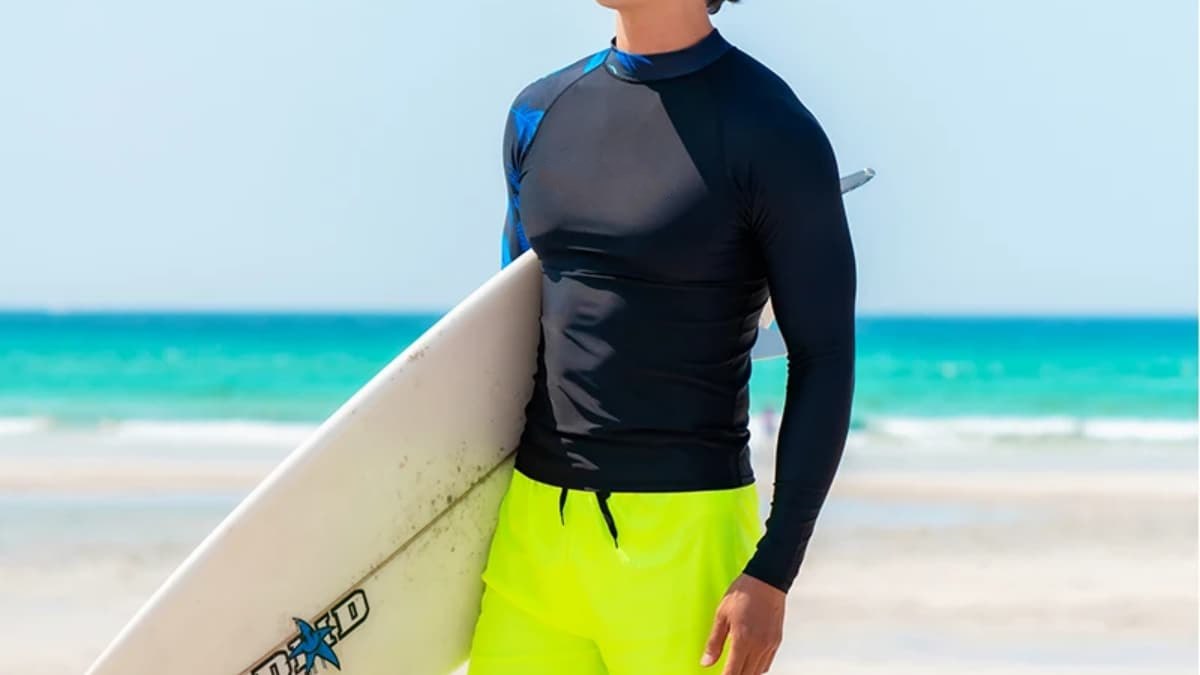
스판덱스
탁월한 탄성 복원력을 제공하여 기존 열전사 방식에서 흔히 발생하는 '고스팅'이나 벗겨짐 없이 반사 패턴이 원래 모양으로 돌아오도록 합니다.
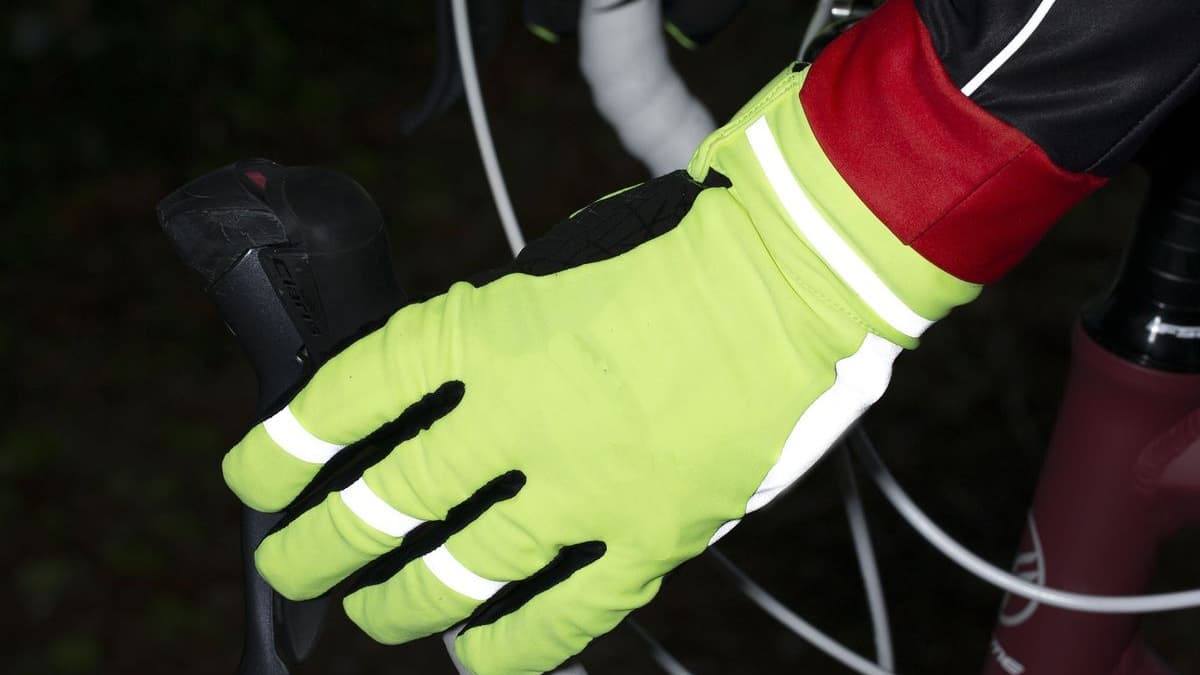
나일론 (링커 필요)
당사의 특수 프라이머와 결합하면 강력한 화학적 결합을 생성하여 매끄러운 고강도 나일론 표면의 접착 문제를 해결합니다.
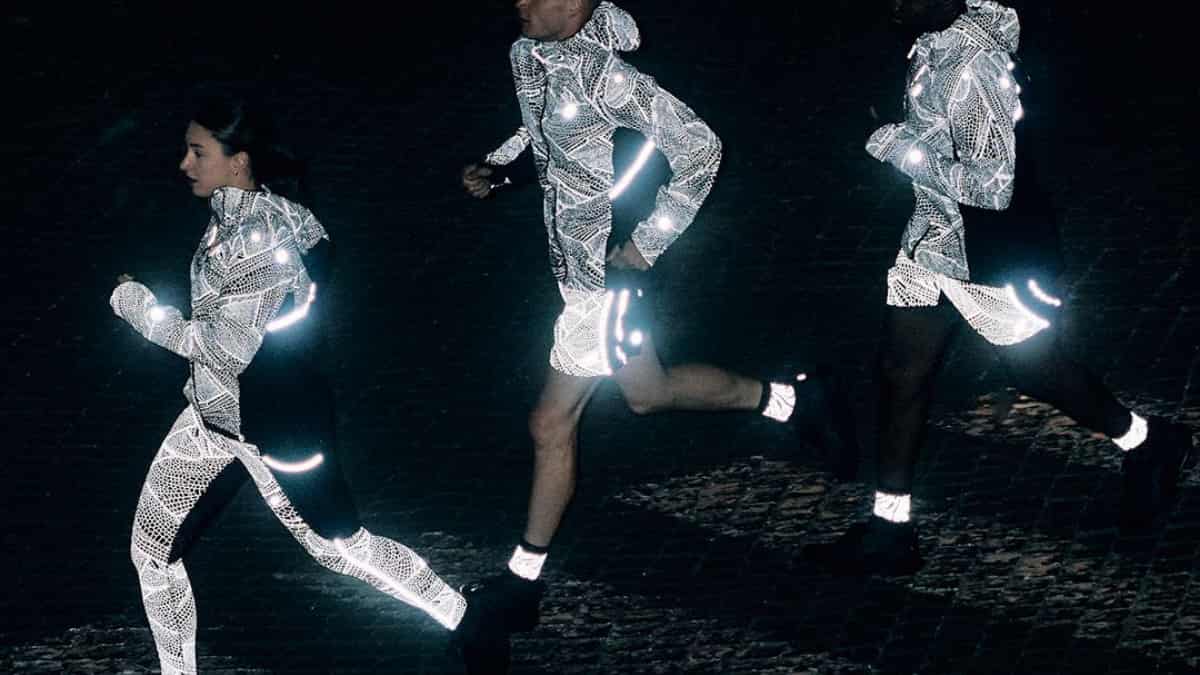
폴리에스터
우수한 열 안정성과 내세탁성을 위해 설계되었으며, 다음 이후에도 최고의 광도를 유지합니다. 60°C에서 50회 이상의 고강도 세탁.
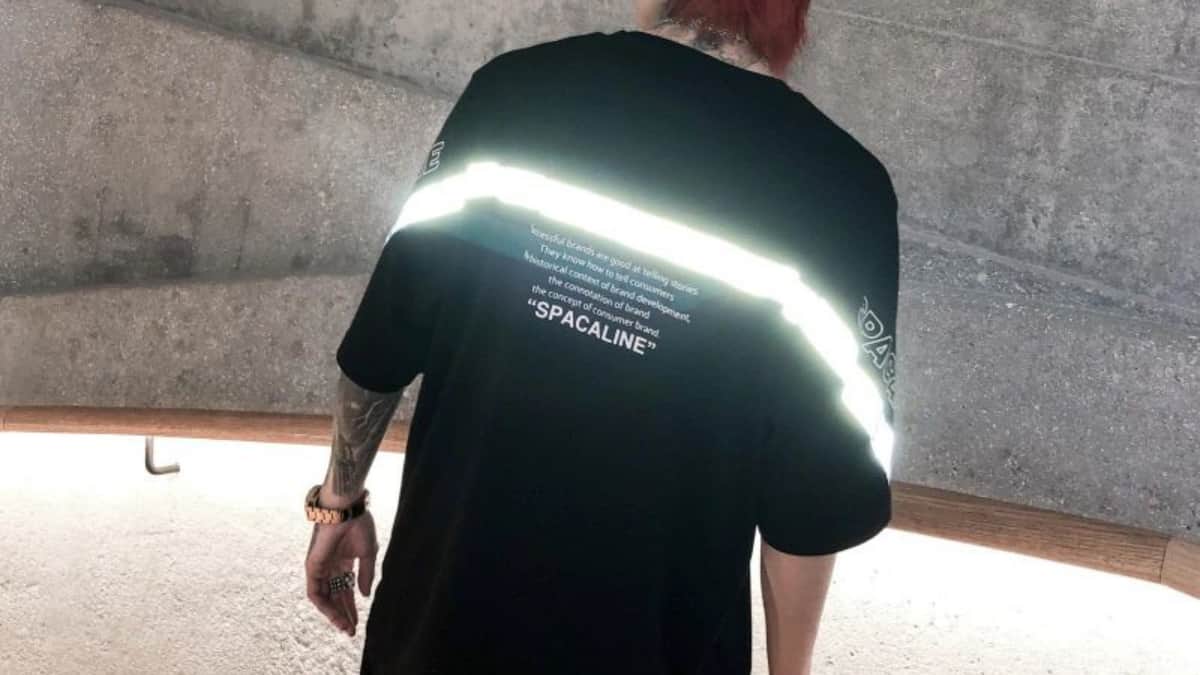
면 혼방
상당히 더 부드러운 촉감과 더 나은 통기성 딱딱한 반사 비닐과 비교하여 면 소재 의류의 자연스러운 편안함을 유지합니다.
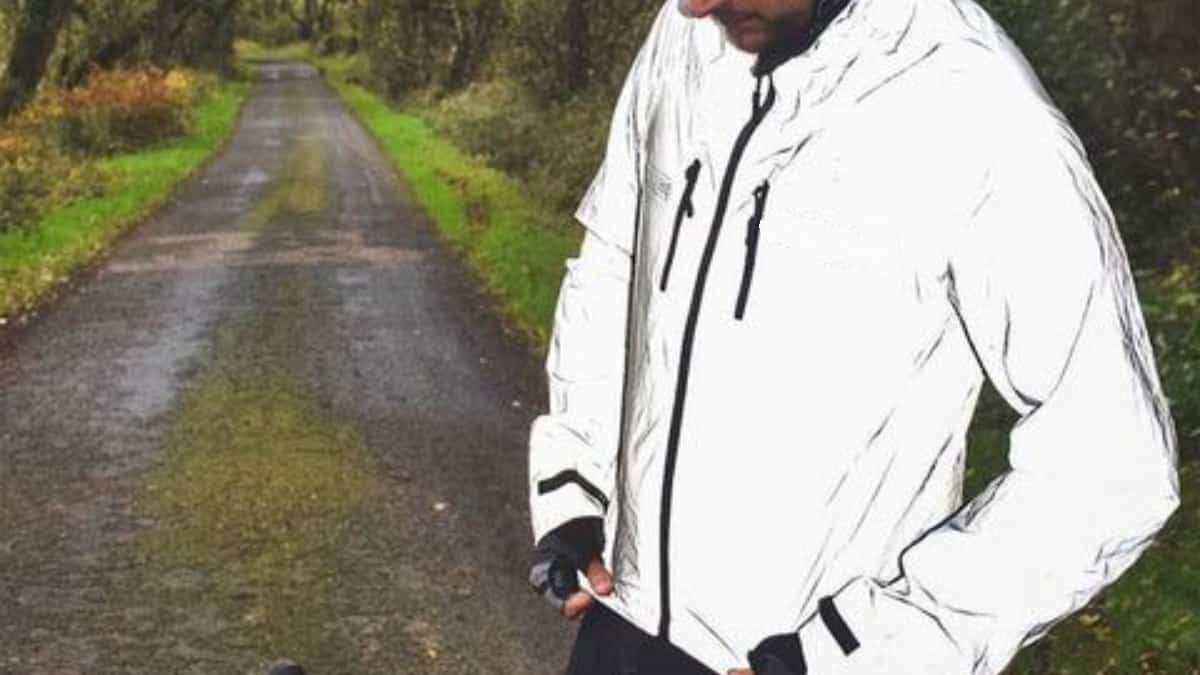
방수 소프트쉘
의류의 기술적 방수 기능을 저해하지 않으면서도 고강도 안전 보호 기능으로 변환되는 매끄럽고 통합된 '스텔스 그레이' 미학을 구현합니다.
비교: 반사 실리콘 vs 대체재
| 특징 | 당사의 반사 실리콘 | 반사 HTV(비닐) | 반사 수성 잉크 |
| 탄성 | ★★★★★ (고탄성) | ★ (원단 제약 있음) | ★★ (쉽게 갈라짐) |
| 통기성 | 높음 (스크린 인쇄 메쉬) | 없음 (고체 플라스틱 블록) | 보통 |
| 내구성 | 우수함 (화학적 결합) | 가장자리가 벗겨지기 쉬움 | 세탁 후 색이 바램 |
| 생산 속도 | 빠름 (인라인 인쇄) | 느림 (플로터 커팅/제거) | 보통 |
고객 사례 연구
고객사: 미국 캘리포니아의 프리미엄 사이클링 의류 브랜드.
애로사항: 그들은 고압축 빕 숏의 로고에 반사 열전사 비닐(HTV)을 사용하고 있었습니다. 비닐은 라이크라와 함께 늘어나지 않아 가장자리가 벗겨지고 라이더의 다리에 닿을 때 딱딱한 판처럼 느껴졌습니다.
솔루션: 다음으로 전환: 고신축성 반사 실리콘.
성과:
갈라짐 없이 400% 신축률 달성.
'입지 않은 듯한' 부드러운 느낌으로 라이더의 편안함이 크게 향상되었습니다.
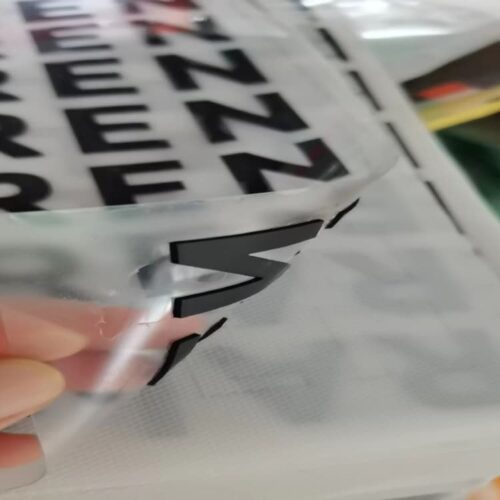
HTV에 필요한 노동 집약적인 '제거(weeding)' 공정을 없애 생산 비용이 15% 절감되었습니다.
자주 묻는 질문(FAQ) - 문제 해결
Q1: 반사 실리콘에 색을 입혀 빨간색, 파란색, 검은색으로 만들 수 있나요?
A: 네, 최대 5%까지 실리콘 색상 안료를 추가할 수 있습니다. 하지만, 색상을 추가하면 유리 구슬을 덮어 빛을 흡수하게 된다는 점을 유의하십시오. 어두운 안료(검은색 등)는 재귀 반사율을 최대 50%까지 감소시킵니다. 최대의 밝기를 원하시면 자연 상태의 실버-그레이를 사용하십시오.
Q2: 반사 실리콘을 인쇄했는데 빛을 반사하지 않습니다. 무엇이 문제인가요?
A: 보통 다음 두 가지 이유 때문에 발생합니다: 디자인 위에 투명 탑코트를 도포했기 때문입니다. 유리 구슬이 빛을 굴절시켜 다시 광원으로 반사하려면 공기에 노출되어야 합니다. 너무 높은 메시(예: 200메시)를 사용하여 유리 구슬이 걸러졌을 수 있습니다. 또는 투명 베이스만 인쇄했을 가능성이 있습니다.
Q3: 방수 바람막이에도 사용할 수 있나요?
A: 물론입니다. 하지만 방수 나일론(DWR 처리됨)은 일반 잉크를 밀어내기 때문에, 먼저 당사의 나일론 본딩 실리콘(링커/프라이머) 를 언더베이스로 1~2회 인쇄하고 플래시 경화한 다음, 반사 실리콘을 도포해야 합니다.
Q4: 열 프레스기가 필요한가요?
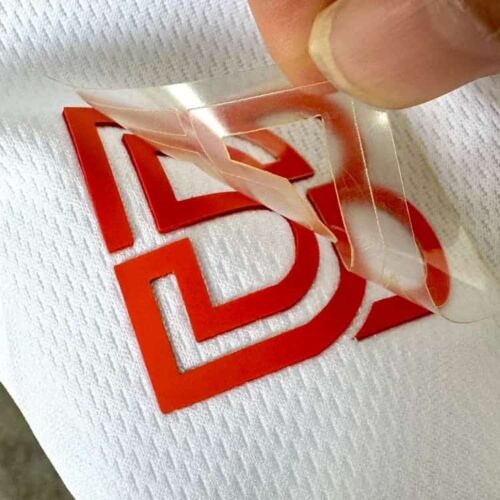
A: 아니요, 이것은 직접 스크린 인쇄용 액상 잉크입니다. 산업용 터널 건조기나 오븐을 통해 경화됩니다. 열 프레스 솔루션을 찾고 계신다면 당사의 '반사 실리콘 열전사지(Reflective Silicone Heat Transfers)'를 확인해 보세요.
Q5: 3D(고밀도) 입체 반사 인쇄를 만들 수 있나요?
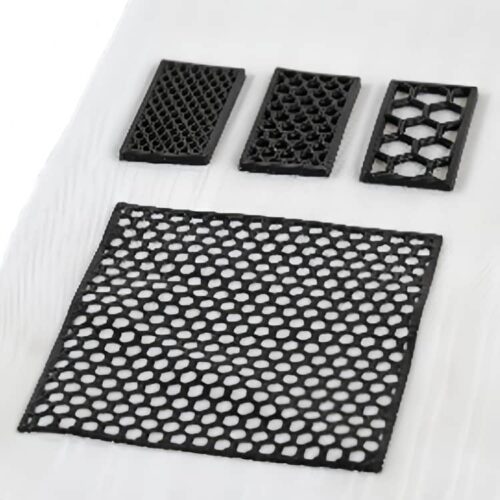
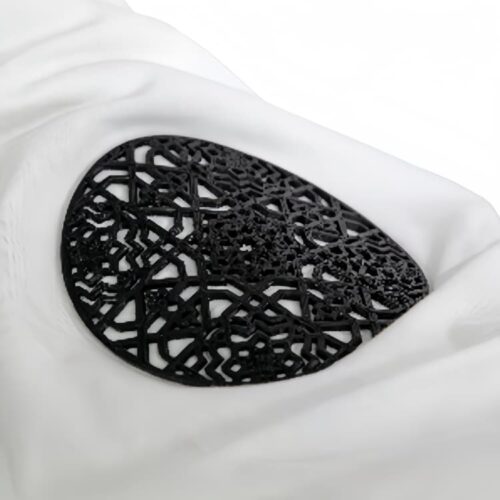
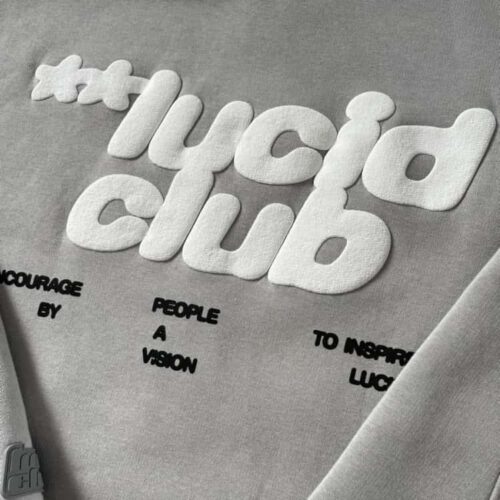
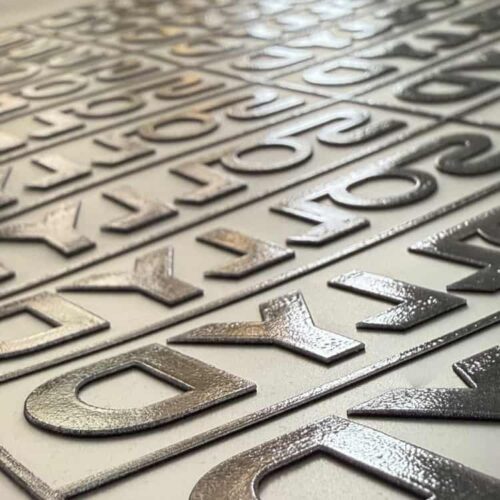
A: 네, 이는 현대 스트릿웨어에서 매우 인기 있는 프리미엄 효과입니다! 하지만 절대로 반사 실리콘 자체로 3D 두께를 쌓으려 하지 마십시오. 비용 효율적이지 않으며, 밀도가 높은 유리 구슬 때문에 매우 두꺼운 층에서는 심부 경화가 제대로 이루어지지 않을 수 있습니다. 전문가 방법: 먼저 당사의 고밀도(HD) 투명 실리콘을 사용하여 원하는 3D 높이(예: 0.5mm – 1mm)를 만듭니다. 3D 구조가 완성되면, 마지막 마감으로 반사 실리콘을 1~2회 얇게 덧입히는 방식으로 인쇄하십시오.
Q6: 인쇄물이 밝게 반사되도록 유지하기 위한 의류 세탁 권장 사항은 무엇인가요?
A: 당사의 실리콘 매트릭스는 유리 마이크로비드에 매우 강력한 기계적 결합을 형성하지만, 비드의 상단 절반은 필수 빛을 반사하기 위해 공기 중에 노출된 상태로 유지됩니다. 강한 화학 물질은 미세한 유리 표면을 부식시키거나 긁어 시간이 지남에 따라 '플래시' 효과를 떨어뜨릴 수 있습니다. 의류 구매자에게 항상 다음과 같은 세탁 라벨을 부착하도록 안내하십시오: 찬물에 뒤집어서 세탁하십시오. 표백제 사용을 금하며, 절대로 드라이클리닝하지 마십시오. 전통적인 드라이클리닝 용제는 유리 비드에서 반사 코팅을 즉시 제거하여 인쇄물을 영구적으로 흐릿하게 만듭니다.
 English
 Deutsch (Sie)
 العربية
 বাংলা
বাংলা 香港中文
香港中文 Français
 Bahasa Indonesia
 Português do Brasil
 한국어
한국어 Tiếng Việt
 日本語
日本語 Polski
 Русский
 Türkçe
 ไทย
ไทย Español de México