-
Call Now +86 13426858645
-
Any Questions info@sollydsiliconeink.com
Silicone Ink for Silicone Products: Applications, Printing Process and Material Selection
The bottom line is pretty simple: standard plastic or solvent-based inks just won’t cut it here. Printing on silicone is tricky. If you want a print that actually stays put, you need ink specifically made for silicone.
 Bykelseyy

Table of Contents
If you’ve ever had the nightmare of watching your logos peel off a silicone surface like a bad sunburn, you already know the frustration. The bottom line is pretty simple: standard plastic or solvent-based inks just won’t cut it here. Printing on silicone is tricky. If you want a print that actually stays put, you need ink specifically made for silicone. Working with a reliable silicone ink manufacturer keeps your designs from peeling or fading—even under heavy stretch, heat, or harsh chemicals. Bottom line: it saves you from pricey returns and bad reviews.
What Is Silicone Ink for Silicone Products?
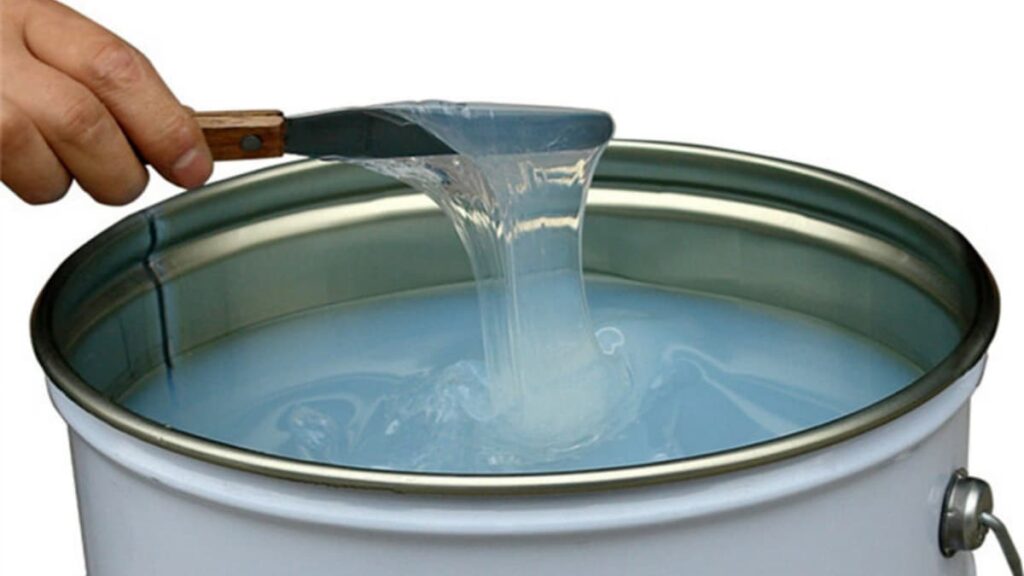
I’ve spent years in the printing world, and I always tell people that silicone ink is basically like “liquid skin.” It’s far more than just paint; it’s a specialized coating built from silicone polymers that are chemically the same as the products you’re printing on. While most inks just sit on the surface, waiting to be scratched off, silicone ink actually fuses with the substrate to become one solid piece.
Professional silicone ink is basically a mix of silicone resin, pigments, and a hardener. The hardener triggers a chemical reaction called cross-linking—without it, the ink just stays wet and won’t cure at all. It’s this specific chemical bond that makes the finished print heat-resistant, waterproof, and incredibly stretchy.
Silicone Products and Substrates Suitable for Silicone Ink Printing
Silicone is everywhere now, mostly because it’s a safer and more durable alternative to plastic. But as someone who solves these printing puzzles for a living, I’ve learned that you have to treat different types of silicone with their own specific “recipe.”
- Liquid Silicone Rubber (LSR): You’ll see this in medical parts and high-precision molding. It’s super smooth—almost too smooth—which makes it a bit tricky for ink to grab onto unless your surface prep is perfect.
- Solid Silicone (HCR): This is the tough stuff used for swim caps or kitchen tools. It usually requires high-heat curing to get the bond right.
- Silicone Coated Fabrics: This is a massive market. We’re seeing huge demand for silicone ink for garment printing on compression gear and athletic wear.
- RTV Silicone: Usually found in gaskets or custom industrial molds.
The shift toward “clean” materials is pushing silicone into the spotlight for infant care and medical tech. This means your ink needs to be just as safe and compliant as the product itself.
Common Applications of Silicone Ink in Industrial Manufacturing
In industrial manufacturing, printing isn’t just about looking good—it’s about survival. In many cases, my clients use silicone ink because every other material they tried simply failed the stress test.
- Automotive Gaskets and Buttons: Icons on your dashboard or seals under the hood have to survive oil, grease, and years of constant touch.
- Medical Measurement Tools: On something like a silicone catheter, those measurement lines have to stay put even after being shoved into an autoclave for sterilization.
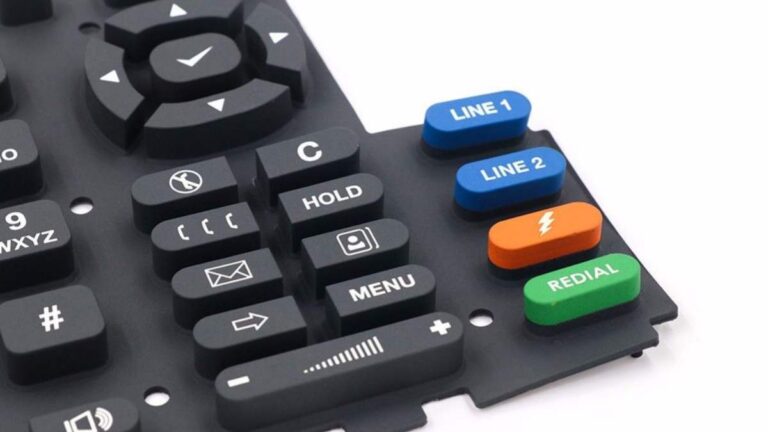
- Consumer Electronics: Think about your remote control buttons or those soft earbud tips.
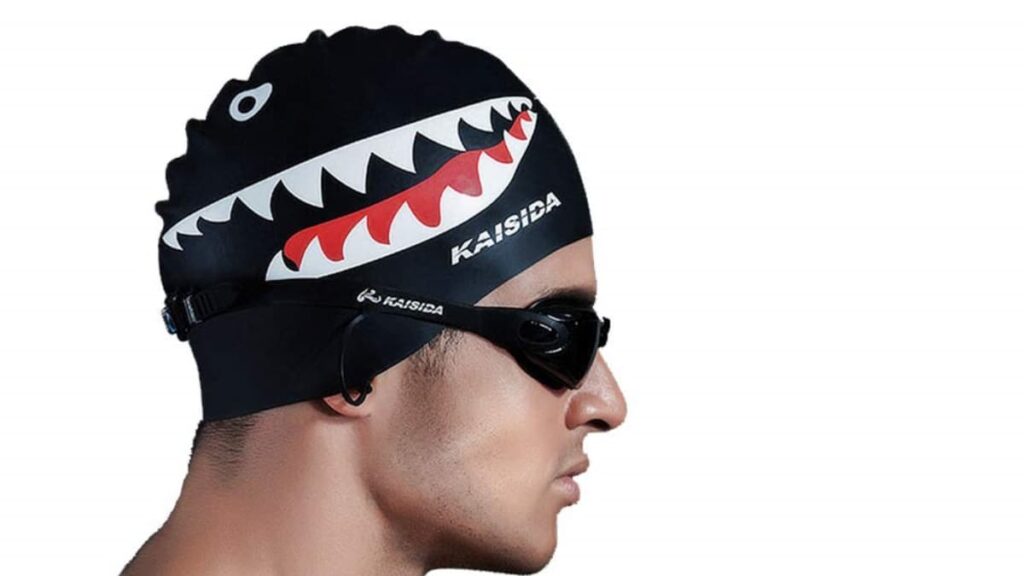
- Sporting Goods: Non-slip grips on gym gloves or the branding on a high-performance swim cap.
Best Practice: If you’re printing for the automotive sector, I always recommend a “double-rub” test with harsh chemicals like gasoline. It’s the only way to be 100% sure the ink is up for the job.
How Silicone Ink Bonds to Silicone Rubber
I’ve had plenty of engineers ask me why their expensive regular ink won’t stick. The answer is surface energy. Silicone has very low surface energy—it’s naturally “non-stick,” just like a brand-new frying pan.
Silicone ink works through what I call a “molecular handshake.” Instead of just sitting on top, the ink molecules lock together with the product molecules during the heat-curing process. This is known as “adhesion by cross-linking.” This bond is so effective that the ink often ends up being stronger than the base material itself.
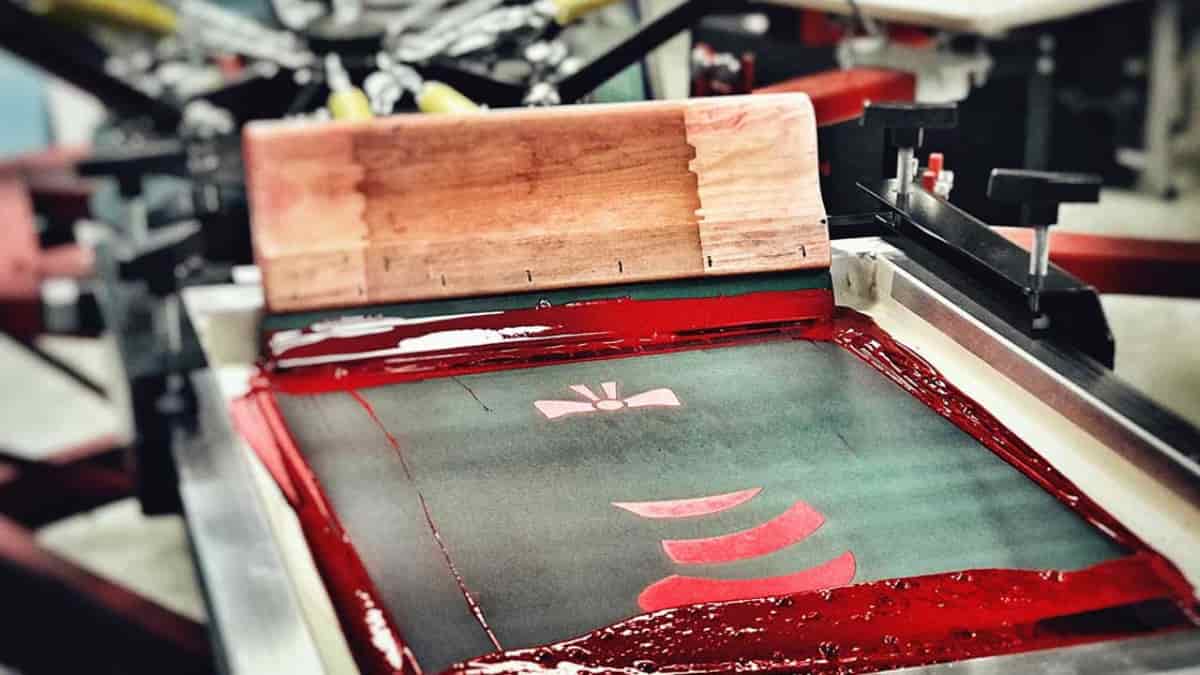
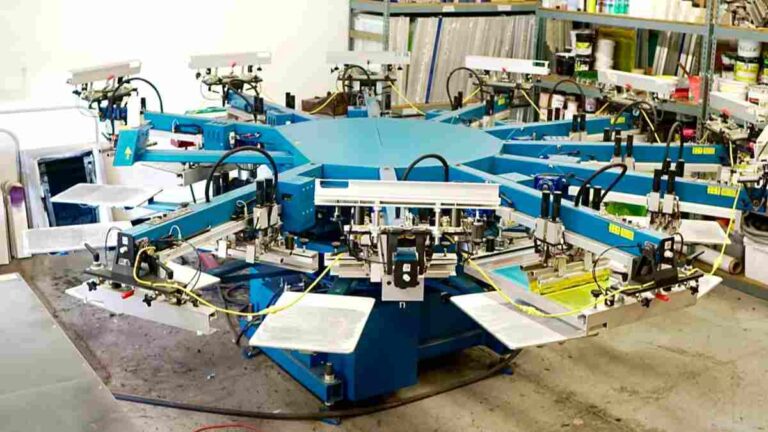
Silicone Screen Printing Process for Molded Silicone Parts
Setting up a line for molded parts? Don’t skip the boring steps. I’ve seen factories try to rush the drying time to save a few seconds, and it always ends in a disaster. Here’s the workflow I actually trust:
- De-oiling: Molded parts often have “mold release” oils left over. If you don’t clean this off with alcohol, your ink will just float on the oil and never actually touch the silicone.
- Mixing: Mix your ink with the catalyst (usually a 10:1 or 100:2 ratio). Use a digital scale and don’t guess—precision is everything here.
- Screening: A squeegee with a medium hardness (70-75 shore) usually gives the best results.
- Leveling: Give the ink a minute to sit after printing. This lets any tiny air bubbles disappear so the finish is smooth.
- Baking: Most molded parts need to hit 150°C for about 3 to 5 minutes to fully cure.
| Step | Parameter | Why it matters |
| Mesh Count | 120 – 250 | Controls how thick the logo is |
| Curing Temp | 150°C – 180°C | This is what creates the bond |
| Pot Life | 4 – 8 Hours | The “use it or lose it” window |
How to Select Silicone Ink for Different Silicone Products
Picking the right ink is just like choosing tires—slick racing tires are useless in a field. Printing on super-soft liquid silicone requires high-stretch ink, plain and simple.
Without enough flex, the print snaps the second it’s stretched. Hard silicone keypads are different though—you need raw rub resistance so icons don’t wear off after thousands of taps.
Key Properties: Adhesion, Flexibility, Abrasion Resistance and Color Stability
When I’m testing an ink for a new project, I focus on four main pillars:
- Adhesion: Does it pass the “3M tape test”? If you pull a piece of tape off the print and the ink comes with it, you’ve failed before you even started.
- Flexibility: It should be able to stretch 300% to 500% without showing those ugly “white” stress marks.
- Abrasion Resistance: This is vital for wearables like smartwatches. The ink shouldn’t buff off just from rubbing against your sleeve.
- Color Stability: Since silicone is used outdoors a lot, we use automotive-grade pigments. This ensures your red stays bright red and doesn’t turn pink after a month in the sun.
Surface Preparation, Curing and Post-Treatment Requirements
Let’s be honest: most printing failures happen before the squeegee even hits the screen.
Preparation: Many high-volume shops use what’s called a “Flame Treatment.” You pass the silicone part through a blue flame for a fraction of a second. This tiny zap breaks the surface tension and makes the silicone “hungry” for the ink.
Curing: You need a rock-solid, consistent heat source. If your oven has “cold spots,” half your batch will be under-cured and will likely peel off during shipping.
Post-Treatment: For medical gear, a “post-bake” is usually required. This ensures every last bit of volatile material is gone, which is a must for anything touching human skin for long periods.
Common Silicone Ink Printing Problems and Solutions
After troubleshooting hundreds of print shops, I’ve noticed the same few headaches over and over.
- The “Orange Peel” Effect: If the ink looks bumpy, it’s usually too thick. You can usually fix this by adding a tiny drop of silicone thinner.
- Static Electricity: In dry weather, silicone becomes a dust magnet. This leaves “fish eyes” in your print. An anti-static bar on your line is a total lifesaver.
- Ink Won’t Dry: Check your catalyst first. Most of the time, it’s a mixing error—either the ratio was off or it wasn’t stirred well enough.
Best Practice: I always tell my clients to keep a “master sample.” Every morning, print one part, cure it, and try to scratch it off. If it passes, then you can start the full production run.
Technical Data Manufacturers Should Check Before Production
If you are a purchasing manager, don’t just look at the price tag. You need to dig into the Technical Data Sheet (TDS).
Check the Viscosity to see how it will flow, and look at the Opacity to see how well it hides the background color. Most importantly, check for compliance. If you’re exporting to the US or Europe, you need to be sure the ink is Phthalate-free and passes OEKO-TEX Standard 100. Most big brands now demand ZDHC Level 3 certification, which is something we take very seriously at Sollyd. You can also adjust the flow of your ink using pure pdms silicone oil if you need to fine-tune the viscosity for complex molds.
Silicone Ink FAQs for Silicone Product Manufacturers
Is your silicone ink eco-friendly enough for international brands?
Yes, it’s one of the main reasons people switch to us. Our inks are free from lead, PVC, and phthalates. We meet the strict requirements of REACH and OEKO-TEX. If you are supplying to big retail brands, our ink will help you pass their chemical audits without any stress.
How do I make the ink dry faster in a high-speed factory?
You can increase the temperature, but be careful not to scorch the substrate. Another way is to use a “fast” catalyst. We offer different catalysts depending on whether you are doing slow manual printing or high-speed machine printing.
Why is my white ink looking yellowish after baking?
Usually a sign the bake was too hot or too long. Silicone takes high heat fine, but white pigments burn easily. Drop the temp 10 degrees and add a minute to the timer instead.
What is the best way to store the ink to make it last?
Keep it in a cool, dark place. Heat is the enemy of silicone ink. If the warehouse gets too hot in the summer, the ink can start to thicken inside the can even without a catalyst.
Can we print on “recycled” silicone?
Yes, but you have to be careful. Recycled materials can sometimes have “impurities” that mess with the chemical bond. I always suggest a small test print first to make sure the adhesion is still 100%.
Expert Conclusion
Printing on silicone doesn’t have to be a headache. If you respect the chemistry and use the right tools, it’s one of the most durable printing methods in the world. Whether you are making medical valves or the latest fitness tracker, your branding is a promise of quality. Don’t let that promise peel off.
If you’re stuck on a project, reach out to us at Sollyd. We don’t just sell ink; we solve the problems that keep you up at night.


 English
 Deutsch (Sie)
 العربية
 বাংলা
বাংলা 香港中文
香港中文 Français
 Bahasa Indonesia
 Português do Brasil
 한국어
한국어 Tiếng Việt
 日本語
日本語 Polski
 Русский
 Türkçe
 ไทย
ไทย Español de México