-
Zadzwoń teraz +86 13426858645
-
Masz pytania? [email protected]
Matte vs. Glossy Silicone Ink: The Technical Selection Guide for Maximizing Production Yield and Print Quality
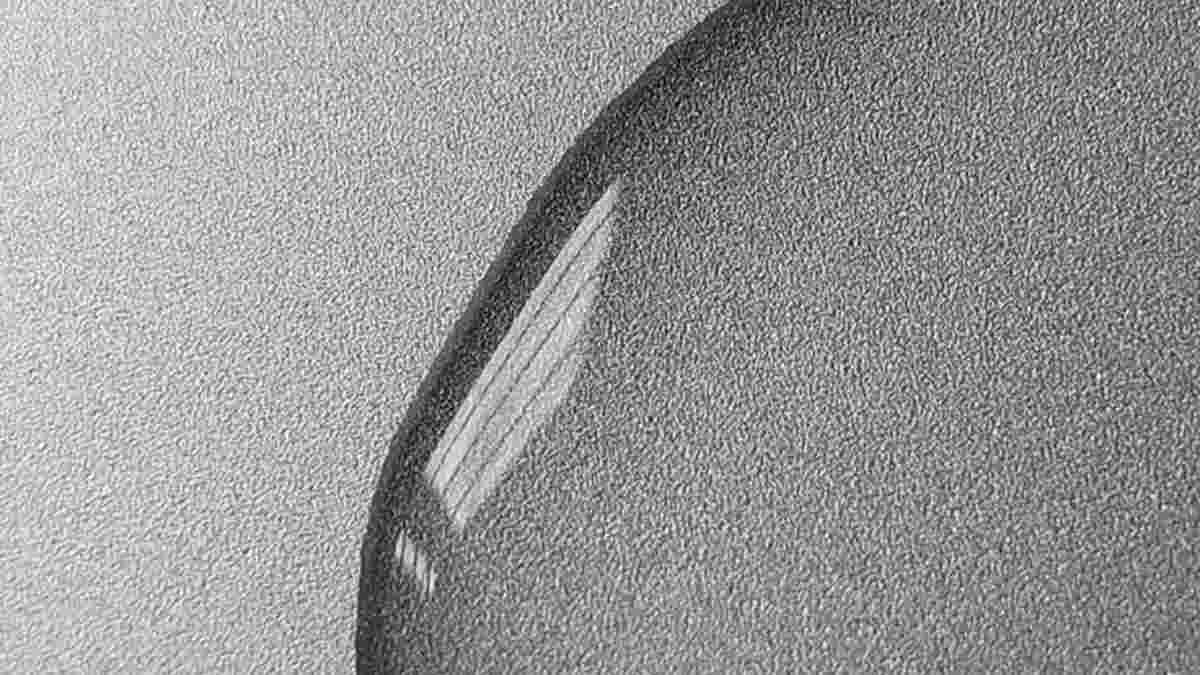
Matte is what everyone uses for premium yoga wear—no shine, hides the fabric texture, feels like skin. Gloss is for chest prints or logos that need to pop with that wet 3D shine.
 Bykelseyy

Table of Contents
Factories always ask me which finish is “best.” Honestly, it just depends on the hand-feel you want and how your curing tunnel runs. Matte is what everyone uses for premium yoga wear—no shine, hides the fabric texture, feels like skin. Gloss is for chest prints or logos that need to pop with that wet 3D shine. Keep in mind, this isn’t only about looks: it messes with your scrap rate and how much lint/dust sticks to the shirts on the racks.
How Do Matte and Glossy Silicone Inks Differ?
The core difference is simple: light control. Matte ink uses micro-silica particles to diffuse incoming light, creating a flat, soft look. Glossy ink does just the reverse. It’s formulated to level out perfectly flat before it cures, creating a mirror-like surface that reflects light directly.
The gloss level is usually measured at a 60-degree angle. A true matte finish sits below 10 Gloss Units (GU) while a high-gloss silicone can easily top 90 GU. It’s not just a visual thing either. Glossy inks tend to have a lower viscosity to help the ink “flow” into that smooth finish, whereas matte inks are often thicker and more opaque.
Matte Silicone Ink: Properties and Typical Applications
Athleisure brands lean heavily on matte silicone ink because it skips the plastic feel. The finish stays dry and velvety, so the print won’t cling to your skin when you sweat hard.
Why it works for large-scale production:
- Low Friction: It slides easily during the sewing process and doesn’t drag against other garments in the box.
- Imperfection Hider: If your fabric has slight irregularities, matte ink is very forgiving. It blends into the substrate rather than highlighting bumps.
- Scratch Resistance: It doesn’t show scuffs as easily as a shiny surface.
You’ll find this finish on 90% of premium yoga leggings and base layers. It’s also the preferred choice for silicone leather used in car interiors because it prevents sun glare from hitting the driver’s eyes.
Glossy Silicone Ink: Properties and Typical Applications
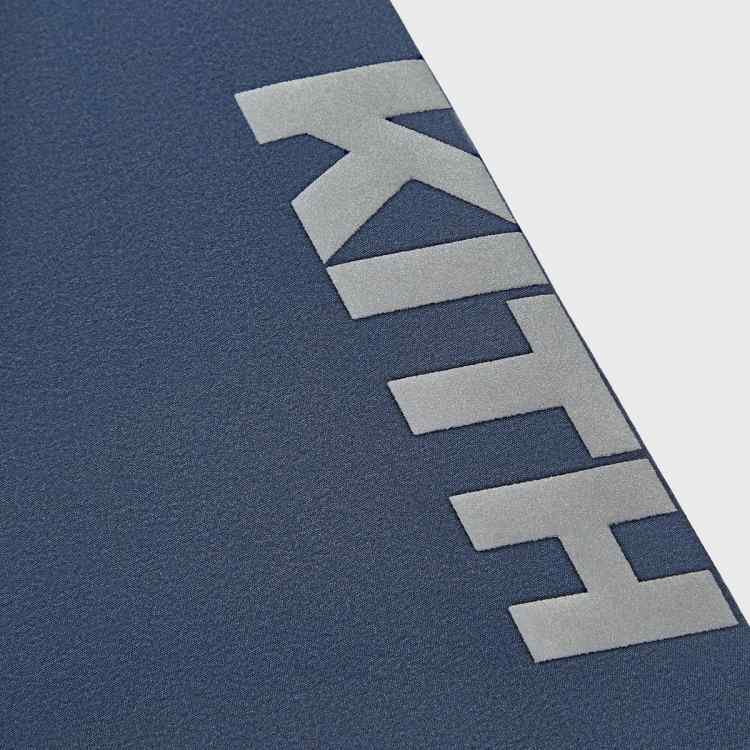
Gloss ink brings the visual punch. It instantly upgrades a basic tee by adding rich depth and color saturation. With zero surface roughness to diffuse incoming light, rays hit the pigment straight on—giving you richer, deeper blacks and neons that truly jump out.
Key performance traits:
- Water Repellency: High surface tension makes water bead up immediately.
- Grip: The natural tack gives you solid grip—that’s why football receiver gloves use it.
- Visual Pop: Gives you a wet shine that holds up past 50 washes.
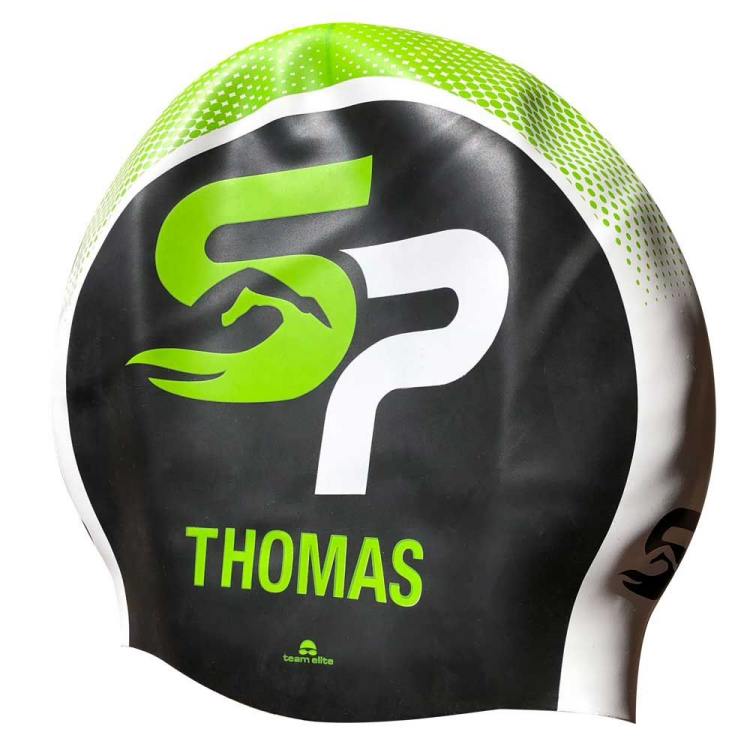
I recommend glossy screen printing inks for swim caps, team logos, and 3D heat transfers where the print needs to look poured right onto the fabric.
Matte vs Glossy Silicone Ink: Side-by-Side Comparison
When you’re doing sample validation, use this table as your checklist. I’ve based these values on typical results from a standard 120°C – 150°C curing cycle.
| Factor | Matową | Glossy |
| Surface appearance | Flat, “skin-like” | Shiny, “wet” look |
| Light reflection | Very Low (<10 GU) | Very High (>85 GU) |
| Touch | Dry, velvety | Smooth, rubbery, grippy |
| Dirt visibility | Low (hides dust) | High (shows fingerprints/dust) |
| Application | Yoga, inner waistbands, base layers | Logos, swim caps, 3D badges |
| Printing requirements | Higher mesh (120-160) | Lower mesh (80-120) for flow |
How Surface Finish Affects Color Appearance
Colors are liars. I’ve seen countless production runs where the customer thinks the pigment is wrong but it’s actually the finish. This is the “Light Scattering Effect.” Matte finishes make colors look a half-shade lighter or “dustier” because the white light scattering off the surface mixes with the pigment color. Glossy ink allows for a pure color reflection. If you are doing an incoming inspection, never compare a matte production sample to a glossy master chip. Your ΔE (color difference) will be off every time.
How Substrate Surface Affects Final Gloss Level
Your fabric is the foundation. If you try to print high-gloss płynnych silikonów on a fuzzy cotton towel, the ink will sink into the fibers and look dull. You won’t get that mirror finish. For high-volume manufacturing, you have to “seal” the fabric first. We usually print a clear high-density base coat to create a flat plastic “platform” before we ever hit it with the glossy top coat. Matte ink is much easier; it’s basically “set it and forget it” regardless of the fabric texture.
Matte and Glossy Silicone Ink for Textile Printing
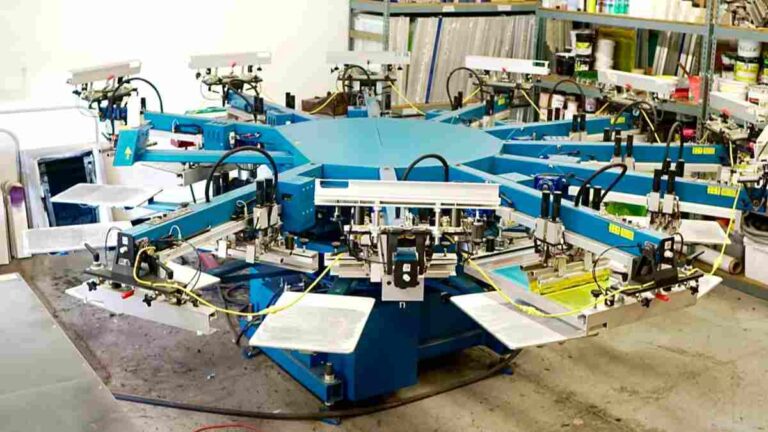
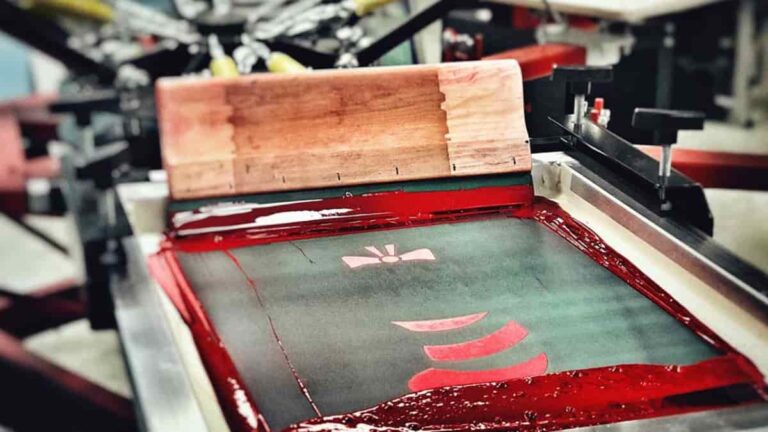
On the press, your squeegee and mesh setups will shift depending on the target finish. For matte, go with a harder blade (75–80 durometer) to shear the ink cleanly and lay down a thinner deposit, keeping the hand-feel soft and lightweight.
Pro Tip: Running high-stretch nylon? Pair our elastic silicone ink with a matte topcoat. Glossy finishes tend to show stress whitening under heavy pull, while matte holds up far better under tension.
Matte and Glossy Ink for Molded Silicone Products
Finishes in molding aren’t just about the ink; they are about the steel. If your mold is mirror-polished, your badge will be glossy. If the mold is sandblasted, it will be matte. However, you can use anti-migration silicone ink as a spray-on coating after the fact. This is a huge trick for brands that want to offer two different “looks” using the same expensive metal mold.
Adhesion and Durability Differences
There’s zero difference in how well these inks stick to the fabric. They both use the same chemical backbone. But there is a difference in “wear and tear.” Matte inks can sometimes “burnish” over time. This means after enough rubbing and washing, the matte surface gets polished smooth and starts to look shiny in high-friction areas (like under the arms). Glossy inks don’t have this problem but they can suffer from “blocking”—where the print sticks to itself in the dryer or in the shipping box if not cooled down properly.
Curing Conditions and Their Effect on Surface Finish
Temperature control is behind roughly 90% of all finish defects. To get a truly tack-free surface, complete silicone cross-linking is non-negotiable.
Under-cure the print, and glossy ink feels like sticky tape. Run the dryer too hot and let the ink boil, and your matte finish turns out splotchy and uneven. Always run a donut probe to read actual belt heat. We usually aim for 120°C for 60–90 seconds on standard cures, but double-check your ink’s TDS to keep batches consistent.
Common Surface Finish Problems and Solutions
- The “Orange Peel” Look: This happens when glossy ink is too thick or isn’t allowed to “level” before hitting the heat. Rozwiązanie: Add 2% thinner and let the print sit for 10 seconds before curing.
- Matte looking “Grey”: Usually caused by too much matting agent or over-curing. Rozwiązanie: Check your mixing ratios and lower the dryer temp by 5 degrees.
- Dust Magnetism: Glossy prints are static magnets. Rozwiązanie: Use an anti-static bar at the end of your dryer line.
How Manufacturers Choose Between Matte and Glossy Silicone Ink
The choice usually comes down to the “vibe” of the brand.
- Choose Matte if: You are targeting the “luxury/wellness” market. It feels more like fabric and less like a print. It’s the best for large-area coverage.
- Choose Glossy if: You are targeting “high-performance/tech.” It looks energetic and is easy to clean. It’s unbeatable for small, sharp logos that need to stand out.
At Sollyd, we help factories dial in these settings so you don’t waste thousands of dollars on rejected batches. Whether you need a dry matte or a mirror gloss, consistency is what keeps your production yield high.
FAQ
How do your inks handle environmental compliance for big brands?
All Sollyd silicone inks are PVC-free and phthalate-free. We strictly follow ZDHC and OEKO-TEX Standard 100 guidelines. For our B-end partners, we provide a full CoA and SDS so you can pass any incoming inspection from brands like Nike or Adidas.
Is there a way to get a “middle-ground” finish?
Yes. We often recommend a “Satin” finish. You can achieve this by mixing matte and glossy clear inks at a 1:1 ratio. It gives you the soft touch of matte with just enough sheen to make the colors pop. It’s a very popular custom formulation for mass production.
Why does my glossy ink feel sticky after 24 hours?
This is a curing failure. It usually means the platinum catalyst didn’t fully cross-link the polymer. Check your mixing scale—even a 1% error can cause this. Also, ensure your dryer’s “process window” is long enough; silicone needs time under heat to set permanently.
Which finish is better for preventing dye migration on polyester?
anti-migration silicone ink is usually used as a “blocker” layer underneath the color. However, matte top coats are generally better at hiding the very slight migration that can happen over months of storage compared to a crystal-clear glossy top coat.
Can I run the exact same mesh count for both finishes?
Technically yes, but you won’t get great results. Gloss silicone needs extra deposit to flow out and self-level into that glass-like shine, so stick to an 80–100 mesh. Matte runs best through a tighter 120–140 screen to keep the hand-feel lightweight and soft.


 English
 Deutsch (Sie)
 العربية
 বাংলা
বাংলা 香港中文
香港中文 Français
 Bahasa Indonesia
 Português do Brasil
 한국어
한국어 Tiếng Việt
 日本語
日本語 Polski
 Русский
 Türkçe
 ไทย
ไทย Español de México