-
Zadzwoń teraz +86 13426858645
-
Masz pytania? [email protected]
Silicone Materials for Soft Robotics and Humanoid Robots: Practical Solutions for Grippers, Artificial Skin, Wearables, and Advanced Robotics
 Bylira

Modern robotics relies on advanced material science. Engineered silicones enable soft, lifelike systems to bend and stretch in ways rigid metals cannot. Delivering unmatched elasticity and durability, these materials are the foundation of delicate grippers, realistic skins, and responsive wearables. Here, we break down the practical applications of liquid silicones, elastomer formulations, and functional screen-printing silicone inks across five core robotic domains.
Table of Contents
Liquid Silicone Rubber (LSR) Solutions for Robotics Manufacturers
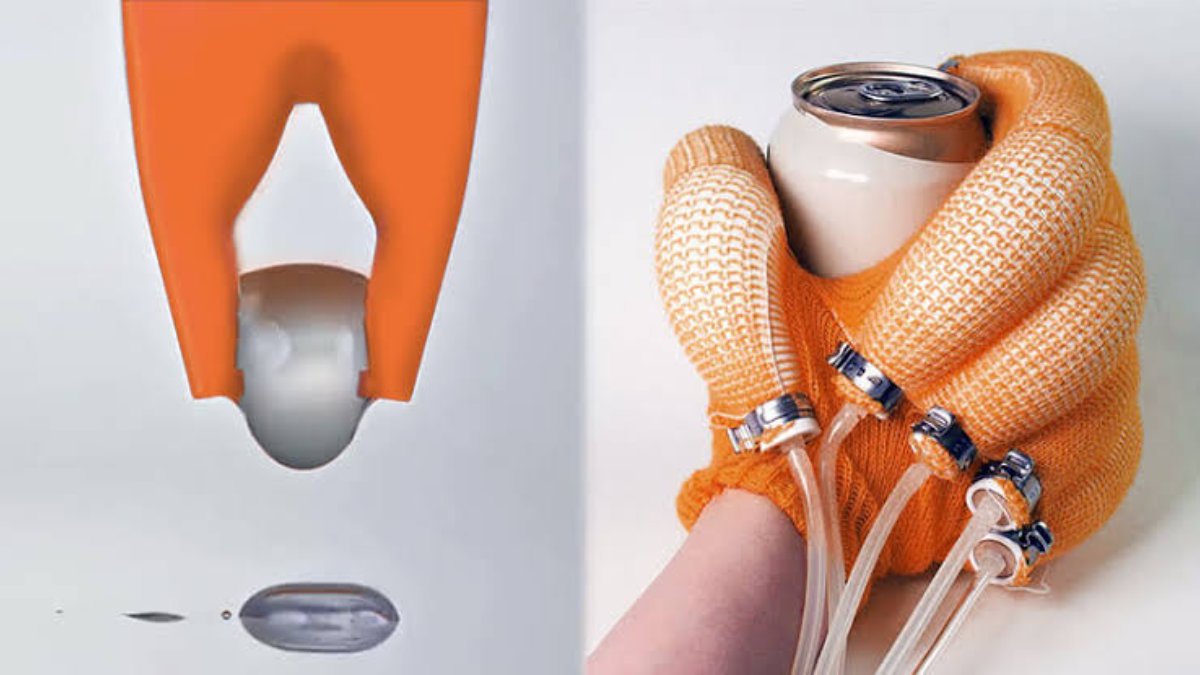
Selecting a raw material for robotics components requires balancing mechanical durability with manufacturing throughput. As an LSR material supplier, we focus on two core categories of two-part silicone systems: Liquid Silicone Rubber (LSR) for liquid injection molding (LIM) and Room Temperature Vulcanization (RTV-2) silicones for open casting and rapid prototyping.
When it comes to high-precision robotics, platinum-cure (or addition-cure) silicones are our go-to. The main advantage over tin-cure systems is that they don’t off-gas during vulcanization, giving you near-zero shrinkage. You really need that kind of dimensional stability when you’re casting internal pneumatic chambers or routing pathways for embedded sensors.
Viscosity and Processing Limits
In robotic manufacturing, the viscosity of your raw liquid silicone directly dictates your fabrication method.
Low-viscosity systems (3,000 to 10,000 cPs): Ideal for gravity casting, vacuum infusion, and complex molds with deep, narrow channels.
Medium-to-high viscosity LSRs (over 40,000 cPs): Better suited for high-pressure liquid injection molding where rapid cure cycles (measured in seconds under high heat) are necessary.
For engineers seeking to adjust flow properties without degrading the cured elastomer’s physical integrity, adding precise measures of a pure PDMS silicone oil can reduce viscosity to help fill intricate mold geometries.
Choosing Silicone Elastomer Materials for Soft Robotic Grippers
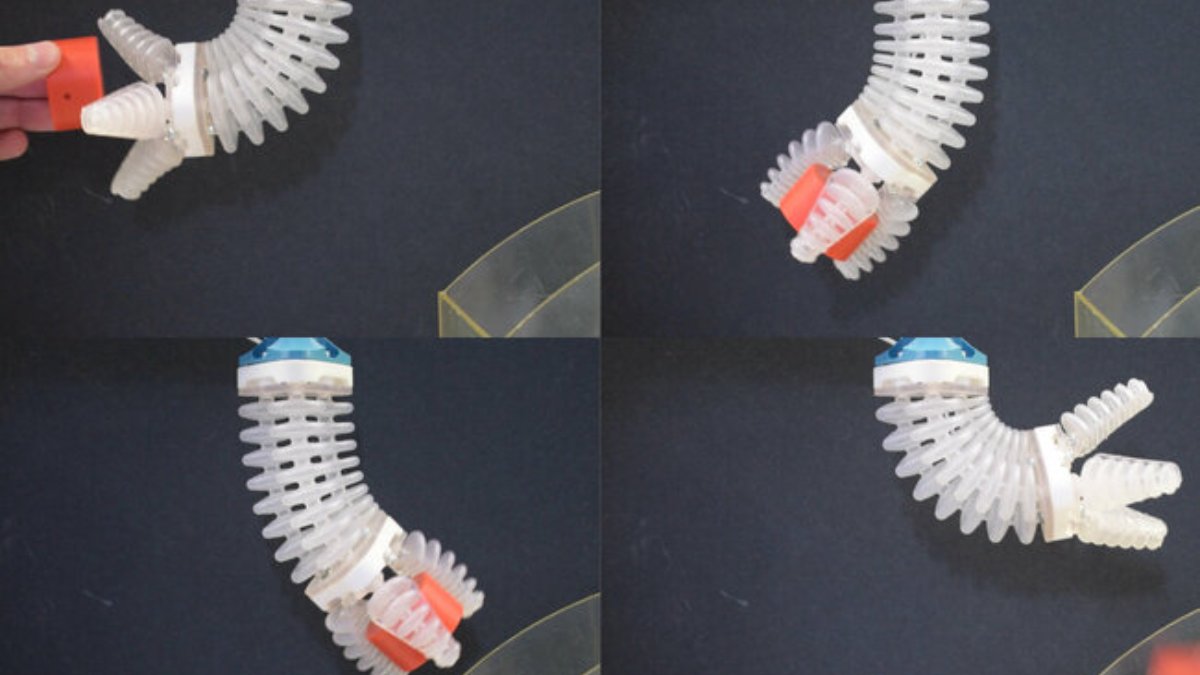
Soft silicone grippers outperform traditional mechanical claws by distributing force evenly across fragile or variable objects. However, effective fluidic elastomer actuator (FEA) design requires precise calibration of Shore hardness and elongation at break:
Shore 00-30 (Too Soft): Prone to ballooning or rupturing, causing a critical loss of structural stability under load.
Shore A 50 (Too Hard): Demands high pneumatic pressure to actuate, straining system seals and compressors.
For most soft robotic grippers, a multi-durometer construction works best. A firmer backing layer (Shore A 30 to A 40) constrains expansion, directing the pneumatic energy toward a highly flexible gripping surface made of a softer formulation (Shore A 10 to A 20) with high elongation (typically 500% to 800%).
Preventing Fatigue in Dynamic Actuators
A primary challenge in soft robotics is mechanical fatigue. To prevent premature tearing along structural seams over millions of cycles, materials must exhibit excellent tear resistance (measured in N/mm according to ASTM D412 standards). High-tear platinum-cure silicones resist propagation of minor surface nicks, keeping the internal pressure chambers sealed during repetitive bending.
Silicone Materials for Humanoid Robot Skin and Artificial Skin Applications
Silicone Solutions for Humanoid Robotic Skin
Life-like robotic skin must perfectly balance visual realism with mechanical performance—deforming under light pressure while resisting structural sag. We replicate the complex mechanics of human skin through a specialized, multi-layer silicone casting process:
- Outer Epidermis (Shore 00-10 to 00-30): Ultra-soft formulation for tactile realism and natural facial wrinkling.
- Middle Dermis (Shore A 10 to A 15): Medium-hardness formulation designed to house reinforcing meshes and sensor networks.
- Subcutaneous Base (Shore A 20 to A 30): Firm structural anchor that secures the skin composite to the rigid robotic frame.
Sensory Integration and Chemical Compatibility
For sensor integration, platinum-cure silicones provide the necessary chemical inertness and dielectric strength to meet strict ingress protection standards. By encapsulating capacitive tactile sensors and flexible printed circuits (FPCs) within these high-purity formulations, we completely eliminate the risk of volatile outgassing. This permanently prevents internal chemical corrosion, ensuring the long-term reliability of embedded microelectronics across the hardware’s entire operational lifecycle.
Practical Engineering Advice: Preventing Cure Inhibition
If your silicone won’t fully cure, it has likely been contaminated by incompatible chemicals. Common culprits to avoid: Latex gloves, sulfur-based clays, unsealed 3D-printing resins, and leftover tin-cure silicone.
The Solution: To mitigate catalyst poisoning, operators are mandated to use powder-free nitrile gloves exclusively. When utilizing SLA-printed tooling, standard operating procedures must dictate a comprehensive UV post-cure and solvent wash. If interface tackiness persists, apply a thin-film acrylic barrier coat to the mold cavity to completely block chemical migration.
Prosthetic Silicone and Wearable Robotics Materials for Comfort and Performance
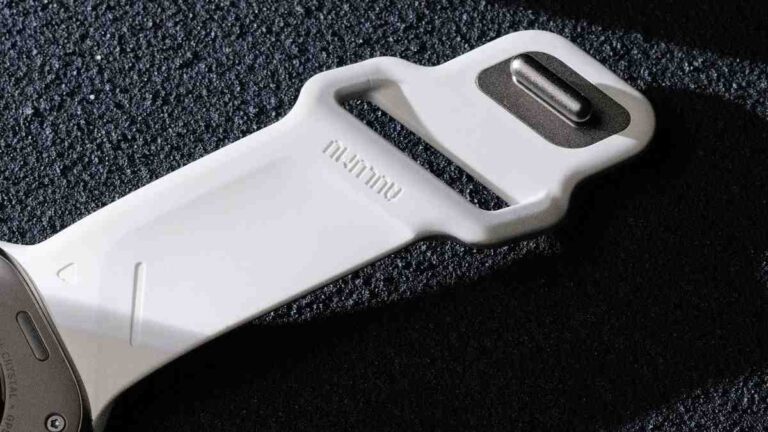
When you are designing exoskeletons or prosthetic interfaces, the hardware sits in direct, prolonged contact with human skin. You have to balance mechanical durability with absolute biocompatibility. We strictly spec platinum-cure silicones for these applications because the crosslinking process leaves zero residual solvents, tin byproducts, or heavy metal catalysts behind. When you are dealing with extended daily wear, eliminating those chemical byproducts is non-negotiable for preventing skin sensitization and allergic reactions.
Dynamic Compression and Cushioning
When designing prosthetic liners or exoskeleton interfaces, your material has to absorb dynamic impacts and distribute the load evenly to prevent pressure sores. Soft silicone elastomers are our baseline dampening pads for this. Crucially, they offer an extremely low compression set. This means they won’t permanently deform or “pack out” under constant weight, maintaining their exact shape even after months of heavy daily use.
Sustainable and Protective Coatings
For outer layers, engineers are turning to sustainable silicone leather and protective elastomeric topcoats. These materials provide a tough, scuff-resistant barrier against sweat and oils, while remaining fully compliant with RoHS and REACH safety standards.
Silicone Materials for Tactile Sensors and Flexible Actuators in Next-Generation Robotics
To achieve closed-loop control in soft robotics, you need real-time feedback. That means embedding stretchable sensory networks directly into the elastomer matrix. We achieve this using specialized, screen-printable silicones to deposit conductive traces directly onto flexible substrates. By compounding a flexible silicone carrier with highly conductive fillers—like silver nanoparticles, graphene, or carbon nanotubes—we can screen-print tactile sensor arrays that maintain conductivity even under extreme dynamic strain.
Dielectric Elastomer Actuators (DEAs)
DEAs operate as flexible, solid-state actuators. Physical motion is generated by applying an electric field across a thin-film silicone dielectric, inducing compression and expansion. Material specification for DEA applications dictates the use of ultra-thin, highly uniform silicone films characterized by precise dielectric constants, superior dielectric breakdown strength, and negligible mechanical hysteresis during cyclic loading.
Key Technical Parameters for Advanced Robotics Silicones
To assist engineering teams in comparing materials for soft robotics development, the table below highlights the target physical properties for different robotic systems:
| Material Application | Target Durometer | Target Viscosity (cPs) | Elongation limit (%) | Typical Processing Method |
|---|---|---|---|---|
| Pneumatic Grippers | Shore A 15 – A 30 | 5,000 – 15,000 | 500% – 800% | Gravity Casting / Vacuum Infusion |
| Humanoid Face Skin | Shore 00-10 – 00-30 | 3,000 – 6,000 | 600% – 900% | Open Mold Multi-Layer Casting |
| Wearable Interfaces | Shore A 5 – A 20 | 20,000 – 50,000 | 400% – 650% | Compression Molding / LSR Injection |
| Tactile Sensors | Shore A 20 – A 40 | Thixotropic Paste | 200% – 400% | Precision Screen Printing / Extrusion |
When scaling a soft robotics project from a university lab to commercial production, matching your material selection to your manufacturing process is key:
Phase 1: Prototype with Castable RTV-2
Start with simple open molds and RTV-2 silicone. This quick casting stage lets you test your robot’s shape, check sensor placement, and find the perfect material hardness before moving to mass production.
Phase 2: Design for Injection Molding
As production volumes rise, transition to liquid injection molding (LIM) using high-purity LSR. This requires designing tooling with proper venting and gate locations to accommodate the high flow rates and rapid cure times of heated production molds.
Phase 3: Integrate Specialized Coatings and Printing
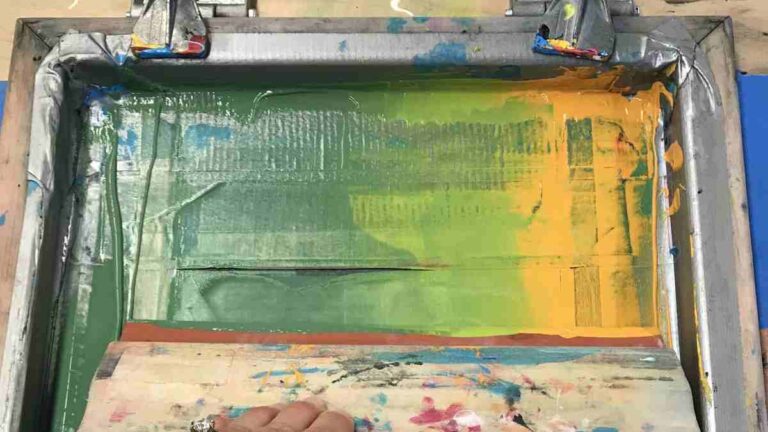
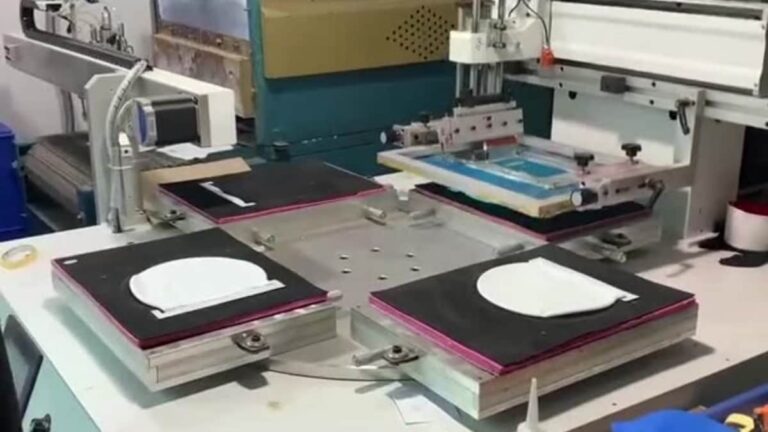
To finish your assemblies, apply protective silicone screen printing inks for conductive traces, tactile sensor layouts, anti-slip textures, or branding elements.
To review options for your specific application or request material samples, you can contact our liquid silicone factory to discuss custom formulations, viscosity adjustment, and volume production.
A Practical Material Selection Checklist Before You Scale
We don’t spec materials based on lab datasheets. We spec them for the field. Before we lock in a silicone, we need the exact operating parameters: maximum strain, cyclic bend radius, contact pressure, thermal limits, and expected chemical exposure. Hand samples are deceptive. A material that feels right on the bench will still fail from high-cycle fatigue when a 1mm wall flexes ten thousand times, or when a rigid sensor trace creates a stress concentration right below the surface.
Next, cast a small test coupon and one full-size functional part from the same batch. Record the mix ratio, room temperature, vacuum time, mold release, cure schedule, and post-cure conditions. This simple process log makes troubleshooting much faster. If the part stays tacky, tears near an air channel, or bonds poorly to an insert, you can trace the cause instead of changing several variables at once.
- Check flow: Confirm that the uncured silicone reaches narrow channels without trapping bubbles.
- Check mechanics: Measure hardness, rebound, tear behavior, and dimensional recovery on the cured sample.
- Check interfaces: Test bonding to fabric, metal, plastic, printed electronics, and previously cured silicone.
- Check aging: Run repeated bending, compression, cleaning, and temperature exposure that reflect actual use.
- Check documentation: Match every safety or environmental claim to the exact grade and current supplier report.
Before pulling the trigger on production tooling, you need to completely freeze your approved formulation and processing window. With silicone, even the smallest tweak to the pigment, oil, catalyst ratio, or cure temperature can completely change the viscosity and end performance. Our best advice is to keep signed, physical reference samples from your approved batch and use them to verify every future delivery. This gives your engineering, QC, and purchasing teams one reliable ‘source of truth’ when moving from early prototypes into high-volume production.
Technical Questions Engineers Frequently Ask
What is the difference between addition-cure and condensation-cure silicone for soft actuators?
Addition-Cure (Platinum): Crosslinks with zero volatile outgassing. Delivers the high dimensional stability and near-zero shrinkage required to maintain the geometry of precision pneumatic chambers.
Condensation-Cure (Tin): Releases volatile byproducts during vulcanization. The resulting shrinkage inevitably distorts the internal geometry of fluidic actuators, making it unsuitable for high-precision applications.
How do I decrease the viscosity of a thick liquid silicone rubber?
Mix in a small, controlled amount of pure silicone oil (about 1% to 10% of the total weight). Because oil weakens the silicone and makes it easier to tear, you should always test a small cup first to make sure the rubber stays strong enough for your project.
How can I bond two cured layers of silicone together?
Regular glues won’t work on silicone. The trick is to use a little bit of wet, mixed silicone as your glue. Spread a thin layer between your cured pieces and press them together gently until it dries. For the best results, try pouring your second layer while the first one is still a little sticky—they will bond together perfectly.
Are these silicones compliant with environmental and safety standards?
Compliance depends on the exact formulation and test report. Ask for current RoHS, REACH, OEKO-TEX, or biocompatibility documentation for the grade you plan to use.

 English
 Deutsch (Sie)
 العربية
 বাংলা
বাংলা 香港中文
香港中文 Français
 Bahasa Indonesia
 Português do Brasil
 한국어
한국어 Tiếng Việt
 日本語
日本語 Polski
 Русский
 Türkçe
 ไทย
ไทย Español de México