-
عربة التسوق +86 13426858645
-
إغلاق درج عربة التسوق [email protected]
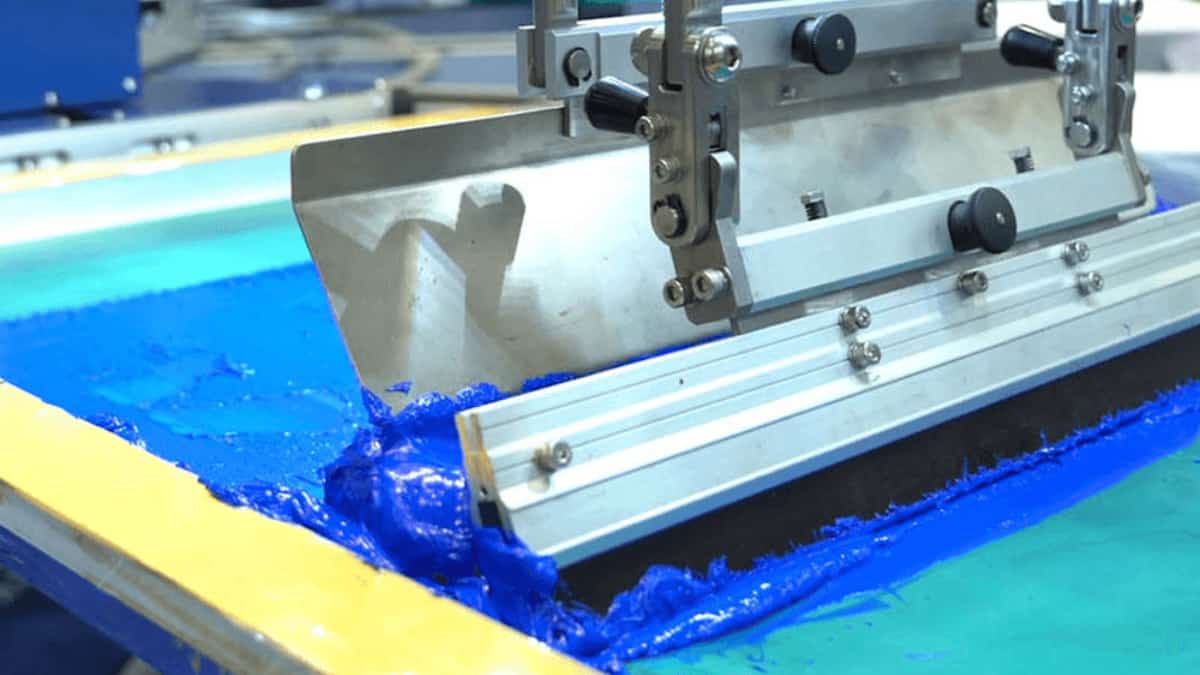
Silicone Ink for Screen Printing: A Technical Guide for Manufacturers
This ink fixes the most annoying problems in the factory like dye migration on polyester and the stiff "plastic" feel of old-school prints. Your customers will love it because it’s eco-friendly and lasts through 50+ industrial washes.
 Bykelseyy

Table of Contents
If you want to print on high-performance fabrics without the logo cracking or peeling then you need silicone ink. It is the only real solution for modern athletic wear because it stretches over 300% and stays soft. This ink fixes the most annoying problems in the factory like dye migration on polyester and the stiff “plastic” feel of old-school prints. Your customers will love it because it’s eco-friendly and lasts through 50+ industrial washes.
In my years helping factories set up their lines I’ve seen that switching to silicone is the fastest way to get orders from big brands. They don’t want cheap plastisol anymore but they do want durability.
What Is Silicone Ink for Screen Printing?
I like to describe silicone ink as a liquid form of high-strength rubber. It’s a two-part system that consists of a base liquid silicone rubber and a special catalyst that makes it harden. Unlike standard inks that just sit on top of the fabric silicone actually grips the fibers.
When you touch a finished print it feels like skin. It is incredibly stable against heat and chemicals yet it remains flexible forever. I’ve seen shirts where the fabric actually wore out before the silicone logo did. That is the kind of quality you get from a high-end silicone ink manufacturer.
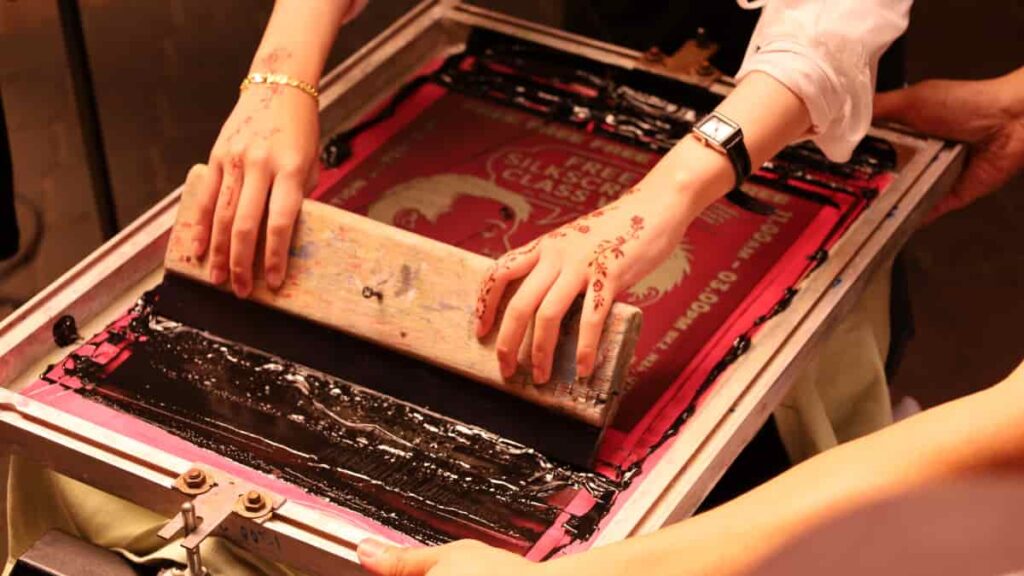
Which Materials Can Be Screen Printed with Silicone Ink?
You can’t use just any ink on a $100 compression shirt. If you use the wrong stuff it will snap like a cracker as soon as the athlete puts it on.
- Lycra and Spandex: This is where silicone shines. It has a massive “snap-back” ability that prevents cracking.
- Polyester: We use a silicone dye blocker on these fabrics so the shirt color doesn’t bleed into the logo.
- Nylon: This material is tricky because it’s slippery but a good adhesion promoter fixes that.
- Cotton: Even though cotton doesn’t stretch much brands use silicone for the “luxury” feel.
I always tell my production managers to do a “stretch test” every morning. If the ink doesn’t move with the fabric then something is wrong with your mix.
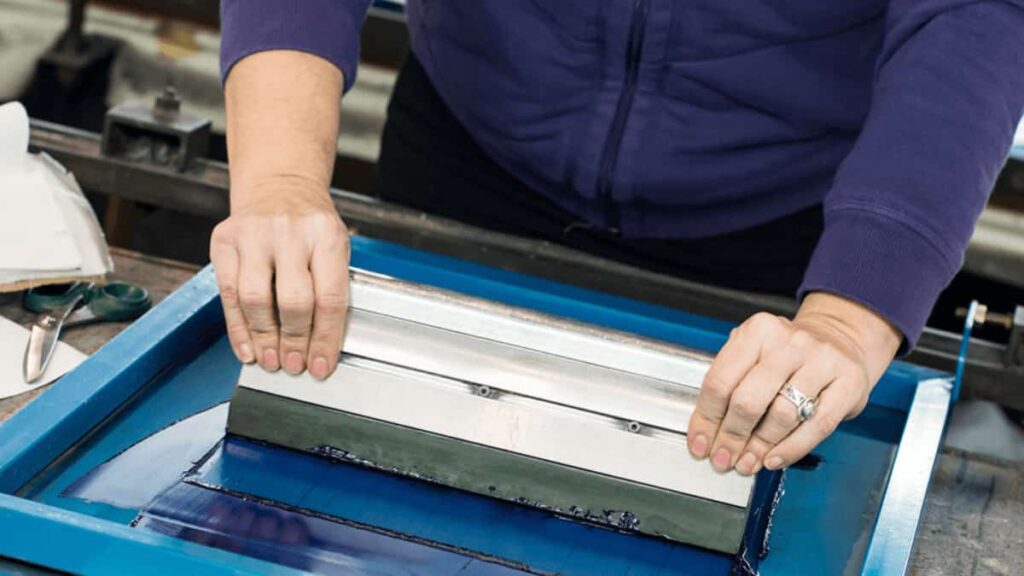
Industrial Applications of Silicone Screen Printing Ink
We are seeing silicone show up in places you wouldn’t expect. It isn’t just for fashion.
- Athletic Gear: Think of yoga pants, cycling jerseys, and sports bras.
- Footwear: Shoe brands use 3D silicone prints to build texture on sneaker uppers.
- Safety Gear: High-visibility reflective silicone ink is used for fire suits and running gear.
- Medical Wearables: Since it’s skin-safe it’s used for hospital garments.
- Interiors: It’s popular for automotive marine and upholstery materials because it won’t melt in the sun.
Types of Silicone Ink Used in Screen Printing
Sollyd makes a variety of specialized types for different “looks.” You need to pick the right tool for the job.
- High Density (HD): This creates a 3D effect with sharp edges. It makes the logo pop off the shirt.
- Matte and Glossy: You can choose a flat stealth look or a high-shine finish.
- Anti-Migration: Essential for red or blue polyester so your white logos stay white.
- Heat Transfer Silicone: Used for making tags that you heat press on later using silicone heat transfer vinyl.
Silicone Ink Screen Printing Process Step by Step
I’ve walked through enough factories to know that skipping steps leads to disasters. Follow this flow.
- The Mix: Weigh your silicone and catalyst. Don’t guess.
- The Base: Print two layers of clear or white base to smooth out the fabric hair.
- Flash Curing: Use a flash dryer for a few seconds just to skin the ink.
- Coloring: Print your pigments on top of the base.
- The Finish: Apply your matte or glossy topcoat.
- Full Cure: Run it through the oven to finish the chemical reaction.
My Best Practice: Keep a digital scale right next to the mixing bucket. Even a 1% mistake in the catalyst can cause the ink to stay sticky forever.
Mesh Count, Squeegee and Printing Parameters
Technical details are what separate the pros from the amateurs.
- مقاس الشبكة: Use 120 to 160 mesh (48-64T). If the mesh is too tight the thick silicone won’t go through but if it’s too open the print looks messy.
- Squeegee: Use a 65-75 shore squeegee. A medium-hard blade gives you the best control.
- Pressure: You need firm pressure but don’t smash the ink into the pallet. Let the mesh do the work.
Mixing Ratio, Catalyst and Pot Life
Here is the deal with “Pot Life.” Once you mix the catalyst into the ink the clock starts. Usually you have about 4 hours to print before the ink gets too thick.
- Standard Ratio: Most of our inks use a 10:1 or 100:2 ratio.
- Temperature Factor: If your shop is hot the ink will thicken faster.
- Waste Not: Only mix what you can use in two hours. I’ve seen too many shops throw away kilos of “jelly” because they mixed too much at once.
Silicone Ink Curing Temperature and Time
Silicone needs heat to “lock in” its properties. It won’t air dry.
- Flash Cure: 100°C – 120°C for about 5 seconds.
- Full Cure: 150°C – 160°C (302°F-320°F) for 2 to 3 minutes.
If your oven is too short then the print will fail a wash test. I always carry a laser thermometer to check the actual temperature of the fabric. Don’t just trust the oven’s dial because they are often wrong.
How to Select Silicone Ink for Production Requirements
Don’t just buy “silicone.” Buy the specific solution for your fabric.
If you are printing for a brand like Lululemon you need our high stretch silicone ink. If you are printing work gloves you need something with a high friction coefficient. I always ask my customers: “What is the fabric and what is the wash requirement?” If you know those two things then the choice is easy.
Common Screen Printing Defects and Troubleshooting
I’ve spent a lot of time “fixing” prints that went wrong. Here is what I see most often.
- Tiny Bubbles: This means you’re printing too fast or the ink is too thick. You can add a little pdms silicone oil to help the air escape.
- Peeling: This usually means the base layer was over-cured. If you bake the base too hard the next layer won’t grab onto it.
- Color Bleeding: You skipped the anti-migration layer. On polyester this is a huge mistake.
What Manufacturers Should Ask a Silicone Ink Supplier
When you talk to a silicone ink supplier you need to act like an auditor. Don’t just ask about the price per kilo.
Ask them for their OEKO-TEX Standard 100 certification. If they don’t have it you can’t sell to big brands. Ask for the Technical Data Sheets (TDS) for every product. A good supplier like Sollyd will give you the exact “recipe” for success. Finally ask about their batch consistency. You don’t want the red to look different every time you order it.
Best Practice for Big Jobs: Before you start a 10,000-piece run print ten shirts and wash them five times. It’s better to lose half a day testing than to lose an entire order to a quality claim.
الأسئلة الشائعة
Is your silicone ink eco-friendly and child-safe?
Yes. All Sollyd silicone inks are PVC- and phthalate-free, certified by OEKO-TEX and ZDHC to ensure they’re safe for babywear and sensitive skin. This is the biggest reason factories switch to us.
How do I stop the ink from drying on the screen?
Silicone ink is actually great because it doesn’t dry in the screen like water-based ink. It only cures with high heat. You can leave it on the mesh for hours and it will still be wet yet you should still clean up at the end of the day with proper screen wash.
Why does my white ink turn yellow or pink after curing?
This is dye migration. The heat from your oven is turning the fabric dye into a gas and it’s moving into the ink. You must use a silicone dye blocker to seal the fabric before you print your colors.
Can I use a regular heat press to cure silicone?
You can use a heat press for transfers but for bulk screen printing a conveyor dryer is much better. A heat press can sometimes “squash” the 3D effect of the ink and it is much slower for production.
What is the shelf life of the ink?
Stored in a cool, dry place with lids sealed tight, our silicone inks have a 12-month shelf life.

 English
 Deutsch (Sie)
 العربية
 বাংলা
বাংলা 香港中文
香港中文 Français
 Bahasa Indonesia
 Português do Brasil
 한국어
한국어 Tiếng Việt
 日本語
日本語 Polski
 Русский
 Türkçe
 ไทย
ไทย Español de México