-
쇼핑 카트 +86 13426858645
-
카트 서랍 닫기 [email protected]
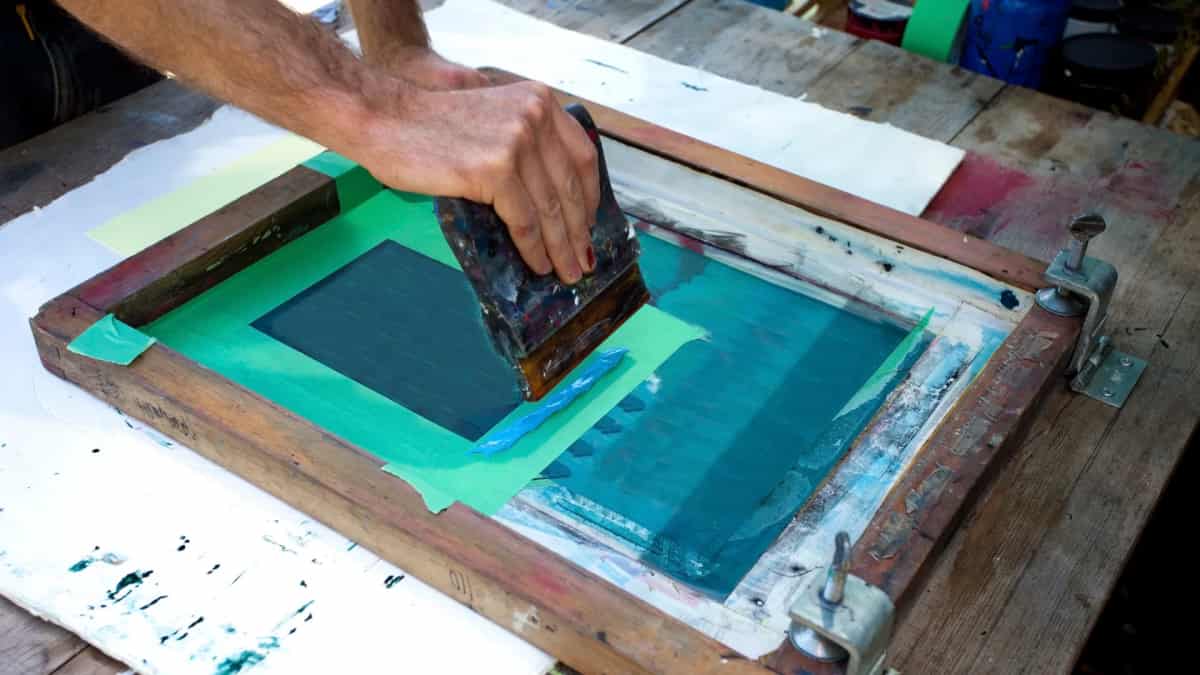
전문 실크 스크린 인쇄용 유성 페이스트 잉크 도매
 작성자:kelseyy

Professional silk screen printing in 2026 demands a mix of extreme opacity and grit. That’s exactly where our oil-based plastisol inks outperform the rest. We’ve bumped up the pigment concentration by 35% compared to standard water-based options, giving you a massive edge when printing on dark fabrics. Our wholesale formulas are built for high-volume production—they won’t clog your screens, and they won’t let you down on durability. If you want vibrant prints that stay put, this is your solution.
At Sollyd, we’ve spent years refining these formulas because we know that in a high-volume environment, downtime is lost revenue. Using our paste inks means fewer screen clogs, consistent color matching, and a finished product that stands up to the harshest industrial wear and tear.
Table of Contents
Why We Bet Our Reputation on Oil-Based Paste Ink
As solution experts, we get asked all the time: “Why not just use water-based?” The truth is, for professional-scale production, water-based inks can be a nightmare of maintenance. Our oil-based paste inks—specifically our plastisol ink for garment printing—stay “open” on the screen indefinitely. This means you can take a lunch break, come back, and start printing again without a single clogged hole.
The Concrete Benefits
- Zero-Dry Technology: Unlike water-based inks, our paste won’t air-dry. It only cures under heat (150°C).
- 탁월한 불투명도: One pass is often all you need for a crisp white on a black shirt.
- Shelf Stability: These inks don’t “go bad” or skin over in the bucket if sealed correctly.
Expert Insight: Oil-based formulations currently hold a 62% market share in industrial textile printing due to their cost-to-performance ratio in mass production.
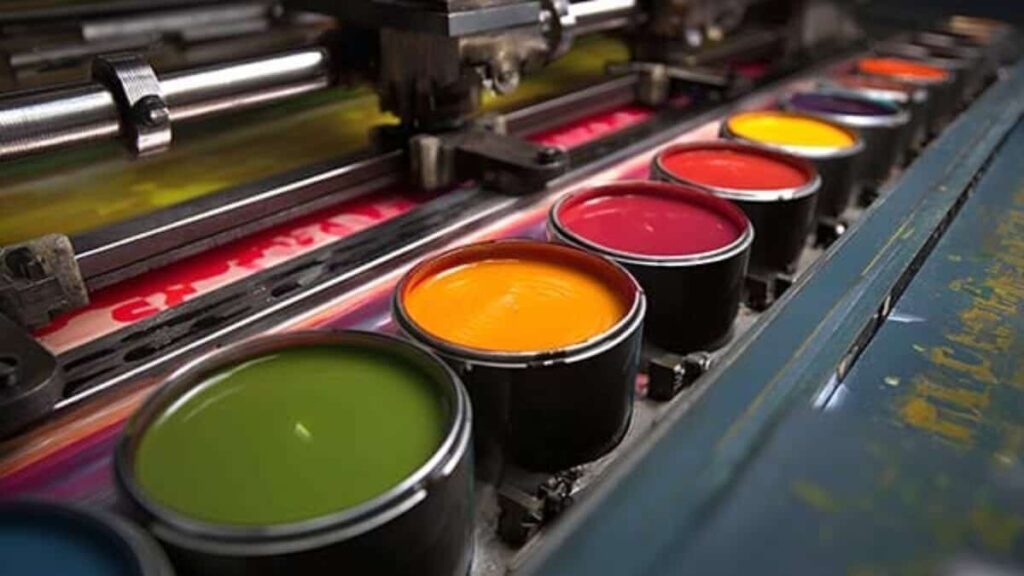
Precision Performance: Data & Comparison
When we talk about “professional” printing, we’re talking about numbers. We’ve tested our screen printing silicone ink and plastisol ranges against standard market competitors. Here is how our wholesale oil-based paste ink stacks up:
Performance Comparison Table
| 특징 | Sollyd Oil-Based Paste | Standard Water-Based |
| Opacity (Black Substrate) | 98% (Single Pass) | 65% (Requires Underbase) |
| Mesh Open Time | Unlimited | 15–20 Minutes |
| 세탁 견뢰도 | Grade 4.5+ | Grade 3.5 |
| VOC Emissions | Low (Phthalate Free) | Very Low |
| 경화 온도 | 150°C – 160°C | 120°C – 140°C |
Best Practices: The “Sollyd” Way to Print
In our experience, even the best ink fails if the technique is off. Here is how we recommend starting your run to ensure maximum efficiency:
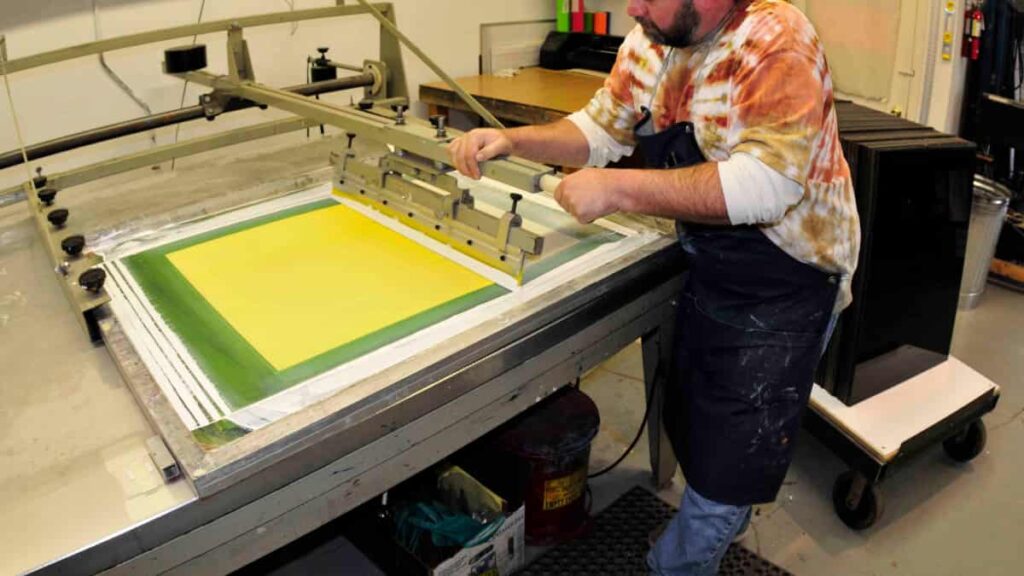
- Stir Before You Scoop: Because our ink is a thick paste, the pigments can settle. Give it a vigorous 2-minute stir to “break” the thixotropic tension and make it creamy.
- Mesh Count Selection: For high-detail logos, we suggest a 230-305 tpi mesh. For heavy athletic wear, drop down to 110-160 tpi.
- The Off-Contact Rule: Always maintain a $2mm$ gap between your screen and the substrate. This ensures the heat transfer printing adhesive or ink snaps off cleanly, leaving a smooth surface.
Solving Common Screen Printing Headaches
We don’t just sell ink; we solve production bottlenecks.
Problem: My Ink Feels Too Thick to Push
A common issue with “paste” ink is viscosity. While we engineer it to be thick for opacity, sometimes the shop temperature is too cold.
- The Fix: Instead of dumping in harsh chemicals, use a tiny amount of our specialized pvc free plastisol ink reducer. Adding just 3-5% by weight will dramatically lower the squeegee pressure needed without losing color density.
Problem: The Print is Cracking After One Wash
This is almost always a curing issue, not an ink issue.
- The Fix: Oil-based inks must reach their “gel point” all the way through the ink film. If only the top layer is dry, it will peel. Use a “Donut” probe to verify your conveyor dryer is hitting 160°C for at least 60 seconds.
Strategic Wholesale for factory Growth
For our long-term partners, we focus on garment manufacturing and textile sectors because we understand the scale of supply chains. Buying in bulk isn’t just about a lower price per kilo—it’s about consistency. When you order 500kg of a custom Pantone, we ensure every bucket is from the same batch.
Market Trend: factory buyers are shifting toward “Eco-Plastisol”—inks that are Phthalate and Lead-free. At Sollyd, we’ve made this our standard for all wholesale exports.
FAQ: What Our Clients Often Ask
Q1: Is your plastisol ink safe for infant clothing?
A: Yes. Our formulas are Phthalate-free and meet the strict REACH and CPSIA standards for children’s wear.
Q2: Can I use this ink on waterproof nylon?
A: Standard plastisol ink won’t stick to waterproof coatings. You’ll need to add our “Nylon Catalyst” to the paste to ensure it bites into the fabric.
Q3: What is the shelf life of your wholesale paste ink?
A: If stored in a cool, dry place (18°C to 25°C), our ink remains stable for over 24 months.
Q4: Do you offer custom color matching?
A: Absolutely. We use a spectrophotometer to match any Pantone or physical sample you send us with a tolerance of ΔE<1.0.
Q5: Why is the ink still wet after 10 minutes of air drying?
A: Oil-based paste inks do not air dry. They require a flash cure or a conveyor dryer to reach their solid state.

 English
 Deutsch (Sie)
 العربية
 বাংলা
বাংলা 香港中文
香港中文 Français
 Bahasa Indonesia
 Português do Brasil
 한국어
한국어 Tiếng Việt
 日本語
日本語 Polski
 Русский
 Türkçe
 ไทย
ไทย Español de México