-
Call Now +86 13426858645
-
Any Questions info@sollydsiliconeink.com
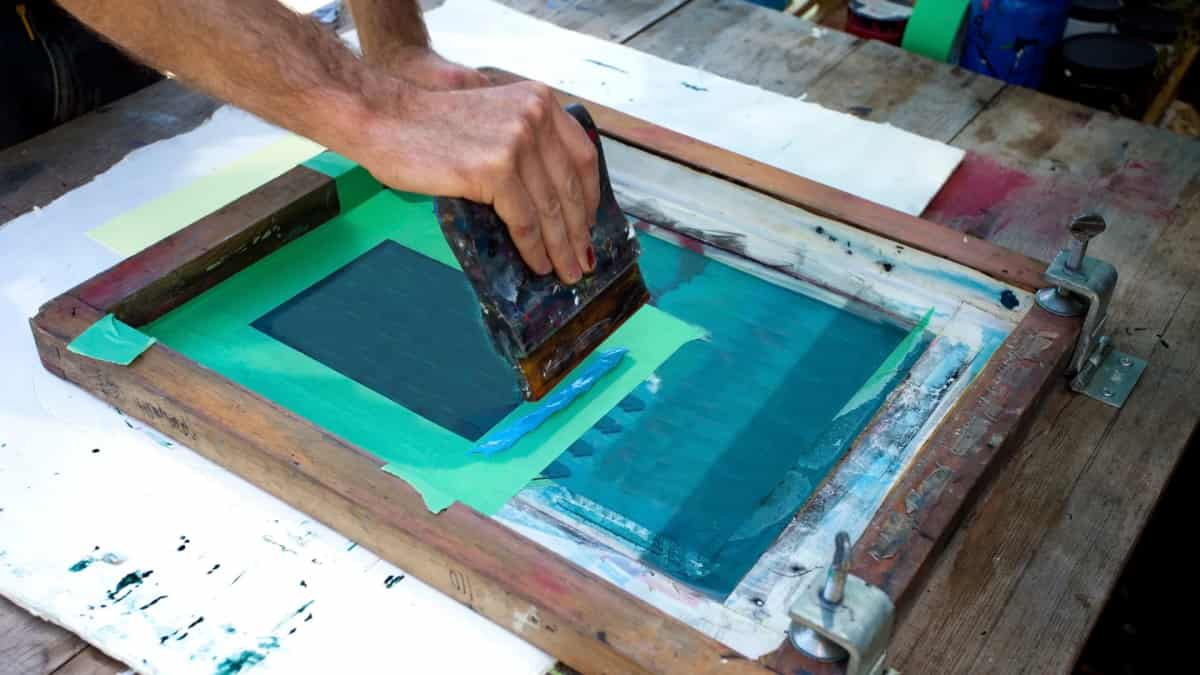
Plastisol Ink Wholesale Ordering Guide for Distributors

Wholesale plastisol ink orders require clear agreement on product selection, quantities per color, packaging and sample approval. This guide helps distributors prepare an enquiry and understand which order details affect MOQ, pricing and delivery.
Look. A flat weight on a PO is garbage. You email the factory asking for “500 kilos of ink” without naming the pack sizes? You’re getting a pallet of 200kg drums you can’t even move without a forklift. The supplier will just kick it back. If you want to run wholesale plastisol distributor orders, your quote needs every single product formulation, color, quantity, and bucket size locked down before a dime changes hands.
1. Prepare Your Wholesale Product and Color List
Stop grouping stuff together. Give every item its own line. Product code, intended substrate, color reference, raw weight. Keep your physical purchase order completely separated from whatever imaginary sales forecast your reps are pushing.
Newsflash: “oil-based paste ink” isn’t a formula. It’s a generic label that means nothing on the press. You need the factory to confirm the actual plastisol ink name on paper before you approve a wet sample. Build a shortlist from the product selection page, and send that exact list with your sample request. That’s the only way your approved buckets will match the freight that actually shows up.
2. Understand MOQ per Product and Color
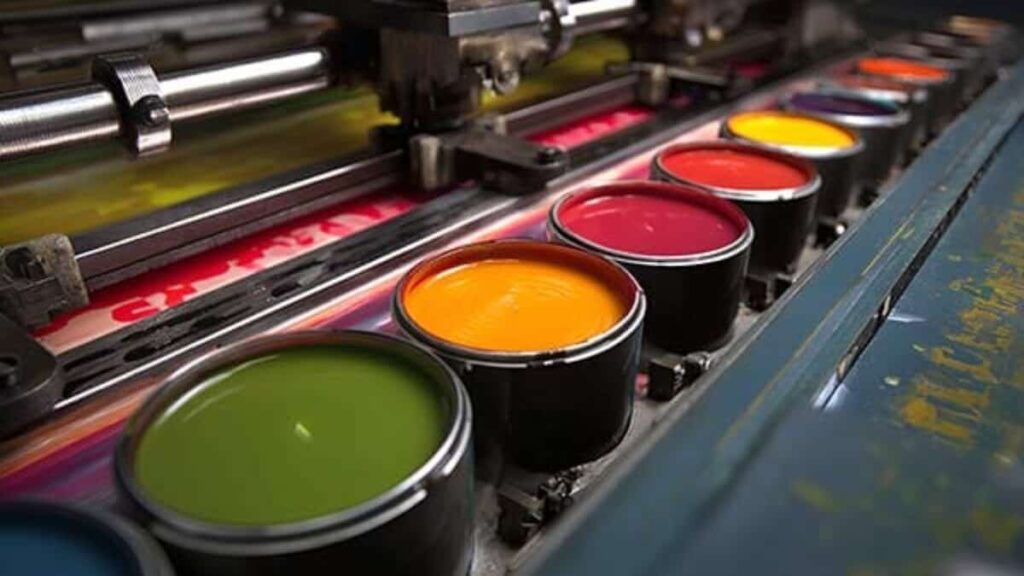
When you’re fighting over the plastisol ink wholesale MOQ, find out which minimum actually controls the run. Is it the whole order? The base formulation? The specific color? The physical vat size? Hitting a total weight doesn’t magically clear your line-item minimums.
Make them write down the minimum quantity and unit for every item on the quote. Ask if rounding to full pallets changes the weight. Standard bases and custom Pantone mixes play by completely different rules. If their minimum blows out your warehouse space, demand a revised setup before you sign. Get every exception in writing or pay for it later.
3. Check Mixed-Color Order Options
Write down the raw weight of every color. Don’t submit a bulk total and expect the supplier to figure out the split. Ask if those exact items can ride on one order, or if each bucket needs to clear its own minimum hurdle.
Don’t get confused. Throwing separately packed colors onto a mixed LTL shipment is just logistics. Asking for a custom-mixed Pantone is chemistry. Mixed-color ordering only works after vat availability, line minimums, and pricing are locked. If they won’t run a color at your weight, ask for stock alternatives before you rewrite the PO.
4. Approve Samples Before Ordering
Never buy a pallet blind. Pick the exact product codes you need to test. Ask for confirmation on availability, sample weight, prep time, and courier fees. Don’t assume anything is free. Get any credit against future bulk orders stated explicitly.
Test the wet sample on your actual fabric using your physical press setup. Write down the sample reference, code, color, and whether it survived a real wash test. Keep that approved physical sample in a dark cabinet. Before you wire the funds, confirm exactly how that specific batch gets identified on the commercial invoice.
5. Confirm Packaging and Label Requirements
You have to specify wholesale plastisol ink packaging for every single line. Net weight per container, total bucket count, lid types, and the outer pallet wrap. You need the total shipment weight and physical dimensions for your freight forwarder or you’re flying blind.
Hand over your label language upfront. Product codes, colors, net weights, and batch dates go on the bucket. Need an OEM label or distributor branding? That’s a separate request. Stop everything until the factory confirms they actually handle custom labels and gives you the exact setup charges.
6. Prepare the Details Needed for a Wholesale Quote
Don’t fire off a one-sentence email asking for a price and expect a real answer. Use this checklist to build a complete distributor enquiry:
| Requirement | Details to Provide |
| Company & Destination | Company name, contact person, delivery country, destination port. |
| Product Specs | Product name/code, intended substrate, application method. |
| Order Lines | Color reference and requested raw weight for every single line. |
| Packaging Limits | Preferred net weight per container and total bucket count. |
| Sample Status | New sample requirements or the approved physical sample reference. |
| Compliance & Branding | Required labels, target market documents, OEM branding files. |
| Logistics | Preferred shipping terms (Incoterms) and target arrival date. |
Make them break out the product costs, sample charges, packing fees, and freight. Confirm the currency, payment terms, how long the quote lives, and what raw material swings could jack up the price later.
7. Confirm Lead Time and Shipping Terms
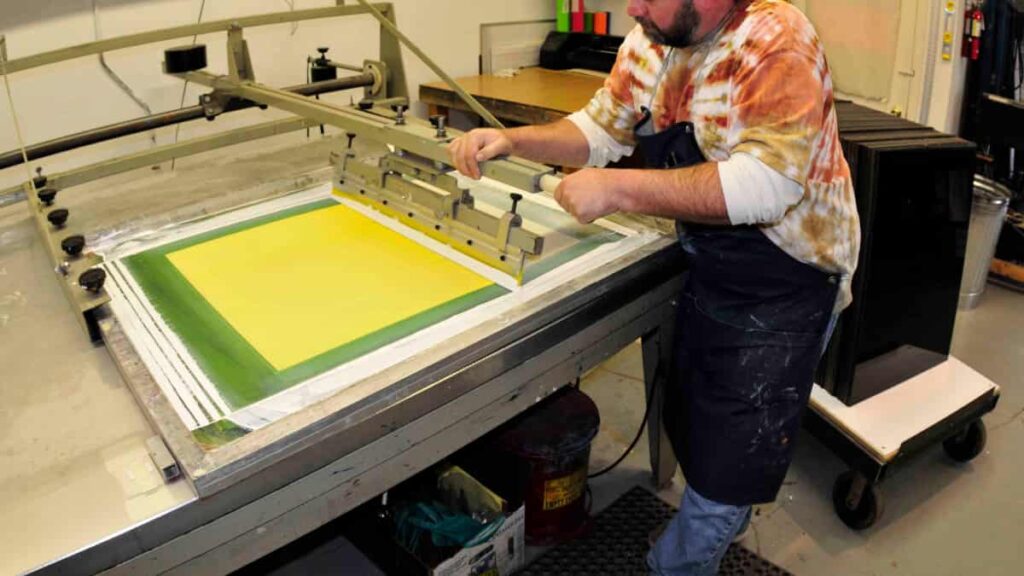
Separate the sample prep, the actual factory production, and the transit time. Ask exactly when the clock starts. When the wire clears? When the label art gets signed off? Clarify if that lead time covers the whole container or just the first drop.
Nail down the shipping terms and named port. Figure out who calls the truck, what costs are baked in, and who deals with customs. A factory completion date is not your dock arrival date. Before you release production, line up the quote against your PO. Every code, weight, pac
FAQ: What Our Clients Often Ask
Q1: Is your plastisol ink safe for infant clothing?
A: Yes. Our formulas are Phthalate-free and meet the strict REACH and CPSIA standards for children’s wear.
Q2: Can I use this ink on waterproof nylon?
A: Standard plastisol ink won’t stick to waterproof coatings. You’ll need to add our “Nylon Catalyst” to the paste to ensure it bites into the fabric.
Q3: What is the shelf life of your wholesale paste ink?
A: If stored in a cool, dry place (18°C to 25°C), our ink remains stable for over 24 months.
Q4: Do you offer custom color matching?
A: Absolutely. We use a spectrophotometer to match any Pantone or physical sample you send us with a tolerance of ΔE<1.0.
Q5: Why is the ink still wet after 10 minutes of air drying?
A: Oil-based paste inks do not air dry. They require a flash cure or a conveyor dryer to reach their solid state.

 English
 Deutsch (Sie)
 العربية
 বাংলা
 香港中文
 Français
 Bahasa Indonesia
 Português do Brasil
 한국어
 Tiếng Việt
 日本語
 Polski
 Русский
 Türkçe
 ไทย
 Español de México