-
Call Now +86 13426858645
-
Any Questions info@sollydsiliconeink.com
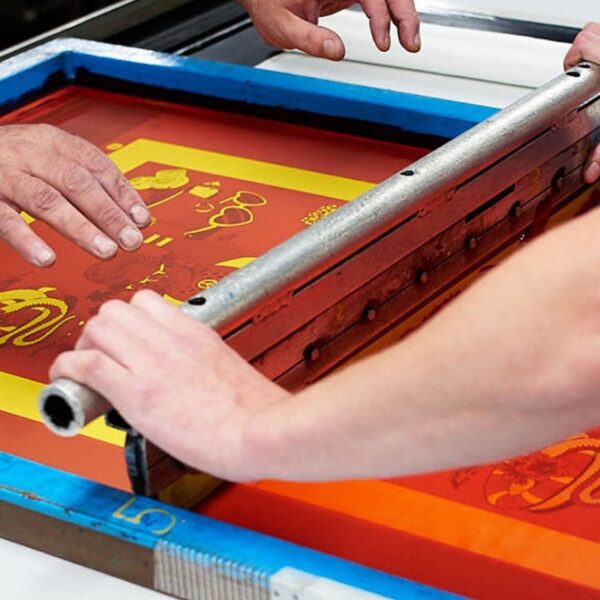
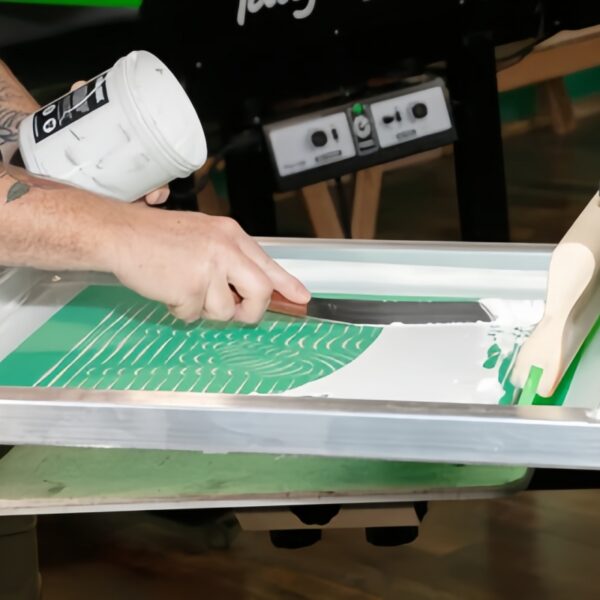
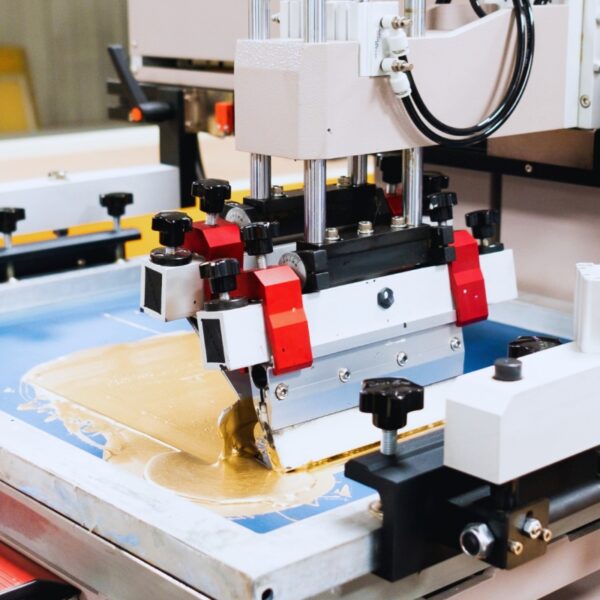
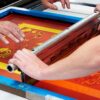
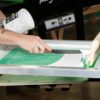

Premium Phthalate-Free Plastisol Ink | High Opacity & Soft Hand
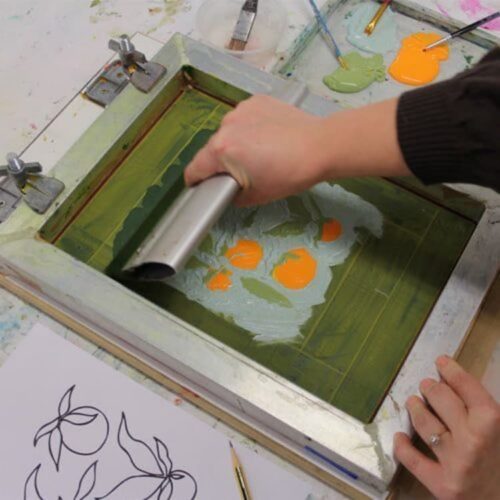
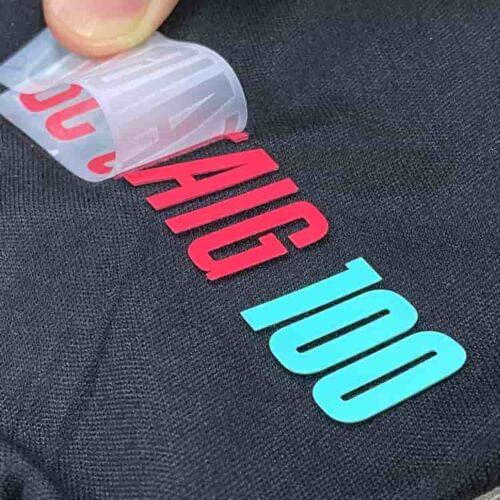
The professional standard for textile screen printing. Our Premium Plastisol Ink delivers vibrant colors, superior opacity, and a workable “wet-on-wet” formula that never dries in the screen. Engineered for high-speed production on cotton, polyester, and blends. Eco-compliant (REACH & CPSIA certified).
Production Speed: Samples in 5-7 days; Bulk delivery in 15-20 days.
Minimum Order: Flexible start at 10kg.
Engineered for High-Volume Garment Production
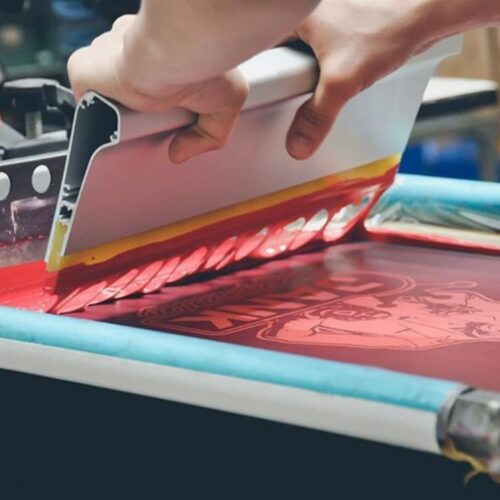
Deliver vibrant colors and incredible wash durability with ease. Perfect for high-speed automatic presses, our creamy, “wet-on-wet” formula never dries in the screen—ensuring smooth, all-day production.
Superior Opacity: Brilliant, high-coverage colors even on dark garments.
Ultimate Versatility: Perfect for 100% cotton, polyester, and custom blends.
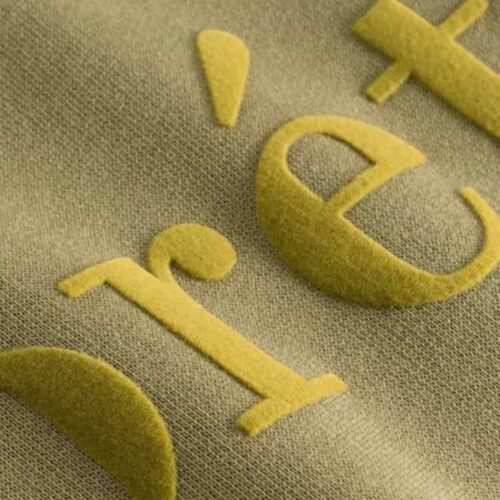
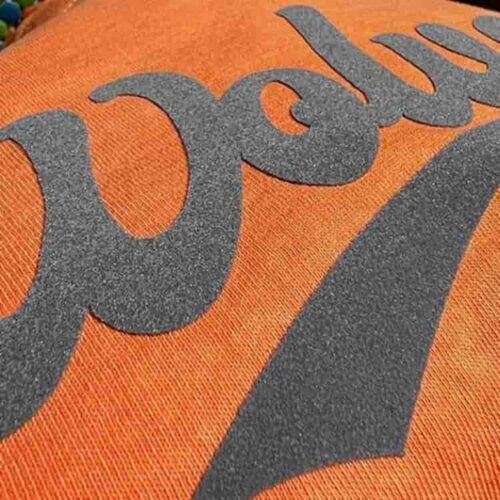
Eco-Safe & Compliant: 100% Phthalate-free, fully REACH & CPSIA certified. Delivers a soft matte finish and unbeatable wash durability.
Contact us for wholesale pricing or custom color-matching tailored to your shop.
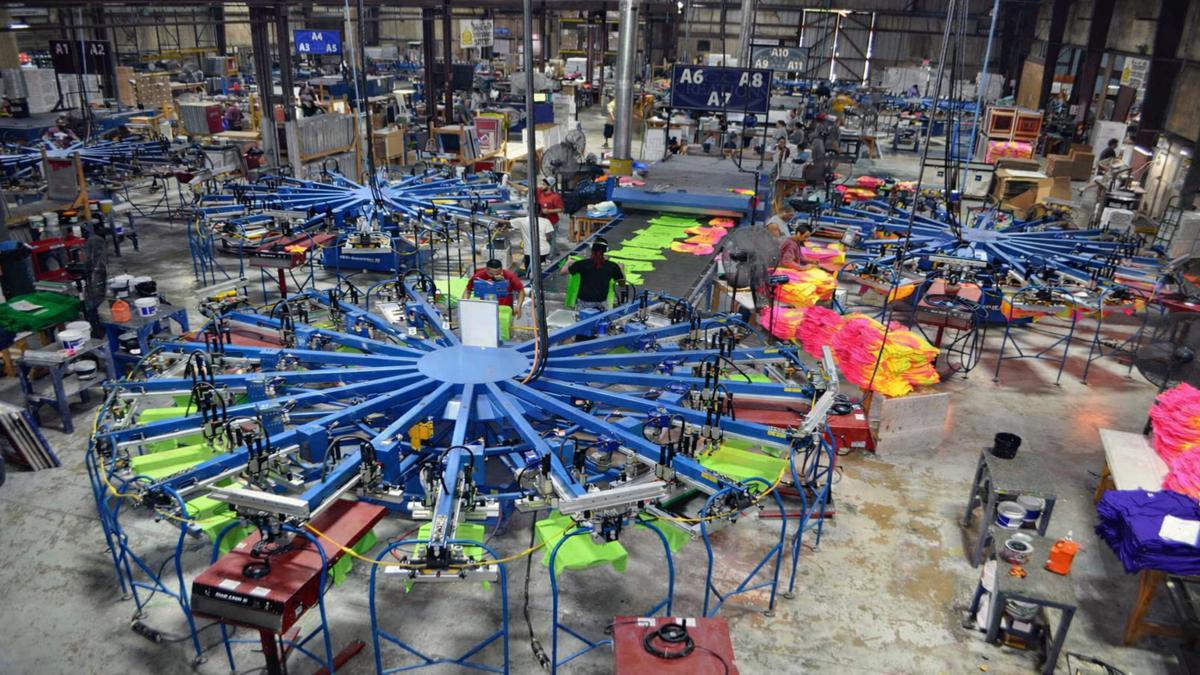
Key Features & Performance
Discover how our premium plastisol inks save you time on the press while delivering vibrant, wash-safe results.
Stays Open All Day
Maximize your production time. It stays workable indefinitely and only cures under heat, eliminating waste and downtime.
High Opacity & Coverage
Formulated to pop on dark fabrics. Even our Standard White offers excellent coverage on black cotton without needing multiple flash layers.
Creamy Consistency (Ready-to-Use)
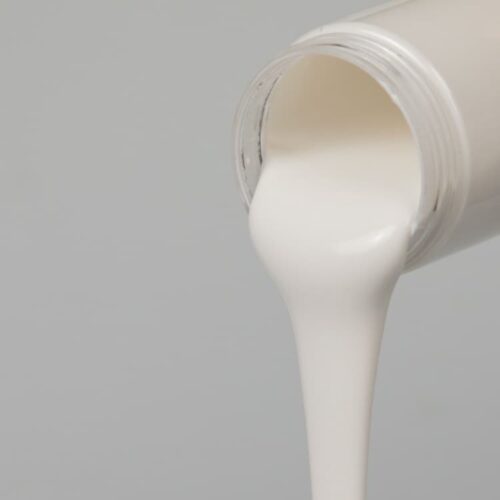
Pre-mixed and de-aired. No need for endless stirring or adding reducers. It flows smoothly through high-mesh counts immediately out of the bucket.
Low Bleed Technology
Contains bleed-blocking agents to prevent dye migration (sublimation) on polyester blends, keeping white ink white, not turning pink or grey.
Technical Specifications & Data & Safety, Storage & Compliance
| Feature | Details |
| Product Type | PVC-based Thermoplastic Ink (Phthalate-Free) / PVC Free Ink |
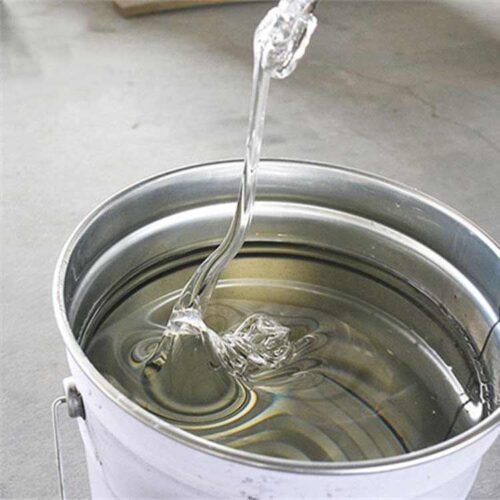
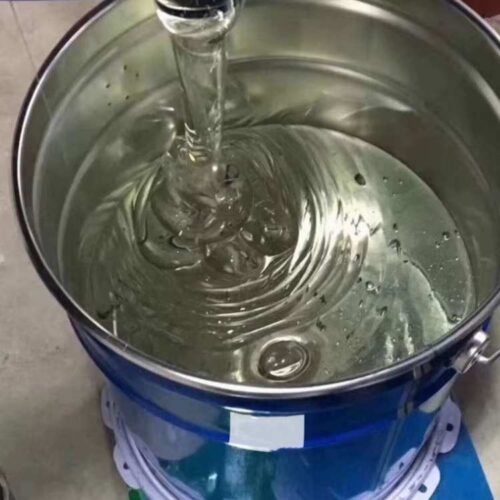
| Physical State | High-viscosity colored paste |
| Curing Temperature | 160°C (320°F) for 60-90 seconds |
| Flash Cure Temp | 105°C – 120°C (220°F – 250°F) |
| Mesh Compatibility | 43T – 120T (110 – 305 US Mesh) |
| Squeegee Hardness | Recommended 65/90/65 or Medium (70) Durometer |
| Clean Up | Ink degrader, press wash, or mineral spirits |
| HS Code | 3215.19.00 (Printing ink, other) |
| CAS No. (Base Resin) | 9002-86-2 (Polyvinyl Chloride) mixed with proprietary non-phthalate plasticizers |
| Inner Branding | Custom Printed Seam Taping available |
| Payment terms | TT Bank transfer, L/C in sight, Western Union |
| MOQ | 100 pieces per design/colorway |
| Sample Lead Time | 5-7 days after artwork approval |
| Bulk Lead Time | 15-25 days (Rush options available) |
| Certifications | CPSIA Compliant, REACH Compliant, OEKO-TEX |
| Packing | 1 kg / 5 kg / 20 kg (Plastic Pails) , Sample Kits available |
Plastisol Operational Guide
A comprehensive, step-by-step breakdown of essential printing parameters for flawless, durable, and wash-safe results.
1. Preparation (Mixing)
Shearing is Key: Plastisol is thixotropic (false-bodied). It may appear stiff in the bucket. Do not add reducer immediately.
Action: Stir vigorously with a spatula or mechanical mixer for 1-2 minutes. The friction will lower the viscosity, making it creamy and printable.
2. Printing Parameters (Mesh)
White Underbase: 43T – 55T (110 – 140 mesh). Top Colors: 61T – 90T (156 – 230 mesh) for soft hand. Squeegee: Recommended 70 Durometer (Medium) or 65/90/65 (Triple) for sharp edges and thin ink deposit. Tension: Ensure high screen tension (>20 Newtons) for a clean “snap-off.”
3. Flashing (Wet-on-Wet)
To build thickness or print colors on top of white, use an IR Flash Dryer.
Target: Heat ink surface to 105°C (220°F) for 3-5 seconds.
Check: Ink should be “tacky-dry” (sticky but no ink transfer to finger). Do not over-flash or the inter-coat adhesion will fail.
4. Final Curing (Fusion)
Crucial: The entire ink layer must reach 160°C (320°F) for at least 60 seconds.
Note: Unlike Silicone (which can cure lower/slower), Plastisol requires this specific heat to fuse the PVC resin. Under-curing causes cracking in the wash.
Perfect Prints on Any Fabric
Explore our fabric compatibility guide to achieve flawless screen printing results every time.

Cotton/Poly Blends
Highly compatible, delivering excellent and vibrant print results directly on blended fabrics.

Spandex/Lycra/Athletic Wear
Just add a stretch additive to keep your prints crack-free during movement.
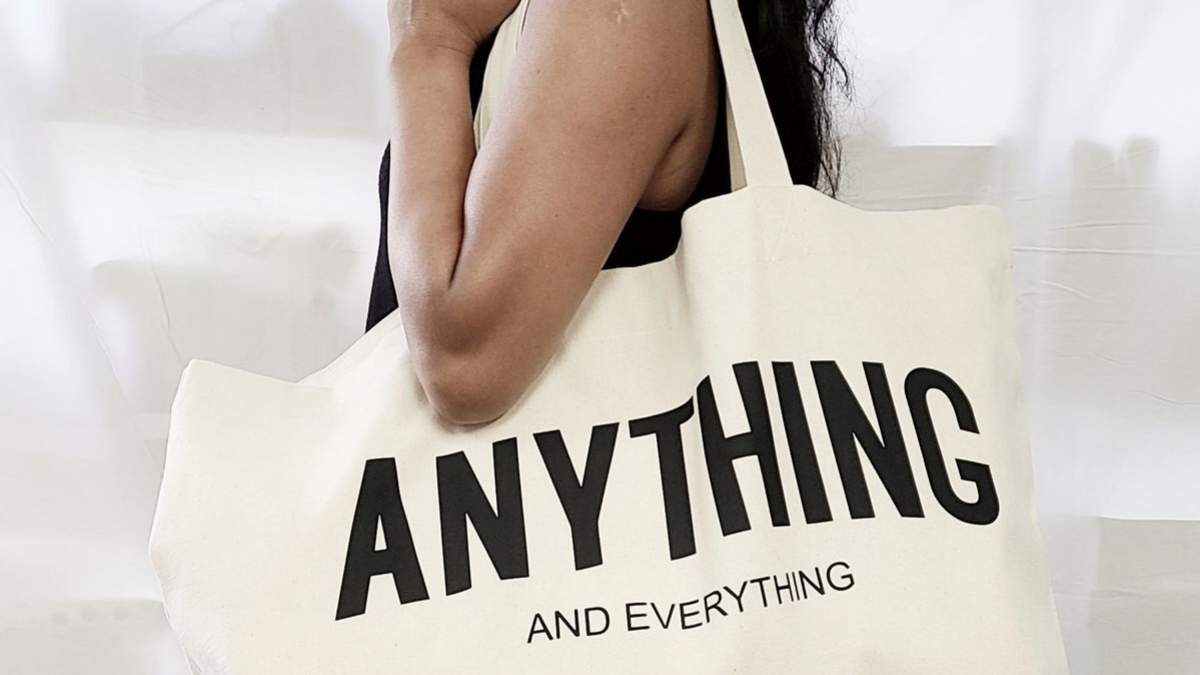
Canvas & Denim
Their heavy, porous nature makes them the ideal base for thick, vibrant plastisol prints.
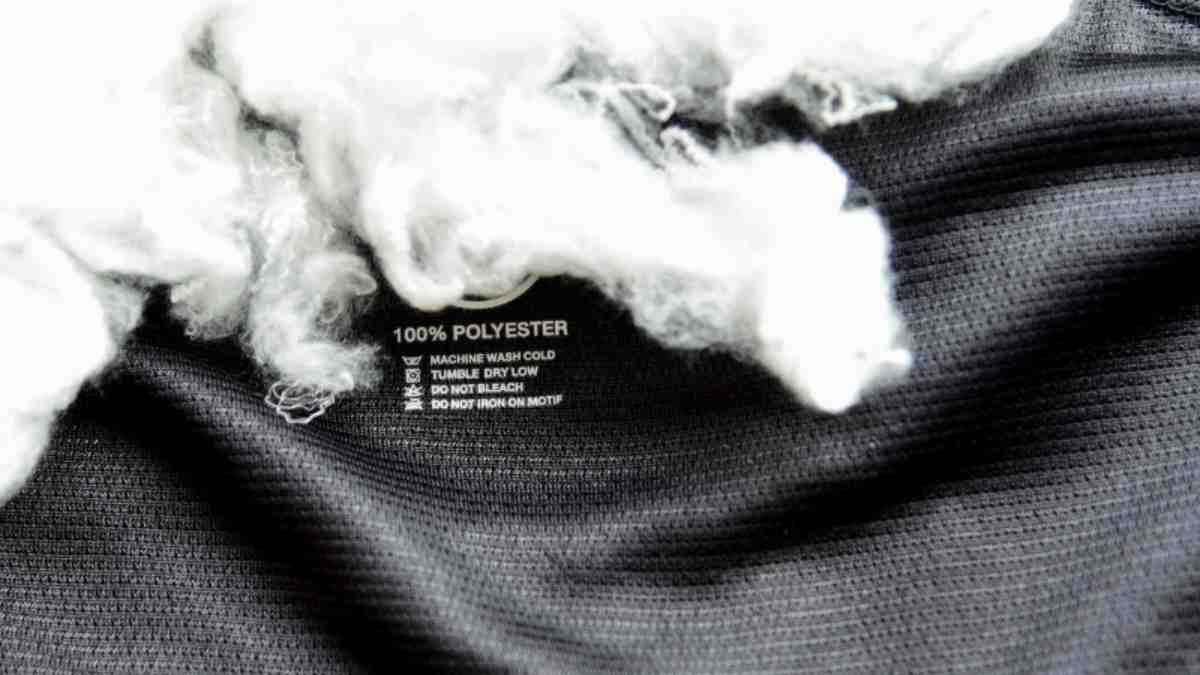
100% Polyester
Pair with low-bleed inks or a dye blocker to completely stop dye migration.
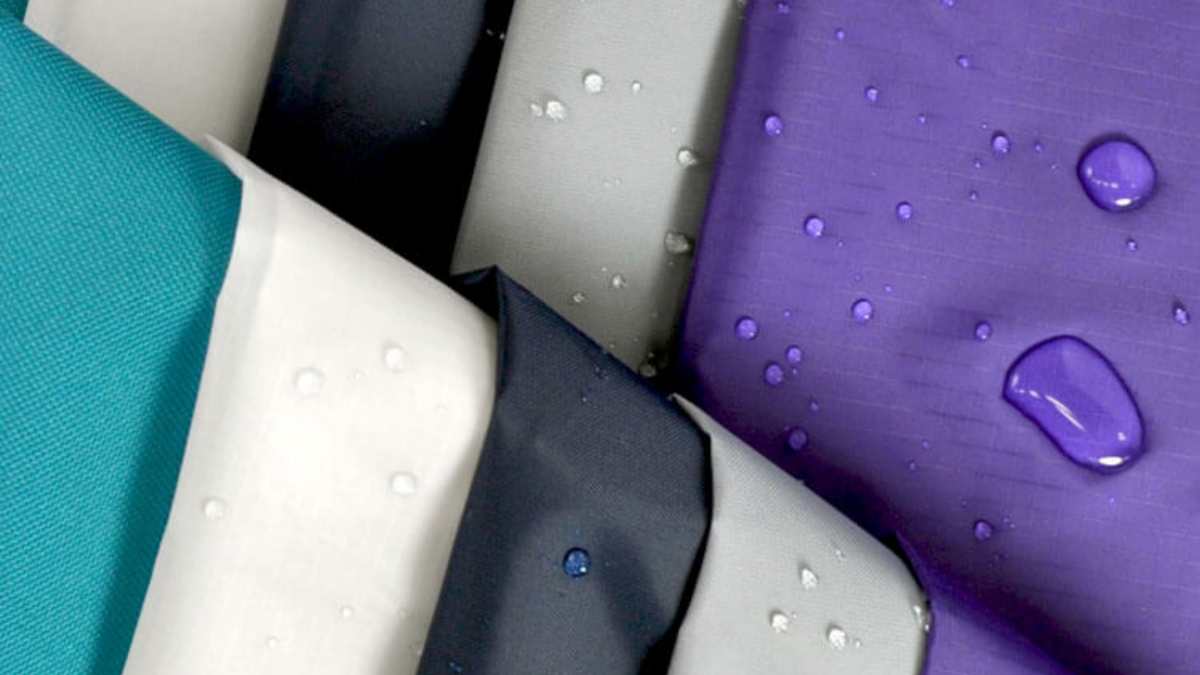
Nylon
Mix with a nylon catalyst for a permanent, wash-safe grip on slick surfaces.

100% Cotton
Offers optimal ink absorption and flawless adhesion with no special treatment required.
Comparison: Why Us?
How Top Running Clubs u0026amp; Events Stand Out with Our Custom Elite Running Hats
| Feature | Our Premium Plastisol | Water-Based Ink | Cheap Standard Plastisol |
| Ease of Use | Easiest (User-friendly) | Hard (Dries fast) | Medium (Too thick) |
| Opacity | High | Low (Needs multiple passes) | Medium |
| Vibrancy | Excellent | Muted/Matte | Good |
| Eco-Safety | Phthalate-Free / Heavy Metal Free | Eco-friendly | Often contains toxic Phthalates |
| Shelf Life | 2+ Years | 6-12 Months | 1-2 Years |
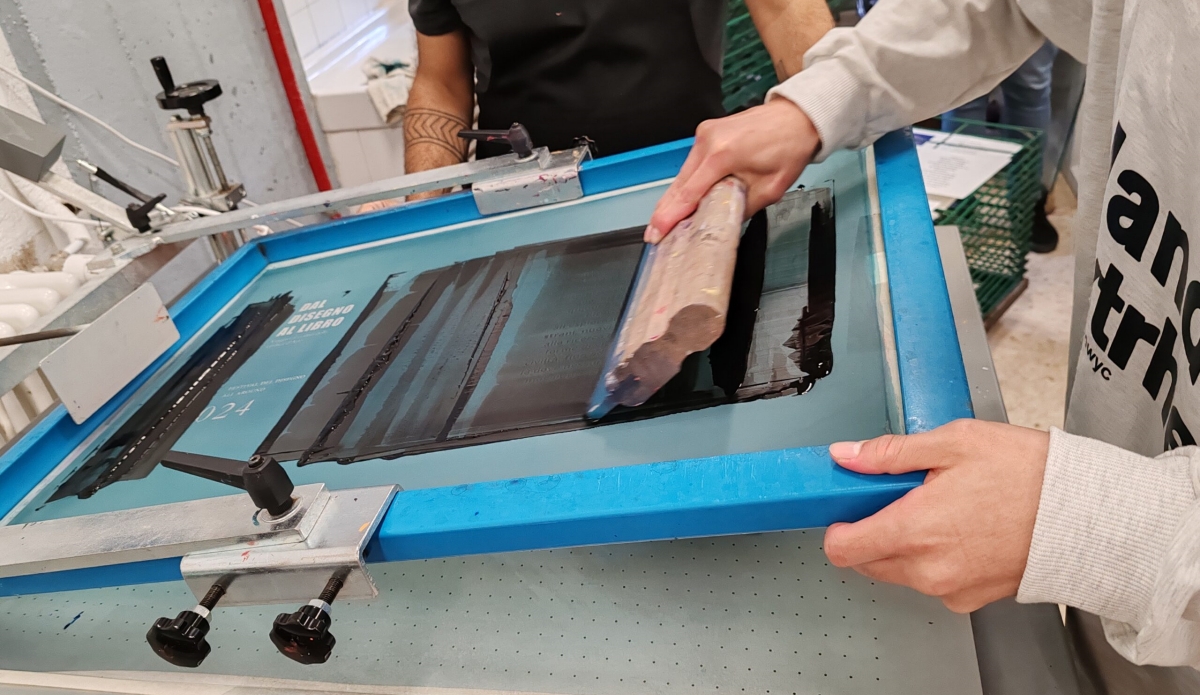
Customer Case Study
Client: M Custom Merch (USA)
Challenge: M was printing white logos on red 50/50 hoodies. His previous ink was turning pink after passing through the dryer (Dye Migration), and the ink felt like a heavy sticker.
Solution: M switched to our low-bleed white plastisol ink.
Result:
Zero Migration: The logos stayed bright white.
Productivity: He increased output by 20% because the ink flowed faster through his automatic press.
Feedback: His customers praised the softer feel of the print.
FAQ – Troubleshooting
Can I use a heat gun to cure this ink?
A: Technically yes, for small hobby batches. However, for professional results and wash durability, we highly recommend a conveyor dryer or a flash dryer to ensure the entire ink layer reaches 160°C (320°F).
How do I thin the ink if it’s too thick?
A: Our ink is ready to use, but if you are working in a very cold shop, you can add 2-5% of our Curable Reducer. Do not use mineral spirits to thin, as it affects curing.
Is this plastisol ink suitable for baby clothes?
A: Yes. We offer two distinct compliance tiers depending on your target brand’s Restricted Substances List (RSL):
PVC-Free Inks: For brands with stricter environmental mandates (such as OEKO-TEX Standard 100 Class I), we offer dedicated PVC-free formulations that eliminate polyvinyl chloride entirely while maintaining print durability.
Phthalate-Free & Lead-Free Inks: Our standard compliant line is completely free of heavy metals and restricted phthalates, meeting baseline CPSIA regulations for children’s wear.
How does it compare to Silicone ink?
A: Silicone is stretchier and more heat-resistant but significantly more expensive and harder to work with (requires a catalyst). Plastisol is the most cost-effective and versatile choice for 90% of jobs.
Will this ink “ghost” or cause dye migration when printing on 50/50 polyester blends?
A: No—provided you use our “Low-Bleed” technique. While our Premium series is naturally resistant to dye migration, we recommend a “Print-Flash-Print” method for heavy polyester blends. By flashing the underbase at 110°C (230°F), you create a chemical barrier that traps the fabric dyes. This prevents the “ghosting” effect where white ink turns pink or grey over time. For $100\%$ sublimated polyester, we suggest using our Grey Blocker as a dedicated base layer for maximum protection.

 English
 Deutsch (Sie)
 العربية
 বাংলা
বাংলা 香港中文
香港中文 Français
 Bahasa Indonesia
 Português do Brasil
 한국어
한국어 Tiếng Việt
 日本語
日本語 Polski
 Русский
 Türkçe
 ไทย
ไทย Español de México