-
Call Now +86 13426858645
-
Any Questions info@sollydsiliconeink.com
Textile Ink Bulk Supply for High-Volume Garment Production Lines
 Bykelseyy

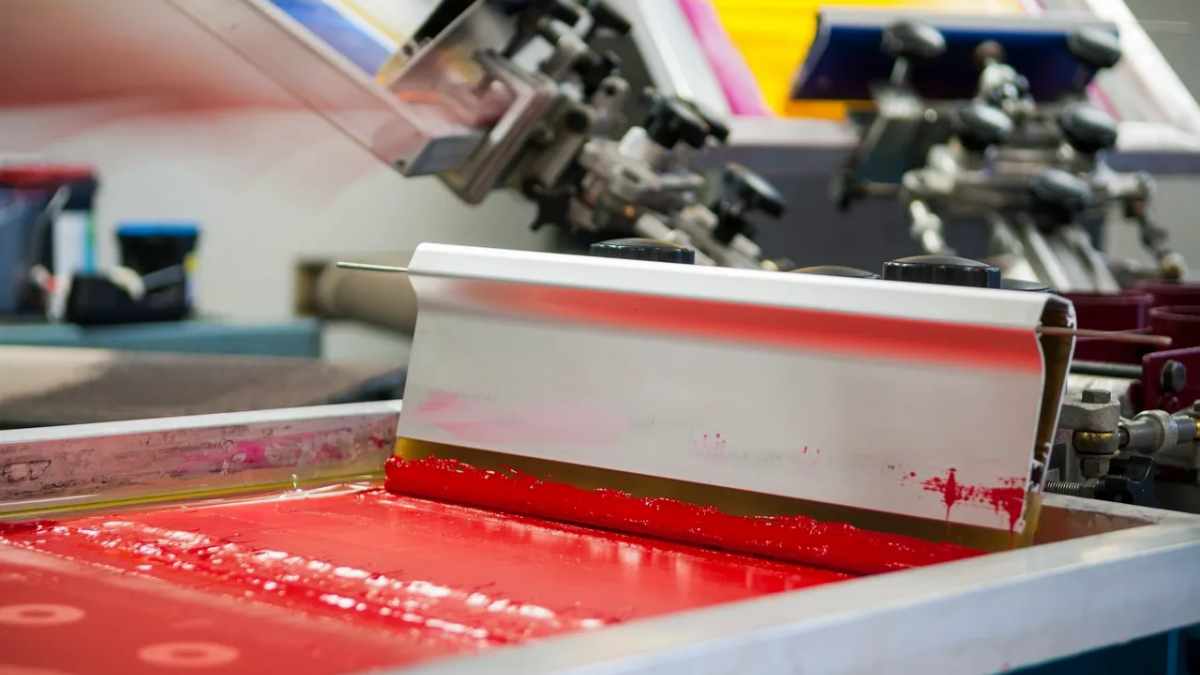
If you are running a high-volume garment production line, the “secret sauce” to hitting your margins in 2026 isn’t just faster machines—it’s your ink supply strategy. The short answer? Switching to a bulk supply of plastisol ink reduces your cost-per-print by up to 25%, slashes downtime by 40%, and ensures color consistency that keeps big-brand clients coming back.
At Sollyd, we’ve spent years on the factory floor. We’ve seen how small-batch sourcing kills productivity. Here is our expert breakdown of why bulk is the only way forward for serious players.
Table of Contents
Why We Switched to Bulk (And Why You Should Too)
In the B2B textile world, we often talk about “micro-downtime.” These are the 5-to-10-minute breaks where a technician has to swap a container or scrape the bottom of a small bucket. In a 24/7 high-volume line, those minutes add up to days of lost production per year.
The Economic Reality
According to market intelligence for 2025-26, the textile printing sector is doubling down on industrial-scale output. Modern procurement leads are looking past the ‘price per kilo’ and focusing instead on Total Cost of Ownership (TCO).
“Industrial-grade bulk ink systems are projected to see a CAGR of 7.2% through 2030, driven by the need for automated, continuous-feed production in the Asia-Pacific garment hubs.” — Source: Grand View Research, Textile Printing Market Analysis.
| Metric | Small Batch (1kg – 5kg) | Sollyd Bulk Supply (20kg – 200kg) | Your Gain |
| Price per KG | $12.00 – $15.00 | $8.50 – $10.50 | ~25% Savings |
| Ink Waste | 8% (Cling to walls) | <1.5% (Pressure fed) | Higher Yield |
| Color Variance | Risk of batch shift | Single-lot consistency | Client Trust |
The Best Practice: Mastering Viscosity in Bulk
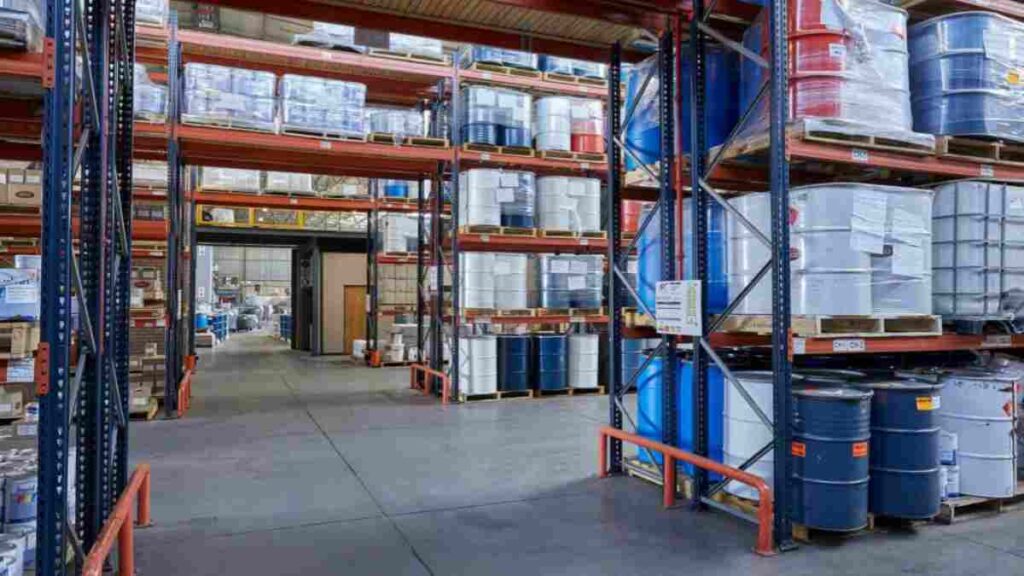
One thing we’ve learned at Sollyd is that bulk storage requires a different mindset. You can’t just leave a 200L drum sitting in a cold corner of the warehouse.
Pro Tip: Always maintain your screen printing supplies in a climate-controlled environment (18-25°C). For plastisol, viscosity is everything. If the ink gets too cold, it thickens, leading to mesh blockage. If it’s too hot, you risk “premature gelation.” We recommend using an automated stirring system for large reservoirs to keep the pigments perfectly suspended.
Solving the “Consistency Crisis” with Single-Lot Production
When you are printing 50,000 units for a global brand, “close enough” isn’t good enough for color. Small buckets often come from different production batches, leading to a Delta-E variance that the human eye will notice.
By using our bulk silicone ink or plastisol ranges, we provide a single-lot guarantee. This means every drop of ink in that 200kg shipment was cooked in the same vat, at the same time, under the same pressure.
How to Start Your Bulk Transition:
- Consumption Audit: If you use more than 500kg of ink a month, you are already a candidate for bulk.
- Hardware Check: Ensure your automatic presses are equipped with bulk feeding manifolds.
- Safety First: Ensure your supplier provides printing materials that meet ZDHC and OEKO-TEX standards. Most Tier 1 brands won’t even look at your samples without these certifications.
Best Practice: The “10% Alert” Rule
Never let your lines run dry. The most successful factories we work with implement a sensor-based “10% Alert.” When the bulk reservoir hits the 10% mark, it triggers a notification to the floor manager. This prevents air from entering the feed lines, which can take hours to bleed out and recalibrate.
Technical Edge: NLP Entities and Market Standards
To stay competitive, your production needs to align with modern technical concepts. We focus heavily on viscosity stability and surface tension. Whether you are using water based ink for eco-friendly lines or high-opacity plastisol for dark garments, the chemistry must be precise.
Our products are tested against industrial printheads like Kyocera and Epson PrecisionCore to ensure that even at high speeds, the “hand-feel” remains soft and the durability exceeds 50+ wash cycles.
FAQ: What Our B2B Partners Always Ask
Q1: Does bulk ink settle or separate over time?
Plastisol is very stable, but we still suggest a quick mechanical stir if the drum has been sitting for more than 30 days. This ensures the plasticizers and pigments are perfectly blended.
Q2: How much space do I need for bulk storage?
Not as much as you think. A single 200L drum replaces forty 5kg buckets. It actually cleans up your floor space and makes inventory management much easier.
Q3: Is the quality of bulk ink the same as the “premium” small buckets?
At Sollyd, it’s exactly the same formula. The only difference is the packaging and the scale of the price break we can give you.
Q4: Can I mix different batches of bulk ink?
We don’t recommend “top-filling” a half-empty tank with a new batch. It’s better to run the reservoir low, clean the filters, and then refill to maintain absolute color purity.
Q5: What is the lead time for 1000kg+ orders?
Typically, we maintain a rolling stock for our partner factories. For custom pantone matches in bulk, expect a 7-10 day lead time to ensure the heat transfer printing quality meets our internal QC.

 English
 Deutsch (Sie)
 العربية
 বাংলা
বাংলা 香港中文
香港中文 Français
 Bahasa Indonesia
 Português do Brasil
 한국어
한국어 Tiếng Việt
 日本語
日本語 Polski
 Русский
 Türkçe
 ไทย
ไทย Español de México