-
عربة التسوق +86 13426858645
-
إغلاق درج عربة التسوق [email protected]
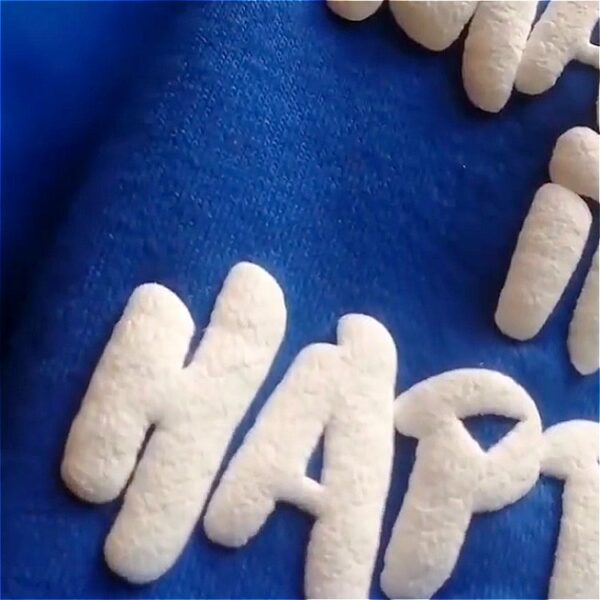
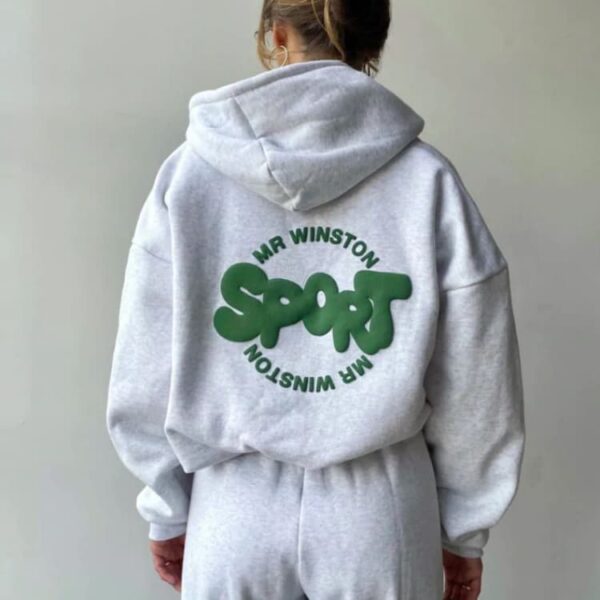
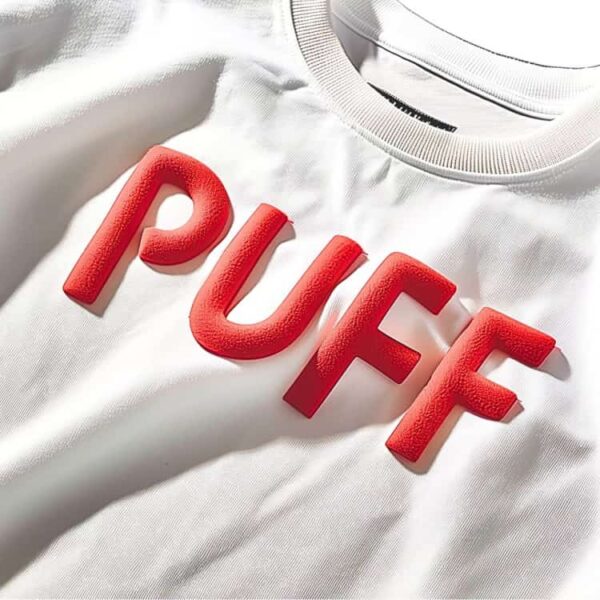
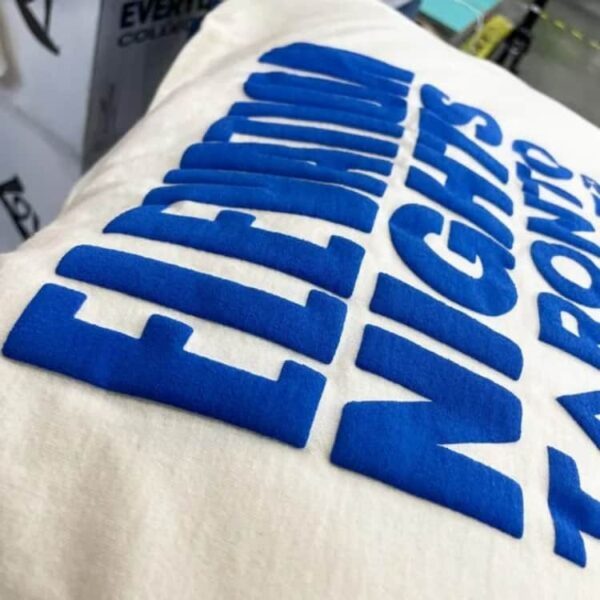


حبر سيليكون ثلاثي الأبعاد عالي الأداء (سلسلة الرغوة)
حبر سيليكون ثلاثي الأبعاد عالي الأداء: احصل على مطبوعات نسيجية مرنة وبارزة. سيليكون رغوي متين وناعم الملمس للسترات والملابس الرياضية. خالٍ من بولي فينيل كلوريد (PVC) ومتوافق مع معايير RSL.
- الحد الأدنى للطلب:20 كجم (دلو صناعي قياسي)
- سياسة العينات: تتوفر مجموعة عينات بحجم 1 كجم (القاعدة + المحفز) لاختبار الجودة.
- مدة التوريد: 3-5 أيام عمل للمخزون؛ 7-15 يوماً للطلبات الكبيرة.
- الشحن: يتوفر الشحن العالمي عبر البحر أو الجو أو الشحن السريع (غير خطرة).
- التخزين: يُحفظ في درجة حرارة أقل من 25 درجة مئوية في مكان بارد وجاف؛ وتجنب أشعة الشمس المباشرة.
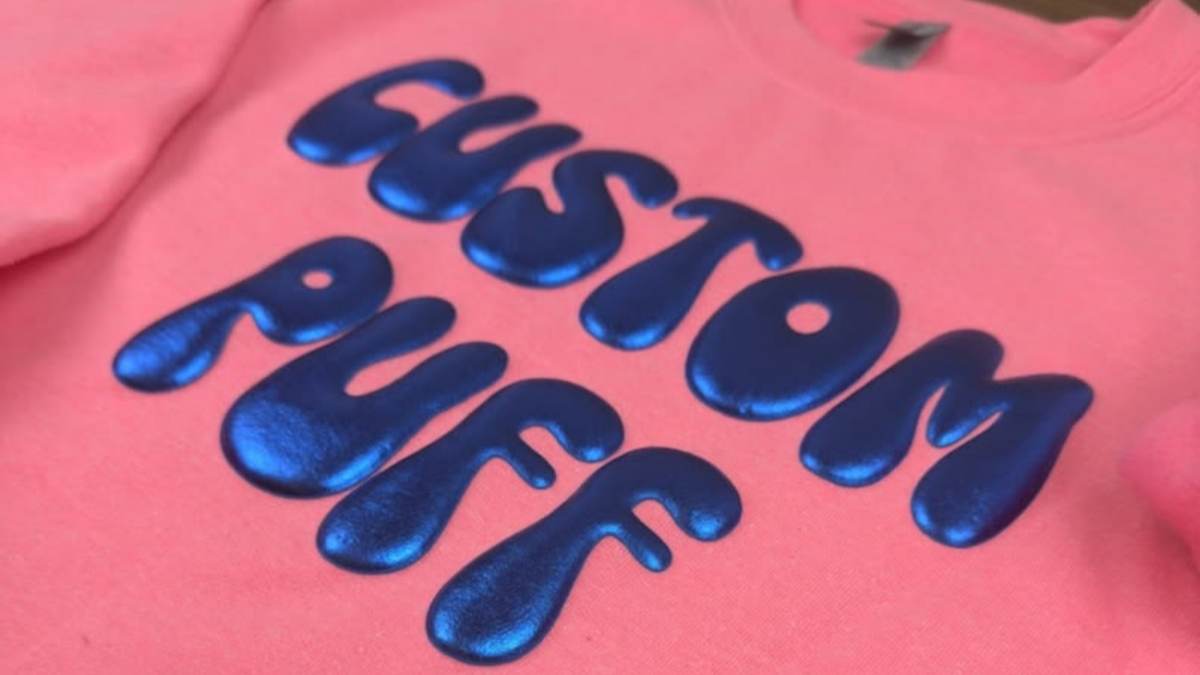
حقق حجمًا ثلاثي الأبعاد مقاومًا للتشقق.
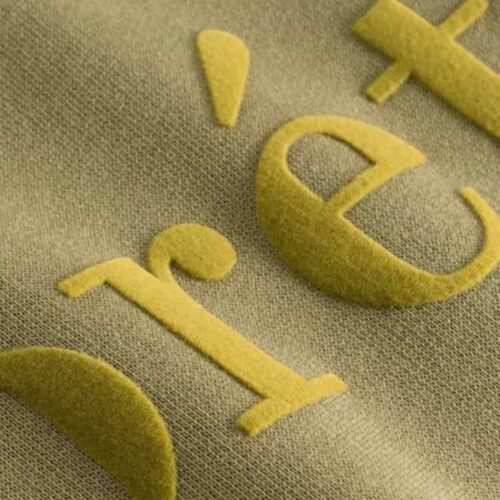
غالبًا ما تجلب التأثيرات البارزة ثلاثية الأبعاد خطر تشقق المطبوعات الهشة تحت الضغط. تم تصميم حبر السيليكون النافش ثلاثي الأبعاد الخاص بنا لحل هذه المشكلة. فهو يجمع بين التمدد الرأسي العالي والمرونة العالية. وبفضل معالجته للحصول على لمسة نهائية ناعمة ومطاطية، فإنه يتمدد بشكل طبيعي مع القماش، مما يضمن مقاومة المطبوعات للتشقق والحفاظ على سلامتها الهيكلية بعد الغسيل المتكرر.
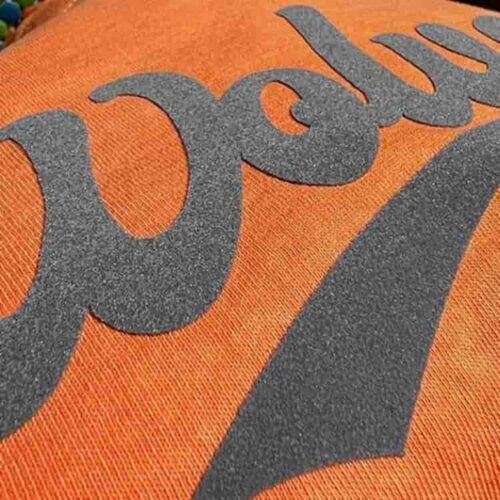
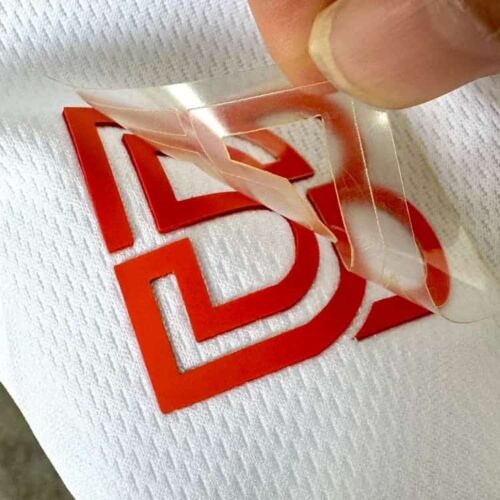
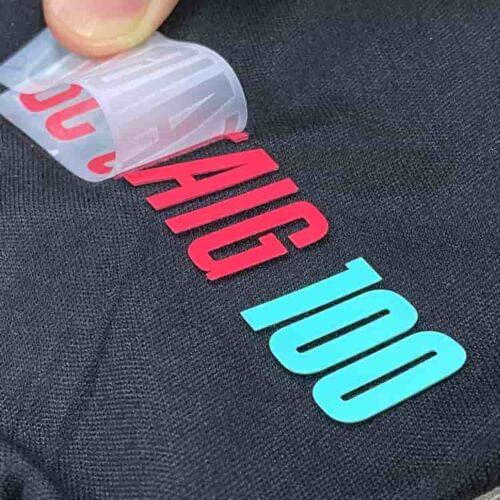
يحول حبر السيليكون الرغوي هذا الرسومات ثنائية الأبعاد إلى تصميمات ثلاثية الأبعاد ملموسة. يتم تطبيقه بشكل موثوق على الملابس الرياضية عالية التمدد والسترات وملابس الموضة. سواء كان الهدف إنتاج شعارات بارزة أو كتابات كلاسيكية أو لمسات نسيجية، فإنه يوفر المتانة واللمسة الناعمة التي تتطلبها العلامات التجارية للملابس.
تواصل معنا للحصول على أسعار الجملة أو للحصول على المتانة والملمس الناعم الذي تتطلبه العلامات التجارية الحديثة.
الميزات الرئيسية والأداء
صُممت لتوفير تمدد ثلاثي الأبعاد موحد، ومرونة عالية، وثبات أثناء الغسيل للطباعة النسيجية الهيكلية.
تمدد قابل للتحكم
تمت صياغتها بعامل نفخ مستقر ينشط باستمرار عند درجات حرارة المعالجة القياسية (150 درجة مئوية فأكثر)، مما يسمح بارتفاع ثلاثي الأبعاد موحد ومتوقع.
عالي المرونة و ملمس ناعم
يظل هيكل الرغوة المعالج مرناً، حيث يتمدد بشكل طبيعي مع الأقمشة مثل السباندكس أو الليكرا. كما أنه يعود لشكله دون تشقق ويخلق ملمساً ناعماً وإسفنجياً يشبه المطاط.
متانة الغسيل
يوفر التصاقاً موثوقاً وثباتاً ممتازاً عند الغسيل. يجتاز اختبارات الغسيل عند درجة حرارة 60 مئوية (أكثر من 20 دورة) بفعالية دون تقشر أو انهيار للهيكل ثلاثي الأبعاد.
تعدد الاستخدامات:
يُخلط بسهولة مع أصباغ السيليكون القياسية لمطابقة الألوان بدقة. متوافق تماماً مع طبقات السيليكون النهائية اللامعة وغير اللامعة لتحقيق لمسات نهائية بصرية محددة.
هوية الامتثال الفني
| الخاصية | القيمة / الوصف |
| اسم المنتج | مطاط السيليكون السائل القابل للتمدد حرارياً |
| المرادفات | سيليكون رغوي، مادة مضافة للنفش، حبر بارز ثلاثي الأبعاد، سيليكون متمدد. |
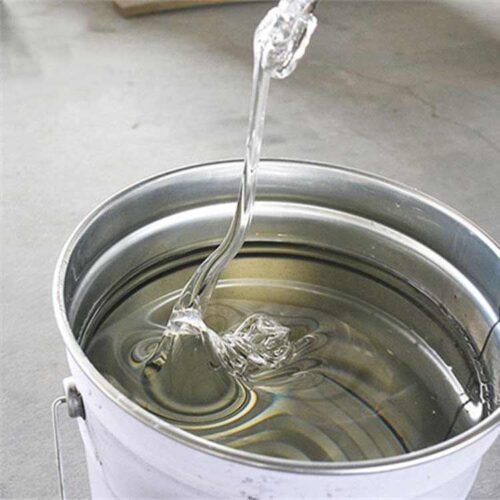
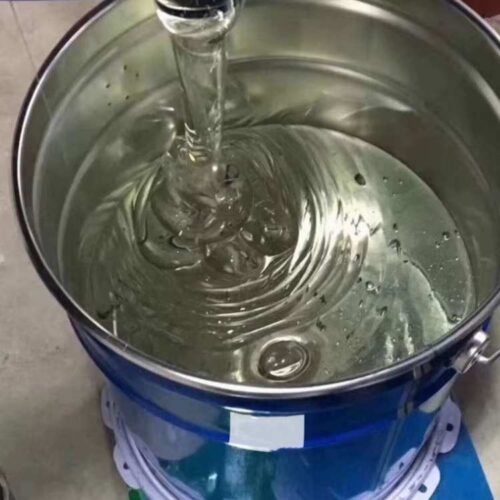
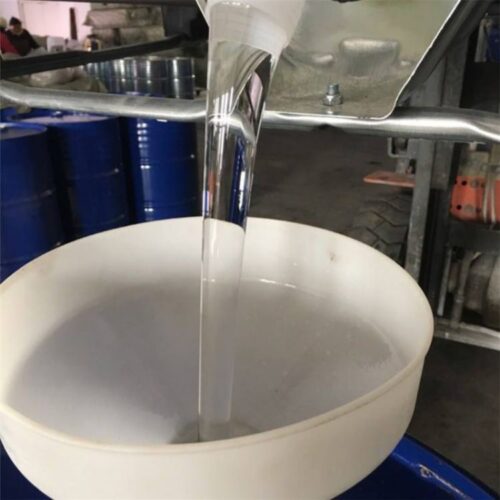
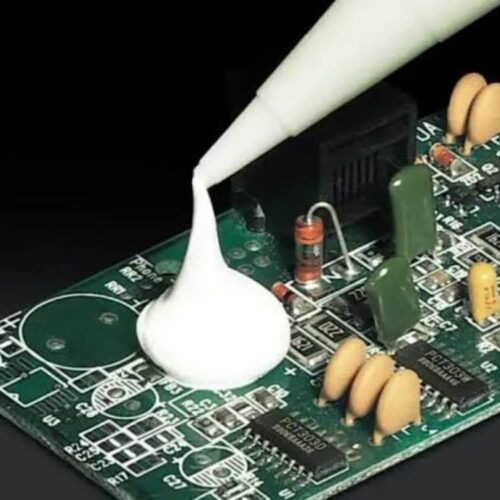
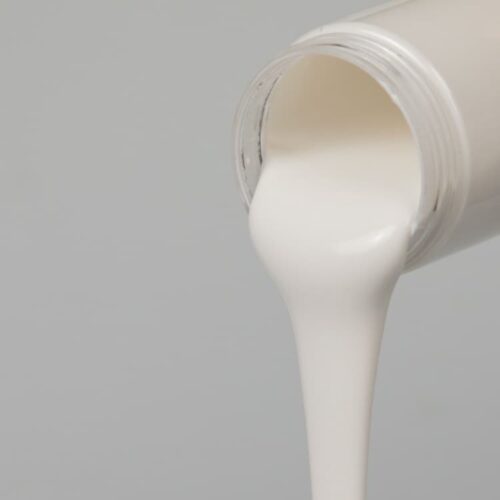
| المظهر | معجون شفاف / أبيض حليبي |
| اللزوجة | 200,000 – 300,000 سنتيبواز (ثيكسوتروبي) |
| نسبة التمدد | حوالي 150% – 200% (يعتمد على سمك الطبقة) |
| درجة حرارة المعالجة | يبدأ التنشيط عند >130 درجة مئوية؛ التمدد الأمثل عند 150 درجة مئوية – 160 درجة مئوية |
| الصلابة (مقياس شور A) | 10 – 25 (رغوة ناعمة) |
| عمر الخليط | 4-5 ساعات عند 25 درجة مئوية (بعد الخلط) |
| نسبة الخلط | 100:2 أو 10:1 (القاعدة : المحفز) |
| توصية الشبكة | 80 – 110 شبكة (32T – 43T) |
| رقم CAS | 63394-02-5 (بولي ثنائي ميثيل سيلوكسان) / عامل نفخ خاص |
| EINECS | 264-131-3 |
| رمز النظام المنسق (HS Code) | 3910000000 |
| الشهادات | المستوى 3 من ZDHC، معيار OEKO-TEX 100، متوافق مع قائمة المواد المحظورة (Nike/Adidas/Puma)، خالٍ من PVC، خالٍ من الفثالات. |
| التعبئة والتغليف | عينة: دلاء 1 كجم / 5 كجم. كمية كبيرة: براميل بلاستيكية 20 كجم / 25 كجم. |
| التخزين | تحذير: يُحفظ في مكان بارد وجاف (أقل من 25 درجة مئوية). تجنب أشعة الشمس المباشرة. درجات الحرارة المرتفعة يمكن أن تؤدي إلى تنشيط عامل النفخ في العبوة بشكل مبكر. مدة الصلاحية: 6-12 شهراً (غير مفتوح). |
| السلامة | غير خطير للنقل. رائحة منخفضة، خالٍ من المواد المتطايرة. تتوفر ورقة بيانات سلامة المواد (MSDS) عند الطلب. |
عملية التشغيل
تحقيق النفشة المثالية يتطلب موازنة دقيقة بين كمية الحبر والحرارة.
1.الخلط
اخلط قاعدة النفش + المحفز + الصبغة (10-15%).
ملاحظة: تأكد من دمج المحفز بالكامل لمنع التمدد غير المتساوي.
2.تحضير الشاشة
استخدم شبكة ذات عدد خيوط منخفض (80-110 شبكة / 32T-43T).
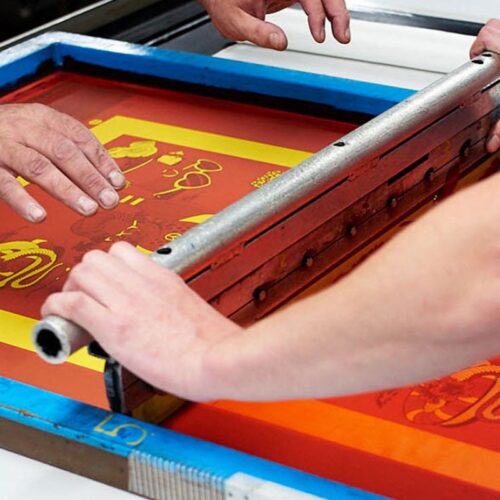
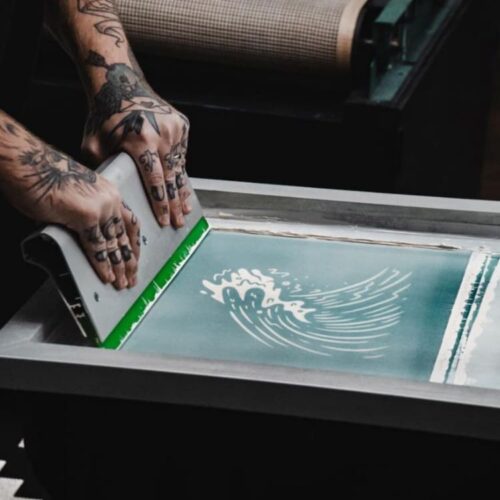
استخدم استنسل مستحلب سميك (EOM > 200 ميكرون) أو طبقة فيلم سميكة (فيلم شعري) لضمان ترسب حبر كثيف. كلما كان الحبر المبلل أكثر سمكاً، كان تأثير الانتفاخ أعلى.
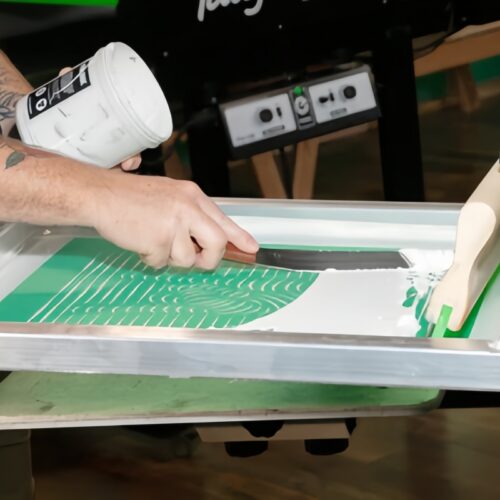
3.الطباعة
اطبع طبقة أساسية (سيليكون شفاف) إذا كانت الأقمشة تتطلب ذلك (مثل البوليستر).
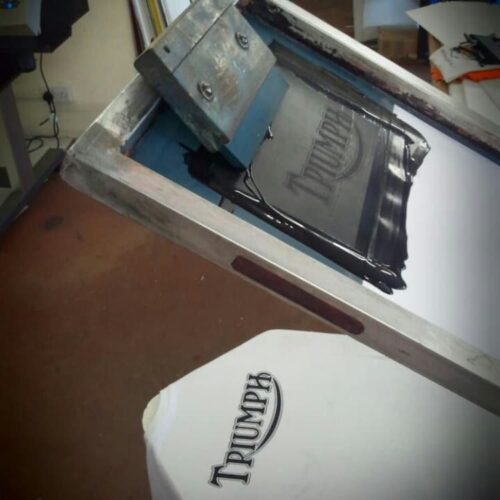
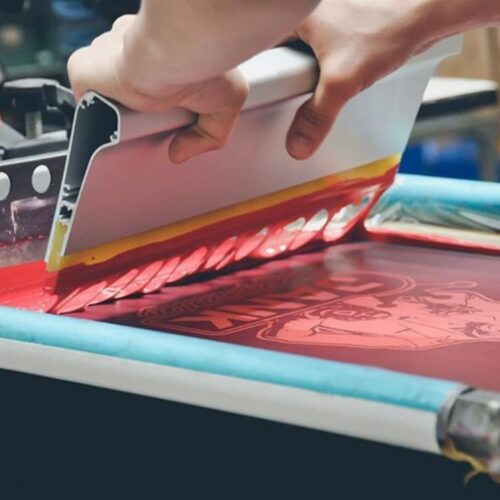
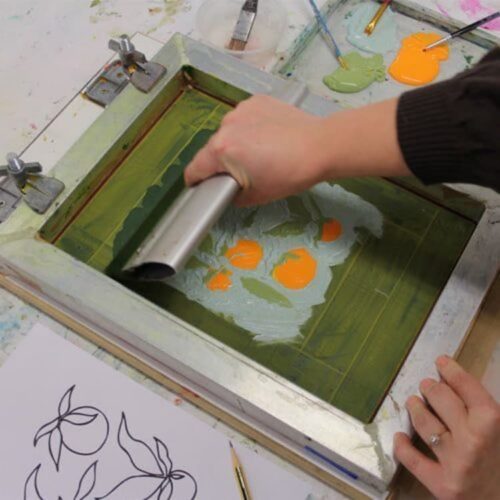
اطبع سيليكون الانتفاخ (2-3 ضربات). جففه بالحرارة الخاطفة. كرر العملية إذا لزم الأمر للحصول على ارتفاع شديد.
التجفيف الحراري الخاطف (مهم جداً): جفف عند 100 درجة مئوية - 110 درجة مئوية لمدة 10 ثوانٍ. لا تفرط في التسخين أثناء التجفيف الخاطف! أنت ترغب فقط في تجفيف السطح، وليس تفعيل عامل الانتفاخ بعد.
4.التجفيف النهائي (التمدد)
اخبز في مجفف النفق عند 150 درجة مئوية - 160 درجة مئوية لمدة 90-120 ثانية.
ستؤدي الحرارة إلى تحفيز عامل النفخ، مما يتسبب في ارتفاع الحبر وتصلبه في نفس الوقت.
الأقمشة الأساسية
مناسب بشكل مثالي للأقمشة متوسطة إلى ثقيلة الوزن التي يمكنها دعم هيكل الرغوة المتمددة.

صوف قطني
توفر الحجم العالي اللازم لـ "البروز" فوق الألياف ذات الوبر العميق، مما يخلق شعاراً ثلاثي الأبعاد جريئاً وعالي الجودة لن يضيع داخل نسيج القماش.
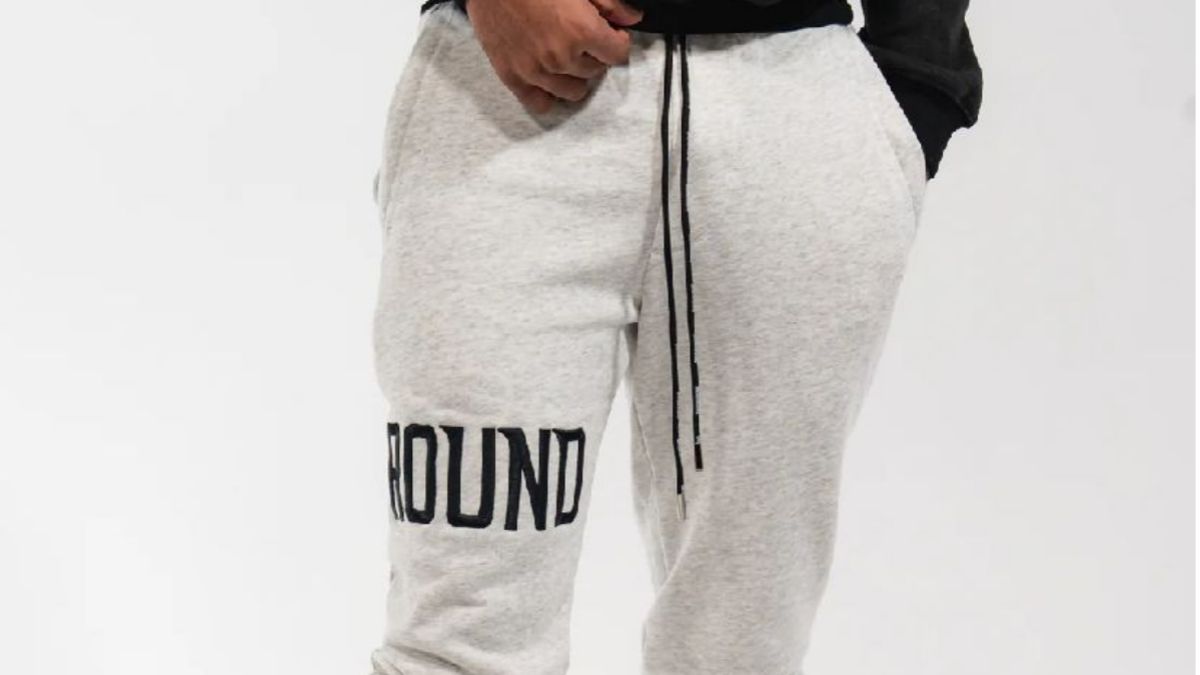
فرينش تيري (قماش قطني خفيف)
توفر تماسكاً استثنائياً مع النسيج الحلقي، مما يضمن بقاء الطباعة البارزة حادة ومنظمة دون أن "تنهار" على السطح غير المستوي.
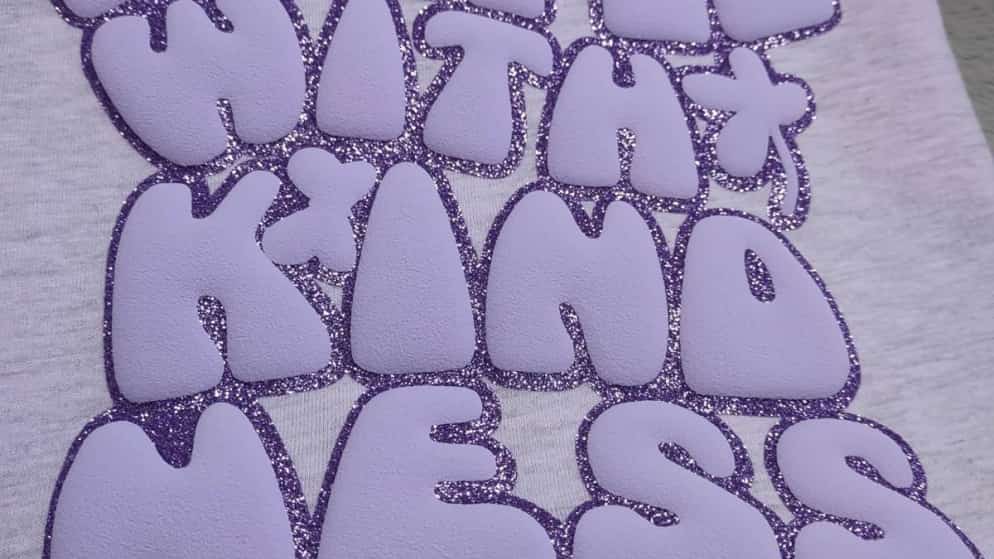
خلطات البوليستر
يمنع التنشيط عند درجات الحرارة المنخفضة هجرة الصبغة (التلطخ) مع الحفاظ على رابطة دائمة ومرنة تتحرك مع الألياف الاصطناعية.
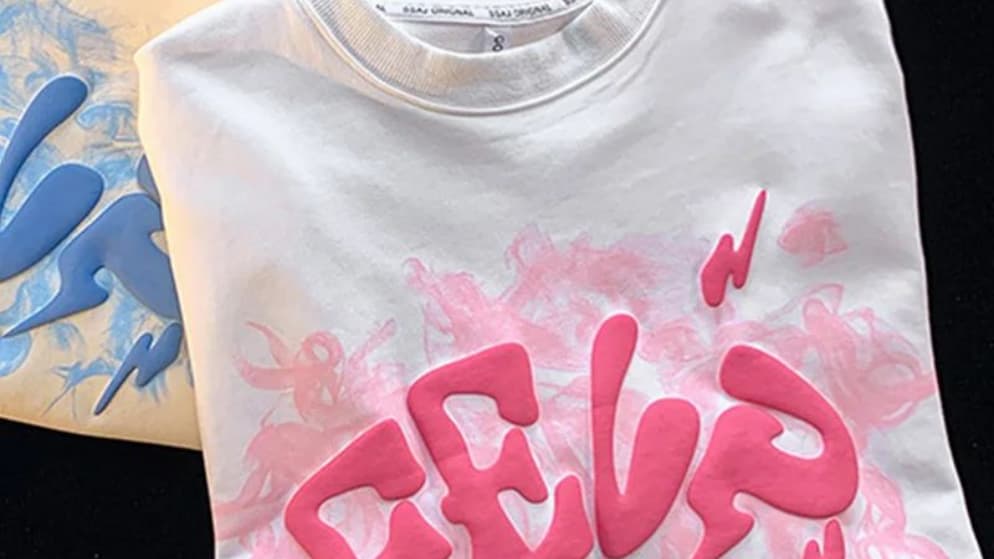
جيرسي ثقيل
تمنح مظهراً هندسياً حاداً وعالي الكثافة يكمل وزن القماش، مما يوفر ملمس "الرقعة المطاطية" الراقية دون ثقل الرقعة الفعلية.
نقاط الضعف الشائعة والحلول من الخبراء
اكتشف كيف تم تصميم تركيبات السيليكون المتقدمة لدينا لحل عيوب الطباعة الشائعة، وتحسين سير عملك، وتقليل هدر المواد.
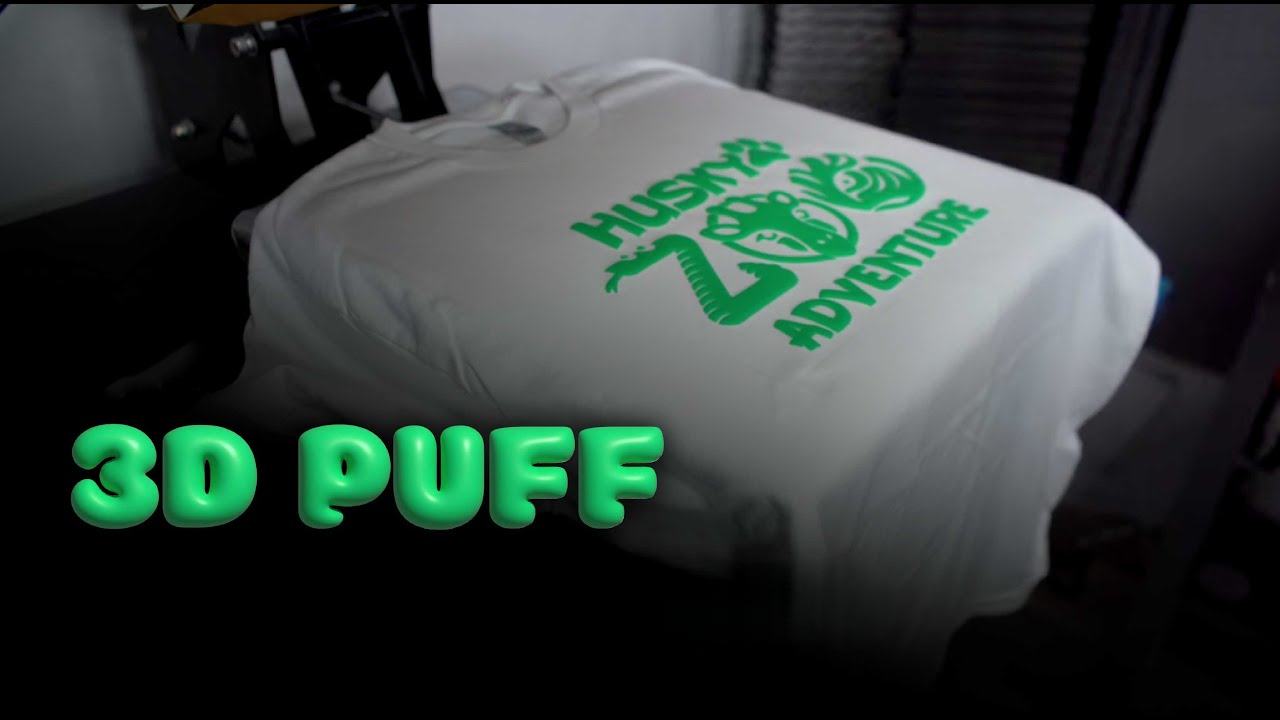
“طباعة الانتفاخ الخاصة بي تبدو غير متساوية أو فقاعية.”
الحل: غالباً ما يكون هذا بسبب ترسب الحبر غير المتساوي. تضمن تركيبتنا ذات اللزوجة العالية بقاء الحبر على سطح ألياف القماش بدلاً من امتصاصه، مما يضمن ارتفاعاً سلساً وموحداً.

“الانتفاخ ينهار بعد الغسيل.”
الحل: يضمن هيكل الربط المتقاطع لدينا أن تكون خلايا الرغوة متينة. بمجرد تصلبها، يصبح الشكل دائماً.
الارتقاء بطباعة الانتفاخ ثلاثية الأبعاد: تحليل أداء مقارن
قارن بين أداء المواد واكتشف كيف يتغلب سيليكون الانتفاخ المتقدم لدينا على قيود المرونة وثبات الغسيل لأنظمة الحبر التقليدية.
| الميزة | سيليكون الانتفاخ الخاص بنا | بلاستيسول الانتفاخ (PVC) | الانتفاخ المائي |
| المرونة | ★★★★★ (تمدد عالي) | ★ (يتشقق بسهولة) | ★★ (تمدد منخفض) |
| ملمس اليد | ناعم، مطاطي، مرن | خشن، جاف، صلب | ناعم ولكنه ضعيف |
| ثبات الغسيل | ممتاز (بدون تشقق) | سيء (يتقشر) | متوسط |
| الملف البيئي | خالٍ من بولي فينيل كلوريد (PVC)، صديق للبيئة | يحتوي على بولي فينيل كلوريد (PVC) / فثالات | صديق للبيئة |
| مقاومة الحرارة | عالي (يمكن كيه برفق) | يذوب/يتسطح تحت الحرارة | متوسط |
دراسة حالة العميل
العميل: مصنع ملابس مخصصة في البرتغال.
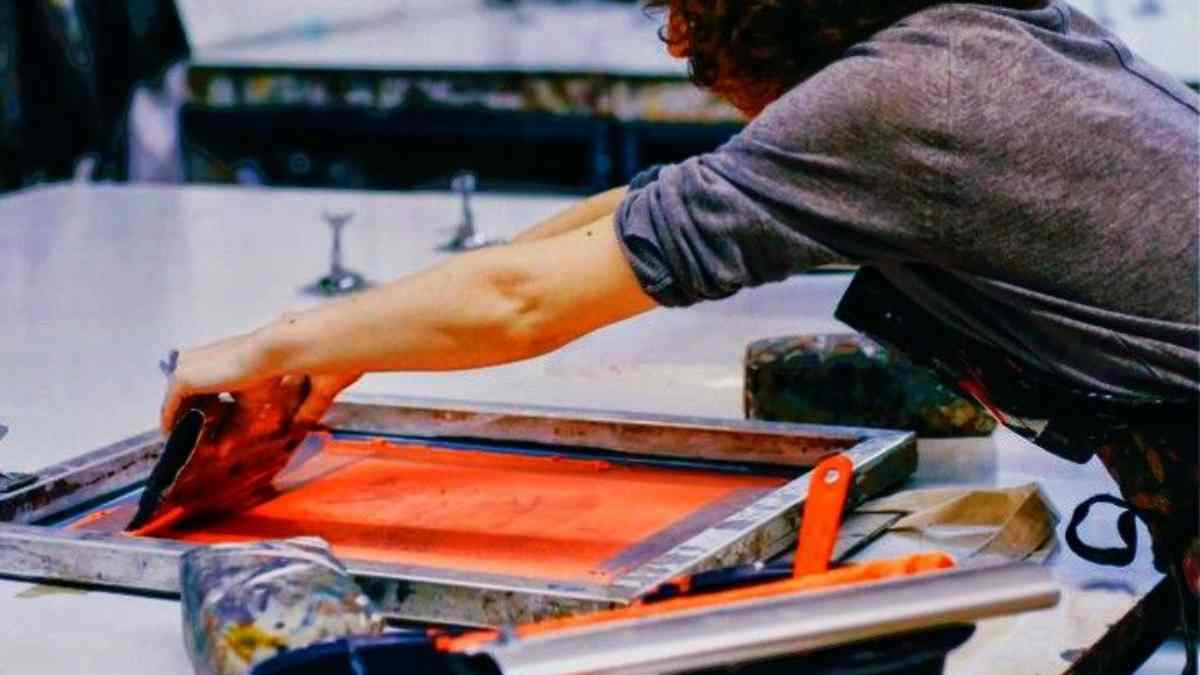
التحدي: رفض عميلهم (علامة تجارية كبرى للملابس الرياضية) دفعة من السترات ذات القلنسوة (هودي) لأن الطباعة المنفوخة (Puff print) تشققت عند تمدد القماش. كانوا يستخدمون حبر بلاستيزول المنفوخ.
الحل: تم التحول إلى حبر السيليكون المنفوخ المرن الخاص بنا.
النتيجة:
صمدت الطباعة أمام "اختبار التمدد" (سحب القماش حتى استطالة بنسبة 100%) دون تشقق.
تم تحسين ملمس اليد بشكل كبير ليصبح ذا طابع مطاطي فاخر.
زادت كفاءة الإنتاج حيث سمح عمر حبر السيليكون في وعاء الطباعة بفترات تشغيل أطول دون انسداد.
الأسئلة الشائعة - استكشاف الأخطاء وإصلاحها
س1: كيف أحصل على تأثير ثلاثي الأبعاد (3D) أعلى؟
ج: يأتي الارتفاع من حجم الحبر. استخدم شبكة طباعة ذات عدد خيوط أقل (مثل 86 mesh)، وطبقة مستحلب أكثر سمكاً على شاشتك، وقم بالطباعة لعدة طبقات (طباعة-تجفيف-طباعة).
س2: لماذا تحول لون النفخ إلى الأصفر؟
ج: هذا يشير إلى الاحتراق. كانت درجة حرارة التجفيف عالية جداً أو أن الملابس بقيت في الفرن لفترة طويلة. خفف درجة الحرارة إلى 150 درجة مئوية وقم بزيادة تدوير الهواء.
س3: هل يمكنني خلط هذا مع سيليكون عالي الكثافة (High Density)؟
ج: نعم. خلط سيليكون النفخ مع سيليكون قياسي عالي الكثافة (على سبيل المثال بنسبة 50/50) يخلق تأثير "نصف منفوخ" يكون أكثر صلابة، وأكثر متانة، وذا حواف أكثر حدة.
س4: هل يمكنني خلط سيليكون النفخ مع السيليكون العادي؟
ج: نعم. يمكنك خلطه مع سيليكون قياسي عالي الكثافة لتقليل تأثير النفخ وخلق طباعة ثلاثية الأبعاد أكثر صلابة وهيكلية.
س5: لماذا انهار تأثير النفخ في طباعتي بعد خروجها من الفرن؟
ج: هذا يعني عادةً التعرض الزائد للحرارة. كانت درجة الحرارة عالية جداً أو الوقت طويلاً جداً، مما تسبب في انهيار هيكل الرغوة. قم بخفض درجة الحرارة بمقدار 10 درجات مئوية.
س6: هل يعمل على السترات الواقية من الرياح (النايلون)؟
ج: الاستخدام المباشر محفوف بالمخاطر. يجب عليك طباعة سيليكون ربط النايلون (Linker) أولاً، ثم تجفيفه، ثم طباعة سيليكون النفخ فوقه.
س7: كم عدد الطبقات التي أحتاج إلى طباعتها؟
ج: عادة ما تكون 2 إلى 3 طبقات (طباعة-تجفيف-طباعة) باستخدام استنسل سميك (عالي سماكة المستحلب EOM) كافية للحصول على تأثير ثلاثي الأبعاد كبير.

 English
 Deutsch (Sie)
 العربية
 বাংলা
বাংলা 香港中文
香港中文 Français
 Bahasa Indonesia
 Português do Brasil
 한국어
한국어 Tiếng Việt
 日本語
日本語 Polski
 Русский
 Türkçe
 ไทย
ไทย Español de México