-
Carrito de compras +86 13426858645
-
Cerrar panel del carrito [email protected]
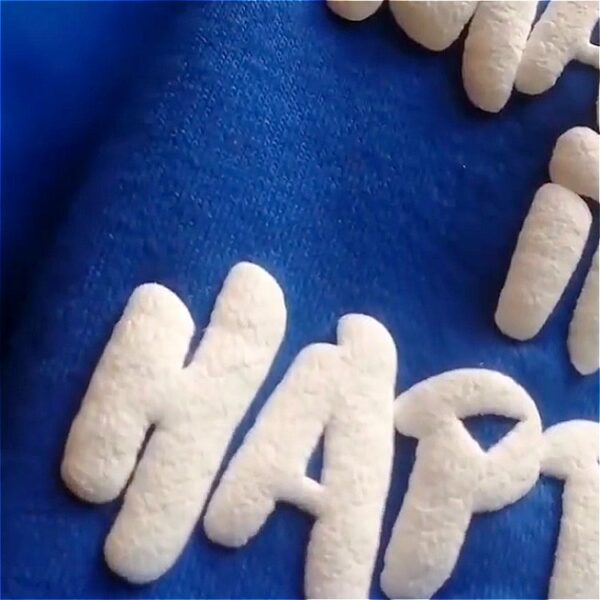
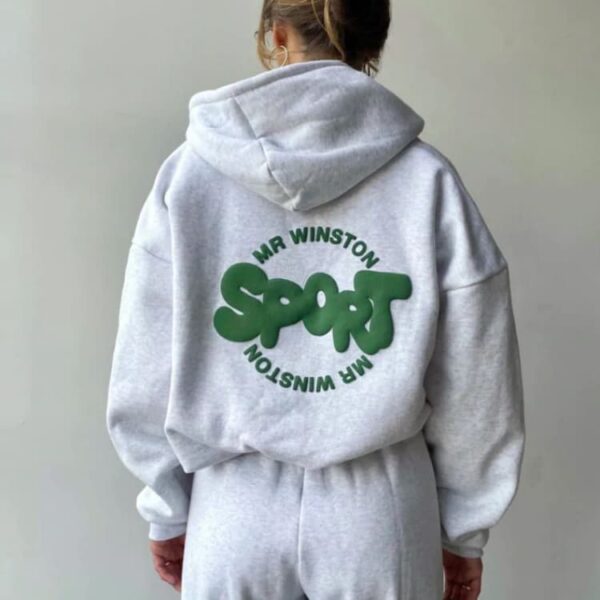
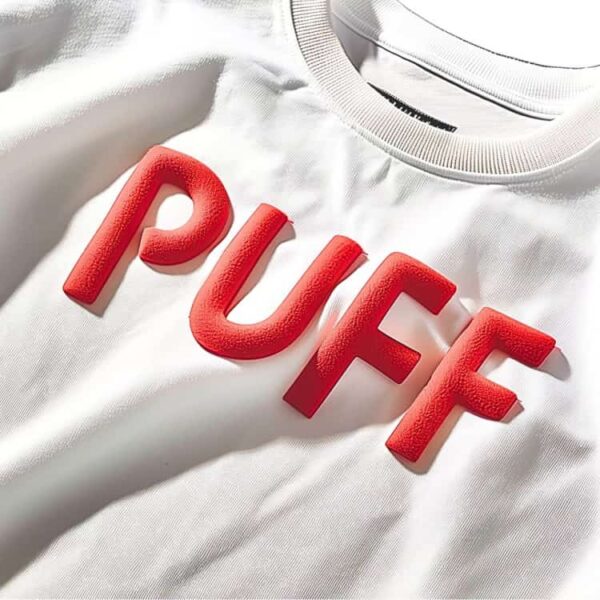
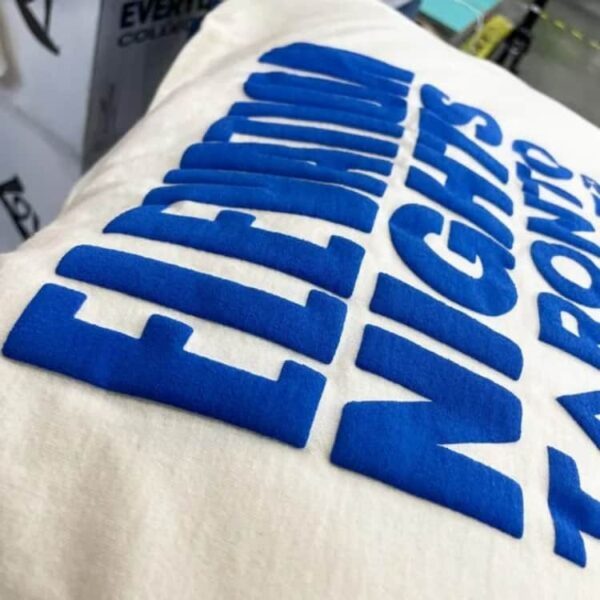



Tinta de silicona 3D con efecto relieve de alto rendimiento (serie espumante)
Tinta de silicona 3D inflable de alto rendimiento: logre impresiones textiles elásticas y con relieve. Silicona espumante duradera y de tacto suave para sudaderas y ropa deportiva. Sin PVC y cumple con RSL.
- MOQ:20 kg (cubeta industrial estándar)
- Política de muestras: Kit de muestra de 1 kg disponible (base + catalizador) para pruebas de calidad.
- Tiempo de entrega: 3-5 días hábiles para existencias; 7-15 días para pedidos al por mayor.
- Envío: Envío global disponible por mar, aire o expreso (no peligroso).
- Almacenamiento: Almacenar por debajo de 25°C en un lugar fresco y seco; evitar la luz solar directa.
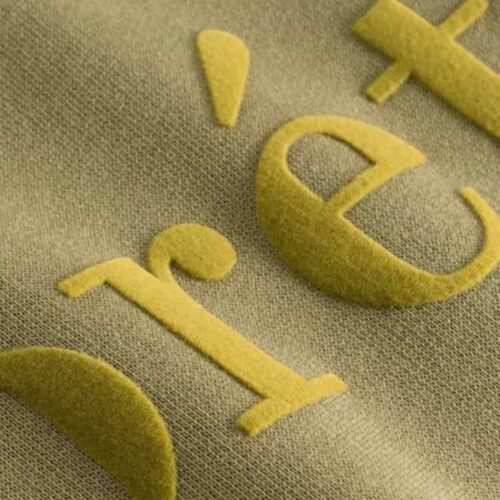
Logre un volumen 3D resistente a las grietas.
Lograr efectos 3D en relieve a menudo conlleva el riesgo de que las impresiones frágiles se agrieten bajo tensión. Nuestra tinta de silicona 3D inflable está diseñada para resolver este cuello de botella. Combina una alta expansión vertical con una alta elasticidad. Al curarse con un acabado suave y gomoso, se estira naturalmente con la tela, asegurando que las impresiones resistan el agrietamiento y mantengan la integridad estructural después de lavados repetidos.
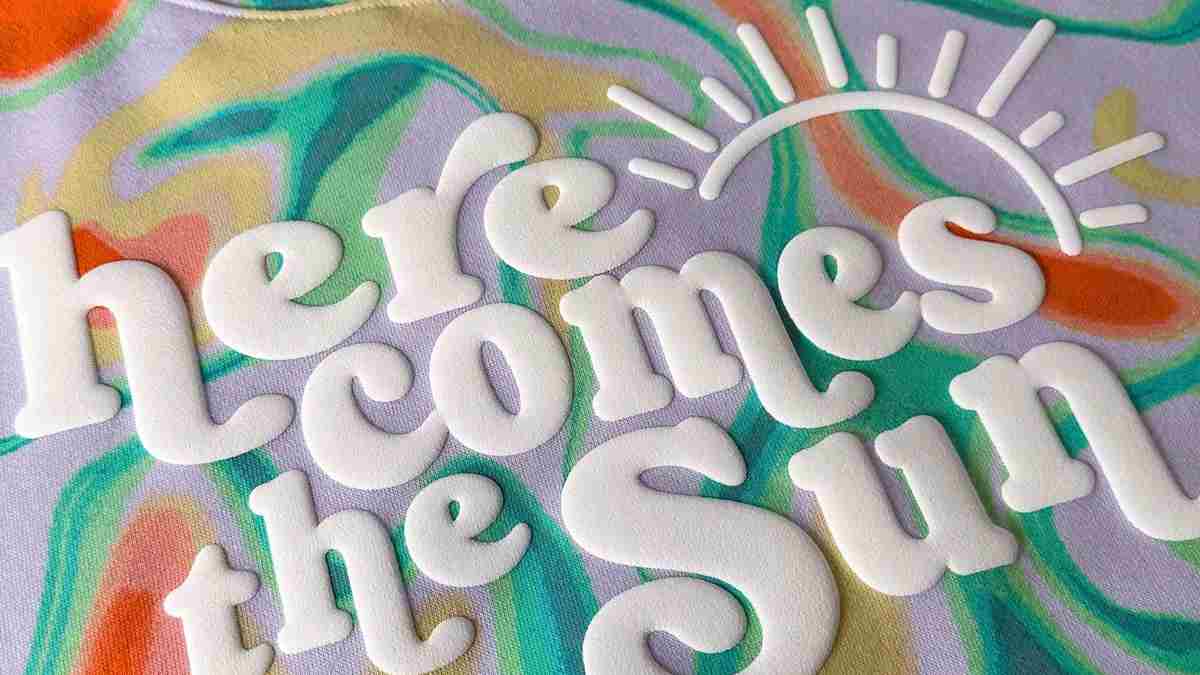
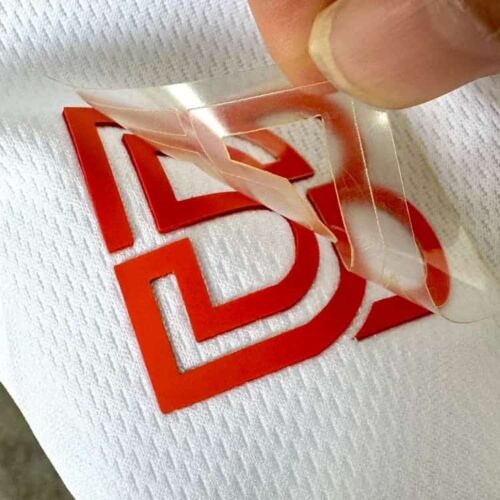
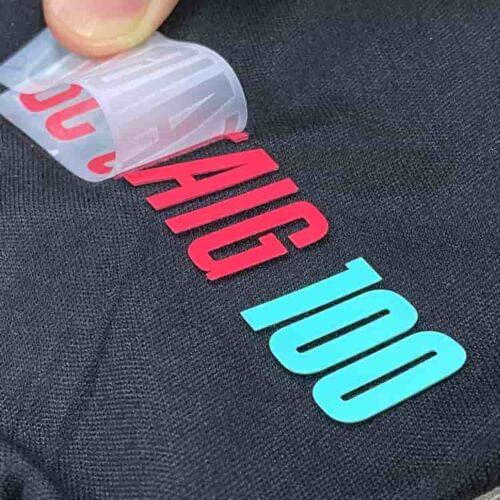
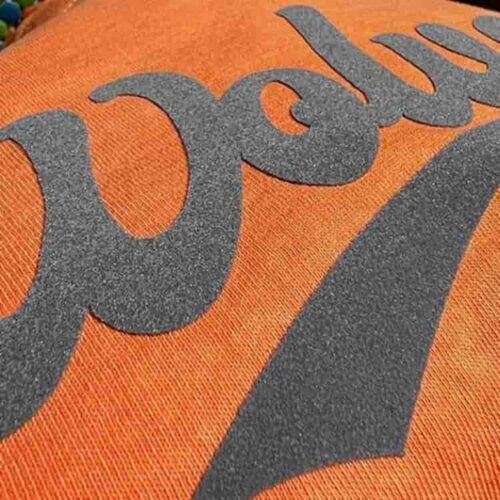
Esta tinta espumante de silicona convierte gráficos 2D en diseños táctiles 3D. Se aplica de forma fiable en ropa deportiva de alta elasticidad, sudaderas y prendas de moda. Ya sea que produzca logotipos en relieve, letras vintage o acentos texturales, ofrece la durabilidad y el tacto suave que requieren las marcas de ropa.
Contáctenos para conocer precios de mayoreo o para obtener la durabilidad y suavidad al tacto que requieren las marcas modernas.
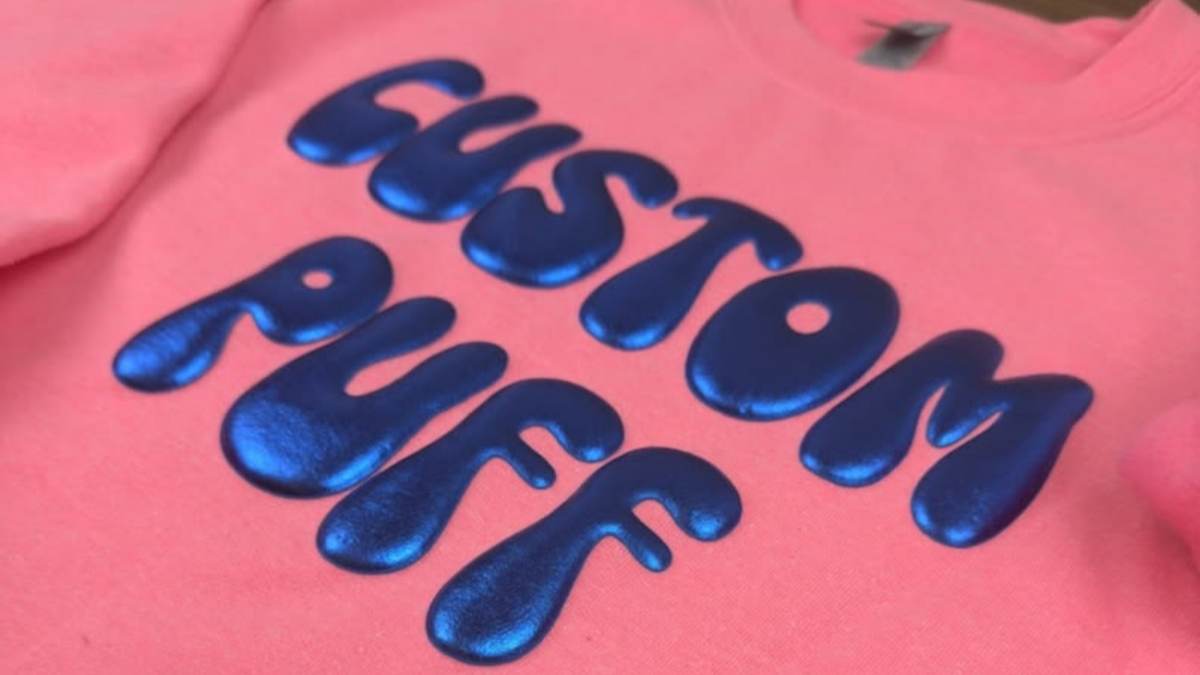
Características clave y rendimiento
Diseñado para proporcionar una expansión 3D uniforme, alta elasticidad y estabilidad de lavado para la impresión textil estructural.
Expansión controlable
Formulado con un agente espumante estable que se activa consistentemente a temperaturas de curado estándar (150°C+), lo que permite una altura 3D uniforme y predecible.
Alta Elasticidad y Tacto suave
La estructura de espuma curada permanece flexible, estirándose naturalmente con telas como Spandex o Lycra. Rebota sin agrietarse y crea una textura suave, esponjosa y similar a la goma.
Durabilidad de lavado
Ofrece una adhesión y solidez de lavado confiables. Supera eficazmente las pruebas de lavado a 60°C (más de 20 ciclos) sin pelarse ni colapsar la estructura 3D.
Versatilidad:
Se mezcla fácilmente con pigmentos de silicona estándar para una igualación de color precisa. Totalmente compatible con recubrimientos de silicona brillantes y mate para lograr acabados visuales específicos.
Identidad de cumplimiento técnico
| Propiedad | Valor / Descripción |
| Nombre del producto | Caucho de silicona líquida térmicamente expandible |
| Sinónimos | Silicona espumante, aditivo inflable, tinta con relieve 3D, silicona expansible. |
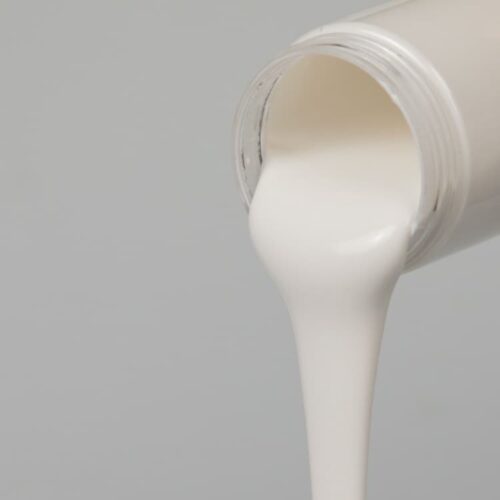
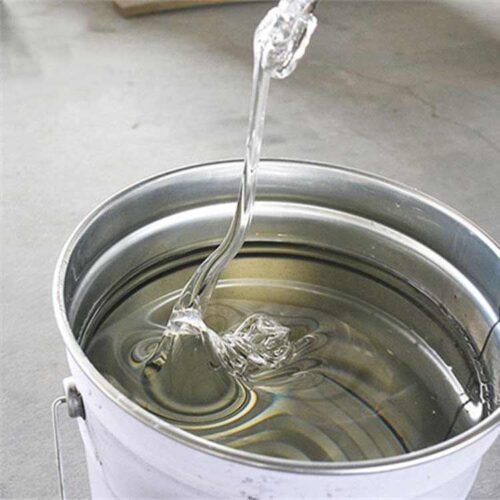
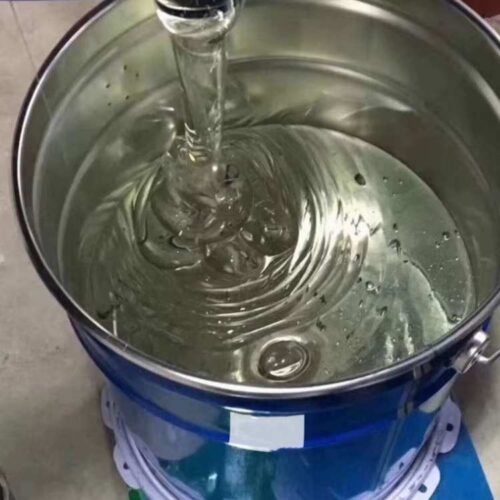
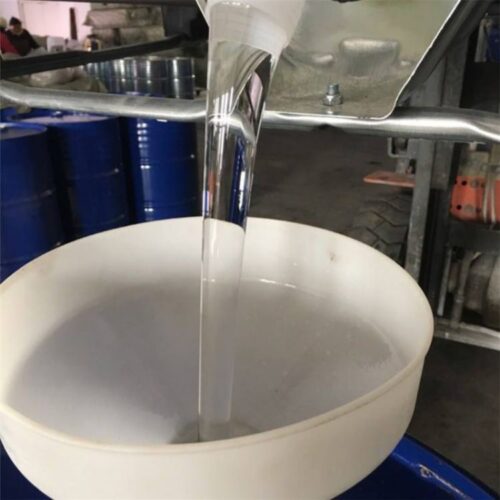
| Apariencia | Pasta translúcida / blanco lechoso |
| Viscosidad | 200,000 – 300,000 cps (tixotrópico) |
| Ratio de expansión | Aprox. 150% – 200% (dependiendo del grosor del depósito) |
| Temperatura de curado | La activación comienza >130°C; expansión óptima a 150°C – 160°C |
| Dureza (Shore A) | 10 – 25 (espuma suave) |
| Vida útil de la mezcla | 4-5 horas a 25°C (después de mezclar) |
| Relación de mezcla | 100:2 o 10:1 (base : catalizador) |
| Recomendación de malla | 80 – 110 malla (32T – 43T) |
| N.º CAS | 63394-02-5 (polidimetilsiloxano) / agente espumante patentado |
| EINECS | 264-131-3 |
| Código HS | 3910000000 |
| Certificaciones | Nivel 3 ZDHC, estándar OEKO-TEX 100, cumple con RSL (Nike/Adidas/Puma), libre de PVC, libre de ftalatos. |
| Presentación | Muestra: Cubetas de 1 kg / 5 kg. Granel: Tambores de plástico de 20 kg / 25 kg. |
| Almacenamiento | Advertencia: Almacenar en un lugar fresco y seco (por debajo de 25°C). Evite la luz solar directa. Las temperaturas altas pueden activar prematuramente el agente espumante en el envase. Vida útil: 6-12 meses (sin abrir). |
| Seguridad | No peligroso para el transporte. Bajo olor, libre de volátiles. MSDS disponible bajo pedido. |
Proceso operativo
Lograr el inflado perfecto requiere equilibrar el depósito de tinta y el calor.
1.Mezclado
Mezclar base inflable + catalizador + pigmento (10-15%).
Nota: Asegúrese de que el catalizador esté completamente integrado para evitar una expansión desigual.
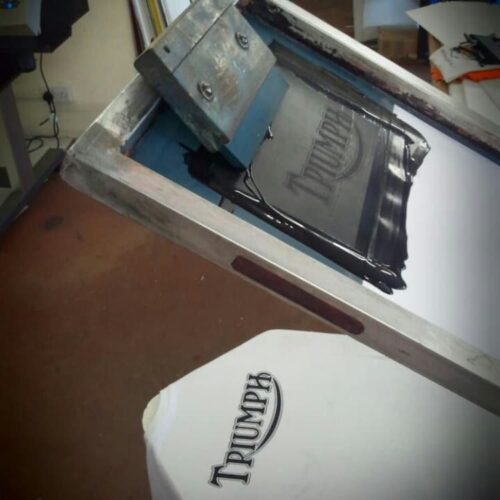
2.Preparación de la pantalla
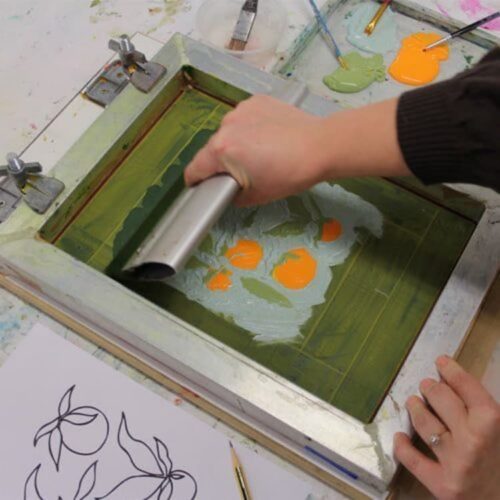
Utilice una malla de baja apertura (80-110 mesh / 32T-43T).
Utilice una una emulsión de capa gruesa (EOM > 200 micras) o una película gruesa (película capilar) para asegurar un depósito de tinta abundante. Cuanto más gruesa sea la tinta húmeda, mayor será el efecto puff.
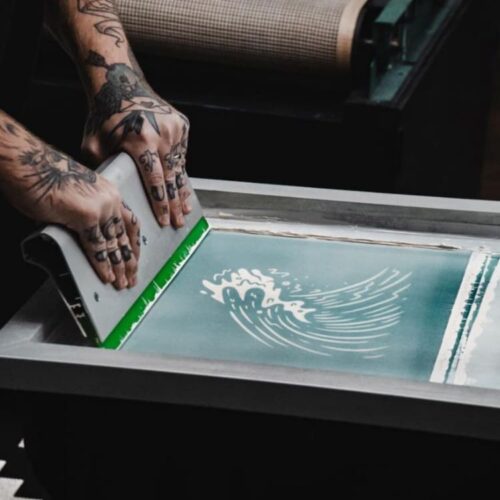
3.Impresión
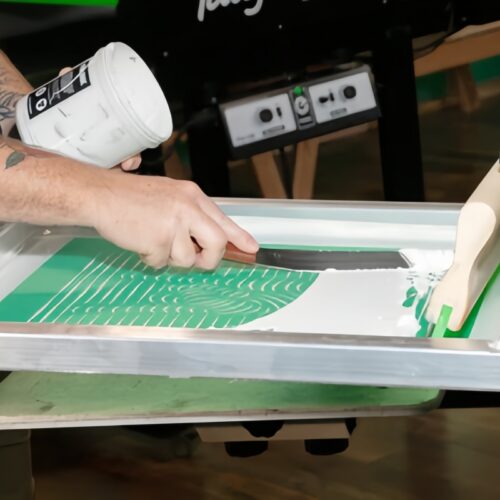
Imprima una base (silicona transparente) si la tela lo requiere (por ejemplo, poliéster).
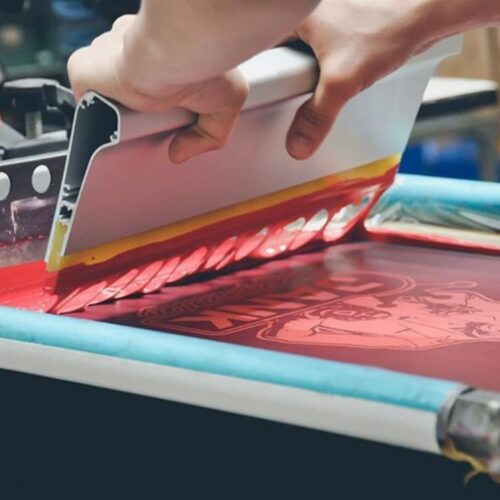
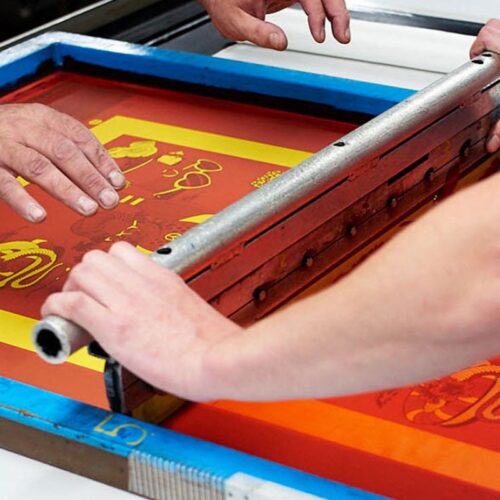
Imprima la silicona puff (2-3 pasadas). Pre-seque (flash). Repita si es necesario para obtener una mayor altura.
Pre-secado (Crítico): Aplique calor a 100°C – 110°C durante 10 segundos. ¡No sobrecaliente durante el pre-secado! Solo desea secar la superficie, no activar el agente espumante todavía.
4.Curado final (Expansión)
Hornee en un túnel de secado a 150°C – 160°C durante 90-120 segundos.
El calor activará el agente expansor, haciendo que la tinta se eleve y se cure simultáneamente.
Telas principales
Ideal para telas de peso medio a pesado que pueden soportar la estructura de la espuma expandida.

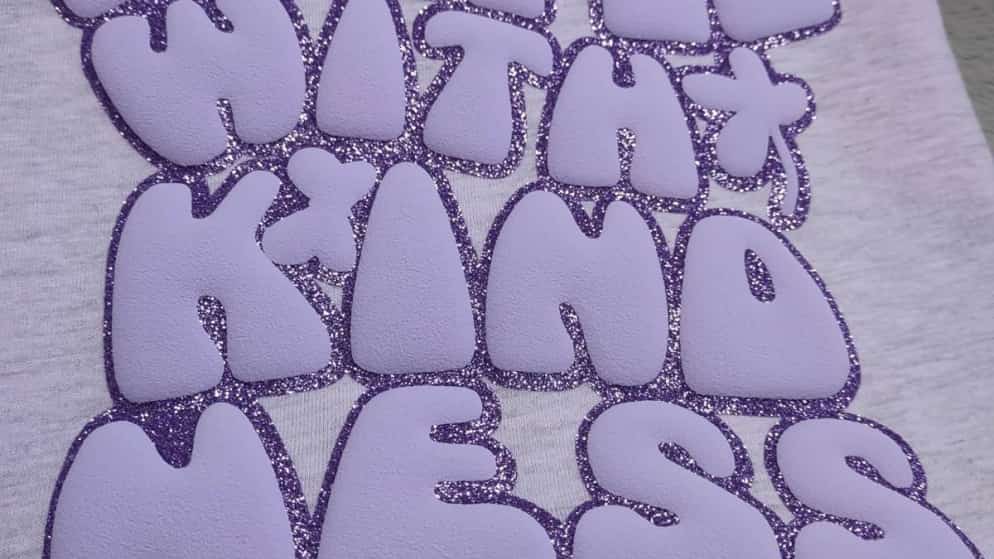
Felpa de algodón
Proporciona el volumen de alta densidad necesario para resaltar sobre fibras de pelo largo, creando un logotipo 3D audaz y de primera calidad que no se perderá en la textura de la tela.
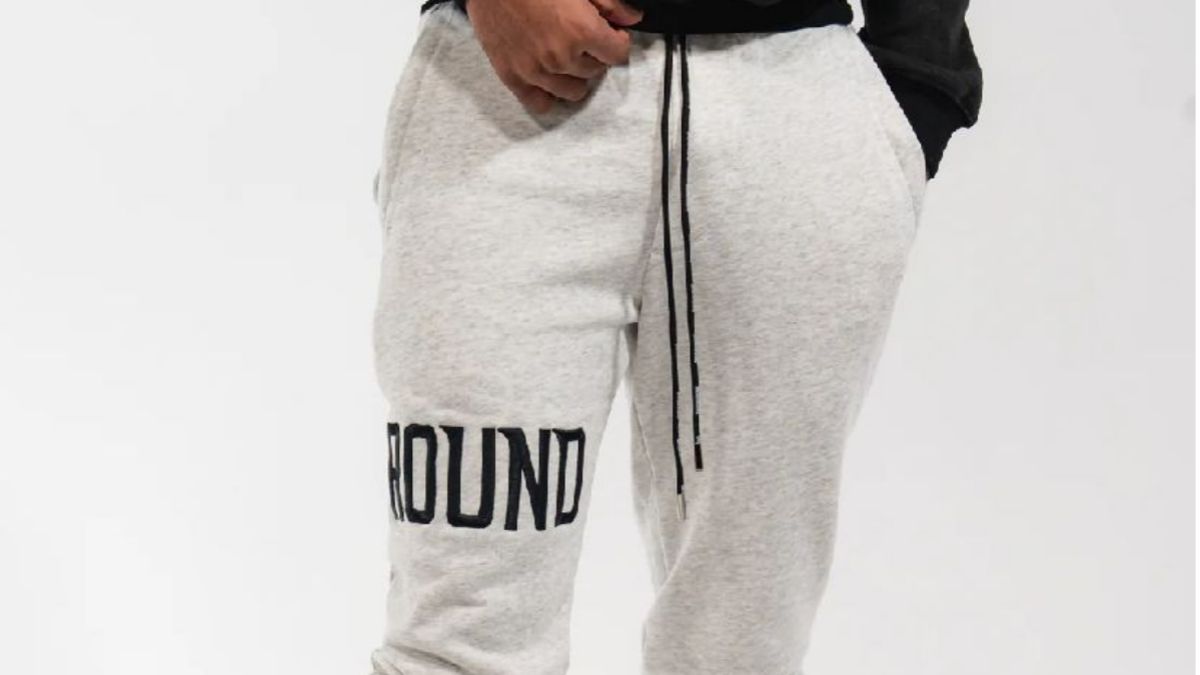
Felpa francesa (French Terry)
Ofrece una adhesión excepcional a la textura rizada, asegurando que el estampado elevado permanezca nítido y estructurado sin hundirse en la superficie irregular.
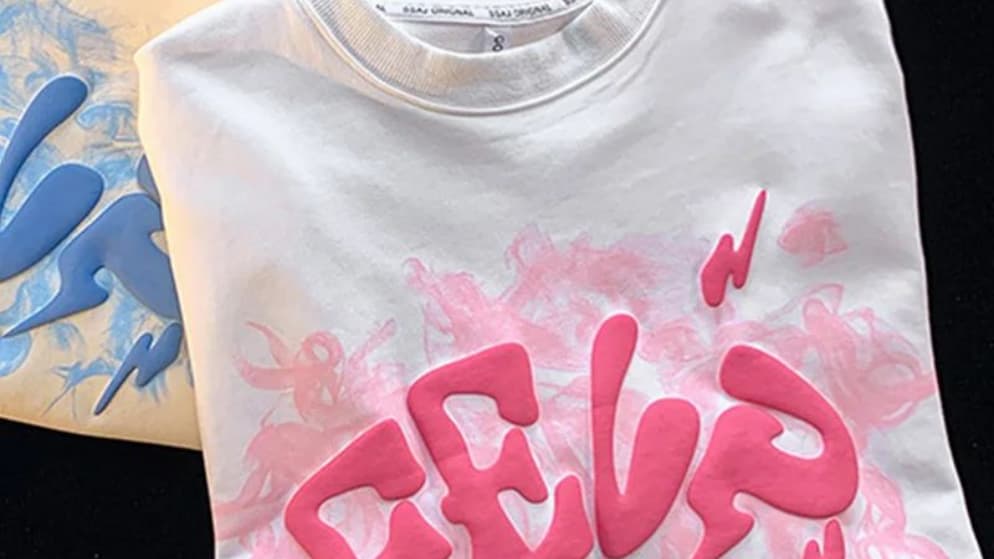
Mezclas de poliéster
La activación a baja temperatura evita la migración de tinte (sangrado) mientras mantiene una unión flexible y permanente que se mueve con las fibras sintéticas.
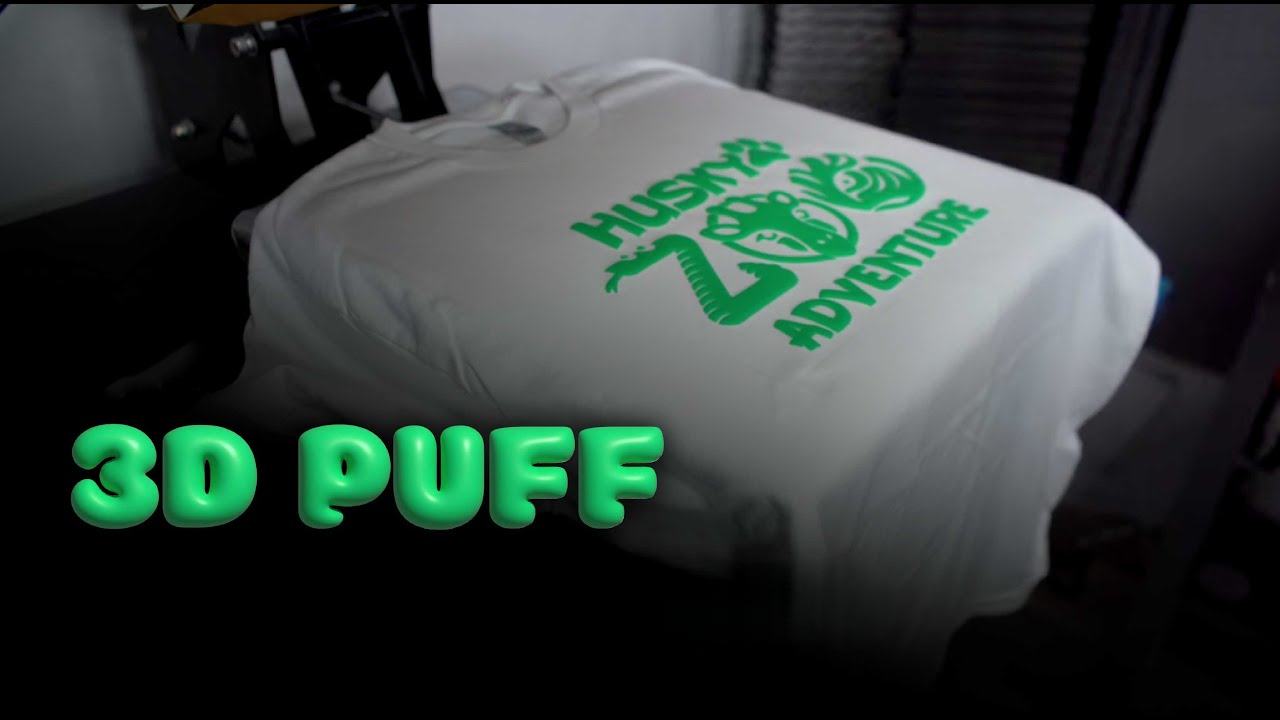
Jersey pesado
Ofrece un aspecto arquitectónico definido y de alta densidad que complementa el peso de la tela, brindando una sensación sofisticada tipo parche de goma sin el peso de un parche real.
Problemas comunes y soluciones de expertos
Descubra cómo nuestras formulaciones avanzadas de silicona están diseñadas para resolver defectos comunes de impresión, optimizar su flujo de trabajo y reducir el desperdicio de material.
“Mi impresión puff se ve desigual o con burbujas.”
La solución: Esto se debe a menudo a un depósito de tinta desigual. Nuestra fórmula de alta viscosidad asegura que la tinta permanezca sobre las fibras de la tela en lugar de absorberse, garantizando una elevación suave y uniforme.
“El efecto puff se colapsa después del lavado.”
La solución: Nuestra estructura de enlaces cruzados garantiza que las celdas de espuma sean duraderas. Una vez curado, la forma es permanente.
Elevando la impresión 3D Puff: Un análisis de rendimiento comparativo
Compare el rendimiento de los materiales y descubra cómo nuestra avanzada silicona Puff supera las limitaciones de elasticidad y resistencia al lavado de los sistemas de tinta convencionales.
| Característica | Nuestra silicona Puff | Plastisol Puff (PVC) | Puff base agua |
| Elasticidad | ★★★★★ (Alta elasticidad) | ★ (Se agrieta fácilmente) | ★★ (Baja elasticidad) |
| Tacto | Suave, gomoso, flexible | Áspero, seco, duro | Suave pero débil |
| Solidez al lavado | Excelente (Sin grietas) | Deficiente (Se descascara) | Moderado |
| Perfil ecológico | Sin PVC, ecológico | Contiene PVC/Ftalatos | Respetuoso con el medio ambiente |
| Resistencia al calor | Alta (Se puede planchar suavemente) | Se derrite/se aplana con el calor | Moderado |
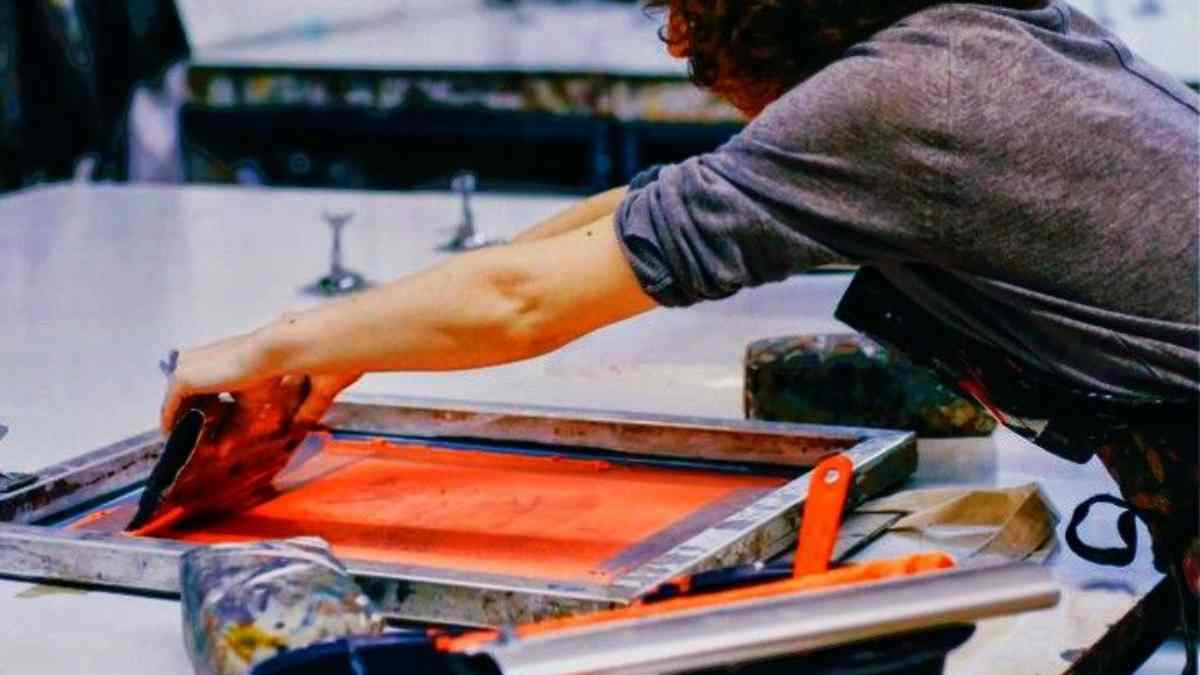
Caso de estudio del cliente
Cliente: Un fabricante de ropa personalizada en Portugal.
El desafío: Su cliente (una marca deportiva importante) rechazó un lote de sudaderas porque la serigrafía con relieve (puff) se agrietó al estirar la prenda. Estaban utilizando Plastisol Puff.
La solución: Cambiaron a nuestra tinta de silicona puff elástica.
Resultado:
La impresión resistió la "Prueba de Estiramiento" (estirada hasta un 100% de elongación) sin agrietarse.
El tacto mejoró significativamente, logrando una sensación premium y gomosa.
El rendimiento de producción aumentó, ya que la vida útil de la silicona en el marco permitió tiradas más largas sin obstrucciones.
Preguntas frecuentes – Solución de problemas
P1: ¿Cómo consigo un efecto 3D más alto?
R: La altura proviene del volumen de tinta. Utilice una malla de menor número (por ejemplo, 86 hilos), una emulsión más gruesa en su pantalla e imprima varias capas (Imprimir-Secar-Imprimir).
P2: ¿Por qué el relieve se volvió amarillo?
R: Esto indica Quemado. La temperatura de curado fue demasiado alta o la prenda estuvo demasiado tiempo en el horno. Reduzca la temperatura a 150°C y aumente la circulación de aire.
P3: ¿Puedo mezclar esto con silicona de alta densidad?
R: Sí. Mezclar silicona Puff con silicona estándar de alta densidad (por ejemplo, en una proporción de 50/50) crea un efecto "Semi-Puff" que es más duro, más duradero y con bordes más definidos.
P4: ¿Puedo mezclar silicona Puff con silicona normal?
R: Sí. Puede mezclarla con silicona estándar de alta densidad para reducir el efecto puff y crear una impresión 3D más dura y estructurada.
P5: ¿Por qué mi impresión puff se colapsó después de salir del horno?
R: Esto generalmente significa Sobrecurado. La temperatura fue demasiado alta o el tiempo demasiado prolongado, lo que provocó que la estructura de espuma se descompusiera. Reduzca la temperatura en 10°C.
P6: ¿Funciona en rompevientos de nylon?
R: La aplicación directa es arriesgada. Debe imprimir una Silicona de adhesión para Nylon (Linker) primero, secarla (flash) y luego imprimir la silicona Puff encima.
P7: ¿Cuántas capas necesito imprimir?
R: Por lo general, 2 a 3 capas (imprimir-secar-imprimir) utilizando una plantilla gruesa (alto EOM) es suficiente para obtener un efecto 3D significativo.

 English
 Deutsch (Sie)
 العربية
 বাংলা
বাংলা 香港中文
香港中文 Français
 Bahasa Indonesia
 Português do Brasil
 한국어
한국어 Tiếng Việt
 日本語
日本語 Polski
 Русский
 Türkçe
 ไทย
ไทย Español de México